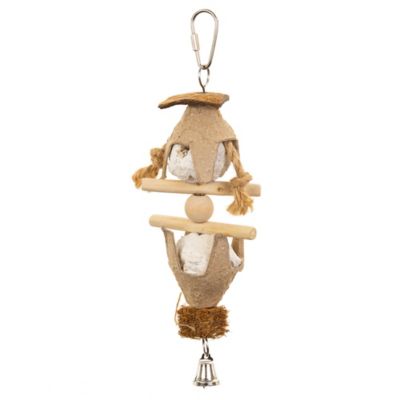
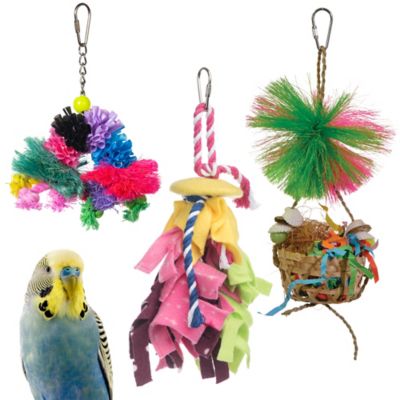
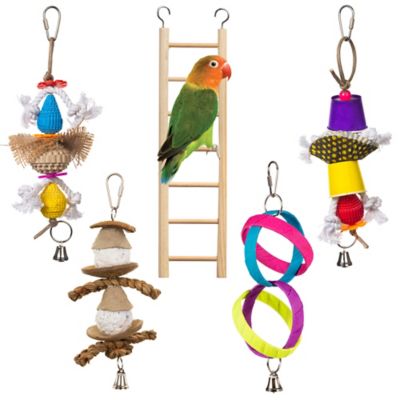
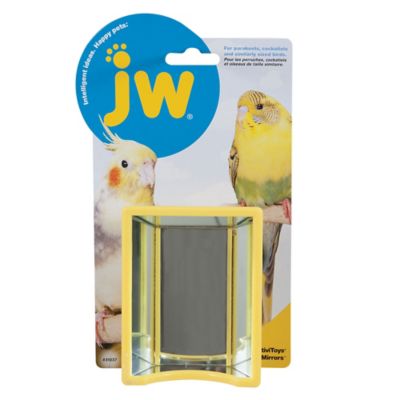
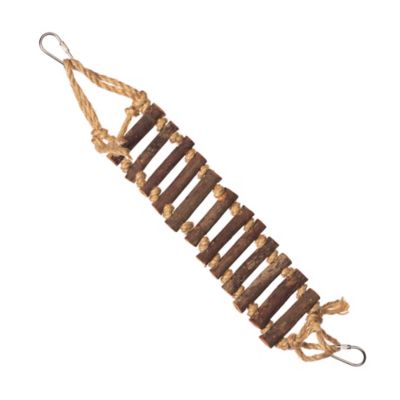
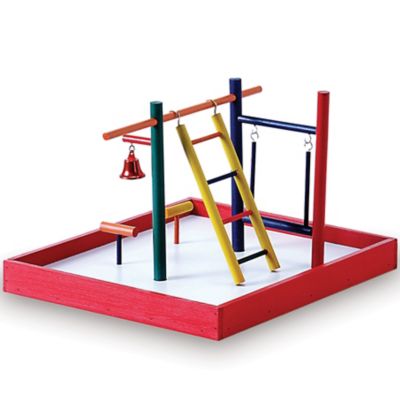
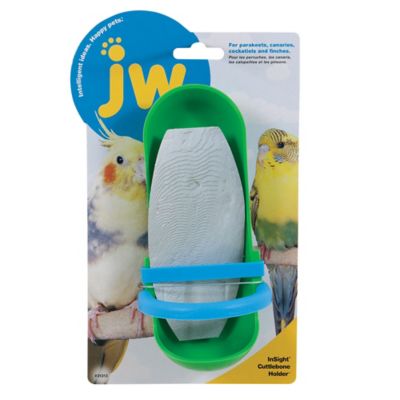
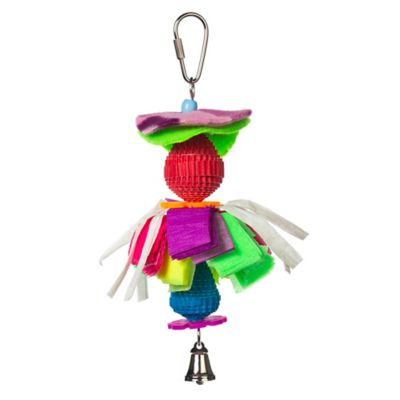
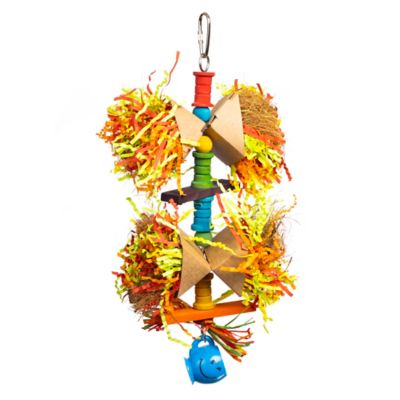
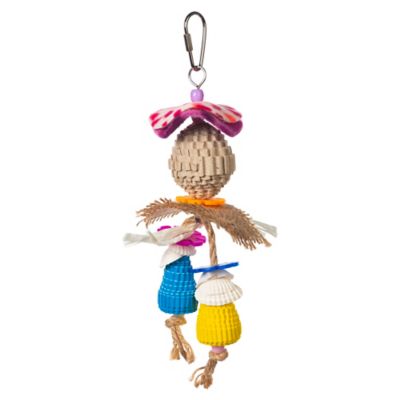
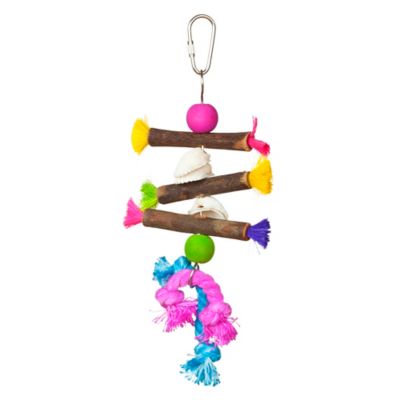
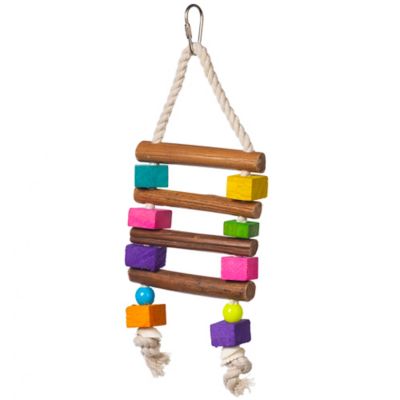
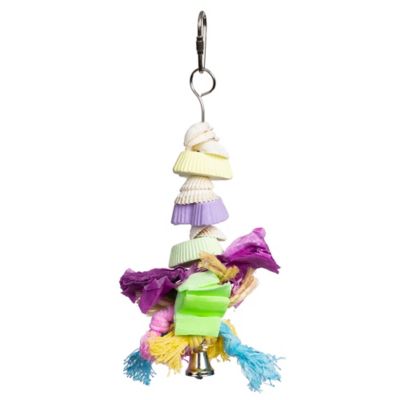
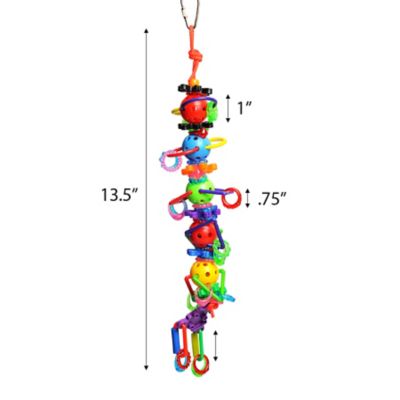
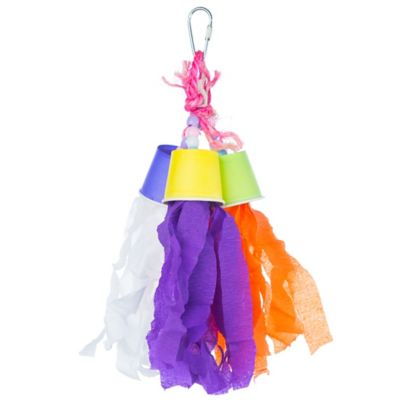
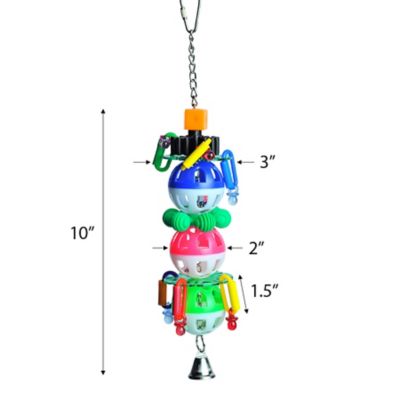
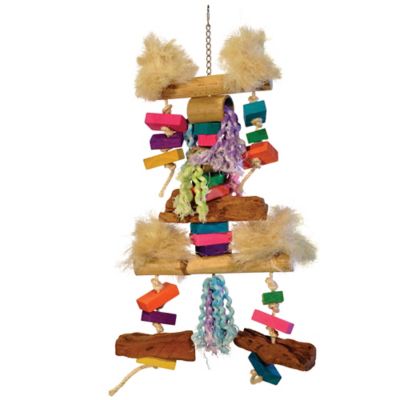
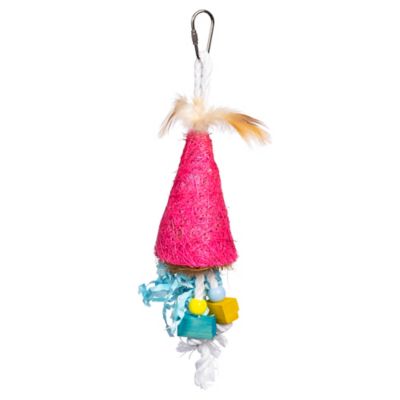
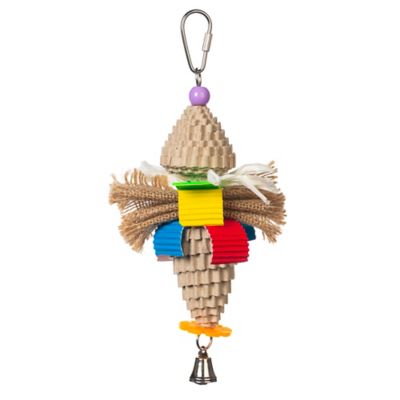
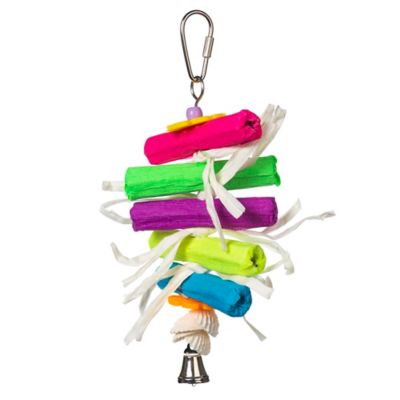
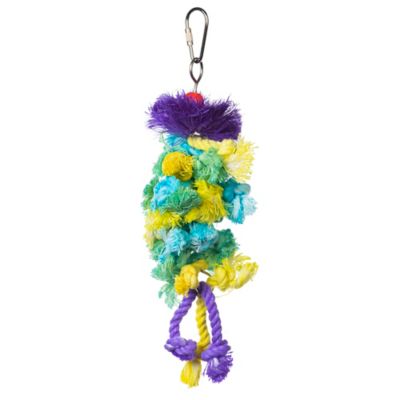
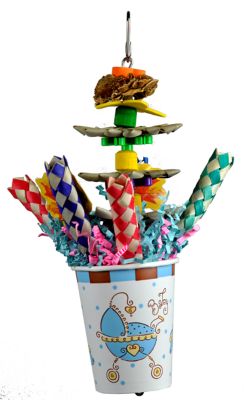
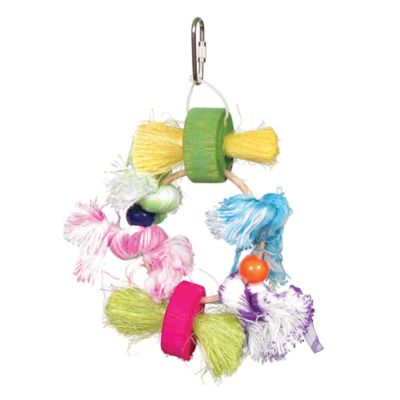
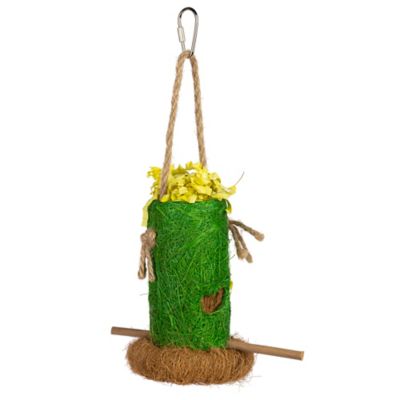
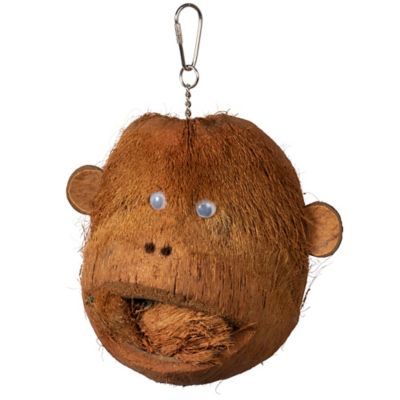
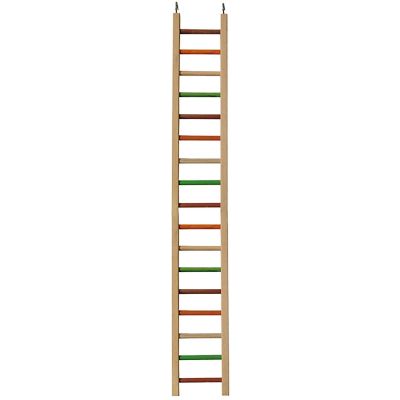
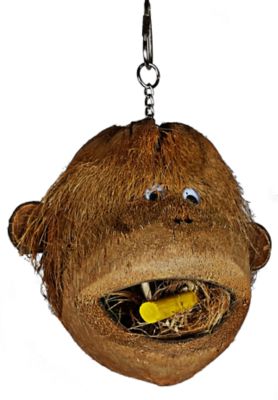
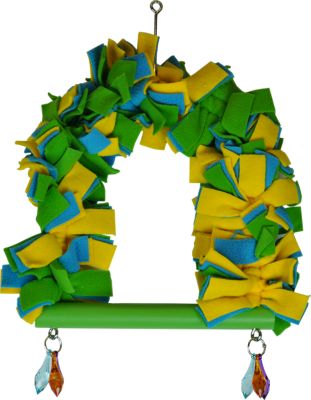
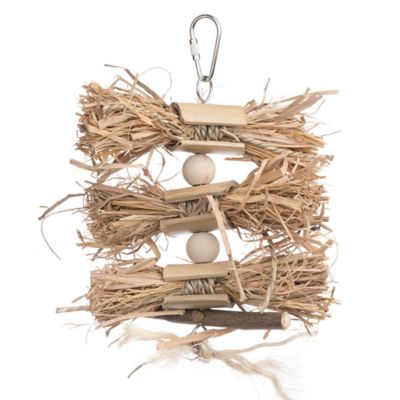
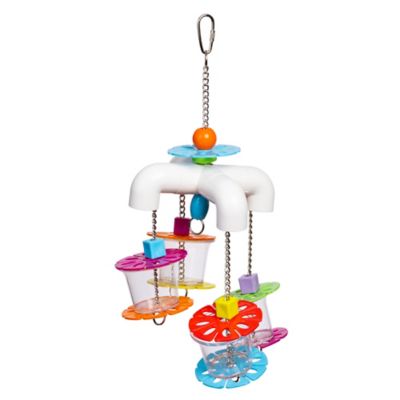
Parakeet toys give small pet birds ways to chew, climb, swing, explore and work for treats, supporting physical activity and mental enrichment. Budgerigars, often called budgies, are curious flock birds that spend much of their day investigating their surroundings. A toy that rustles when nudged, shifts underfoot or holds a small food reward gives that busy little beak something worthwhile to do. Different types of play serve different purposes: shredding toys encourage chewing and exploration, climbing toys invite movement, swings offer balance practice, and foraging toys make finding food part of the fun. A mix of these activities can help ease boredom without expecting one toy to hold a bird’s attention all day. Some parakeets head straight for soft paper they can pull apart, while others prefer stepping across a hanging bridge or investigating a small compartment. Those preferences matter more than bright colors or an elaborate shape. For a bird that likes to stay close to a favorite perch, an easy-to-reach chew toy may get more attention than something hanging across the cage. A more adventurous bird may enjoy a moving surface that responds to each step. Toys also bring variety to a familiar living space, giving a parakeet fresh details to notice without changing its whole surroundings. That enrichment belongs alongside daily social interaction, appropriate nutrition, room to move and supervised exercise outside the cage in a bird-safe space. It does not replace companionship or veterinary care. Parakeets naturally chatter and call, so silence is not the goal of a well-enriched cage. Persistent feather picking, sudden behavior changes or a drop in activity deserve attention from an avian veterinarian rather than simply adding another toy. For everyday play, a manageable assortment with several textures and activities gives these little birds more choices and lets their individual personalities shine. Watching which materials get nibbled and which toys remain untouched can reveal a lot about what a particular bird finds interesting.
Materials and fit make a big difference in how comfortably a parakeet can play. Bird-safe, untreated wood offers a surface to nibble, while paper, palm leaf and other suitable plant fibers provide lighter textures for pulling and shredding. Softer materials can be especially inviting for a small beak, and visible wear is often part of their intended purpose. A chew toy does not have to stay looking new to be doing its job, though damaged hardware or loose strands are another matter. Product labeling should identify suitability for small birds, and any paint, dye, adhesive or finish needs to be intended for bird toys. Metal components also deserve a close look; bird-safe stainless steel hardware is a useful feature, while exposed lead, zinc and questionable coatings have no place within chewing reach. Size involves more than whether a toy fits through the cage door. Openings, chain links and moving parts should not trap a head, toe or beak, and the overall weight should suit a lightweight bird rather than a large parrot. Secure attachments help keep toys from dropping into food dishes or swinging into a resting bird. Bells need particular attention because loose clappers and narrow gaps can create hazards. Rope can offer climbing texture, but fraying fibers, long loose strands and loops that could catch a foot or neck call for removal. Even a well-made toy needs regular inspection because a determined little chewer can expose parts that were not reachable before. Placement matters, too. A cage still needs clear travel paths, comfortable resting spots and open access to food and water. Several toys crowded around every perch can make movement harder instead of more inviting. A swing needs clearance to move without striking cage bars, and a hanging toy should stay clear of the bird’s normal resting position. When more than one parakeet shares a cage, spacing play areas apart can give each bird room to investigate without crowding a companion.
Day-to-day care helps keep parakeet toys pleasant to handle and suitable for continued play. Surfaces near favorite perches may collect droppings or food, so placement and routine checks both count. Cleaning directions vary by material: some nonporous parts can be washed and rinsed thoroughly, while absorbent paper and heavily soiled plant fibers generally need replacement. Anything washed should dry completely before returning to the cage, and cleaning products should follow the toy maker’s directions and bird-safety precautions. Cracked parts, sharp edges, loose fasteners and tangled fibers are signs that playtime with that toy is over. Having a small rotation makes it easier to take a toy out for cleaning or replacement without leaving the bird with nothing familiar to investigate. Rotation can also renew interest, but a cautious parakeet may need time to accept a new shape near its cage. An introduction at a comfortable distance, followed by gradual placement closer to a familiar perch, can feel less intimidating than a sudden addition overhead. Foraging toys bring another kind of variety, especially when a simple, visible reward gives the bird an easy starting point. Small portions of the bird’s regular food can support that activity without turning every successful search into an extra treat. Any fresh food placed in a toy needs the same prompt removal and cleaning attention as fresh food in a dish. Households with a first parakeet may appreciate straightforward designs that are easy to inspect, while longtime bird keepers may look for different textures or more involved foraging features. For a gift, the bird’s size, chewing habits and keeper’s preferences matter more than an eye-catching package. The broader
Bird Toys collection offers a place to explore play styles while keeping a small parakeet’s needs in mind. The most useful assortment leaves room for everyday movement, includes something the bird already enjoys and offers a little new interest without overwhelming its space. From quiet nibbling beside a perch to an energetic climb toward a favorite treat, well-matched toys give parakeets more ways to stay engaged throughout the day.