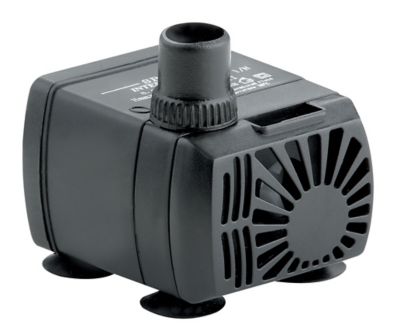
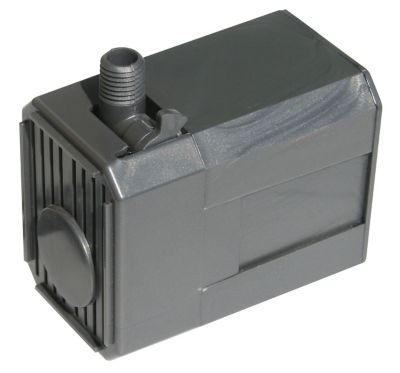
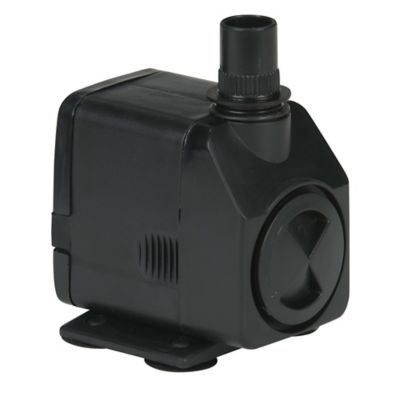
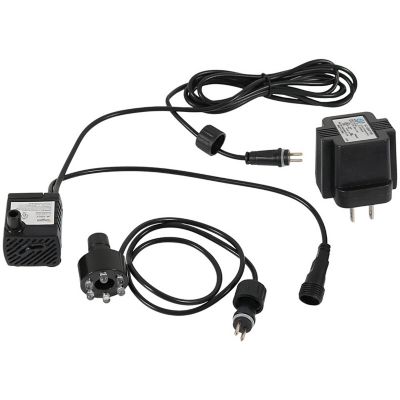
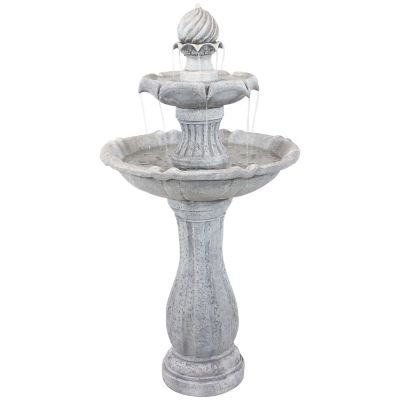
Outdoor fountain pumps keep water moving through a fountain, carrying it from a basin to a spout, spray nozzle, or upper tier before it returns to the reservoir. The right fit depends on the fountain’s water capacity, the height water must travel, the desired flow, and the power source. A small basin beside the porch needs a different flow pattern than a broad stone fountain near the garden gate. Pump output is commonly measured in gallons per hour, or GPH, but that number tells only part of the story. The maximum flow rating generally reflects little or no vertical lift; actual output drops as the pump pushes water higher and through tubing, fittings, and nozzles. Head height describes that lifting demand, with vertical lift measured from the water’s surface to the discharge point. A pump’s flow chart shows how much water it can move at a given height, making it more useful for matching a fountain than the largest number on the package alone. Maximum head height is the point where flow falls to zero, not a height where a pump will still produce a strong stream. For a tiered fountain, enough flow at the upper bowl keeps water spilling evenly over the edges. For a narrow spout, a gentler stream may better suit the basin and keep splashing off nearby seating. Adjustable flow controls offer room to fine-tune the effect when the fountain and pump specifications allow it. Reservoir size matters, too: water traveling through upper bowls and tubing still has to leave enough in the lower basin to cover a submersible pump’s intake. A stronger pump is not automatically a better match. Too much output can throw water beyond the basin, create more noise than expected, and make frequent refilling a chore. A well-matched pump supports the look and sound of the fountain without overpowering the space around it. That balance matters just as much in a quiet sitting area as it does beside a busy backyard gathering spot.
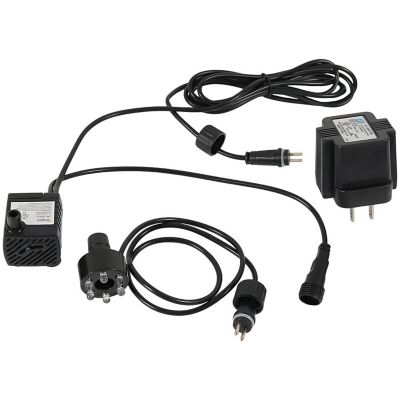
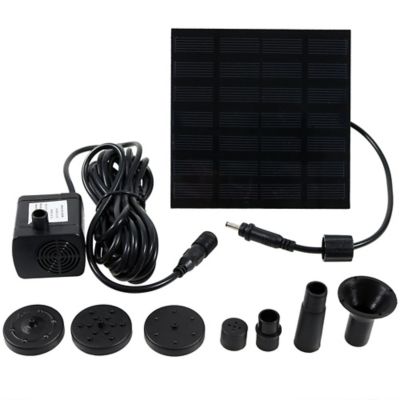
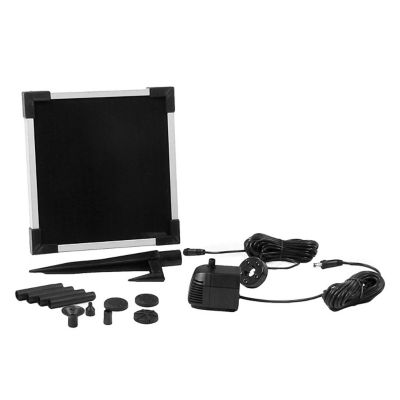
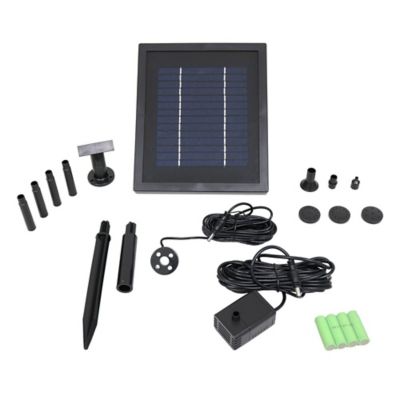
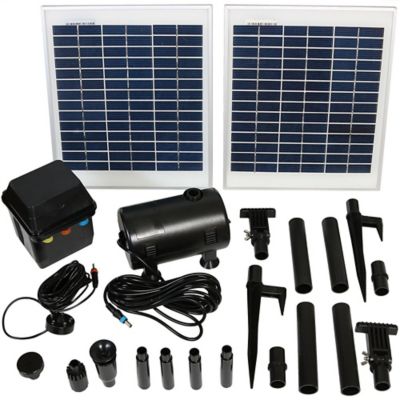
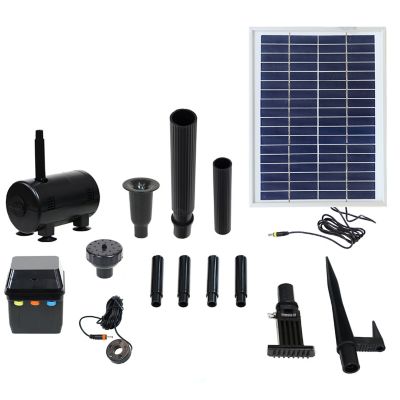
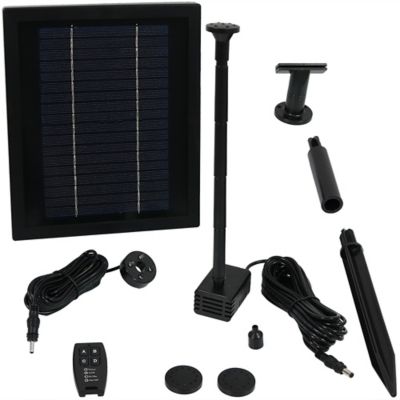
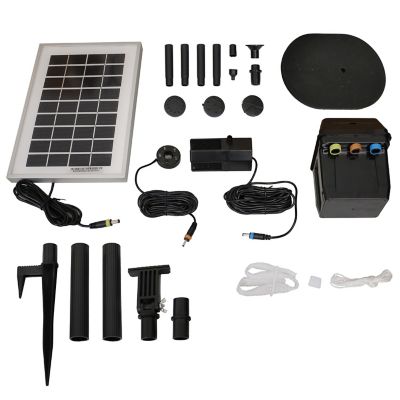
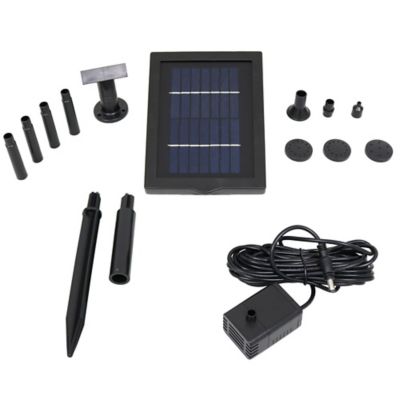
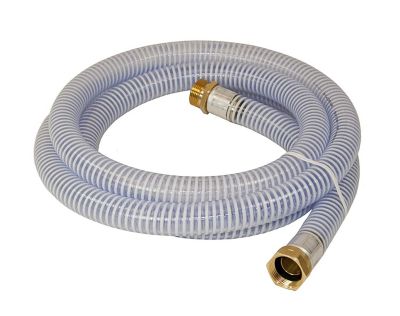
Fit involves more than the pump’s footprint. Outdoor fountain pumps need enough room around the intake for water to enter freely, along with access for cleaning and removal. In a shallow basin, the minimum operating water depth can determine whether a submersible design belongs there at all. A concealed pump chamber may keep equipment out of sight, but a cramped opening can turn routine upkeep into an awkward reach behind heavy stonework. Outlet diameter, hose connections, and nozzle compatibility deserve the same attention as overall dimensions. Tubing that is too narrow, sharply bent, or stretched across a long run adds resistance and reduces flow at the fountain’s outlet. Matching the tubing to the pump’s specifications helps the system perform as intended without forcing connections or relying on makeshift fittings. Materials also affect how the pump stands up to constant contact with water and the grit that can collect in an outdoor basin. Molded plastic housings resist rust, while corrosion-resistant metal components and wear-resistant shafts can serve important roles inside the assembly, depending on the design. Seals, screens, and removable intake covers matter because small bits of leaf litter, mineral deposits, and sediment can interfere with moving parts. Electrical requirements are another part of the fit. A plug-in pump needs a suitable outdoor electrical supply with ground-fault circuit-interrupter protection, and its cord must reach without strain. Power consumption, listed in watts, helps compare the electrical demand of pumps with similar output. Solar-powered designs bring a different set of considerations, including panel placement, sunlight exposure, and whether the system includes battery storage. A panel shaded by a porch roof or a stand of trees may not support the same operation as one with clear exposure. Any electrical connections need protection as directed by the manufacturer, and a submersible pump’s water rating does not mean every plug or connector can go underwater. Those details help keep the equipment suited to the setting rather than simply tucked wherever it fits.
Day-to-day care has a lot to do with how smoothly a fountain runs and how much attention it needs. Water returning to the basin can carry grass clippings, leaves, dust, and other debris toward the intake. An accessible screen or prefilter can help intercept larger particles, though it still needs regular cleaning so it does not restrict water flow. A fountain tucked beneath a tree may need more attention than one standing in an open courtyard. Mineral buildup can also narrow passages or affect the impeller, the rotating part that moves water through the pump. Removable covers and serviceable impeller assemblies make that maintenance easier when the design permits access. Cleaning methods should follow the pump manufacturer’s directions, especially where seals, coatings, or water treatments are involved. Before any hands-on work, power needs to be disconnected at the source. Keeping the basin at its proper fill level is equally important; many fountain pumps depend on surrounding water for operation and should not run dry. A weakening stream, rattling sound, or uneven spill can point to a low water level, trapped debris, restricted tubing, or a worn part rather than a need for more pumping power. For larger water features,
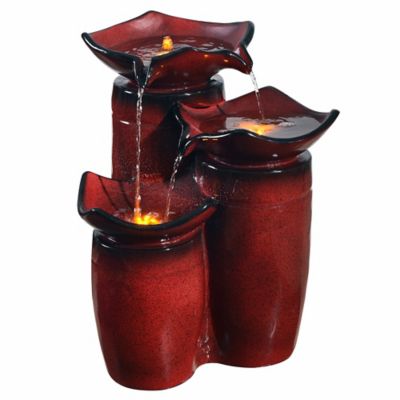
Pond Fountain Pumps involve additional considerations such as pond dimensions, spray reach, intake placement, and the intended role of water movement. A fountain spray can add movement and surface disturbance, but it should not automatically be treated as a substitute for a pond’s filtration or aeration needs. Around a patio, garden path, or farmhouse entry, a well-matched fountain pump supports anything from a soft trickle to a more noticeable cascade. The best match brings together suitable flow, practical connections, manageable upkeep, and the sound that belongs in the space, whether that means a gentle splash beside a bench or a steady spill across several fountain bowls.