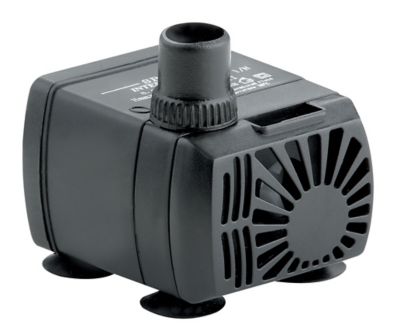
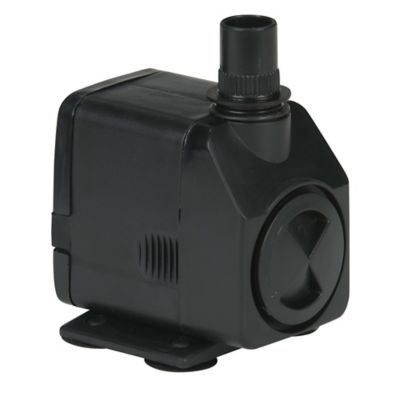
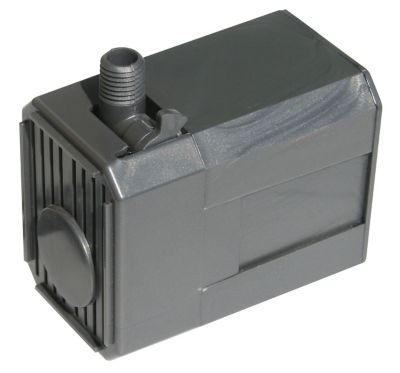
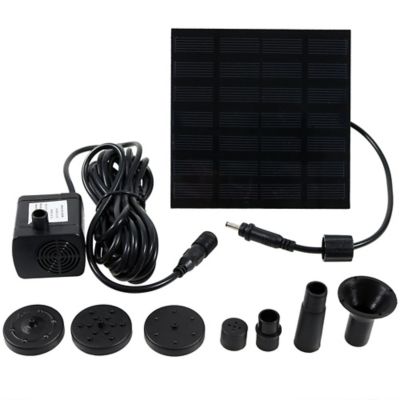
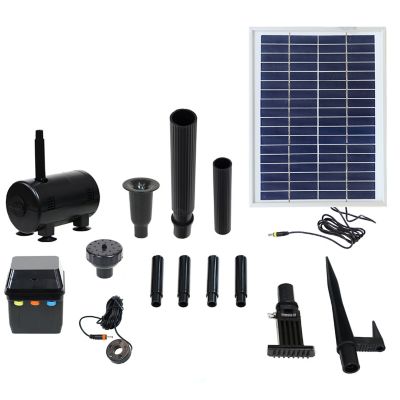
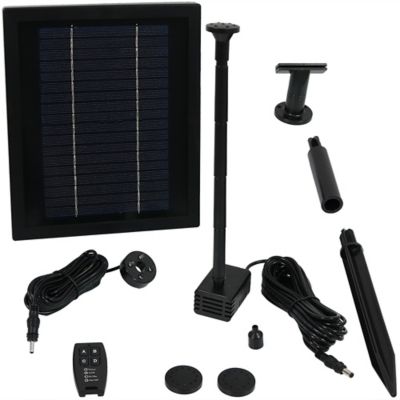
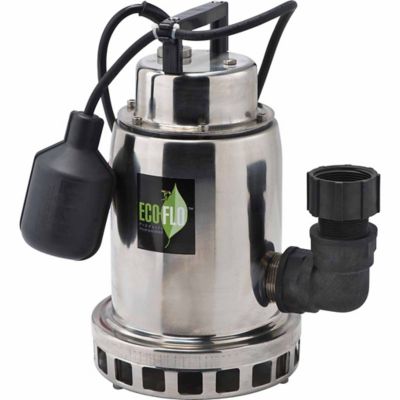
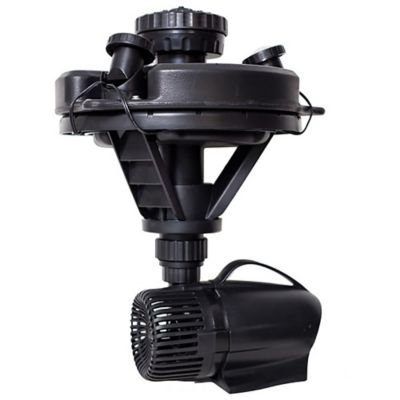
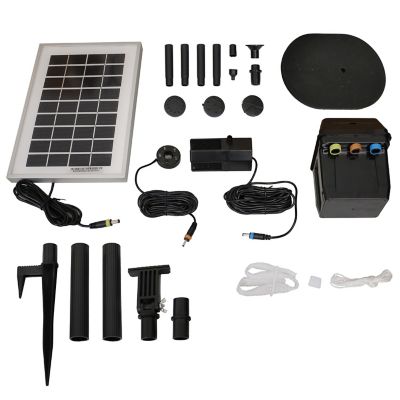
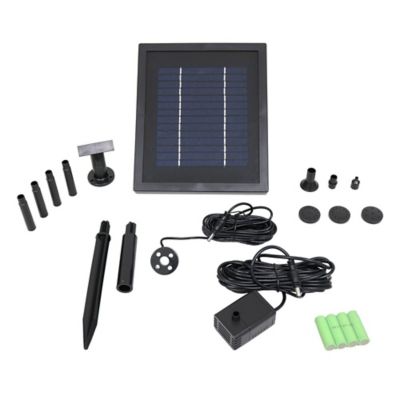
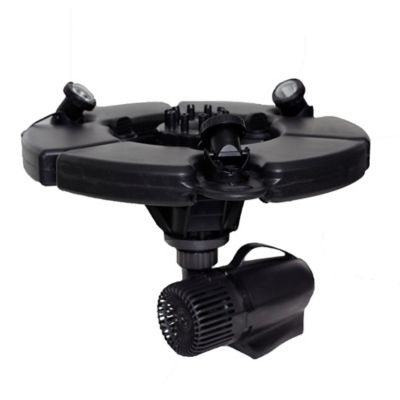
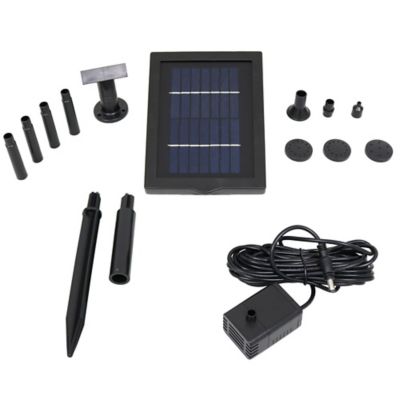
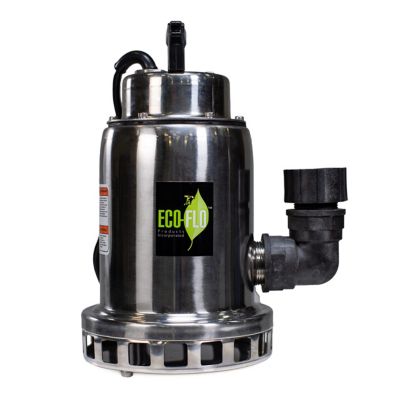
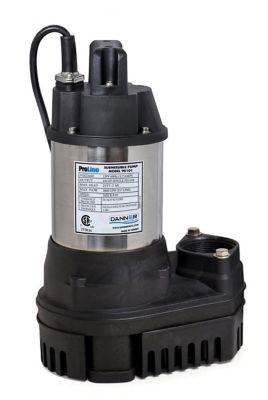
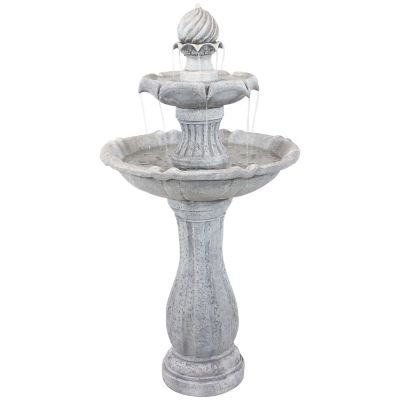
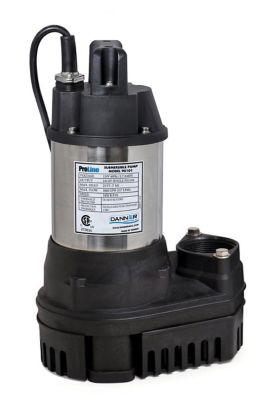
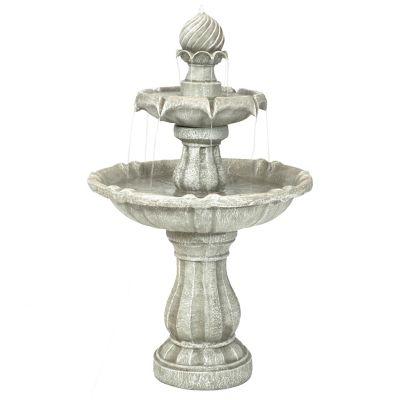
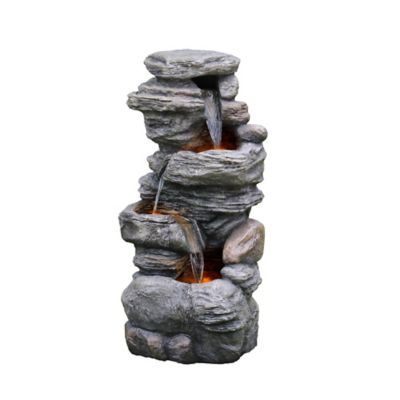
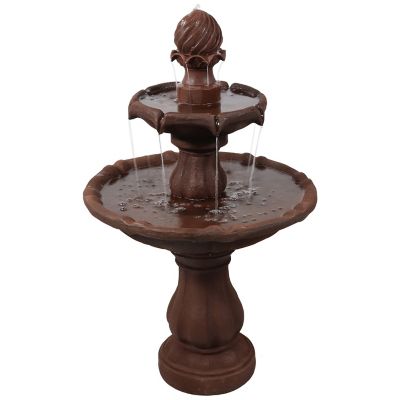
Fountain pumps keep water moving through a fountain, drawing it from a basin and sending it through tubing to a spout, nozzle, or upper tier before it returns to the reservoir. That steady circulation creates everything from a gentle trickle beside a porch chair to a taller stream in a garden fountain. Many fountain pumps are submersible, meaning they operate beneath the water’s surface, where the surrounding water helps cool the motor. The right fit depends on more than the size of the basin: water flow, vertical lift, tubing size, and the shape of the fountain all affect the finished display. Flow rate is measured in gallons per hour, often shortened to GPH. A small tabletop fountain may need roughly 50 to 90 GPH, while a tiered fountain may call for 150 to 400 GPH or more, depending on its height and outlet design. Those ranges are starting points, not a substitute for the fountain manufacturer’s requirements. A broad spillway needs enough water to form a sheet across its edge, while a narrow spout can create a noticeable stream with less flow. Head height matters just as much as GPH. Static head is the vertical rise from the basin’s water surface to the discharge point, and tubing, elbows, and fittings add resistance along the way. Maximum head is the height where a pump can no longer deliver usable flow; it is not the height where the pump delivers its advertised GPH. Performance charts show how much water a pump can move at different heights, making them more useful than a maximum flow number alone. For a fountain that spills into several bowls, the goal is enough flow at the top tier to feed every level without sending water over the sides. An adjustable flow control can help fine-tune that balance, keeping a quiet sitting area from sounding like a rushing creek or a shallow basin from losing water to splashing.
Physical fit makes a big difference, especially when the pump sits inside a narrow pedestal, beneath a stone cover, or behind a small access panel. Pump dimensions need to leave room for the intake, tubing connection, and any bends in the hose, not just the motor housing. An intake pressed against the basin wall or buried in loose gravel can restrict circulation even when the pump’s rating looks right. Outlet diameter is another important match. Tubing should connect securely to the discharge fitting without a loose fit, sharp kink, or unnecessary reduction in diameter. Long tubing runs and tight bends can cut flow, so the layout of the fountain matters alongside the pump itself. Housing materials commonly include molded plastics selected for underwater operation, while internal shafts and other components may include ceramic or stainless steel, depending on the design. Material names alone do not tell the whole story; suitability for continuous operation, access to the impeller, and a removable intake screen can matter more in everyday service. A screened intake helps keep larger debris away from the moving parts, though it does not replace a pond filter. For a fountain near a gravel walk or planted bed, easy access to that screen can make routine cleaning less of a chore. Suction cups or a stable mounting base can help hold the pump in position and reduce vibration against the basin. Sound also depends on the installation: a pump touching a hollow fountain shell may transmit a hum, while low water can cause gurgling or air to enter the intake. Indoor and outdoor ratings are not interchangeable. Electrical equipment needs to match its location, and outdoor fountain setups call for a properly installed, ground-fault circuit interrupter-protected outlet. Cord length and the route to the outlet deserve attention, too, with connections arranged according to the manufacturer’s directions and applicable electrical requirements.
Day-to-day care centers on a clear intake, an open water path, and enough water to keep a submersible fountain pump covered to its specified operating level. Splashing and evaporation can lower a small reservoir more quickly than expected, especially when the fountain throws water beyond the basin’s edge. Low-water shutoff, when included in a pump’s design, can help protect the motor, but it does not take the place of checking the water level. Pumps without dry-run protection can overheat if they operate without enough water. Leaves, fine sediment, algae, and mineral deposits can also slow circulation, turning a once-even spill into a weak trickle. Accessible impeller covers and removable screens make it easier to clear buildup without disturbing the whole fountain. Power should always be disconnected before the pump is handled, opened, or removed from the water, and cleaning methods should follow the manufacturer’s directions. For fountains with several tiers or concealed reservoirs, keeping the pump reachable can save plenty of effort when maintenance comes around. Continuous-duty ratings matter when a fountain is meant to run for long stretches, while wattage helps describe its electrical demand; neither number alone tells how well it will perform in a particular fountain. Fountain pumps and pond pumps have overlapping applications, but their roles are not always the same. A compact fountain needs a pump matched to its outlet and lift, while a pond may need equipment sized for circulation, filtration, or a separate water display. For a feature built around a modest pond basin,
Small Pond Pumps may also fit the application when their flow, head height, and operating requirements line up. Fish and plants bring additional filtration and aeration considerations, and a fountain spray alone does not establish that those needs are met. Matching the pump to the whole setup helps keep the stream steady, the splash contained, and the sound suited to the space, whether that is a quiet corner indoors or a fountain along the garden path.