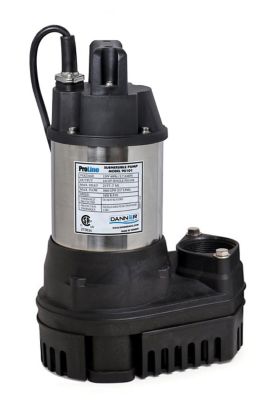
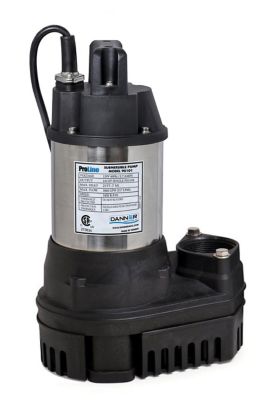
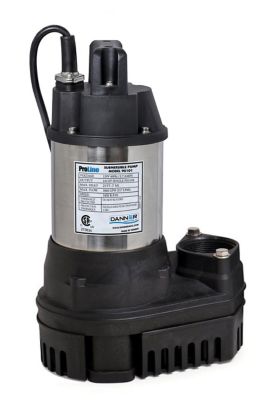
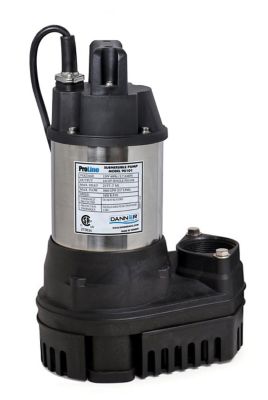
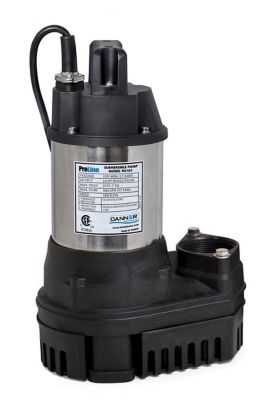
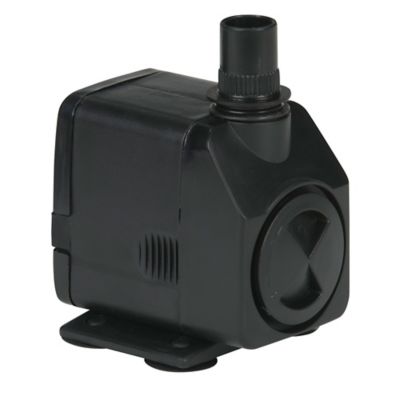
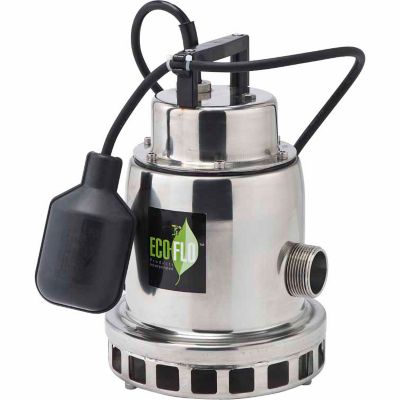
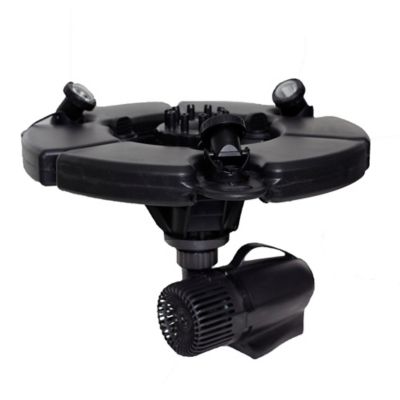
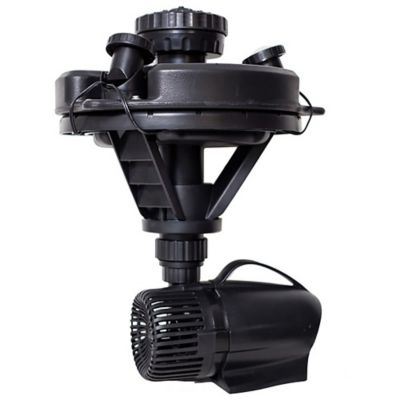
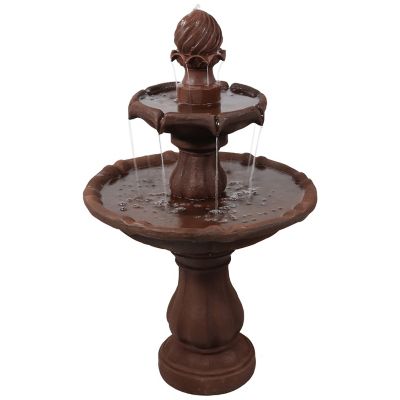
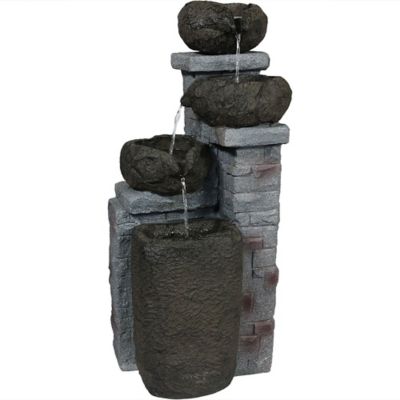
Pond fountain pumps bring movement, sound, and fresh air to everything from a simple patio basin to a stocked backyard pond. As water rises through the fountain nozzle and falls back into the pond, the surface breaks up and helps support oxygen exchange, which can benefit fish and other pond life when the pump is properly sized and used with suitable filtration. The steady splash also adds a little life to a quiet corner of the yard, whether the pond sits beside a garden fence, near a porch, or out by the barn. A small fountain can make a birdbath-style feature feel finished, while a stronger pump can create a taller spray or a wider pattern across a larger pond. When shopping, start with the pond’s water volume and the fountain effect you want, then compare the pump’s gallons-per-hour rating, commonly shown as GPH. A pump rated at 500 GPH moves up to 500 gallons of water in an hour under ideal conditions, but actual flow drops as water has to travel higher through tubing or a fountain nozzle. As a general starting point, many ponds are best served by a pump that can circulate the full pond volume at least once every one to two hours. For example, a 500-gallon pond may call for a pump in the 250 to 500 GPH range, depending on the fountain height, tubing length, filter setup, and the amount of circulation needed. Always check the manufacturer’s lift or head-height specifications rather than choosing by GPH alone. A pump that moves plenty of water at ground level may produce a much smaller spray when it has to push water several feet upward. Nozzle style matters, too: a narrow jet, bubbling dome, and fan-shaped spray can each create a different look while placing different demands on the pump. For smaller water features, browse
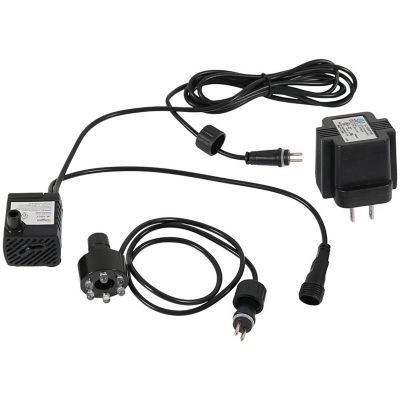
Small Pond Pumps for compact options suited to tabletop ponds, small basins, and modest garden displays.
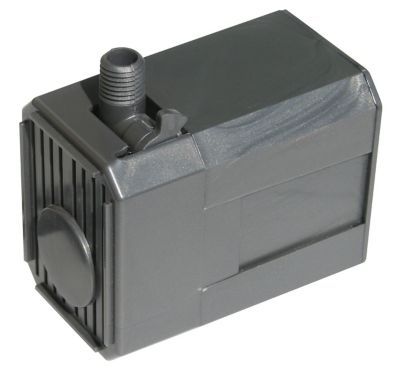
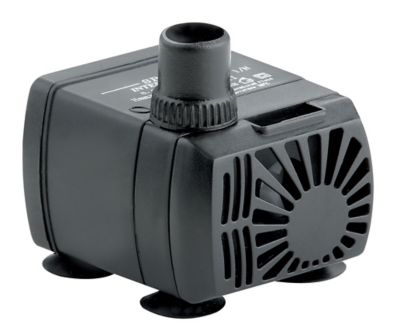
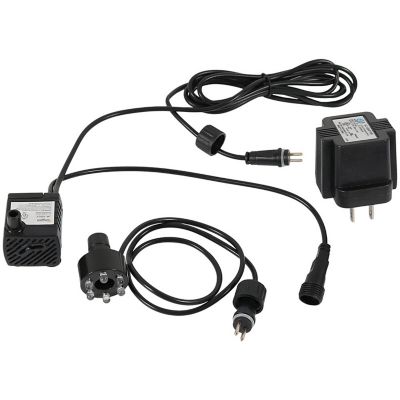
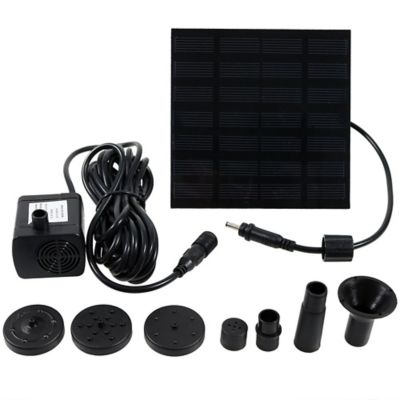
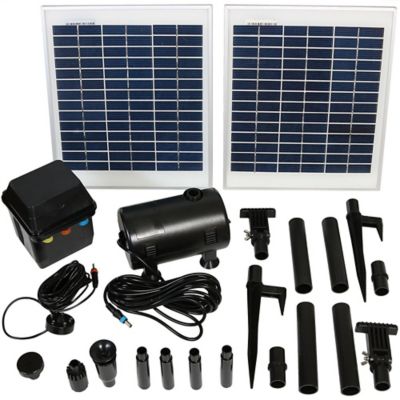
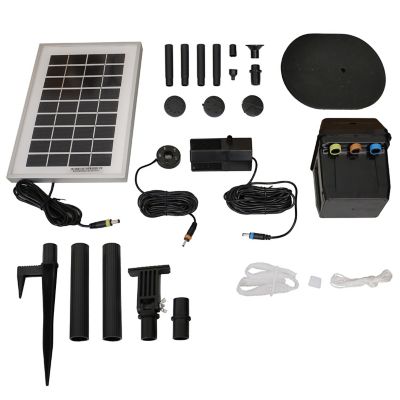
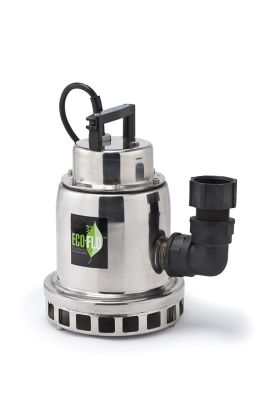
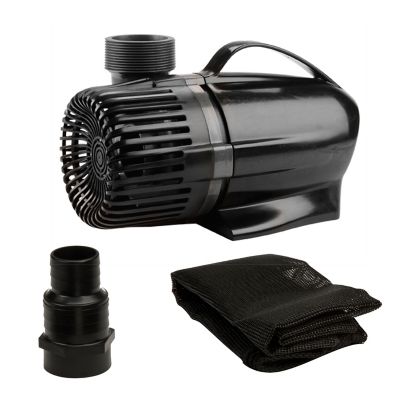
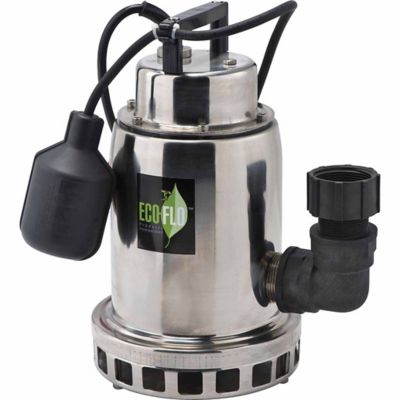
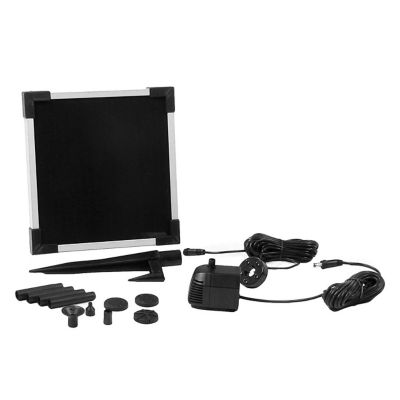
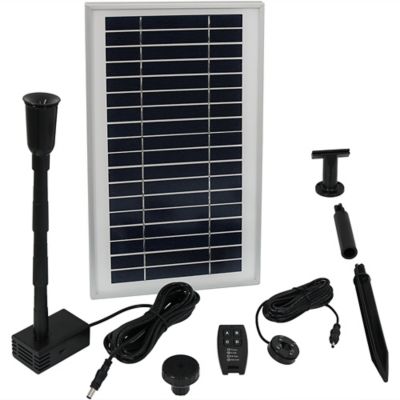
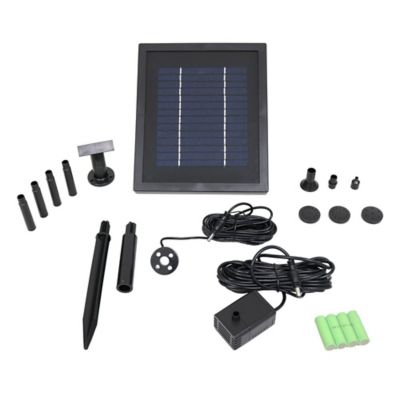
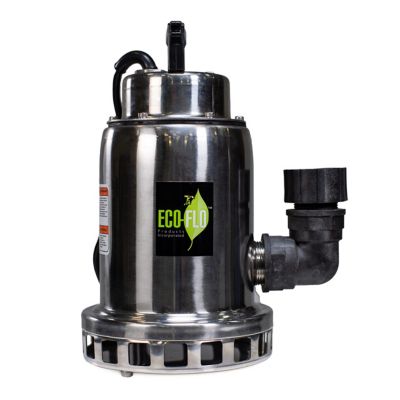
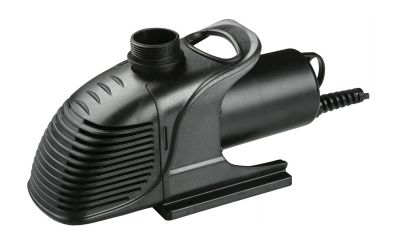
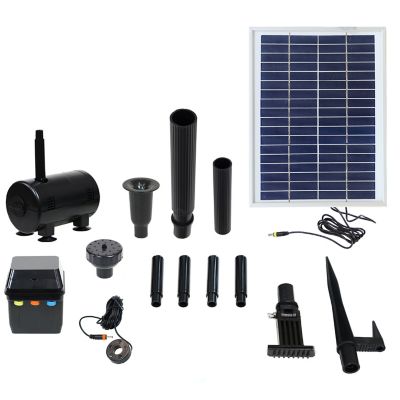
Submersible pond fountain pumps sit directly in the water and are a popular choice for backyard ponds because they are generally quiet, straightforward to install, and easy to pair with a fountain nozzle. They work well when the pump can rest on a stable base or stand above leaves, silt, and settled debris at the bottom of the pond. Keeping the intake off the muck helps reduce clogging and makes routine cleaning easier. External pumps remain outside the pond and connect through intake and return plumbing. They may be a practical fit for larger ponds, higher flow rates, or setups where reaching the pump without wading into the water is important. Since external units can be easier to access for service, they are worth considering when the pond is a main landscape feature or supports a larger fish population. Solar-powered pumps can suit small fountains, birdbaths, and patio ponds where running an electrical line would be inconvenient. Their output depends on available sunlight, so spray height and circulation may change with cloud cover, shade, and the angle of the panel. For any pump, measure the distance from the water surface to the fountain outlet, account for bends and extra tubing, and make sure the included or compatible fittings match the diameter of your tubing. A pump with adjustable flow can be handy when you want to soften the spray, limit splashing, or fine-tune the pattern around nearby plants and seating. If fish such as koi are part of the pond, leave room for their swimming area and choose a setup that supports dependable circulation without creating a current that is too strong for the pond’s size. Fountain pumps are also a thoughtful gift for someone who enjoys gardening, keeps water features, or is putting together a peaceful outdoor sitting area. A compact pump can refresh an old basin or whiskey-barrel-style feature, while a higher-capacity setup can help bring a larger landscape pond into shape.
A little upkeep goes a long way with pond fountain pumps. Leaves, grass clippings, algae, and silt can collect around the intake, especially during the cooler months when wind carries yard debris toward the water. Inspect the intake screen and fountain nozzle regularly, rinse away buildup with clean water, and avoid harsh cleaners that could harm fish, plants, or beneficial pond life. Make sure the water level stays high enough for the pump to remain fully submerged when required; evaporation and splashing can expose a running submersible pump and lead to damage. Use a properly rated outdoor outlet and ground-fault protection, keep cords and connections away from standing water whenever possible, and follow the pump’s installation instructions for safe placement. Fountain spray should fall back into the pond rather than onto nearby walkways, mulch, or electrical connections, since even a small amount of daily splashing can gradually lower the water level or leave a slick surface. During freezing weather, review the pump’s care instructions before leaving it in place. Ice can restrict moving parts, block a fountain opening, and put stress on housings or tubing. Some pond owners remove and clean the pump for storage, while others keep a suitable circulation setup running to help maintain an open area in the ice; the right approach depends on the pump, pond depth, fish, and local conditions. Store removed equipment clean and dry, and check seals, cords, tubing, and nozzles before putting everything back into service as the weather warms. With the right GPH rating, lift capacity, fountain style, and maintenance routine, a pond fountain pump can keep water moving and add a natural, easygoing focal point to the landscape across changing seasons.