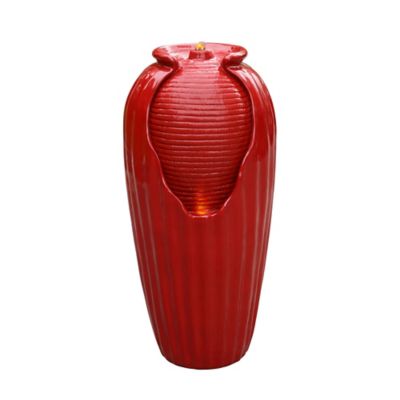
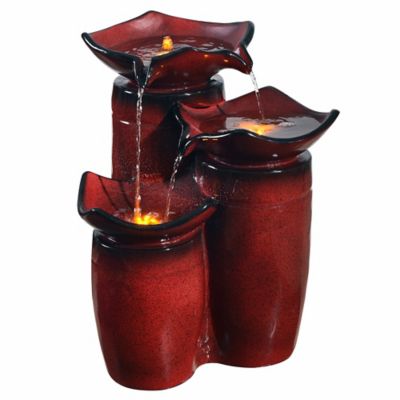
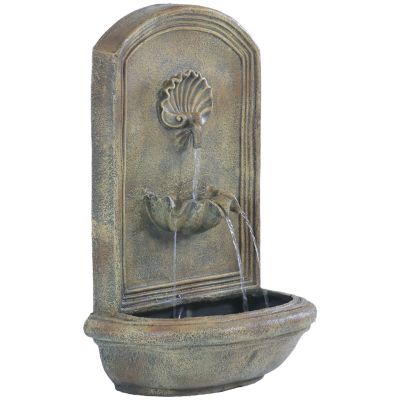
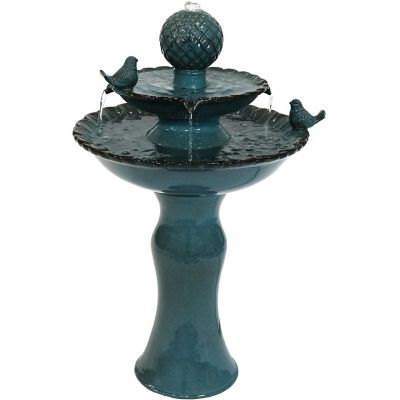
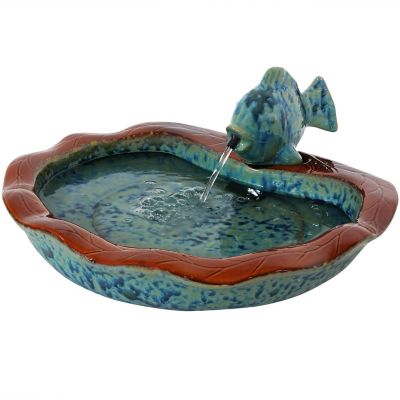
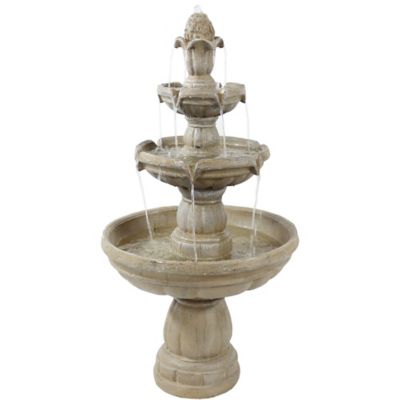
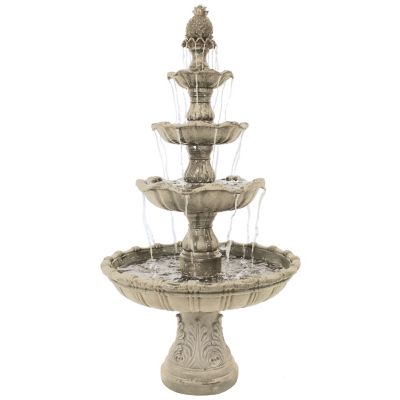
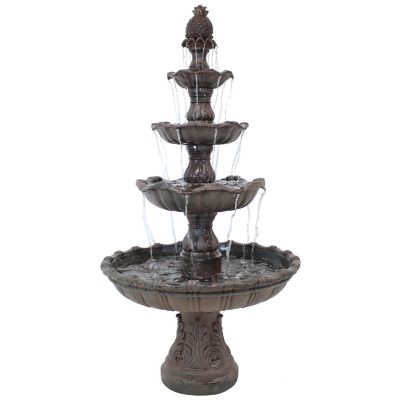
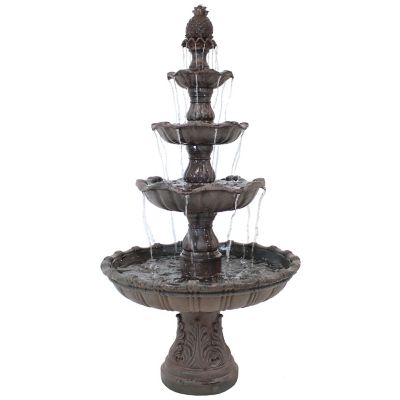
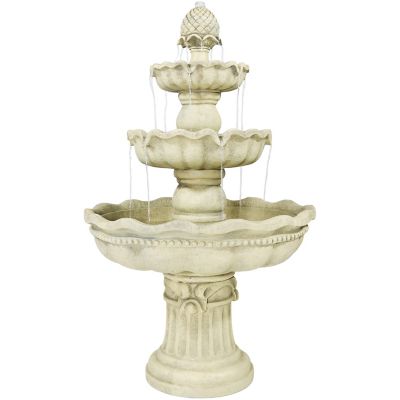
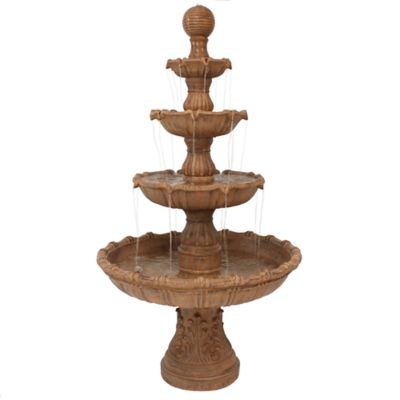
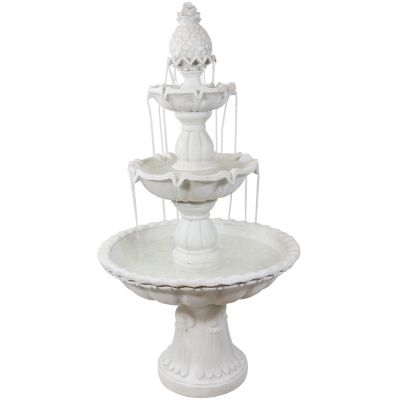
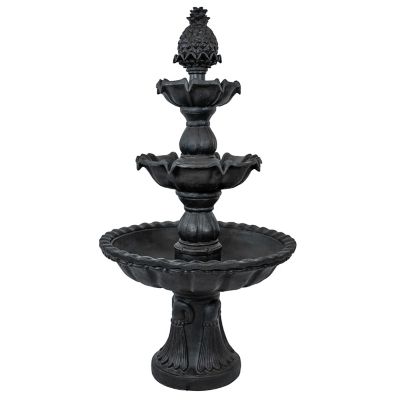
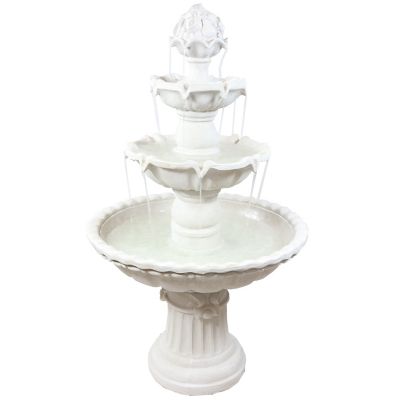
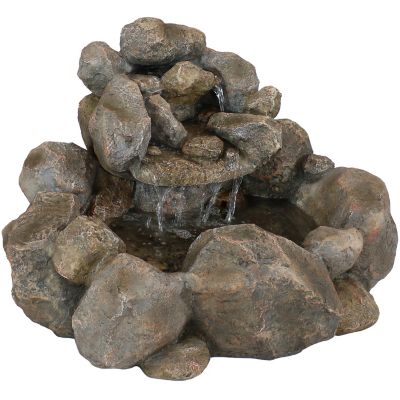
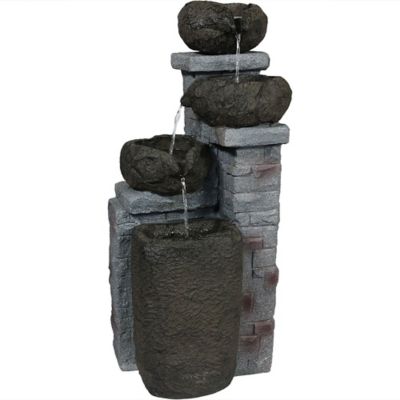
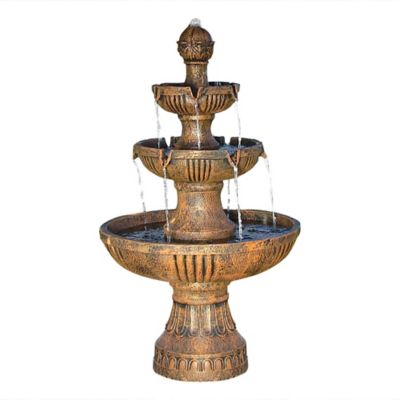
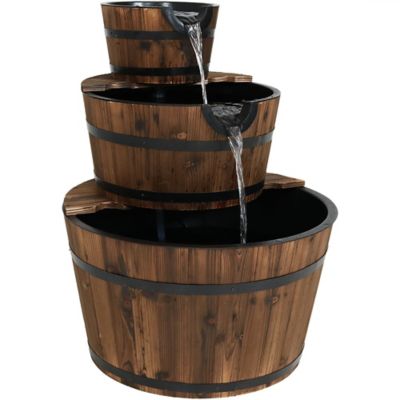
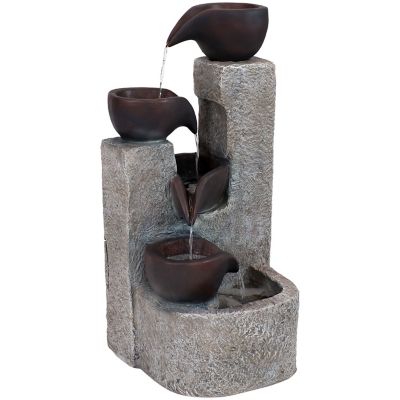
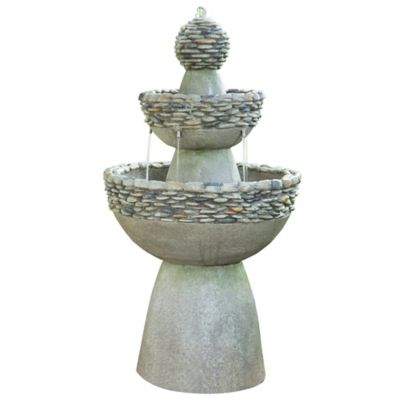
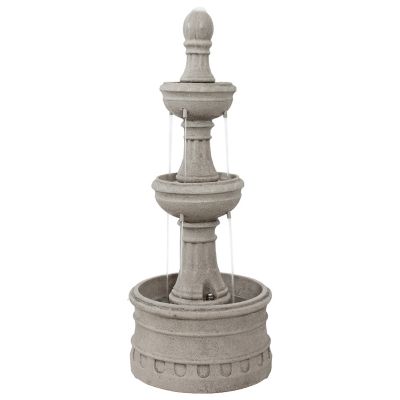
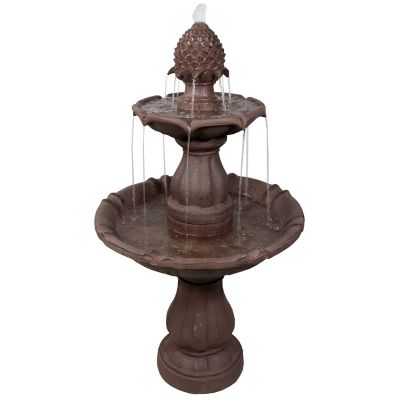
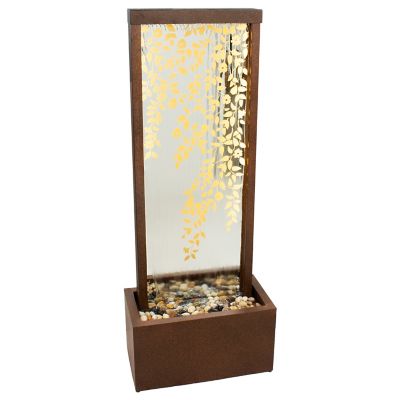
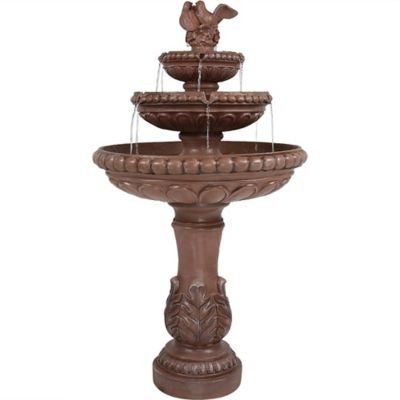
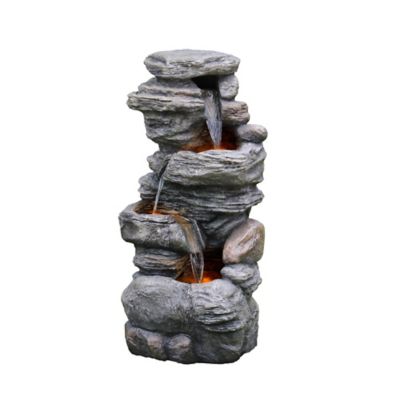
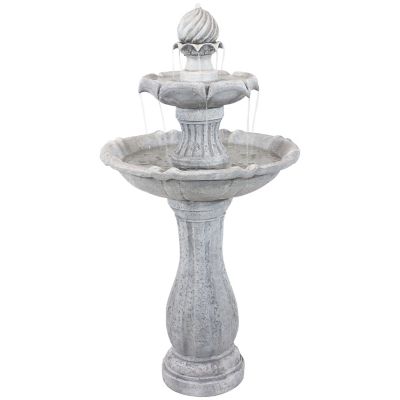
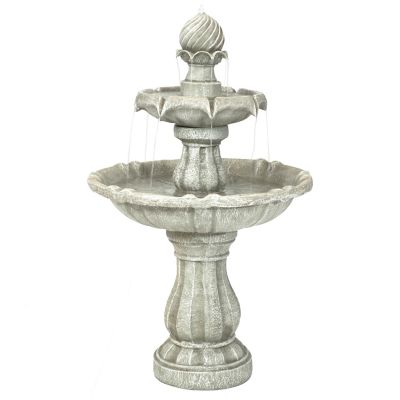
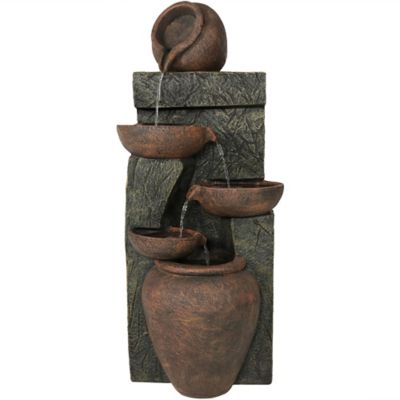
An outdoor water fountain can bring the easygoing sound of a creek or spring right to your yard, porch, patio, garden, or balcony. Whether you are dressing up a flower bed, adding interest beside the front walk, or making a quiet corner near the back door, a fountain gives an outdoor space a little movement and personality. Water fountains for outdoor use come in plenty of shapes and styles, including freestanding designs, wall-mounted features, tiered bowls, waterfall-inspired forms, and sculptural pieces that serve as garden decor even when the pump is turned off. A tiered fountain lets water spill from one basin to the next, while a waterfall style can create a broader sheet of flowing water with a natural look. Sculptural fountains may feature urn-like shapes, rustic accents, or simple modern lines, making it easier to find a design that fits a farmhouse garden, a landscaped lawn, or a smaller patio. The sound can help soften traffic, wind, and other everyday noise, turning a familiar outdoor area into a more restful place to sip coffee, read, visit with neighbors, or watch birds and butterflies pass through. An outdoor fountain may also make a thoughtful housewarming, wedding, birthday, or gardening gift for someone who enjoys spending time outside. Before choosing one, take a good look at the space where it will live. Measure the available footprint and consider the fountain’s height, viewing angle, and the amount of room needed to refill or clean it. A larger feature can anchor a broad garden bed, while a compact fountain may be a better fit for a porch, apartment balcony, or narrow walkway. Keep the surrounding surface in mind, too; a level, sturdy spot helps the fountain run properly and reduces the chance of tipping or splashing onto nearby walls, furniture, or walkways.
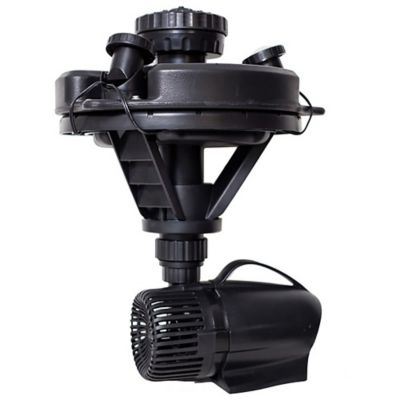
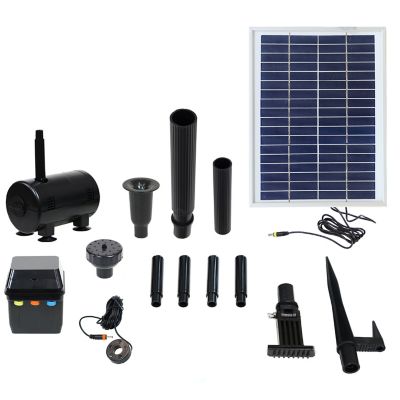
Power, construction, and water circulation are important parts of choosing an outdoor water fountain. Solar-powered fountains use a panel to run the pump and can be convenient for areas without an outdoor outlet, though the flow may change with cloud cover and the amount of direct sunlight available. Electric fountains plug into a suitable outdoor power source and can provide consistent operation, but cord placement and outlet access should be planned before installation. Always follow the included safety directions and use outdoor-rated connections where required. Many fountains use a closed-loop system, meaning the pump continually moves water from the basin through the feature and back again instead of needing a fresh water line. Even with recirculation, water will slowly evaporate, especially during hot, dry stretches or in breezy locations, so checking the water level regularly helps protect the pump and keeps the fountain flowing as it should. Choose a location that gets the right balance of sunlight for the power source while avoiding heavy leaf drop when possible. Nearby trees may add welcome shade, but fallen leaves, grass clippings, pollen, and dust can collect in the basin and clog the pump. Materials such as polyresin, cement, concrete, and metal each bring a different look and care routine. Weather-resistant construction is helpful for outdoor conditions, but no material is completely free from wear. Strong sunlight, standing water, freezing temperatures, and repeated shifts in weather can affect finishes over time. During cooler months, follow care instructions for draining, covering, or storing the fountain if freezing weather is expected. A simple cover can help keep out leaves and debris between uses, while periodic cleaning helps prevent algae, mineral buildup, and stale water. If birds or other wildlife visit your yard, avoid harsh cleaners and rinse the basin thoroughly so the area remains welcoming. Those who keep pets should also place the fountain where curious animals cannot easily knock it over or chew on cords, and should check whether the fountain’s materials and treatments are appropriate for the intended setting.
Details such as lighting, water sound, basin depth, and maintenance access can shape how an outdoor water fountain feels once it is in place. Built-in LED lighting can add a gentle glow after sunset and help highlight moving water during evening gatherings, although a lighted feature may need a nearby power source or additional setup. A softly bubbling fountain may suit a seating area where conversation matters, while a stronger cascade can stand out in a larger landscape with more background noise. Place the fountain where it can be seen from a favorite window, garden bench, porch swing, or outdoor dining area, and leave enough clearance around it to reach the pump and remove the basin when cleaning is needed. In a garden, stones, mulch, ornamental grasses, and hardy plants can help the fountain look settled into its surroundings without crowding the water feature. On a patio, a few planters or a weather-resistant chair can frame the fountain and create a welcoming nook. During warmer weather, the moving water can make an outdoor space feel lively and inviting; as the seasons turn cooler, the same feature can provide a peaceful focal point among changing leaves and late-blooming plants. Keep pets, children, and wildlife in mind when selecting placement, and use care with slippery surfaces caused by splashes or overspray. Helpful items for setup and upkeep can be found with
Fountain Accessories, including supplies that support cleaning, water management, and seasonal care. With the right size, power source, material, and location, an outdoor water fountain can become more than a decorative accent. It can be the spot where you pause after yardwork, where guests gather during a cookout, or where the steady sound of water makes an ordinary evening feel a little more peaceful.