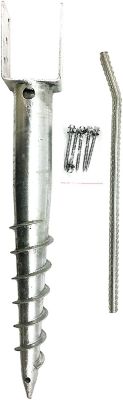
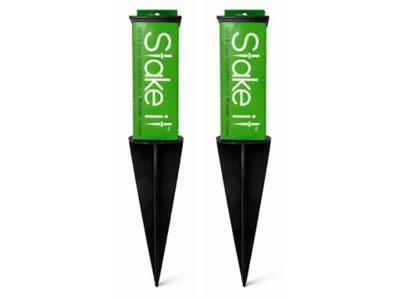
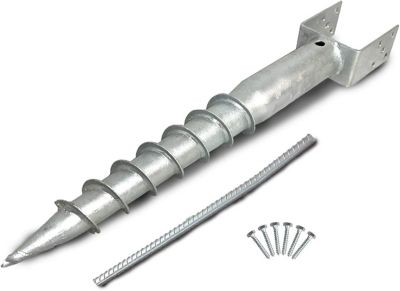
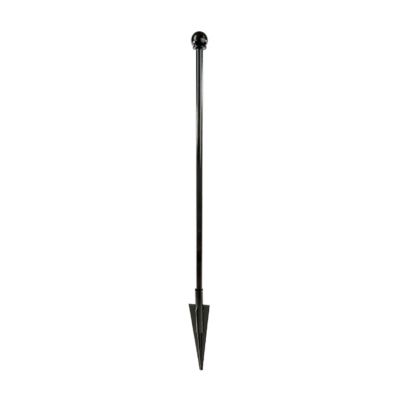
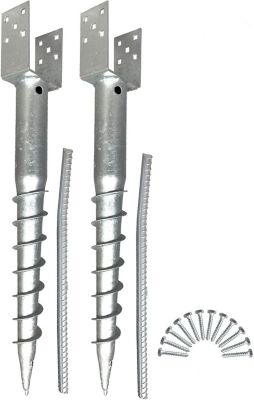
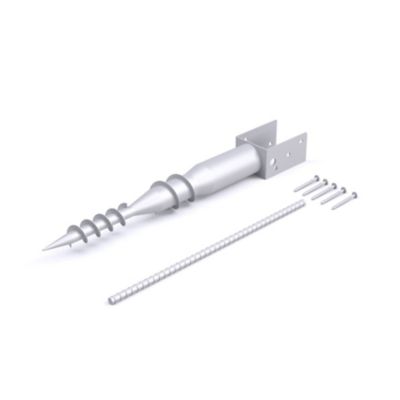
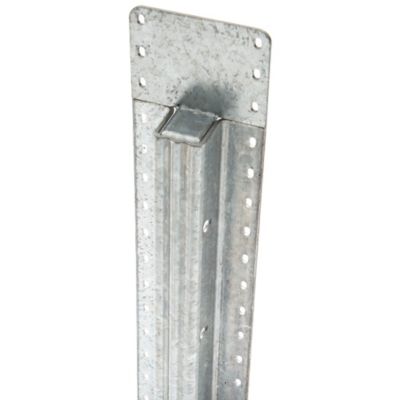
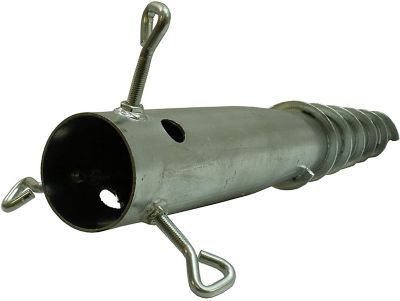
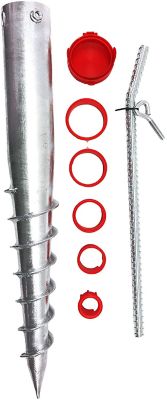
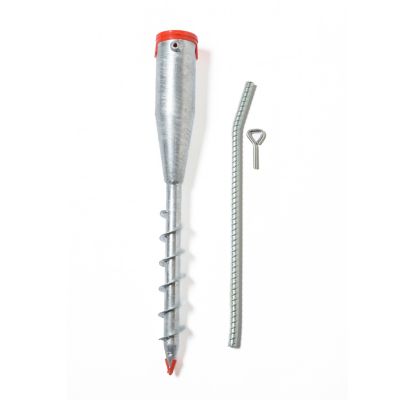
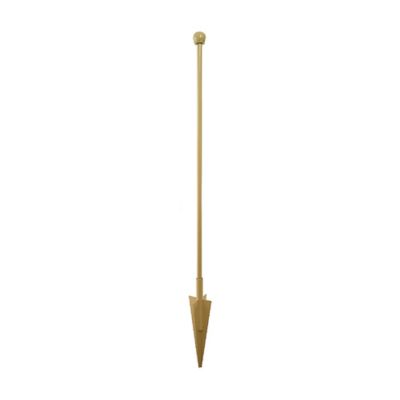
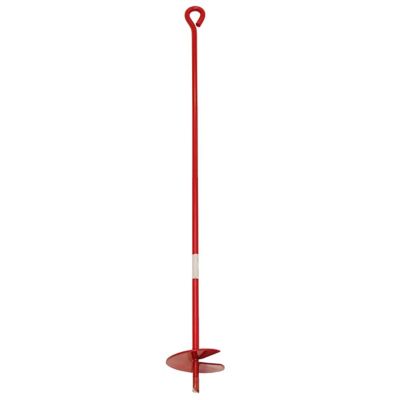
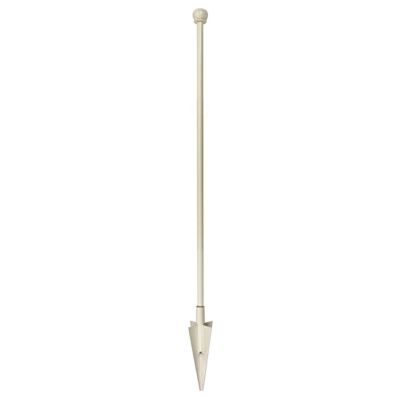
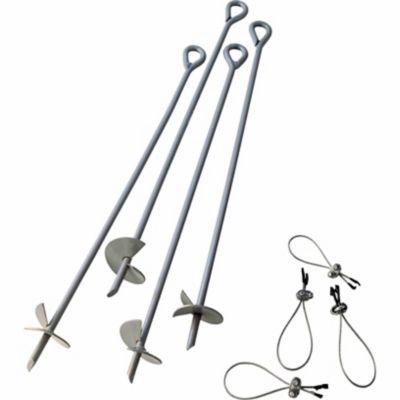
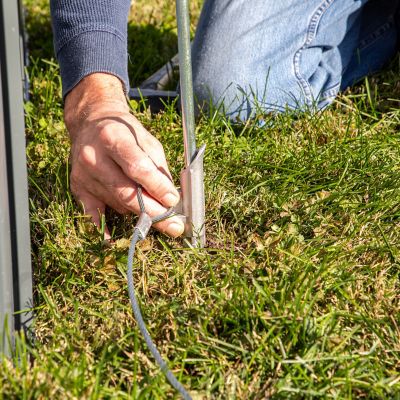
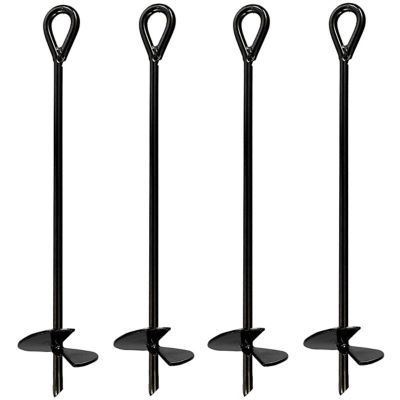
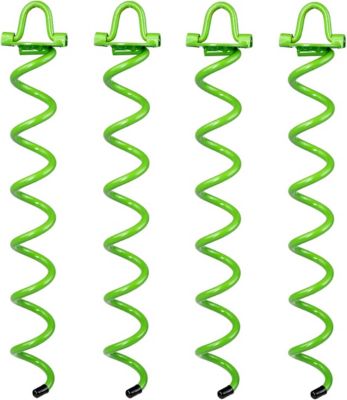
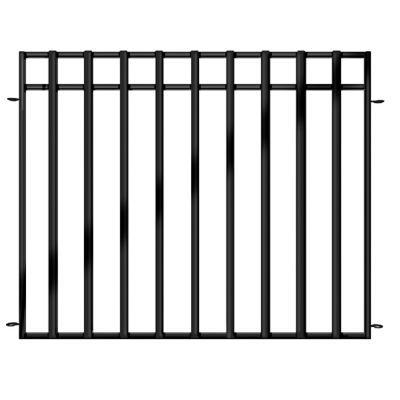
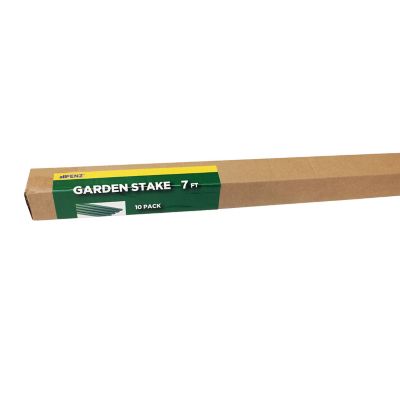
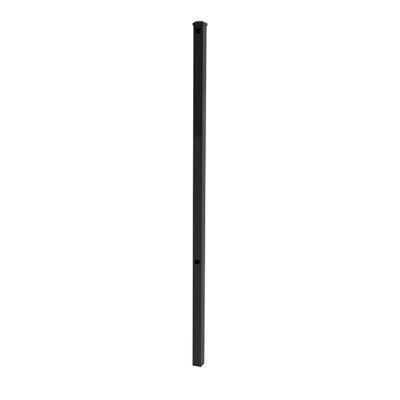
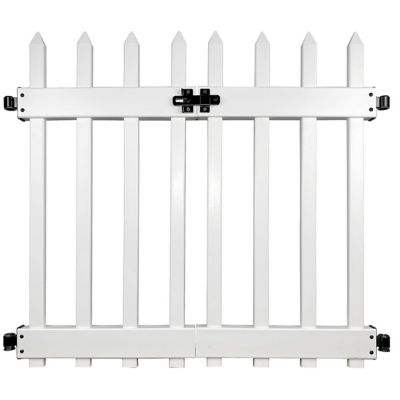
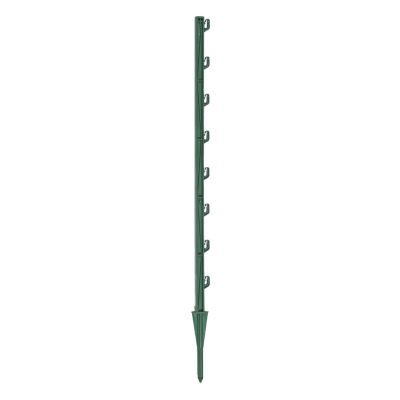
No-dig fence post anchors secure compatible posts in the ground with driven spikes or screw-in supports, replacing the dug postholes and poured concrete footings required by many conventional fence installations. The anchor’s lower section grips the soil, while a socket, bracket or other connection holds the post above it. Drive-in designs typically have a tapered metal spike beneath the post connection; screw-in designs have a ground-engaging section that turns into the soil. Both approaches can simplify certain fence projects, but the right choice depends on the post, fence height, soil and load the anchor is designed to handle. Around a rural property, that might mean a low fence beside the vegetable patch, a boundary along a gravel walkway or a small enclosure near the house. Homeowners, gardeners and property caretakers may appreciate a ground support that avoids digging a full posthole, especially where a modest fence needs a tidy footprint. Still, no-dig does not mean suitable for every location or every fence. A narrow stake intended to steady a garden trellis is not interchangeable with an anchor rated to support a fence post. Tall panels, privacy fencing, gates and animal enclosures can place greater demands on the connection and the ground beneath it. The shape and depth of the anchor matter, but those dimensions alone do not establish its capacity. Manufacturer specifications are the place to check intended applications, compatible posts and installation requirements. Anchors are also only one part of the finished fence: posts, rails, panels and fasteners need to work together as a system. Browsing
No Dig Fencing alongside ground supports can help bring those connections into focus. A fence that looks simple from the porch still depends on a sound match between its above-ground parts and the anchors holding them in place.
Post fit is one of the biggest considerations when comparing no-dig fence post anchors. Square wood posts, round metal posts and system-specific fence posts call for different connections, so a similar-looking bracket is not necessarily a match. For lumber, nominal sizing deserves a close look. A standard surfaced 4x4 wood post commonly measures about 3-1/2 inches by 3-1/2 inches, while rough-sawn lumber can have different dimensions. The anchor’s stated inside measurements and compatible post dimensions matter more than the size name alone. A socket should accommodate the intended post without leaving excessive movement or requiring the post to be forced into place. Some connections have tightening hardware; others depend on designated fasteners or a particular post profile. Bolt locations, bracket height and the amount of post held by the socket all affect how the pieces fit together. Materials and finishes matter, too, particularly because the lower portion stays in contact with soil. Steel is common in ground anchors, with galvanized or powder-coated finishes providing a barrier against corrosion. Those finishes do not make every anchor interchangeable, and scratches or worn areas can expose the metal beneath. Steel thickness, welds, bracket construction and the ground-engaging shape contribute to the support’s strength, though suitability still comes back to the stated application and capacity. Fasteners should match the anchor manufacturer’s requirements and be appropriate for the post material, including pressure-treated lumber where applicable. A wood post connection also deserves attention to drainage and ground clearance when those features are part of the design. Keeping the end of a post away from direct soil contact can help limit moisture exposure, but not every anchor provides the same clearance. For a fence near a barnyard path or garden entrance, these small fit details influence whether the posts stay aligned and the rails meet cleanly, rather than leaving a loose connection that needs repeated attention.
Ground conditions and the job the fence must do are just as important as the anchor itself. Firm soil that allows full installation is different from loose fill, shallow ground over rock or a spot packed with stones and roots. A spike that cannot reach its specified depth, or a screw-in support that cannot seat properly, may not provide the intended hold. Even a well-fitted post can lean if the surrounding soil cannot resist the loads on it. Fence height, panel weight and post spacing all contribute to those loads, while corners and gates can require support beyond what a straight, lightweight run needs. A gate adds movement and leverage each time it swings, making its hinge post a different task from a post holding a short garden panel. For livestock or pet containment, the entire fence system needs to suit the animals involved; an anchor intended for a small landscape boundary should not be assumed sufficient for a cattle fence or a dog enclosure. Local requirements and property boundaries also remain part of planning, regardless of whether concrete is involved. Driving or screwing metal into the ground can reach buried utilities, so contacting 811 before ground penetration is an important precaution. Once installed, anchors benefit from routine checks for loose connections, post movement, bent metal and damaged finishes. A gate that begins dragging or a rail that no longer lines up can signal a change at the post or ground support, not just a problem with the panel. Care should follow the manufacturer’s recommendations, including any guidance for fasteners and finish touch-ups. No-dig fence post anchors can be a practical fit for suitable projects around the yard, garden or acreage, with less excavation than a conventional footing. Their value comes from choosing the right connection and ground support for the fence’s everyday work, whether that is marking a tidy boundary or supporting a compatible enclosure.