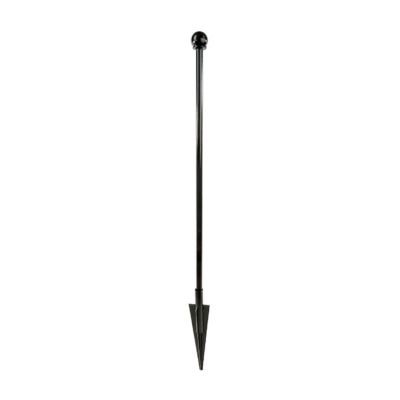
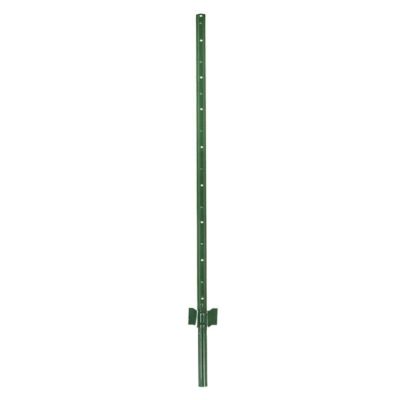
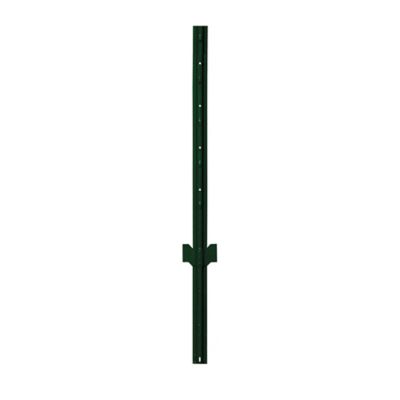
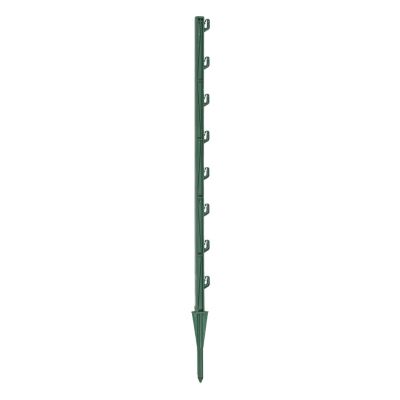
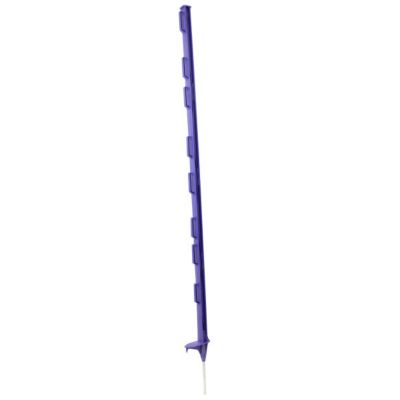
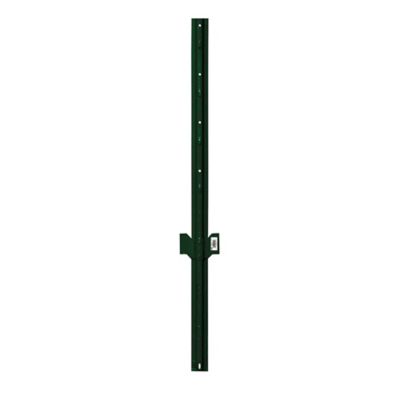
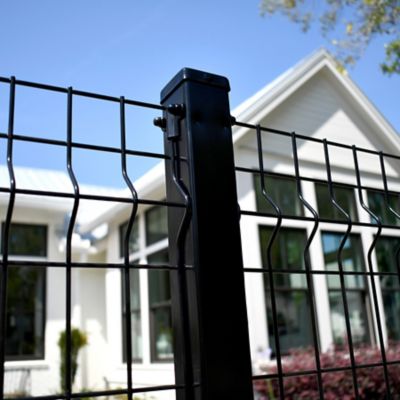
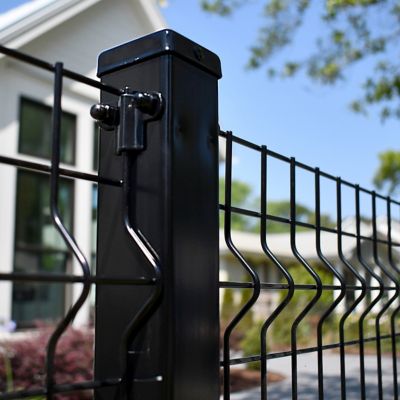
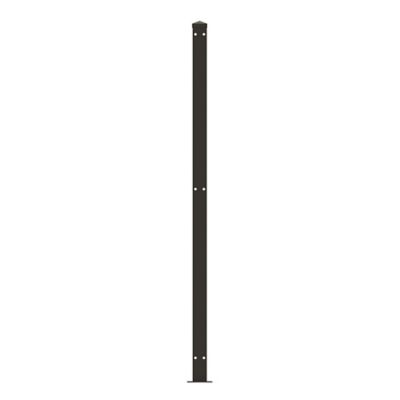
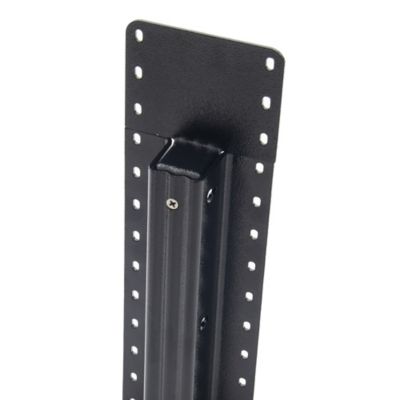
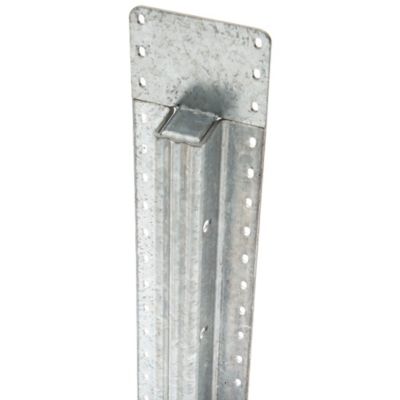
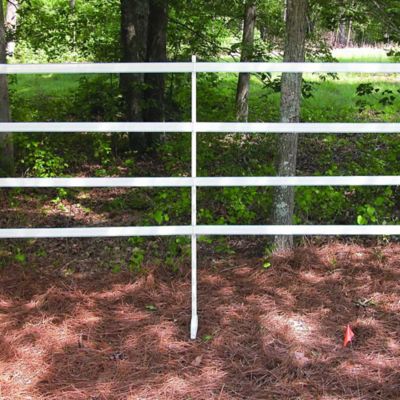
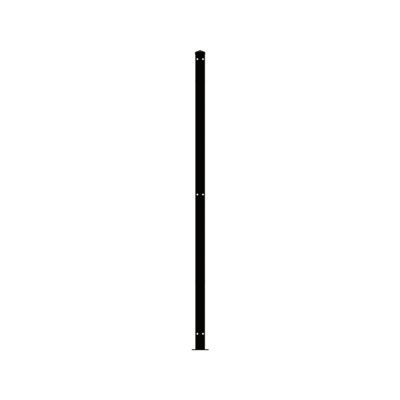
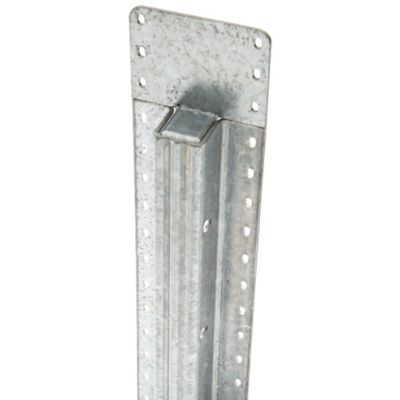
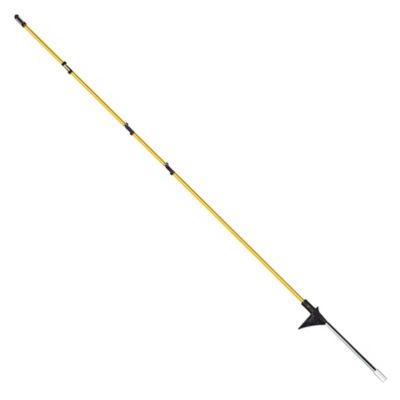
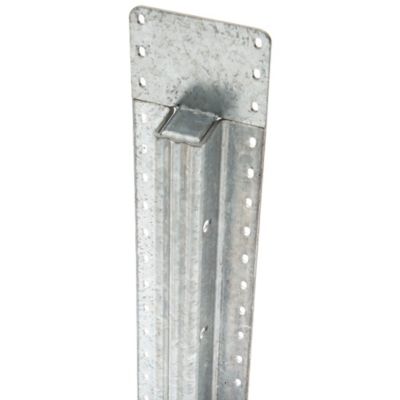
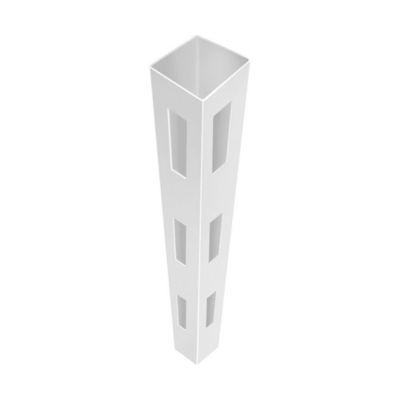
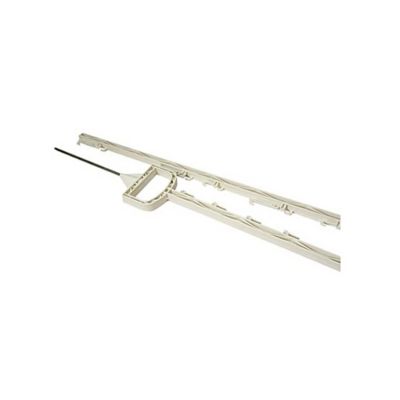
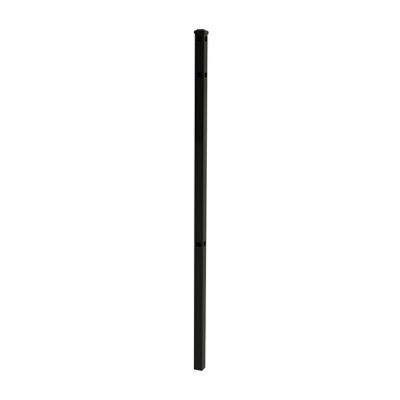
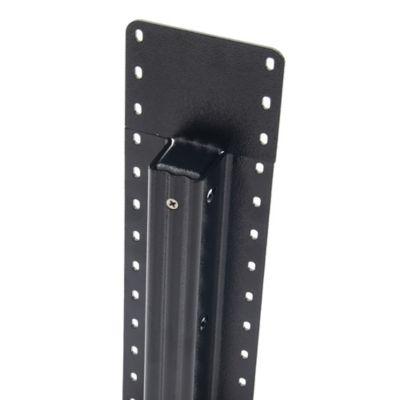
Garden fence posts form the supporting framework for wire mesh, garden panels, boards, and other fencing around a growing space. They hold the fence upright, help maintain its shape, and provide attachment points along the fence line. The right match depends on the fence material, the height of the enclosure, the ground it sits in, and what the fence needs to keep out. A low border around a kitchen garden has different support needs than a tall enclosure meant to discourage deer. Common garden fence post materials include steel and wood, with vinyl, composite, and fiberglass options suited to certain fence systems. Steel posts can provide a slim profile for wire fencing without taking much space away from a narrow garden path. T-posts and U-posts have different shapes and attachment features, so their clips, tabs, or holes need to match the fencing and fasteners. Wood posts offer a broader fastening surface for boards, rails, and framed sections, giving a garden enclosure a familiar farmstead look. Ground-contact suitability matters for wood that extends into the soil; not every treated board or post carries the same rating. Vinyl and composite posts can offer a finished appearance with less surface upkeep, though some designs are sleeves that need a separate structural post inside. Fiberglass posts may fit lighter fencing or certain electric fence systems, but their load limits and attachment requirements still matter. Material alone does not tell the whole story. A post’s dimensions, wall thickness where applicable, construction, and intended application all affect how much support it provides. For a small vegetable patch beside the house, a straightforward wire-and-post setup may leave plants easy to see and tend. Around a larger garden near a pasture or wooded edge, stronger supports and a fence selected for the animals in the area become more important. Matching the posts to that everyday job helps create an enclosure that fits the property rather than simply marking its edges.
Fit starts with the full fence assembly, not just the height printed on a post. Part of an in-ground post sits below the soil surface, so its overall length needs to account for both the exposed fence height and the required embedment. The appropriate depth and spacing depend on the post design, soil conditions, fence weight, and manufacturer’s directions. Loose fill, rocky ground, and firm native soil can each call for a different approach to support. Fence height also affects leverage: a tall panel puts different demands on a post than a short stretch of open mesh. Solid boards create a different load than open wire, and long runs of tensioned fencing need properly supported ends and corners. Line posts support the stretches between those points; corner, end, and gate posts may need more substantial construction or bracing. A gate adds its own weight and repeated movement, making hinge attachment and latch alignment part of the post selection. An opening wide enough for a wheelbarrow or garden cart can make everyday chores easier, but that wider gate also needs a support arrangement that suits its size. For gardens with wood rails or boards,
Metal Fence Posts for Wood Fence offer another support option when paired with compatible brackets and fasteners. Those connections matter just as much as the post itself. Wire clips should fit the post profile and wire dimensions, while screws, staples, and brackets need to suit the materials they join. Fastener compatibility is especially important with treated lumber and coated metal, where the wrong combination can contribute to corrosion. Mesh openings and the gap along the ground matter, too. Posts support the barrier, but they cannot make large-opening fencing stop small animals or prevent a determined animal from digging underneath. Rabbits, deer, and household pets each present different challenges, so fence height, mesh size, bottom-edge treatment, and gate gaps all deserve attention alongside post strength. Before any driving or digging, underground utility locations and applicable property rules also belong in the planning.
Care and service life depend on the material, the finish, and the conditions at the ground line. Steel garden fence posts may have galvanized or painted surfaces that help limit corrosion, but cut ends, deep scratches, and damaged attachment points can leave metal more exposed. Wood posts benefit from a treatment rating appropriate for their placement, with particular attention to the section where soil and air meet. Treatment labels and manufacturer guidance are worth checking for installations near edible crops, especially where a post could touch growing soil or a raised bed. Vinyl and composite surfaces generally call for cleaning rather than painting, although the supporting structure and hardware still need inspection. Across materials, a leaning post, a loose clip, or a sagging gate can put extra strain on the rest of the fence. Catching those changes early helps keep a small repair from turning into a longer stretch of work. Smooth attachment points and properly finished post tops also matter around narrow paths where a sleeve, hose, or tool handle can catch on an exposed edge. Garden layout influences the best post arrangement as much as appearance does. A fence close to a planting bed should leave enough room for reaching vegetables, pulling weeds, and moving tools without rubbing against wire. Posts beside a mower path need clearance that keeps routine trimming manageable. Removable sections can help with access where the fence system supports them, while a permanent enclosure may call for firmer anchoring and a dedicated gate. For backyard growers, small-acreage households, and folks tending a shared garden, the goal is much the same: a boundary that supports the chosen fencing without getting in the way of the work. Well-matched garden fence posts keep the enclosure orderly, leave access where it is needed, and provide a sound foundation for the fence material above ground. Their value comes from the whole setup working together, from the buried support to the last gate latch.