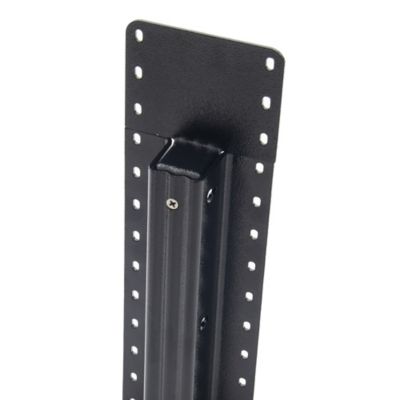
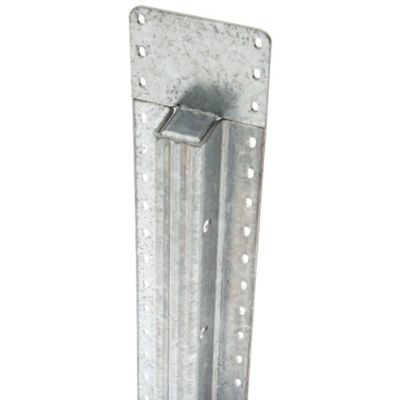
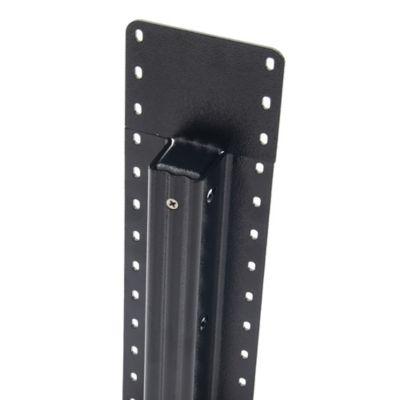
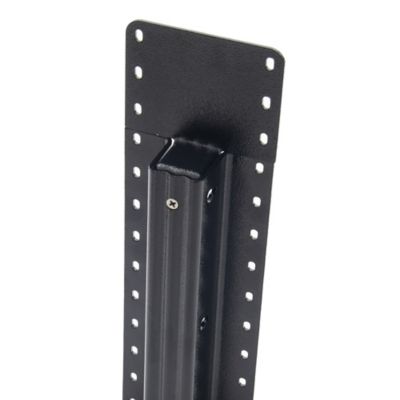
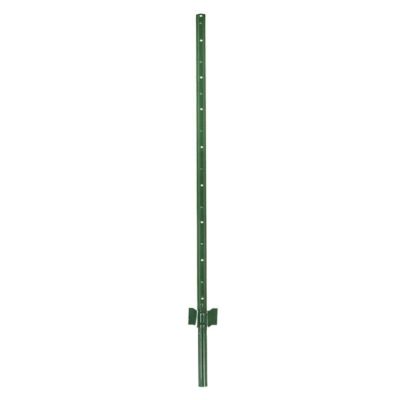
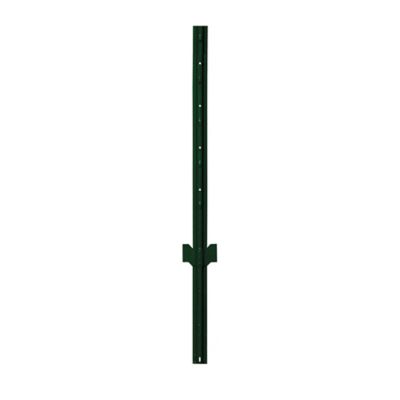
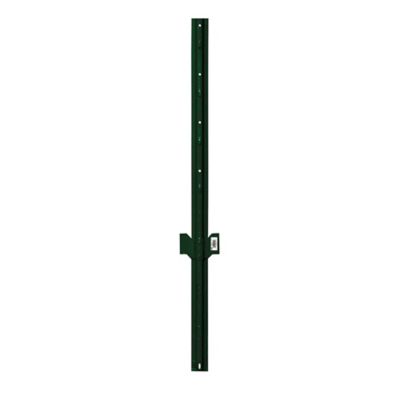
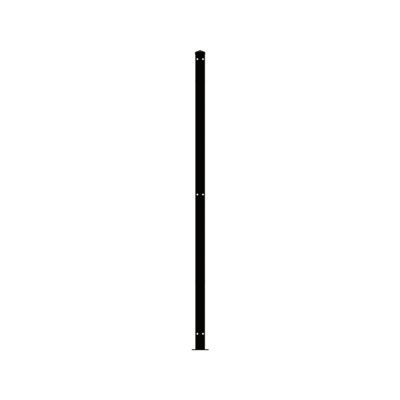
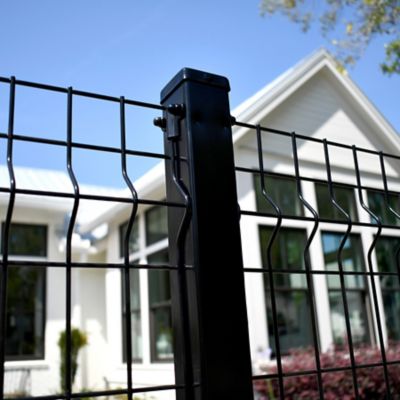
Metal fence posts for a wood fence provide the structural support behind wood rails, pickets, and panels, combining a steel framework with the familiar look of a wood fence. They suit backyard privacy fences, garden boundaries, and fence lines around rural homes where straight posts and secure rail connections matter. Steel does not rot, split, or develop the grain-related twisting that can affect wood posts, although it still needs protection against corrosion. That difference can make metal a practical choice when replacing deteriorated wood supports or planning a new fence with long-term upkeep in mind. Service life depends on the steel thickness, protective finish, soil conditions, installation, and care; there is no single lifespan that applies to every post. Common shapes include round tubing, square tubing, and formed channels, with each shape calling for a compatible way to attach the lumber. Some post systems remain visible along the fence, while others fit behind rails or within a wood enclosure for a mostly wood appearance. A
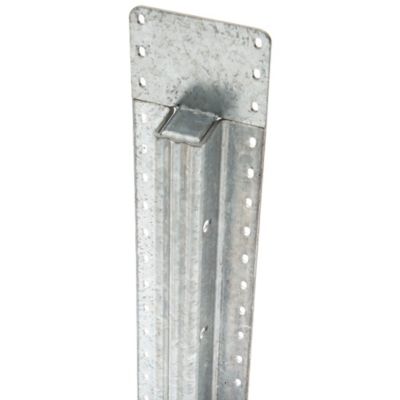
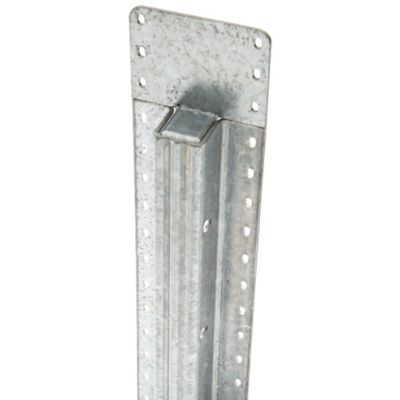
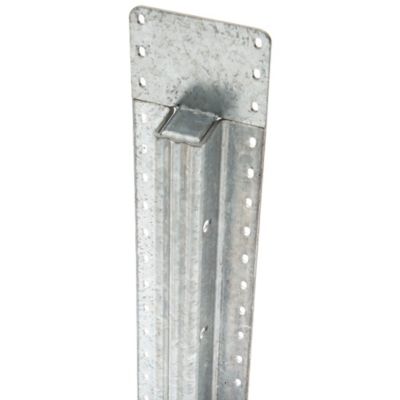
galvanized fence post has a zinc coating that helps protect the steel from corrosion, an important consideration where the post contacts soil or other moisture-holding materials. Painted and powder-coated finishes offer another appearance, but the underlying corrosion protection still matters, especially around scratches, holes, and cut ends. Post width alone does not tell the whole story about strength. Steel wall thickness, the shape of the post, its unsupported height, and the demands of the fence all affect how it performs. A tall fence with closely spaced boards places different demands on its supports than a low, open picket fence. Those differences make the intended fence height and construction more useful starting points than appearance alone. For a working property, the right match is a post that supports the planned lumber, accepts the necessary hardware, and fits the way the fence will serve the space.
The connection between the wood and metal deserves as much attention as the post itself. Wood rails need brackets, adapters, or attachment points designed for the post profile and the rail dimensions. A bracket intended for round tubing will not necessarily fit a square post, and hardware for one channel shape may not fit another. Lumber dimensions also matter: a board’s nominal size is not always its actual measurement, so rail fit should come from the connection specifications rather than the name printed on the lumber. Some arrangements hold rails between posts, while others fasten them across the face, changing the finished layout and the amount of exposed metal. Concealed-post designs can keep the steel less noticeable from the yard, but they still need accessible, secure connections. For fences built from assembled panels, post spacing must match the panel dimensions and mounting method. For fences assembled from separate rails and boards, spacing depends on the permitted rail span and the post system’s requirements. A familiar spacing measurement is not a substitute for those limits. Corners, ends, and gates also need separate consideration because they do not carry loads in the same way as an uninterrupted fence run. A gate post carries the gate’s weight and the leverage created as it swings, so an ordinary line post may not be suitable. Gate width, hinge placement, latch alignment, and any required reinforcement belong in that comparison. Ground that rises or falls adds another fit concern: a stepped layout and a sloped layout require different allowances at the rails and brackets. Pressure-treated lumber adds a hardware consideration of its own. Fasteners and connectors should be compatible with both the treatment chemicals and the metal components, following the relevant manufacturers’ recommendations. Correctly matched screws, bolts, and brackets help keep joints secure without creating avoidable corrosion problems. On a fence beside a driveway or around a busy yard, those small connection details influence how straight the rails stay and how neatly the gate closes.
Post length includes more than the part visible above ground. The embedded portion, finished fence height, ground clearance, and attachment locations all affect the length needed for a particular layout. Soil conditions and the selected installation method determine how the support transfers loads into the ground. Driven posts and concrete-set posts are not interchangeable approaches for every design, and embedment depth should follow the post system’s requirements and applicable local rules. A taller or more heavily loaded fence may need different supports rather than simply a longer version of the same post. Property boundaries, easements, and local fence-height limits can also influence the layout before any holes are made. Contacting 811 before digging helps identify marked underground utilities; private lines may require separate locating. Once a fence is in place, metal posts generally call for different care than wood posts, not an absence of care. Periodic checks around the ground line, brackets, bolt holes, and gate hinges can reveal coating damage, loosened hardware, or early corrosion. Soil, grass clippings, and other debris piled against exposed metal can hold moisture against the finish, so keeping those areas clear supports easier inspection. Any coating repair should match the post manufacturer’s recommendations, particularly where drilling or cutting has exposed bare steel. Compatible caps help keep debris out of hollow posts, while smooth covers or finished edges can reduce exposed sharp points around paths and gates. The wood portions still need their own attention, including checks for loose boards, damaged rails, and lumber that holds moisture against a connection. Metal supports do not turn an ordinary wood fence into livestock fencing or make it suitable for every animal enclosure; board spacing, fence height, hardware, and the animal’s behavior remain important. For homeowners and property owners who want wood panels with steel support, properly matched posts offer a practical foundation without changing the fence’s familiar character. The strongest match comes from considering the posts, lumber, connections, gate supports, and ground conditions as parts of the same fence.