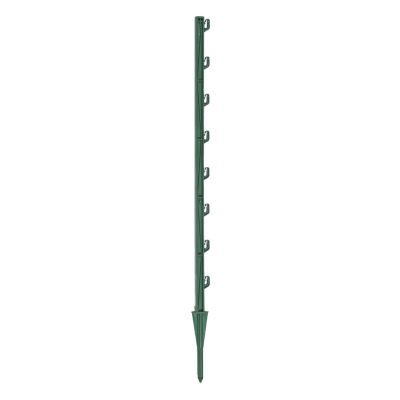
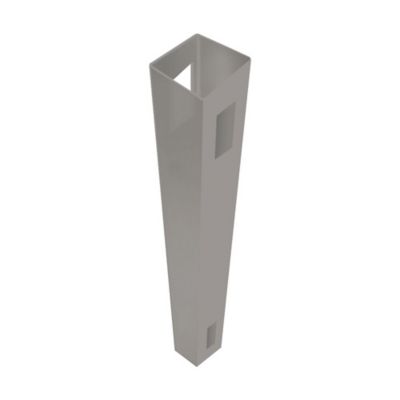
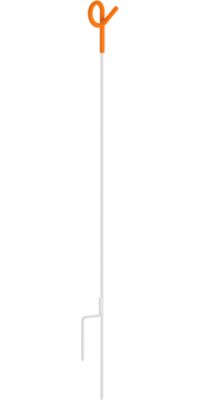
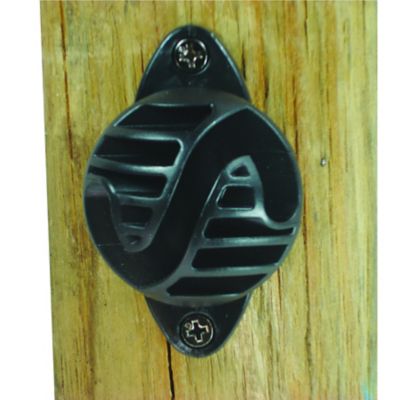
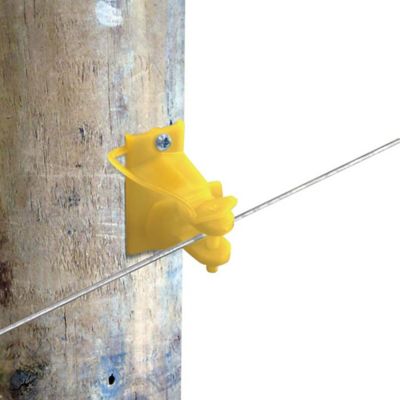
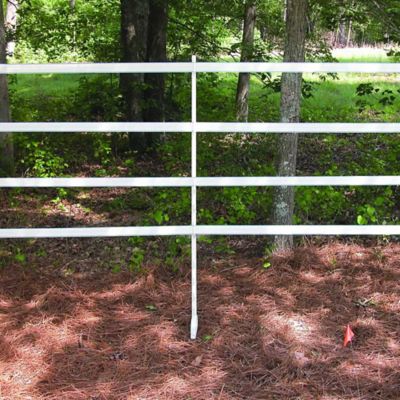
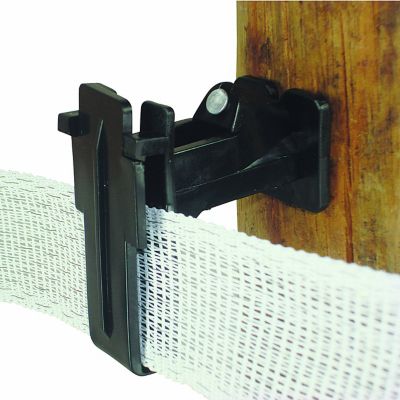
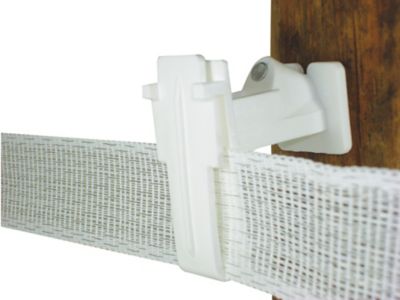
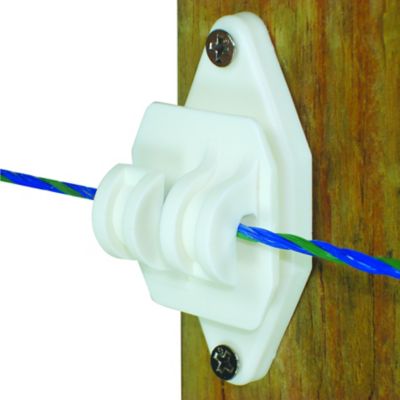
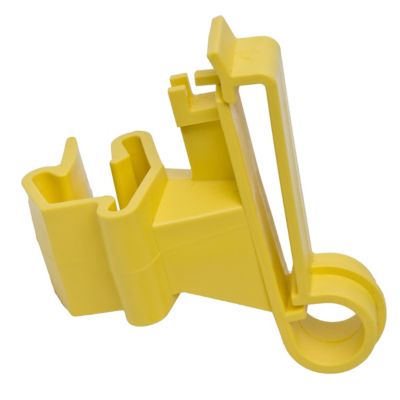
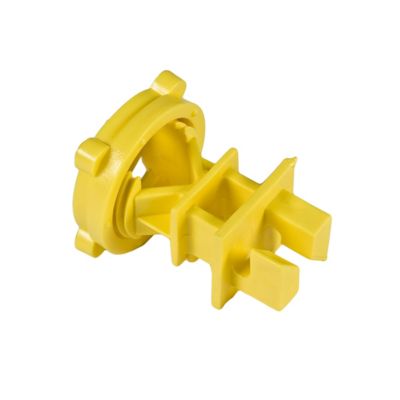
Plastic fence posts support a range of fencing setups, from movable electric lines across a pasture to permanent rail fencing around a yard or paddock. The main differences come down to construction, height, and the type of fence each post is built to carry. Lightweight step-in posts commonly have a molded plastic body, a foot tread, and a metal ground spike. Many have several clips or slots for electric fence wire, polywire, polyrope, or polytape, though compatibility varies by design. These posts suit temporary pasture divisions and other light-duty layouts where moving a fence is part of the routine. A livestock owner dividing a grazing area into smaller sections has different needs than a homeowner planning a fixed fence beside the driveway. Permanent plastic fence posts may be made from rigid PVC, also called vinyl, or recycled plastics such as high-density polyethylene. Depending on the system, they can be hollow profiles, solid members, or sleeves that fit over a separate structural support. Those distinctions matter: a sleeve gives a supporting post a finished exterior, but it does not necessarily provide the strength of a stand-alone post. Plastic itself does not rot or rust, and it avoids the wood splinters that can make handling rough lumber a chore. Metal spikes, fasteners, and internal supports still have their own care requirements. Many plastic surfaces need no painting or staining, making them a practical fit for folks who would rather spend time tending animals than refinishing fence lines. The right choice starts with the job, whether that means carrying a few strands of electric fencing, holding compatible rails, or supporting another approved fence system. Shape alone does not tell the whole story. A broad square post, a slim step-in stake, and a solid recycled plastic line post can all belong in this category while serving very different purposes around a farm, acreage, or backyard.
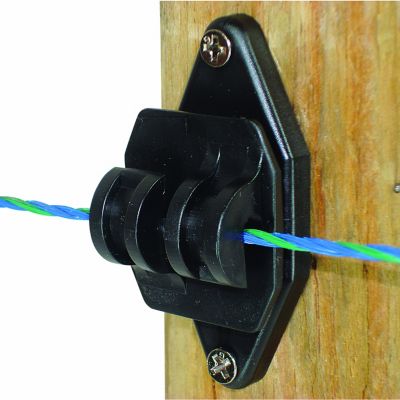
For temporary electric fencing, the details that matter most are often the ones noticed while carrying an armload of posts down a pasture lane. Post weight, grip, foot-tread placement, and spike length affect how manageable the setup feels, especially when the line moves often. Molded attachment points at several heights give flexibility in strand placement, but the number of slots is only part of the fit. A clip intended for narrow polywire may not accept wide polytape, and a rope opening may have a stated diameter limit. Matching those attachment points to the conductor helps keep the line seated without forcing it into an opening that could pinch or damage it. Overall post length and installed fence height are not the same measurement, since part of the post or spike goes into the ground. The useful height is the portion above ground, along with the position of the highest attachment point. That distinction matters when comparing a low garden boundary with an electric fence intended for livestock. Soil conditions also affect how firmly a step-in post stands; hard-packed ground can make insertion difficult, while loose soil may offer less support. These lightweight posts generally serve as line supports rather than anchors for a tightly stretched fence. Corners, ends, gateways, and sharp changes in direction usually need stronger supports suited to the pull of the conductor. A line that looks straight across level ground may also need a different layout where it crosses a dip or rises over a knoll. Manufacturer guidance on spacing, installation, and conductor tension helps match the posts to those conditions. Plastic step-in posts alone do not make an effective livestock enclosure. Electric fencing also depends on a suitable energizer, grounding, sound connections, vegetation management, and animals familiar with the boundary. Where animals may crowd a gate, lean against a fence, or push toward feed on the other side, light temporary posts should not be expected to resist that pressure. Their strength is in supporting an appropriate movable fence system, not replacing a substantial physical barrier.
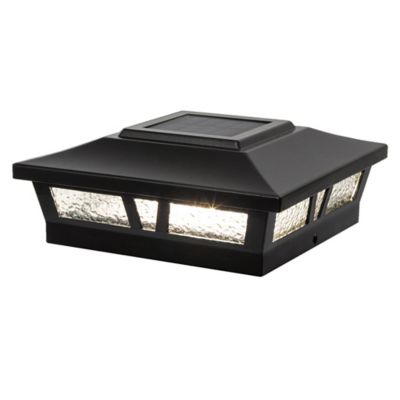
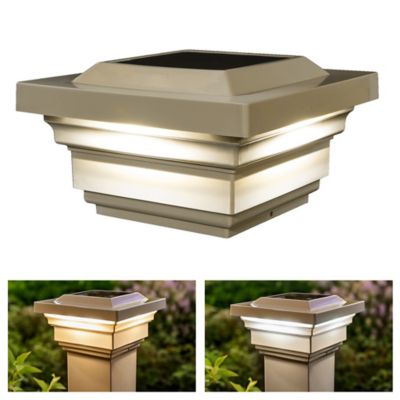
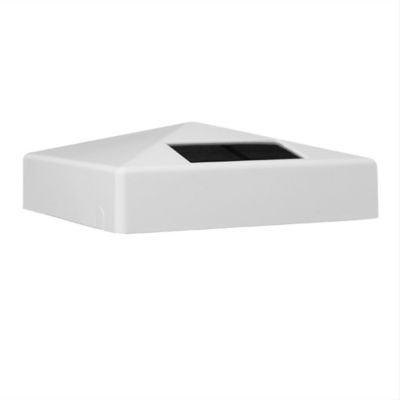
Permanent plastic fence posts call for a closer look at the whole fence assembly. Post dimensions, wall thickness, internal reinforcement, and rail or panel connections determine whether the parts belong together. In a routed rail system, line posts, corner posts, and end posts have openings arranged for different positions, so they are not always interchangeable. A gate opening adds another consideration because hinges and latches place loads on the supporting posts that an ordinary line post may not be built to handle. Gate supports may need reinforcement or a different installation method specified by the fence manufacturer. Solid recycled plastic posts and hollow vinyl posts can also differ considerably in weight, fastening requirements, and structural capacity. Neither material name alone establishes suitability for livestock fencing or a heavy gate. For a long run along a property edge, the intended fence height, ground embedment, terrain, and local requirements all belong in the planning. Material flexibility matters as well: some movement may be expected, but persistent leaning, cracked attachment points, or loose rails warrant attention. Plastic can bend or break under substantial impact, and a fence beside equipment traffic needs placement that leaves room for tractors, trailers, and implements to pass. Routine care is generally straightforward. Mild soap, water, and a soft brush can remove dirt from many plastic surfaces, with the manufacturer's cleaning directions taking precedence over strong cleaners or abrasive tools. Periodic checks around ground level, fasteners, rail openings, and gate hardware help reveal trouble before a small movement becomes a sagging section. For hollow posts designed to accept caps, properly fitted
Fence Post Tops can close off exposed openings and give the fence a finished look; the cap must match the post's actual exterior dimensions and attachment style. Keeping measurements and connection details consistent across posts, rails, hardware, and caps makes the finished fence easier to maintain. Whether the setting is a small homestead, a horse property, or a backyard garden, plastic fence posts make the most sense when their construction matches the load and the way the fence will function day after day.