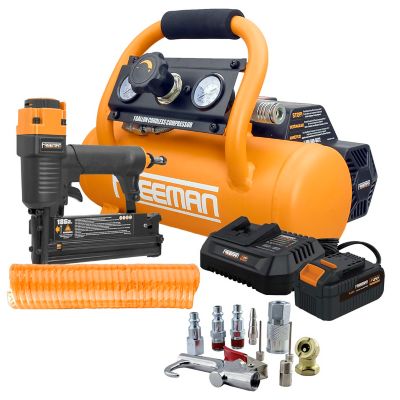
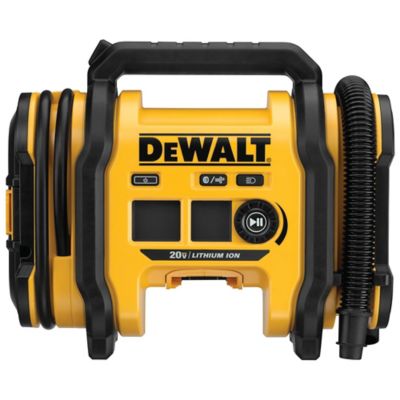
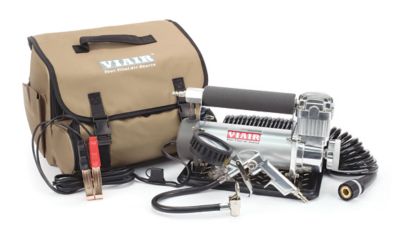
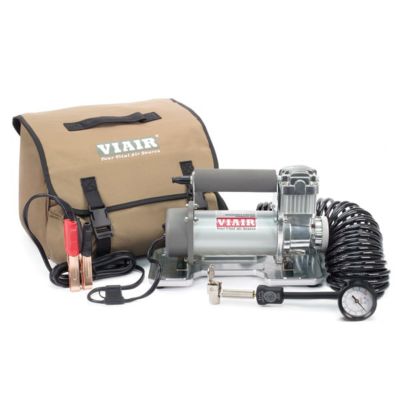
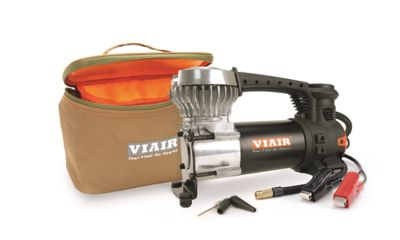
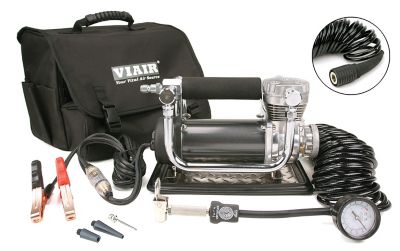
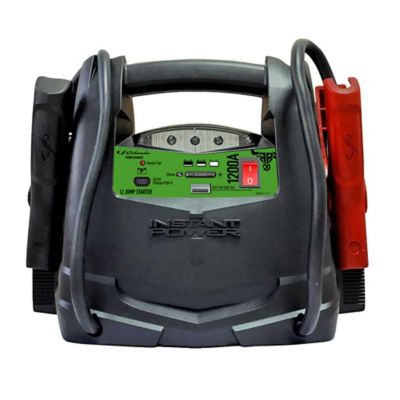
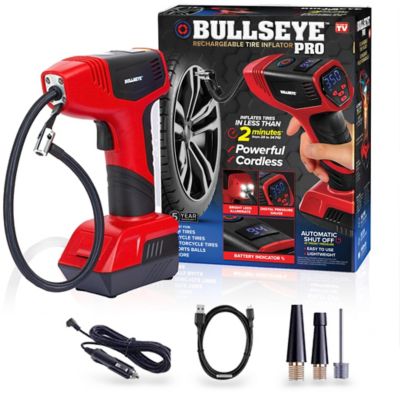
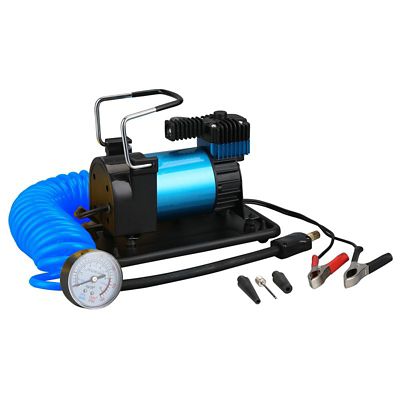
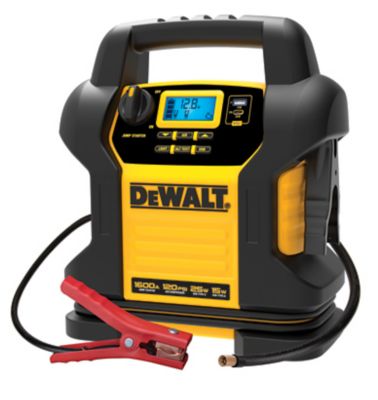
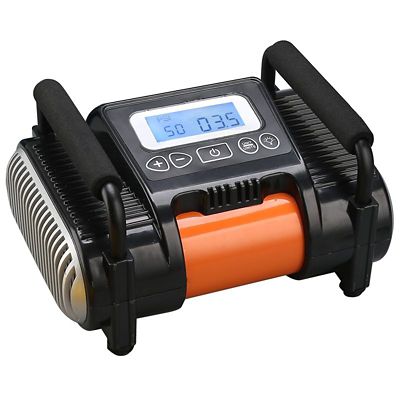
Battery powered air compressors bring portable air power to places where an outlet is a long walk away, from the driveway and equipment shed to a fence repair out past the barn. These tools run on rechargeable batteries, often lithium-ion packs, and fall into two main groups: compact cordless tire inflators and tank-style battery air compressors. A tire inflator pumps air directly through a hose into a tire, ball, or other compatible inflatable. A tank-style compressor stores compressed air in a reservoir and can supply certain pneumatic tools when its pressure and airflow ratings meet the tool’s requirements. That difference matters more than the shape of the handle or the size of the display. For topping off pickup tires before heading down a gravel road, a compact inflator can be a practical fit. For intermittent work with a compatible brad nailer or stapler, a tank-style unit may be the better match. Maximum pressure, measured in pounds per square inch, or PSI, tells only part of the story. Airflow, commonly measured in cubic feet per minute, or CFM, helps show how much air a compressor can deliver at a stated pressure. A high maximum PSI rating does not mean a small inflator can power an impact wrench or fill a large tractor tire quickly. Tire volume, starting pressure, battery capacity, and the compressor’s operating limits all affect the task. Folks comparing
Cordless Air Compressors will find that matching the equipment to the job makes the category easier to sort through. A bicycle tire, a utility trailer tire, and an air-powered fastening tool have different demands, even though each depends on compressed air. Battery operation is especially handy for scattered chores, where carrying a tool to the work makes more sense than dragging out a long extension cord or stretching an air hose across the yard.
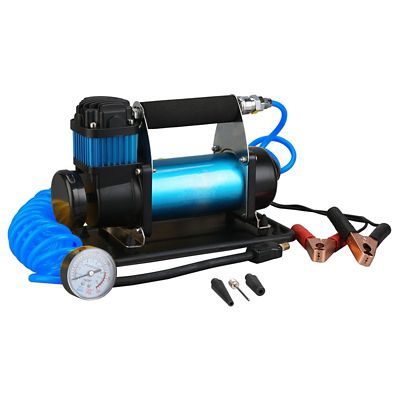
For everyday inflation, the details around the hose, controls, and fittings make a real difference. A readable pressure display helps when checking settings beside a tire, while a preset pressure function with automatic shutoff can stop inflation at a selected level on models with that feature. Automatic shutoff is a convenience, not a substitute for checking pressure with a suitable tire gauge and following the vehicle or equipment manufacturer’s cold-tire specification. The maximum pressure molded into a tire’s sidewall is not necessarily the recommended operating pressure for the vehicle. A hose with enough reach can make a valve stem easier to access without leaving the compressor hanging by its connection. Screw-on chucks and lever-style chucks attach differently, and either needs to fit the valve securely. Bicycle valves may require an adapter, while sports balls generally need an inflation needle. Larger inflatables can call for a separate high-volume, low-pressure mode; a tire inflator with a small hose is not automatically suited to filling an air mattress. Some battery powered air compressors include work lights that help illuminate valve stems under a trailer fender or beside a mower in a dim shed. Others may support an alternate power source, such as a compatible vehicle connection, but those capabilities vary by model. Battery fit deserves just as much attention as hose fit. A removable pack must match the tool’s specified battery system, and voltage alone does not establish compatibility. Whether a battery and charger are included also affects what is needed before the first job. For someone already carrying cordless tools around the property, a compressor that shares an approved battery platform can simplify the load. An integrated-battery inflator offers a different setup, with its charging method and runtime built around the unit itself. Either style can suit a homeowner, cyclist, groundskeeper, or trailer owner whose main need is occasional inflation rather than continuous air delivery.
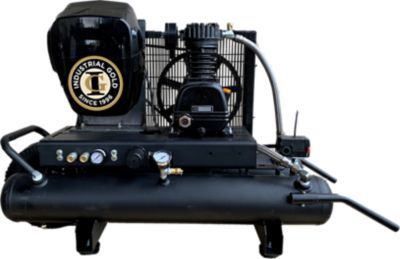
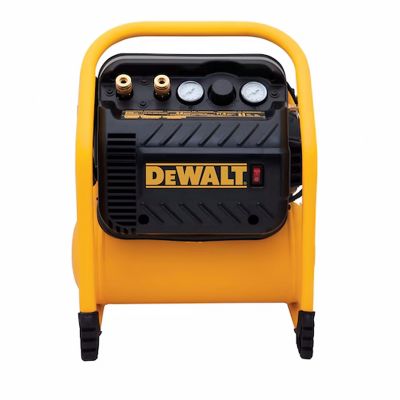
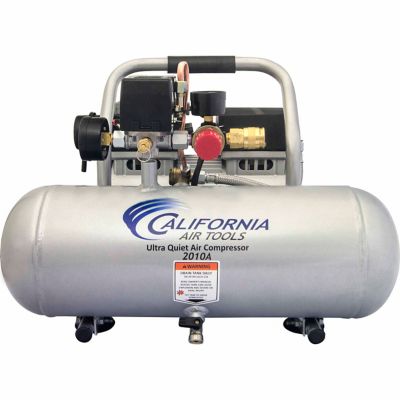
Tank-style battery air compressors bring another set of considerations to light fastening work and other short air-tool tasks. Tank capacity influences the amount of stored air, but it does not replace the need for sufficient pump output. A small reservoir may handle a brief burst of demand and then need time to recover. For pneumatic tools, the useful comparison is the compressor’s delivered airflow at the tool’s required operating pressure, along with the tool’s consumption and the pace of the work. Continuous spraying, sanding, or other air-hungry jobs may exceed what a compact cordless unit can support. A regulator allows adjustment of outlet pressure, while compatible hoses and couplers help connect the compressor to the intended tool. Construction also matters when equipment travels between a shop shelf and the bed of a pickup. A stable base, a well-placed carrying handle, protected controls, and hose storage can make transport and setup less awkward. Reinforced housings can help shield working parts, while metal tanks add weight that should be considered alongside overall size. No housing should be assumed to keep out rain or dust unless the manufacturer specifies that protection. Care requirements depend on the design: tank-style compressors need condensate drained according to their instructions, while oil-free pumps eliminate pump-oil changes but still need attention to vents, hoses, fittings, and safe storage. Duty-cycle limits and cooling breaks matter for both inflators and tank-style units, especially during longer filling jobs. During the cooler months, falling temperatures can lower tire pressure, making a portable inflator a useful addition to routine equipment checks. Battery charging and storage should stay within the manufacturer’s temperature limits, and batteries belong away from moisture and loose metal objects that could contact their terminals. For a practical gift, the best match comes from knowing the recipient’s existing battery system and the work they actually do. Someone tending a few acres may appreciate help with mower and trailer tires, while a woodworker may need the measured airflow of a tank-style compressor. The right fit is equipment that meets those everyday demands without taking up more room or adding more weight than the job calls for.