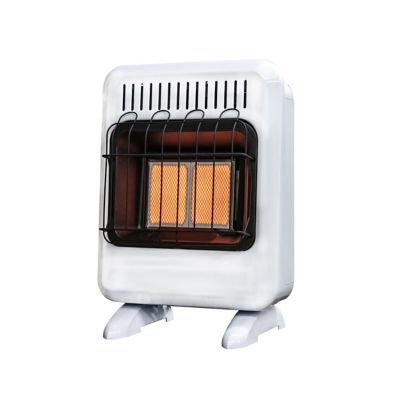
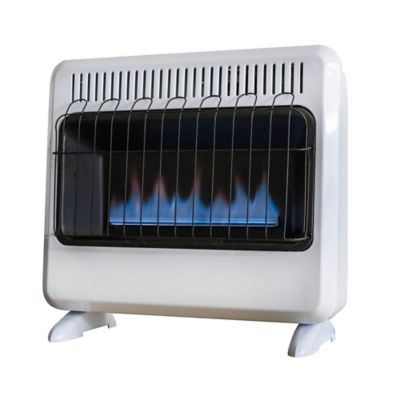
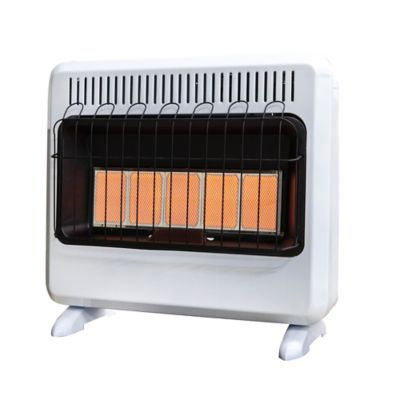
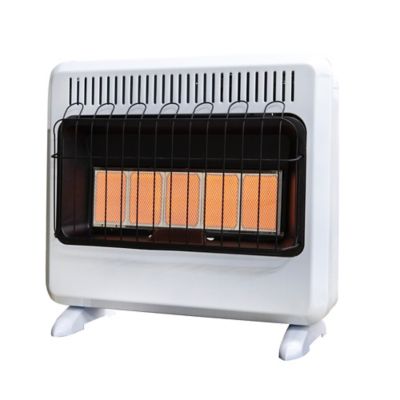
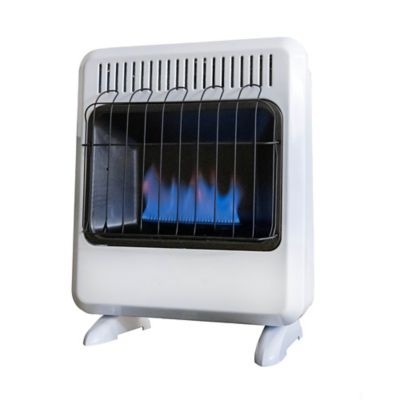
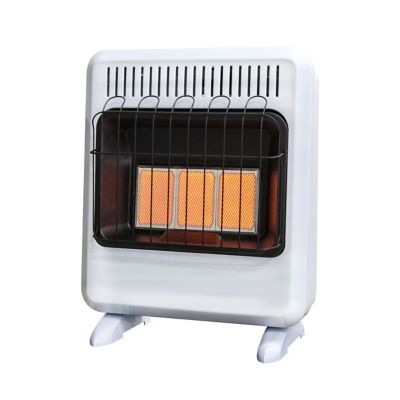
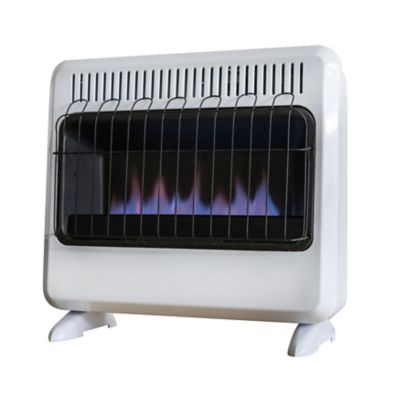
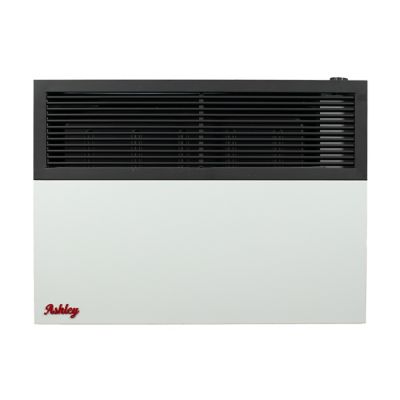
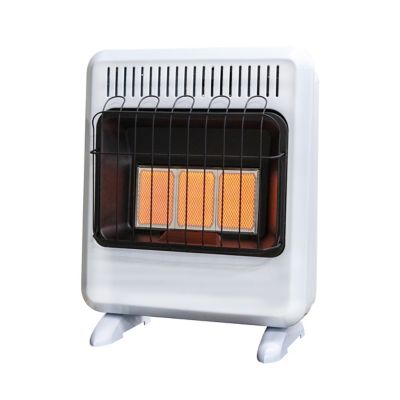
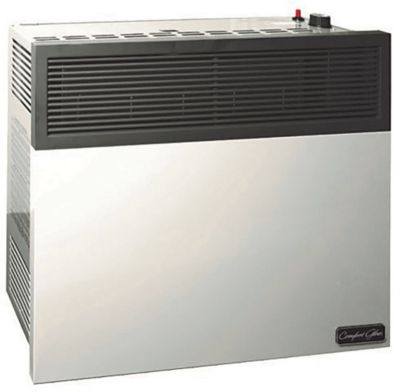
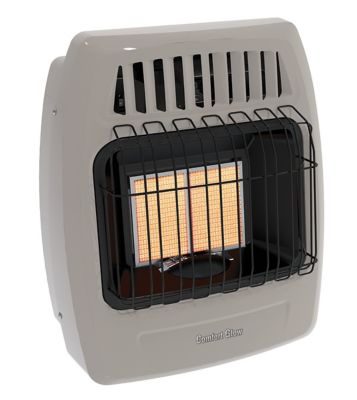
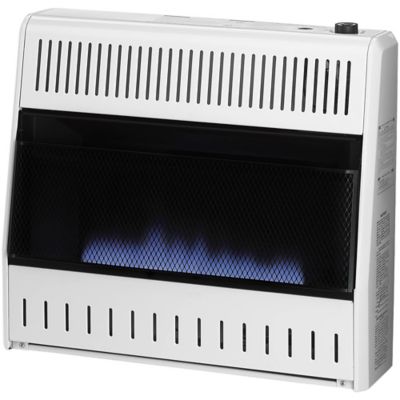
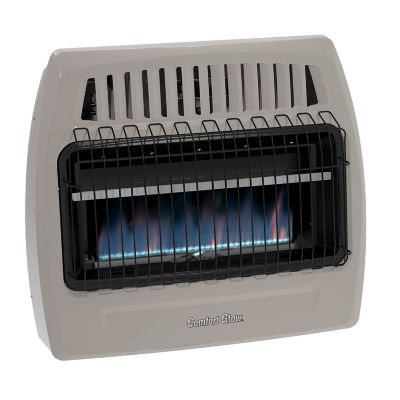
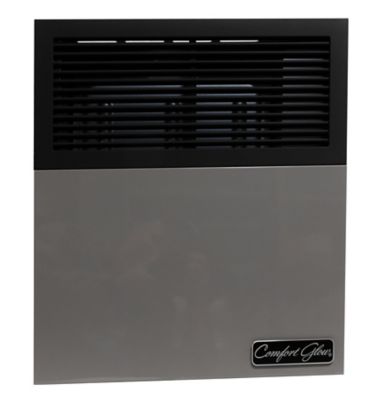
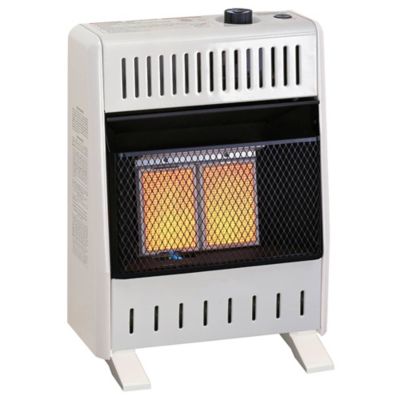
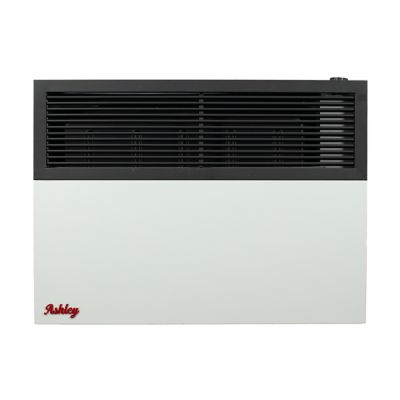
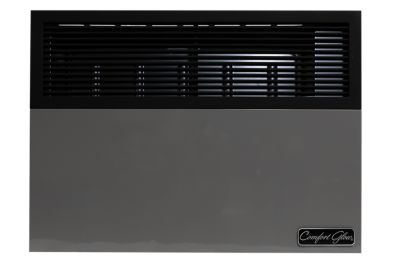
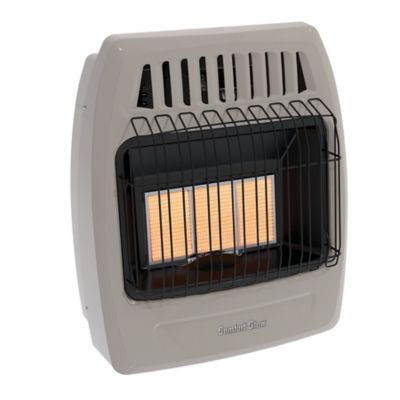
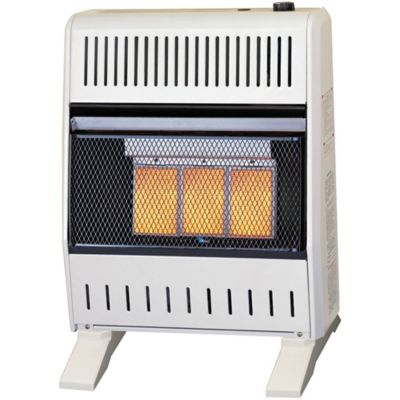
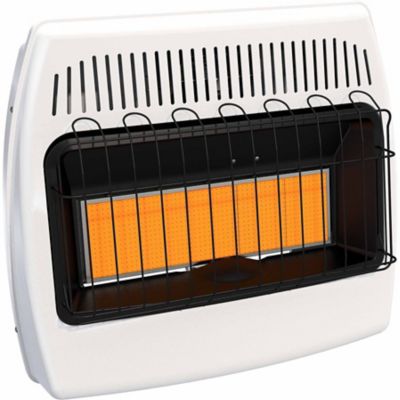
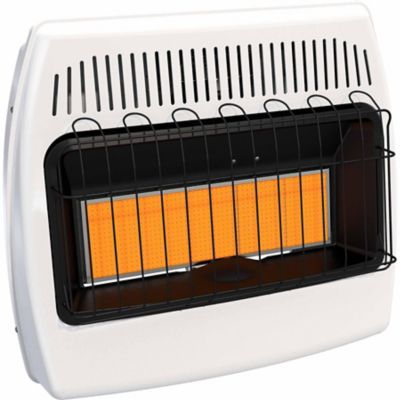
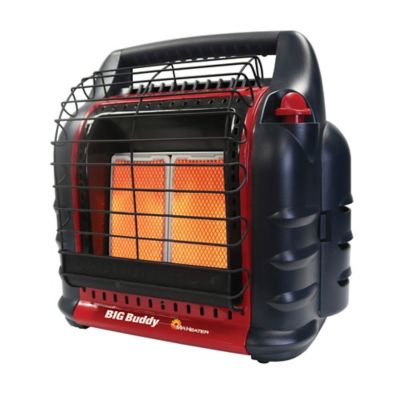
Propane heaters for home can take the chill out of a living area, add warmth to a drafty farmhouse addition, or supplement a central heating system in a room that never quite feels comfortable. The right fit starts with equipment listed for residential indoor use, not simply a heater that runs on propane. Home heating designs include direct-vent units, vent-free heaters where permitted, and wall-mounted or approved freestanding configurations. Each brings different installation needs and a different feel to the room. Radiant propane heaters send warmth toward nearby people and surfaces, making that style worth considering for a sitting area where folks settle in after chores. Blue-flame heaters rely mainly on convection, warming air that circulates through the space. Fan-assisted designs help move heated air, although their electrical requirements matter when planning for an outage. Heat output is commonly expressed in BTUs per hour, but a room’s square footage tells only part of the story. Tall ceilings, thin insulation, leaky windows, and an open stairwell all affect how much heat a space needs and where that warmth goes. A closed-off den and an open kitchen of the same floor area may need different heating arrangements. Manufacturer coverage estimates provide a starting point, while a heating professional can assess the actual heat loss and installation requirements. Bigger is not automatically better: an oversized heater can make a small room uncomfortable and may cycle more often than necessary. Thermostat controls, adjustable heat settings, and straightforward ignition can make everyday operation easier without constant attention. Control placement matters, too, especially in a household where bending down or reaching behind furniture is difficult. For a busy family room or a quiet corner off the mudroom, a properly sized propane room heater should suit the layout, the way the space gets occupied, and the role it will play alongside the home’s other heat sources.
Venting is one of the biggest differences among residential propane heaters. Direct-vent heaters draw combustion air from outdoors and send exhaust outside through a dedicated vent system, keeping the combustion process separated from room air. Their placement depends on an approved vent route and the required clearances around exterior openings, building features, and the vent terminal. Vent-free heaters release combustion byproducts, including water vapor, into the room, so local rules, room size, and the manufacturer’s installation requirements determine whether they belong in a particular space. Vent-free does not mean ventilation-free, and a tightly closed room is not automatically a suitable location. Added moisture can also matter in a home that already has condensation on windows or damp corners. Restrictions may apply to bedrooms, bathrooms, and other locations, making the heater’s listing and local code more important than whether it physically fits against a wall. An oxygen depletion sensor can shut down a heater when oxygen falls below its designed threshold, but it is not a carbon monoxide detector. Working carbon monoxide alarms and smoke alarms remain essential, along with the combustion air and ventilation the equipment requires. Fuel arrangements deserve the same attention as the heater itself. Propane supply pressure, regulator selection, pipe sizing, and connection requirements must match the appliance, and installation belongs with a qualified professional working under local requirements. Propane cylinders belong outdoors, never in a house, basement, or enclosed living space. A heater intended for propane must not be connected to natural gas unless the manufacturer specifically permits an approved conversion performed as required. Electrical needs vary as well. Some residential propane heaters can operate without household electricity, while others depend on powered ignition, electronic controls, or a blower. Outage performance therefore needs to come from the heater’s specifications rather than an assumption that every propane appliance works when the lights go out. A suitable backup arrangement includes enough fuel, an approved installation, and a clear understanding of which functions remain available without power. That planning helps distinguish a practical supplemental heat source from equipment that cannot do the job expected of it.
Cabinet construction, mounting hardware, and access for cleaning all affect how a propane heater fits into everyday home life. Steel housings and protective metal grilles are common, while finishes and burner construction vary by design. Smooth cabinet surfaces can make routine dusting simpler, but burner openings, air passages, and internal components need the care described in the owner’s manual. A protective grille does not mean the heater stays cool to the touch, an important distinction around children, pets, and a narrow walkway where coats or feed-store bags tend to land. Wall-mounted heaters need the specified support and clearances; freestanding operation requires a base or legs approved for that model. Neither arrangement makes a heater a shelf, boot dryer, or spot to hang damp gloves. Curtains, upholstered furniture, bedding, and other combustible materials must stay outside the stated clearance area, with room left for servicing and unobstructed airflow. Household lint and pet hair can collect around air openings, so regular attention helps keep those passages clear. Cleaning should take place only after the heater is off and cool, following the manufacturer’s directions, with professional inspection and service at the recommended intervals. Persistent soot, unusual odors, repeated shutdowns, or changes in normal burner operation call for attention rather than another attempt to keep the room warm. Separate work buildings bring a different set of needs:
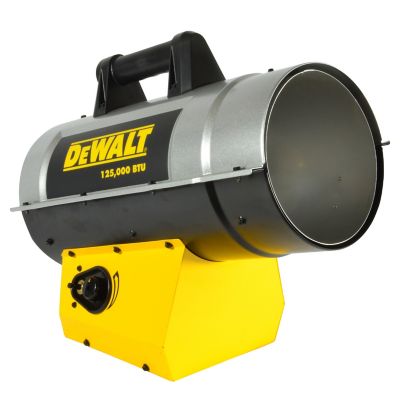
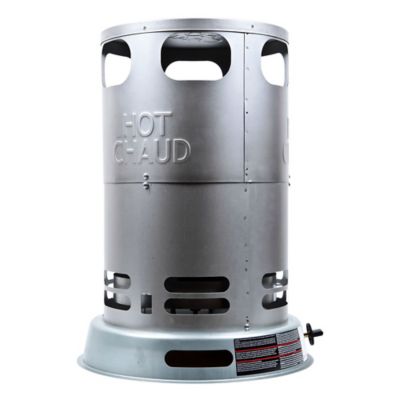
Propane Forced Air Heaters move heated air with a fan, but many construction-style models are not approved for residential living spaces. An open window or cracked garage door does not make outdoor-only equipment suitable for a house. Patio heaters, grills, and cooking appliances are not substitutes for an indoor home heater, either. For residential rooms, the useful details are often the practical ones: a readable thermostat, controls within easy reach, manageable maintenance, and an installation that leaves the room comfortable to move through. Matching those everyday needs with the correct venting, fuel supply, and indoor-use approval helps propane heat earn its place in the home.