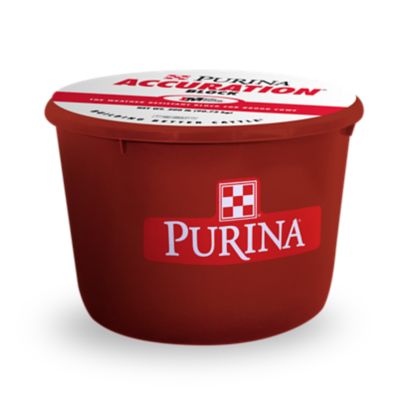
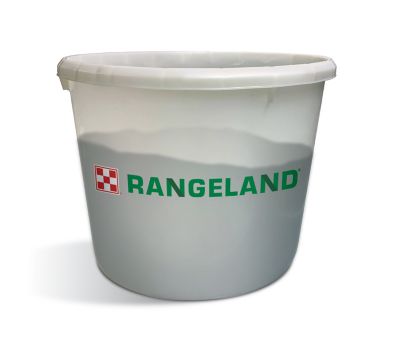
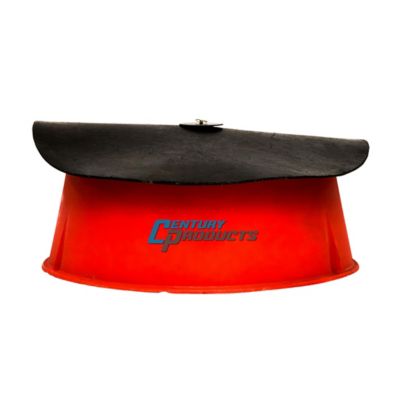
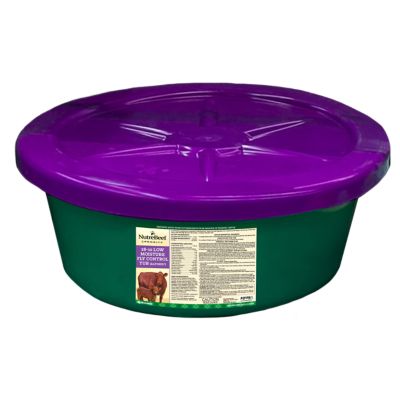
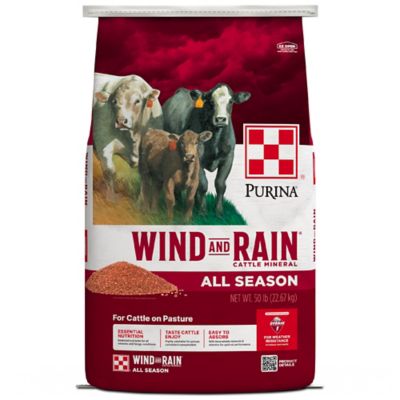
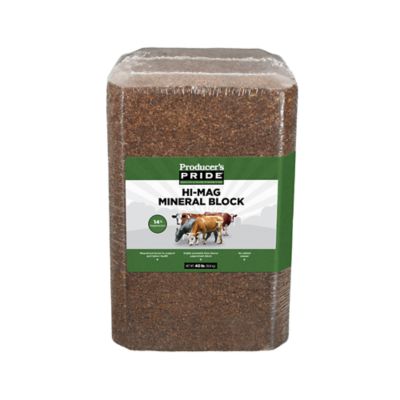
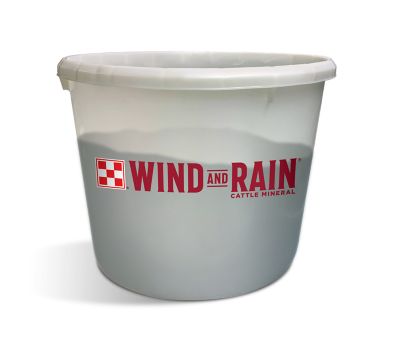
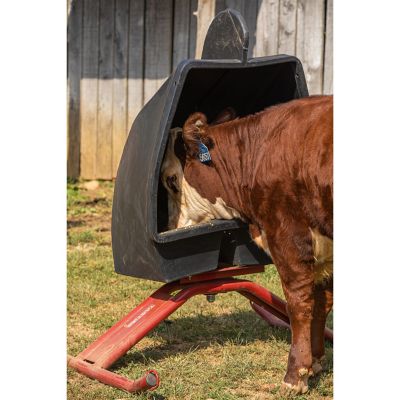
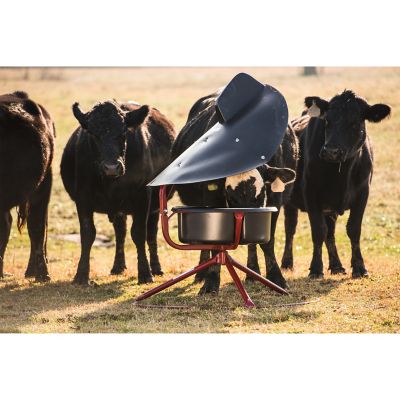
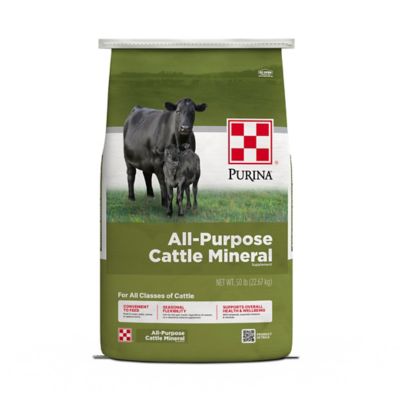
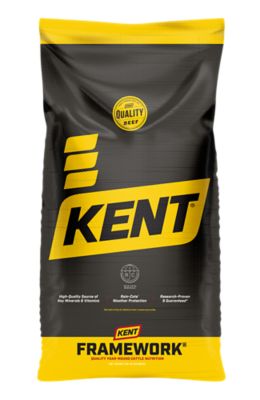
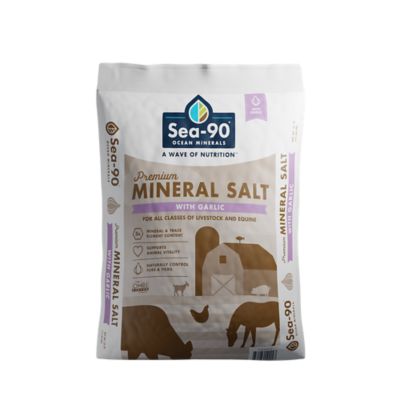
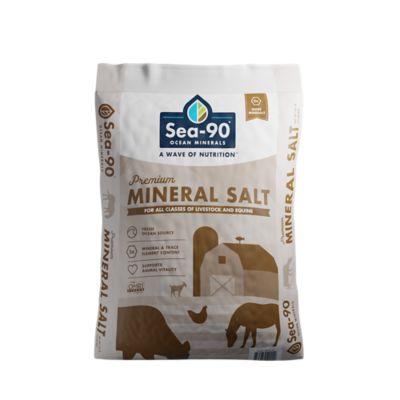
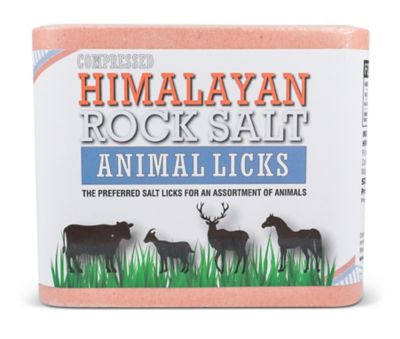
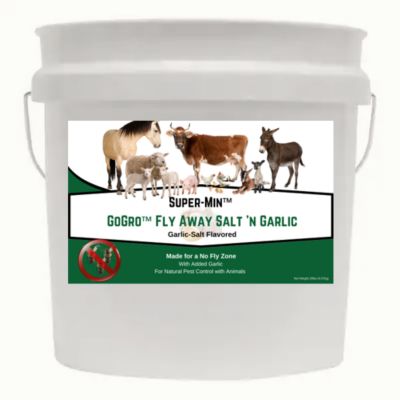
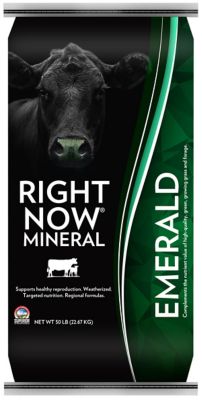
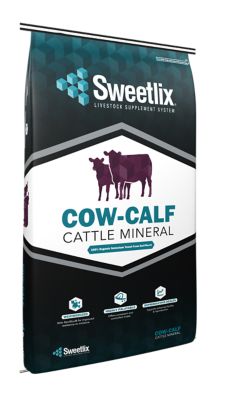
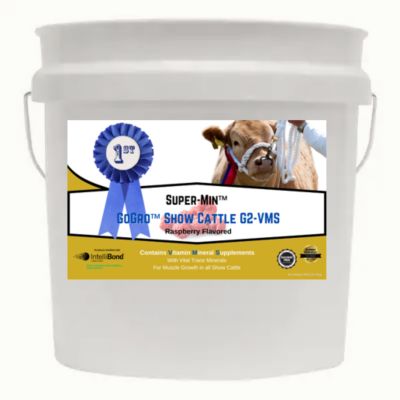
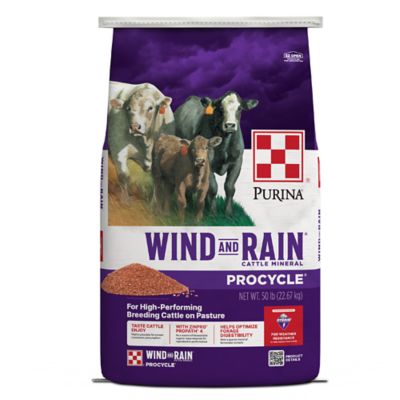
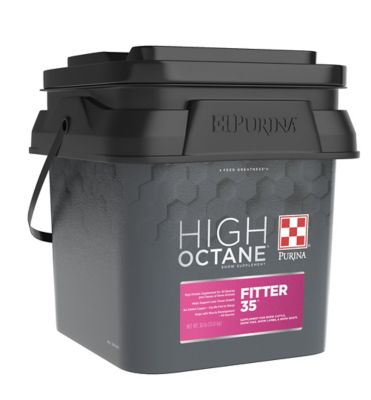
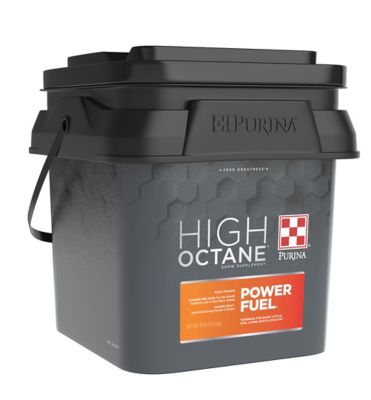
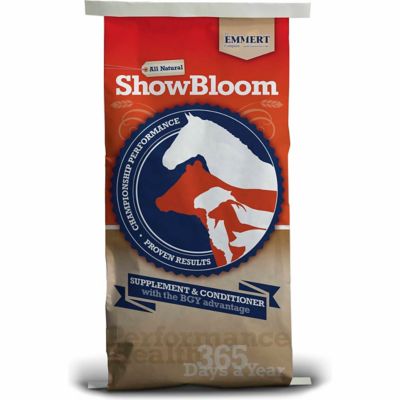
Mineral tubs for cattle offer a practical way to provide free-choice vitamins, minerals, and salt across a pasture, especially when checking every mineral feeder each day is not realistic. Many tubs use a firm, weather-resistant molasses or pressed formulation that holds together through wind, rain, and damp ground better than loose mineral left in an open pan. That can mean less caking, blowing, and waste when cattle are grazing exposed acreage or when the forecast brings the kind of wet, blustery weather common during the cooler months. Instead of scooping out a measured amount every morning, cattle generally consume the tub by licking the surface, which helps slow intake and makes the mineral source available over a longer stretch of time. The licking action also encourages saliva production, an everyday part of healthy rumen function and forage digestion. For a small cow-calf operation, a busy family farm, or a larger ranch with several grazing groups, tubs can simplify chores and make it easier to keep a steady mineral program in place. They are also handy when pasture access is spread out, when labor windows are short, or when mineral needs to stay available beyond the reach of sudden showers and strong wind. Keep in mind that cattle mineral tubs are not all alike. Some are designed mainly to supply trace minerals and vitamins, while others may include added protein, fly-control ingredients, or different levels of salt. Read the tag carefully so the tub matches the cattle, forage, and feeding goals on your place, and follow the label for placement, expected consumption, and herd access.
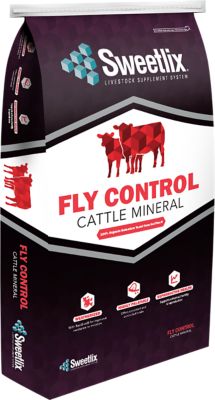
Choosing the right mineral tub starts with looking at the cattle that will use it. Mature cows, growing calves, replacement heifers, bulls, and dry or lactating animals can have different nutritional demands, so a tub intended for one group may not be the best fit for another. Consider the forage available, too. Good pasture, dormant grass, hay, crop residue, and drought-stressed forage do not offer the same balance of nutrients, and the right supplement depends on what cattle are already getting from the ground or feed bunk. A tub with extra protein may make sense in some forage situations, while a vitamin and trace mineral formula may better fit another. If fly control is part of the plan, look for a product specifically labeled for that purpose and make sure the active ingredient and feeding directions suit the cattle. Herd size matters when estimating how many tubs are needed. A single tub may serve a small group, but larger herds or multiple pastures may need more than one feeding location to reduce crowding and give timid cattle a fair chance to consume minerals. Place tubs where cattle naturally travel, such as near water, shade, a gate, or a frequently used trail, while avoiding muddy low spots and areas where runoff can reach the tub. A firm, well-drained location helps protect the tub and keeps cattle from standing in deep mud. Check consumption regularly rather than assuming every group eats at the same rate. Weather, forage quality, herd size, and the condition of the tub can all change intake. If cattle suddenly consume far more or far less than expected, inspect the setup and review the tag directions. A local livestock nutritionist or veterinarian can help when cattle have unusual needs, are showing signs of deficiency, or are being fed several supplements at once.
Mineral tubs are often chosen because they save time and help limit waste, but they should be compared with the other ways minerals can be supplied. Loose mineral may offer a lower cost per pound and can be a good value when it is kept dry in a covered feeder and checked often. Tubs may cost more per pound, yet their firm texture and resistance to moisture can make them worthwhile where rain, wind, distance, or limited labor causes loose mineral to disappear before cattle can use it. The best choice depends on the cost of wasted feed, how often the pasture can be serviced, and how consistently cattle can reach the supplement. Before setting out a new tub, remove old or spoiled material, confirm that the product is intended for cattle, and provide clean water at all times. Do not place cattle tubs where horses, sheep, goats, deer, or other animals can consume them unless the label says they are appropriate for those species; some mineral ingredients, including copper levels, can be unsafe for certain animals. Keep tubs protected from direct contact with soil when possible, and store unused product in a cool, dry place with the package closed. For landowners who also manage whitetails, mineral planning for one species should remain separate from cattle nutrition; resources such as
Deer Mineral Supplements are made for a different feeding purpose. Whether you run a few head behind the house or manage cattle across wide pasture, a properly selected tub can provide a convenient, steady source of supplemental nutrition during changing forage conditions. As the weather shifts from warm grazing days toward cooler, wetter conditions, regular checks of tub condition, cattle access, water, and overall body condition help keep the mineral program working as intended.