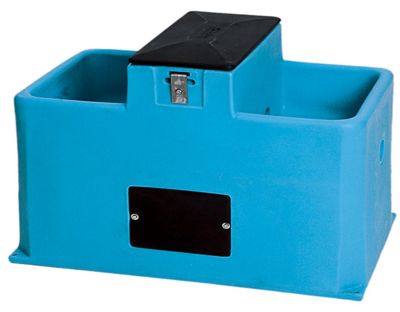
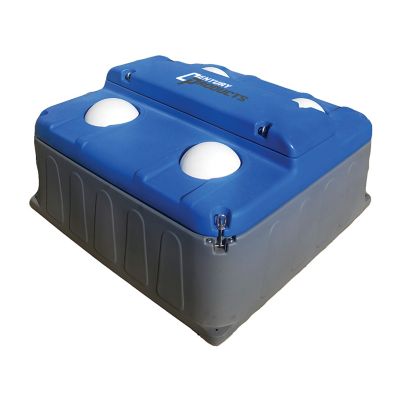
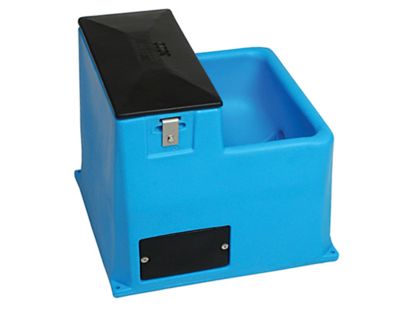
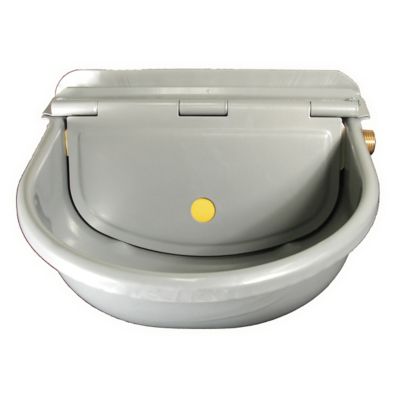
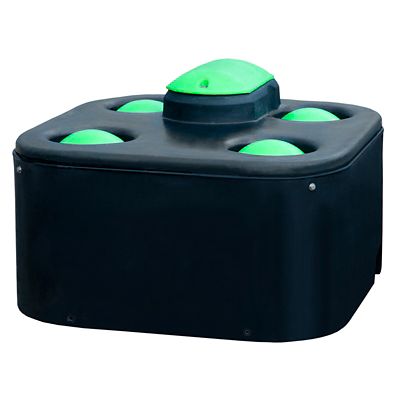
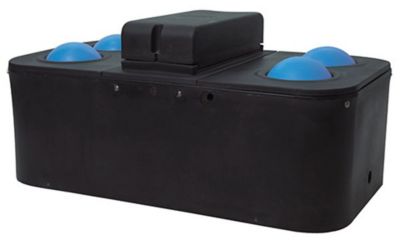
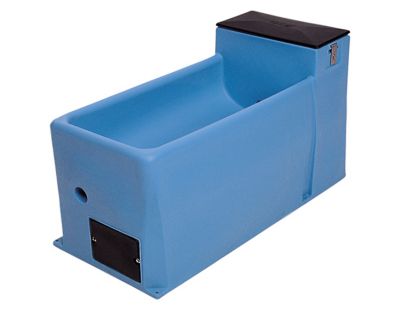
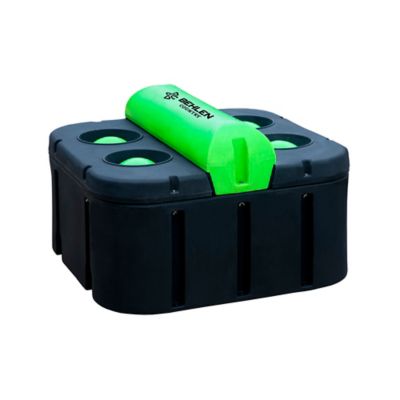
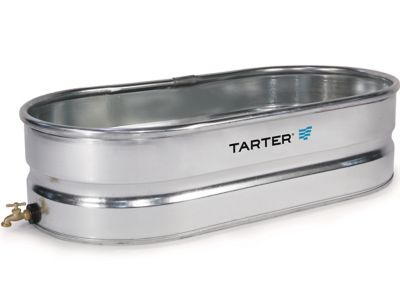
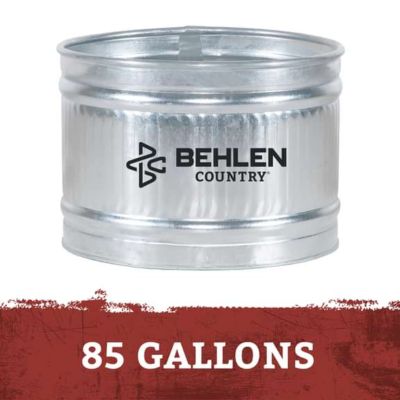
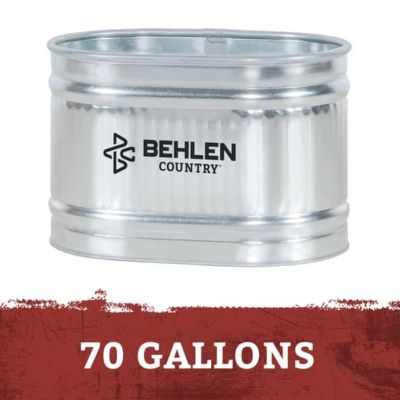
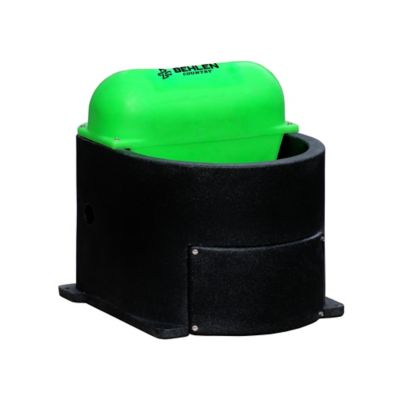
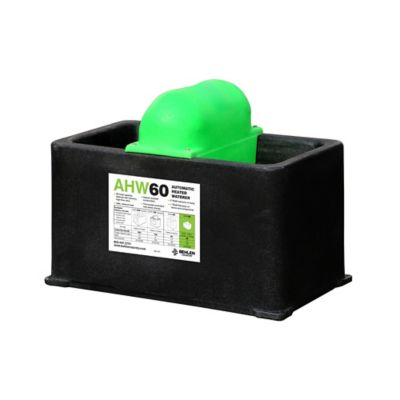
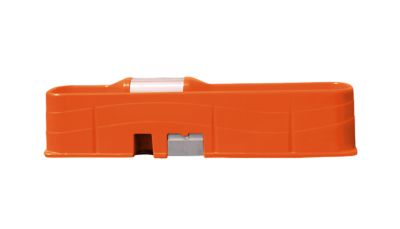
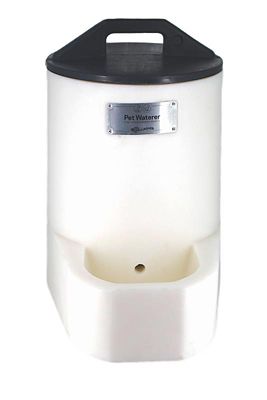
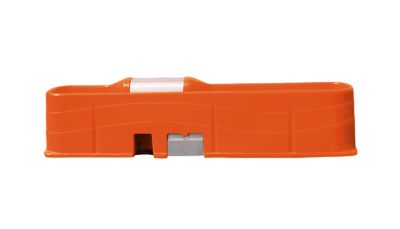
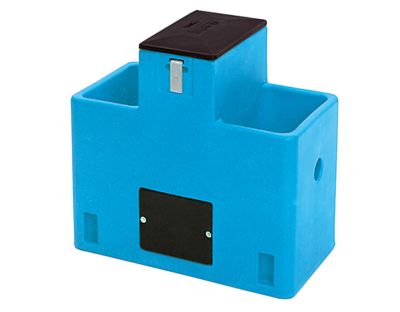
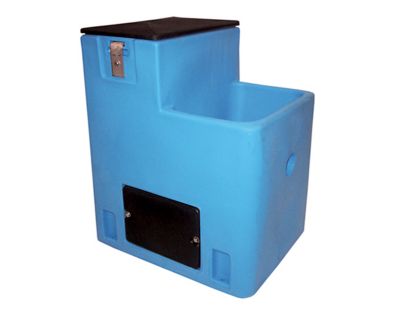
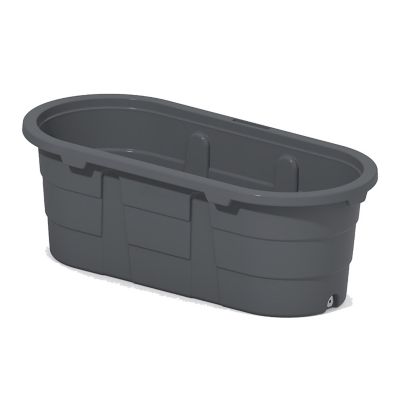
Cattle waterers provide drinking access for calves, cows, bulls, and growing cattle in pastures, feeding areas, and livestock pens. The main styles include open troughs, compact drinking bowls, and automatic waterers with float-operated valves that refill as cattle drink. Open troughs offer a broad drinking area and a visible water supply, while smaller bowls can fit individual stalls or pens where space is tight. Automatic cattle waterers connect to a water source and control the incoming flow, cutting down on hand filling without taking the place of daily checks. The right fit depends on more than how many gallons a tank holds. Herd size, animal size, drinking space, and refill rate all affect how well a setup serves the cattle gathered around it. A large reservoir with a slow supply line may take too long to recover after several animals drink, while a smaller basin with sufficient flow can serve steady traffic when its rated capacity matches the herd. Several cows coming off feed together place a different demand on a waterer than a few animals drinking throughout the day. Openings and approach space matter, too: cattle need room to lower their heads comfortably, and younger or less assertive animals need access without getting pushed away by larger herd mates. On cow-calf places, drinking height and basin shape need to suit the calves as well as the cows. In divided lots, a fence-line waterer can provide access from adjoining pens when its design and installation allow it. Multiple watering points can also help spread out cattle instead of drawing the whole bunch into one crowded corner. Whether the setting is a small acreage, a working ranch, or a livestock operation with several groups, cattle watering equipment needs to match the way animals move, eat, and gather. A waterer near a feeding area will see different traffic than one serving a grazing paddock, so placement and usable drinking space belong in the same conversation as capacity.
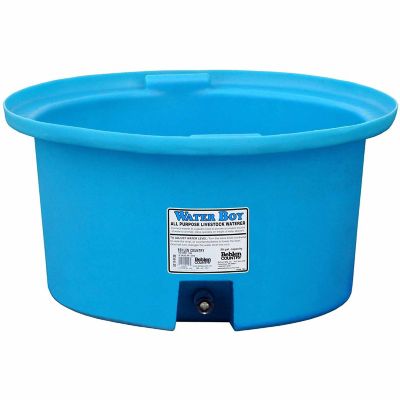
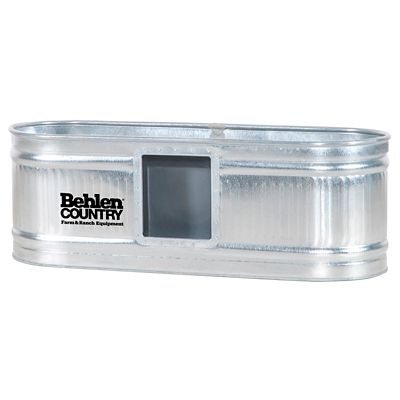
Materials and construction affect how a cattle waterer handles daily bumps, cleaning, and contact with water. Molded polyethylene bodies resist rust and often have rounded contours, although wall thickness, support, and anchoring still matter when cattle lean or rub against them. Galvanized steel troughs have a zinc coating that helps protect the steel underneath; keeping that coating intact helps limit corrosion. Stainless steel drinking surfaces offer another option, with smooth basins that can be easier to rinse and scrub. Concrete units carry substantial weight and generally call for a permanent location with an appropriate supporting base. Each material brings different handling and installation needs, and an empty trough that is manageable to move can become extremely heavy once filled. Drain location, access panels, and replaceable valves also influence how practical the equipment is around the farm. A drain that empties away from the approach keeps wash water out from under the cattle’s feet, while an accessible valve compartment makes routine service less of a chore. Water-line connections need to match the supply, including pipe size, operating pressure, and the manufacturer’s requirements for fittings and flow. A long run from the source or a line serving several pens can affect refill performance, even when the basin itself is large enough. Stable footing around the waterer helps cattle approach and leave without bunching up or slipping. A properly planned concrete pad or other suitable base can support the unit and give hooves a firm landing, with drainage arranged so spilled water does not collect at the drinking edge. Mounting height, clearances, and anchor points need to fit both the equipment and the animals it serves. Smooth rims, protected plumbing, and secure covers help keep routine contact from turning into damage or an injury. For a pasture setup that moves with the herd, transport needs and connection methods matter more than they would for a permanently plumbed unit beside the barn.
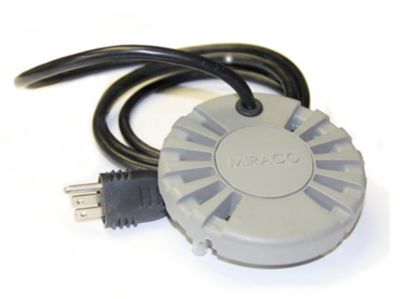
Keeping cattle waterers clean and working is part of the regular livestock rounds, right along with looking over fences and feed bunks. Feed particles, saliva, dirt, and algae can build up in a basin, so wide openings and reachable surfaces make a real difference when it is time to scrub. Removable drain plugs and accessible sumps allow debris to leave the basin instead of settling where cattle drink. Cleaning frequency depends on how heavily the waterer is serving the herd and how quickly material collects; a clear-looking surface does not tell the whole story about the bottom or valve area. Cleaning products need to be appropriate for livestock watering equipment and the waterer’s materials, with rinsing completed according to their directions. Float valves also need room to move freely. A sticking float, damaged seal, or bit of grit can cause an overflow or leave the basin short, and a valve that runs continuously can turn a firm approach into a muddy patch. Replacement-part compatibility matters here, since floats, seals, drain fittings, and valves are not interchangeable across every design. Insulated and energy-free cattle waterers have their own installation requirements, including specified water-line arrangements, burial depths, and herd-use ratings. Models with electrical components also require suitable service, protected connections, and installation that follows the manufacturer’s directions and applicable electrical codes. Those details belong in the equipment decision before a permanent pad or supply line goes in. On places with several kinds of livestock, separate watering equipment helps match drinking access to each animal’s size and behavior;
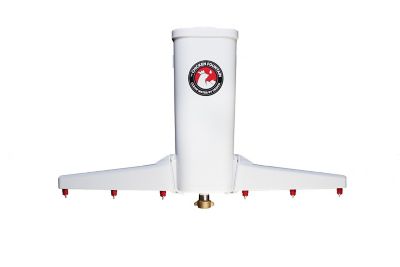
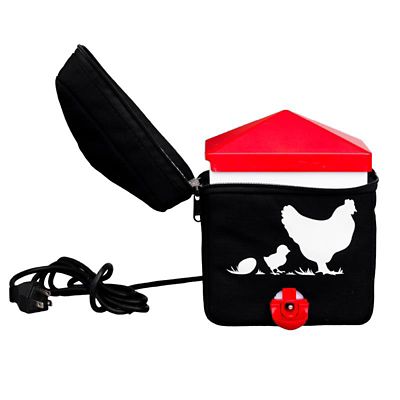
Poultry Waterers serve the flock with drinking access designed for birds rather than cattle. Across the cattle pens, a practical setup leaves enough room for animals to drink, enough access for cleaning and repairs, and a clear view for the person making the rounds. Seeing water in the basin is only part of that check; watching it refill and noticing whether every group can reach it help show how the whole setup is working.