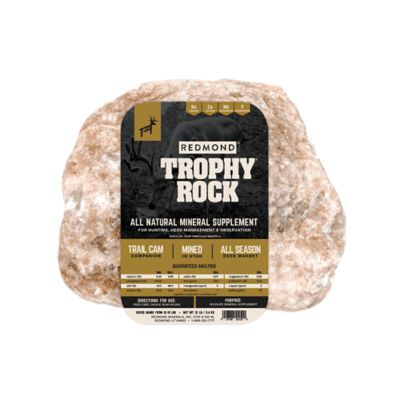
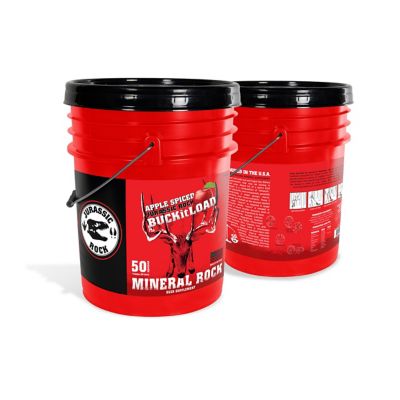
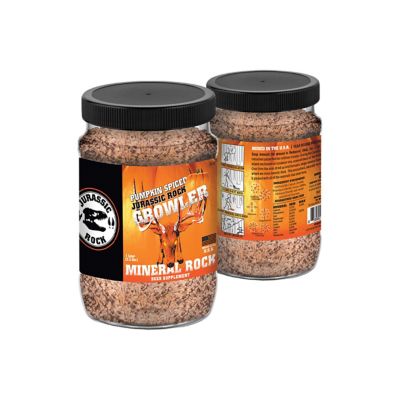
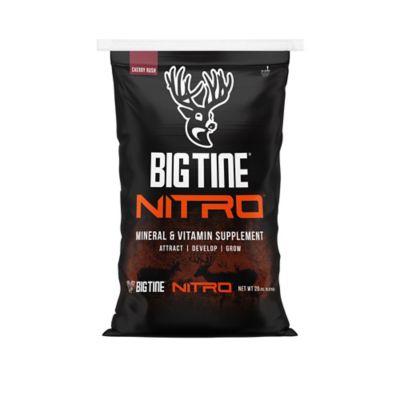
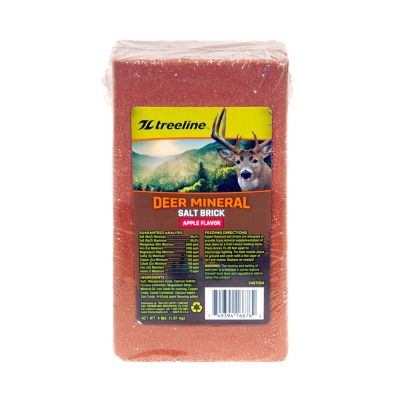
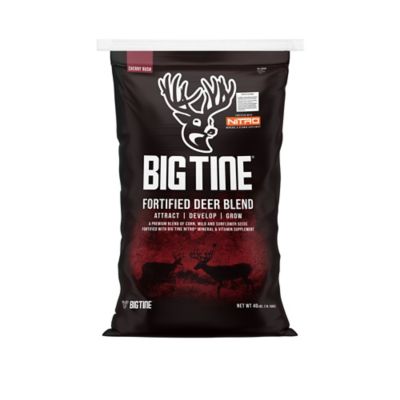
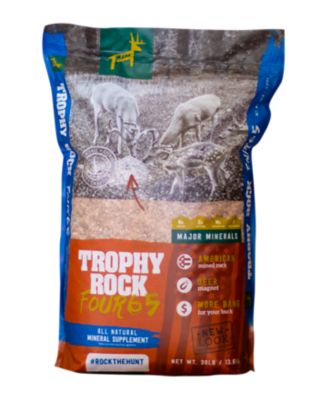
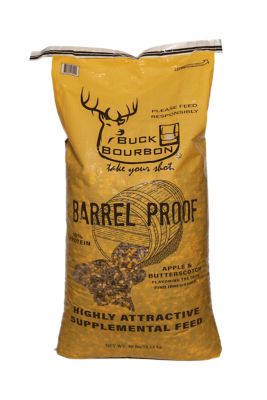
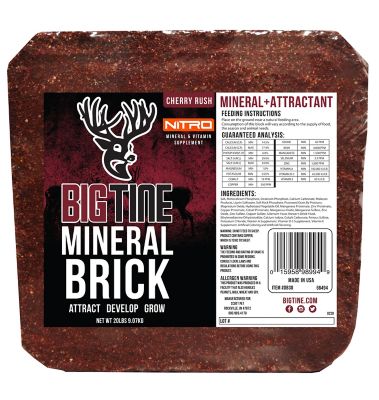
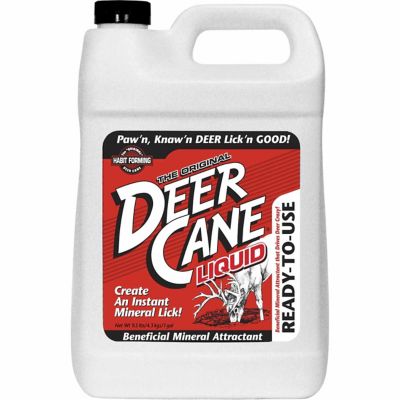
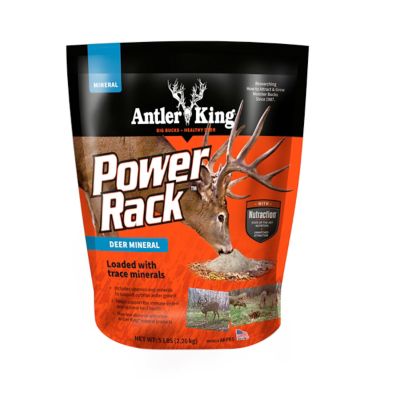
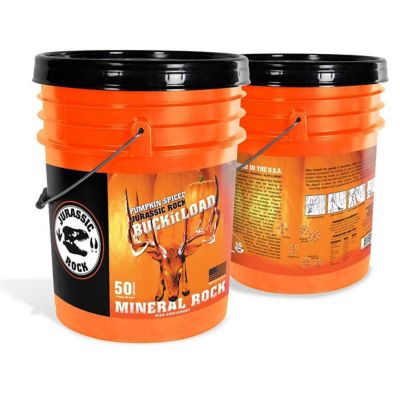
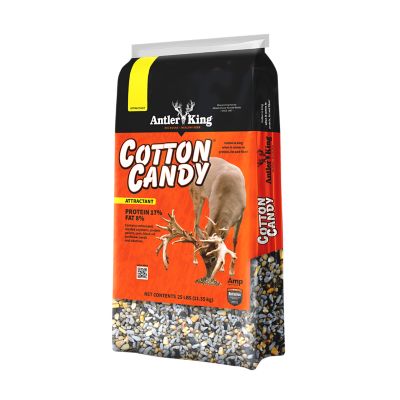
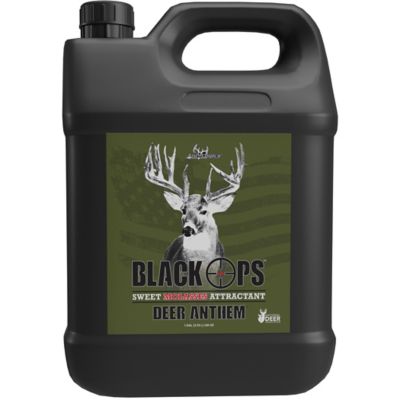
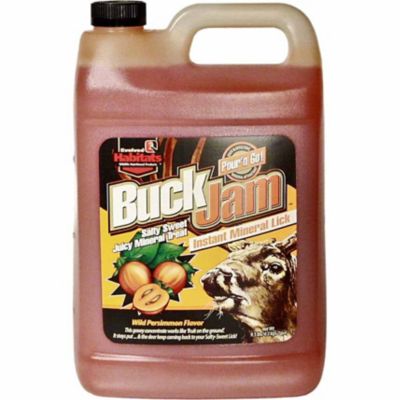
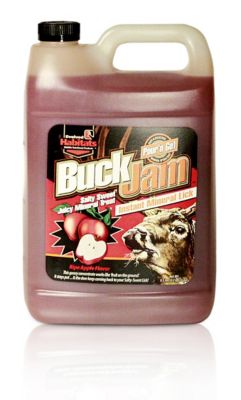
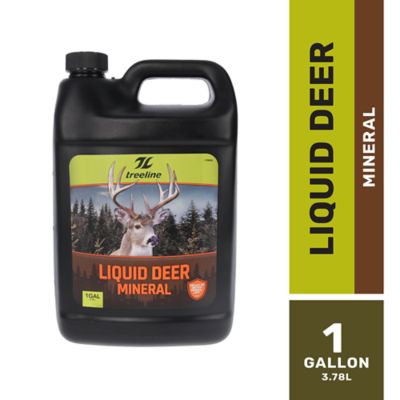
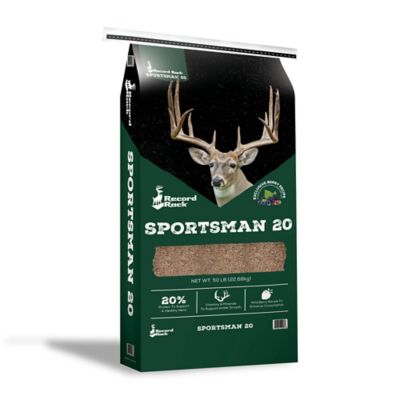
Deer mineral supplements are made for landowners, hunters, wildlife watchers, and anyone managing habitat for whitetail deer. They provide a concentrated source of nutrients that may be limited in native browse, especially on heavily used ground or in areas with sandy, rocky, or otherwise nutrient-poor soil. Calcium and phosphorus are among the most important minerals for deer because they support strong bones, body growth, and antler development. Many formulas also include trace minerals such as copper, zinc, selenium, manganese, and cobalt to help support normal metabolism, muscle function, immune health, and overall condition. Deer have changing nutritional needs throughout the year. Bucks use substantial resources while growing antlers and during the rut, does need dependable nutrition while carrying and raising fawns, and the whole herd benefits from a steady food source as the weather turns colder. A mineral supplement is not a replacement for good habitat, natural browse, clean water, or a balanced food plot, but it can help fill nutritional gaps when used according to the product label and local wildlife rules. Before placing any supplement, check state and county regulations, since wildlife feeding and attractant laws can vary by location and may change between hunting seasons. It is also wise to consider nearby roads, property lines, homes, livestock areas, and places where concentrated deer activity could create unwanted browsing or disease concerns. Deer minerals are generally intended for free-choice use, meaning deer can visit and consume them as needed rather than receiving a measured daily serving. Keep expectations practical, too. No supplement can guarantee larger antlers or a healthier herd by itself. Results depend on genetics, age, forage quality, water, cover, weather, herd density, and the overall condition of the property.
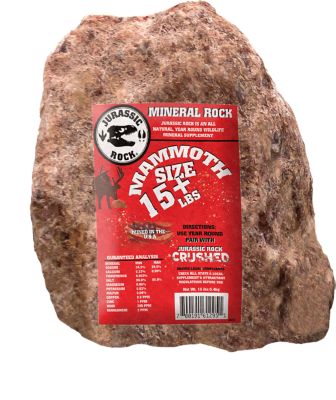
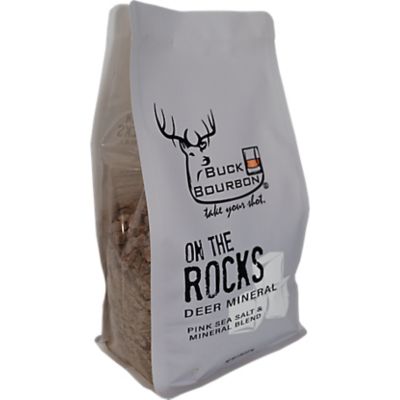
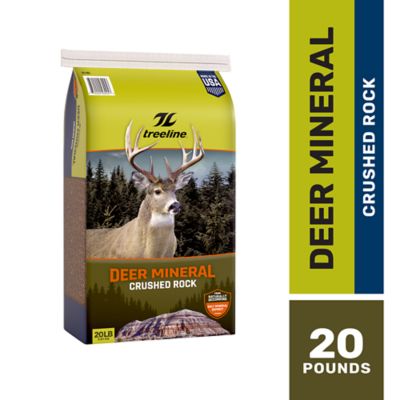
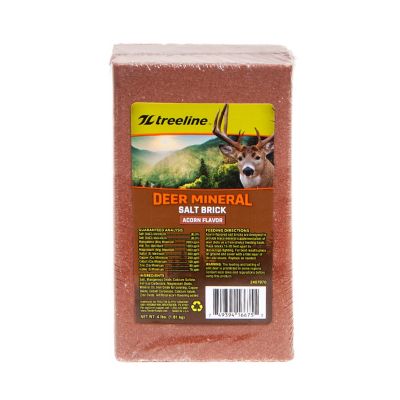
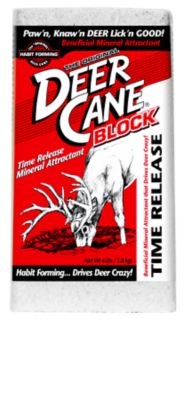
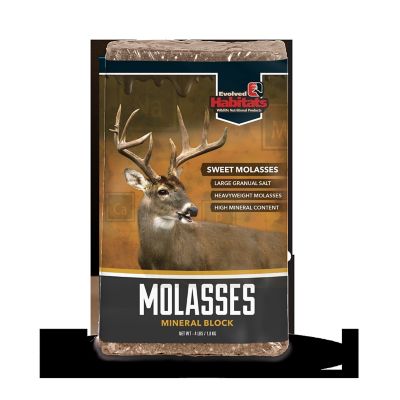
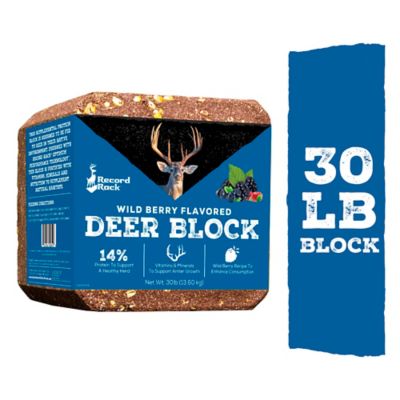
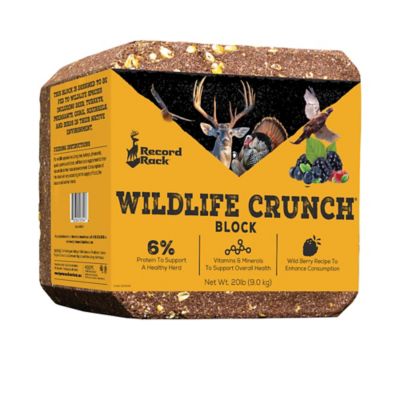
When choosing deer mineral supplements, start by looking at the guaranteed analysis and the ingredient list rather than judging a formula by scent or packaging alone. Calcium and phosphorus are key considerations, and many deer managers look for a balanced relationship between the two, often near a 1:1 or 2:1 ratio. Trace minerals can add value where the local soil and forage are short on those nutrients, while a product with a strong salt or sweetener profile may work more as an attractant than as a complete nutritional supplement. Granular minerals are commonly spread over a cleared patch of soil, where deer consume the mineral-enriched dirt along with the product. A small mineral site can be placed beneath the edge of a tree canopy, near a trail camera, or beside a well-used travel route, provided the location is legal and does not interfere with livestock, roads, waterways, or neighboring property. Loosen or expose the soil before application so the minerals can work into the ground, and refresh the site as directed on the label. Rain, runoff, and heavy use can dilute or remove material, so inspect the area from time to time and avoid applying more than recommended. Mineral blocks are another option and are convenient in places where spreading loose material is difficult, although deer may consume less mineral from a hard block than from a granular site. Tubs and other livestock supplements should not be treated as interchangeable with deer products. If you are shopping for cattle nutrition, see
Mineral Tubs For Cattle and follow the intended-use directions for that type of feed. Keeping products separated helps prevent confusion and makes it easier to manage what each animal is actually consuming.
A little planning goes a long way when setting up a deer mineral site. Choose firm, well-drained ground that will not turn into a muddy pocket after rain, and place it where deer already feel comfortable moving and feeding. A quiet corner along a field edge, under scattered timber, or near brushy cover often works better than an exposed location in the middle of an open field. Trail cameras can help you see how often deer visit, whether the site is being used by other wildlife, and whether the placement needs to be changed. Look for signs such as fresh tracks, pawed soil, droppings, and worn paths, but remember that activity naturally rises and falls with forage availability, hunting pressure, temperature, and the rut. During the warmer part of the growing season, deer may have plenty of moisture-rich browse and show less interest in a mineral site. As natural forage changes and the cooler months settle in, visits may become more noticeable. Store unopened supplements in a dry place, keep bags and containers protected from livestock and pets, and never leave loose packaging where animals can chew on it. Use clean equipment when handling granular products, wash your hands afterward, and keep the supplement away from wells, streams, ponds, and drainage areas unless the label specifically allows placement nearby. For landowners who enjoy watching deer from a porch or field blind, a properly managed mineral site can offer a closer look at natural behavior and herd patterns. For hunters and habitat managers, it can be one small part of a larger plan that includes native browse, food plots, bedding cover, water, trail maintenance, and responsible population management. Choose a deer mineral supplement that matches your property, read every direction, and give the herd a consistent, low-pressure place to find added nutrients when they need them.