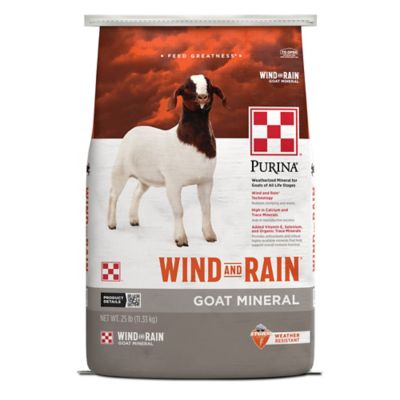
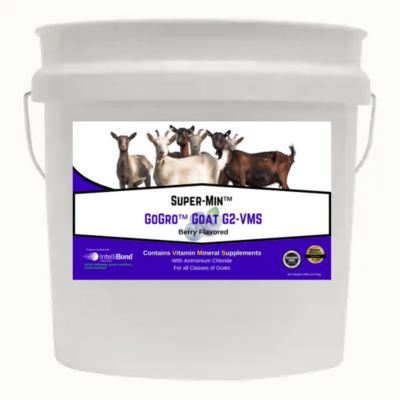
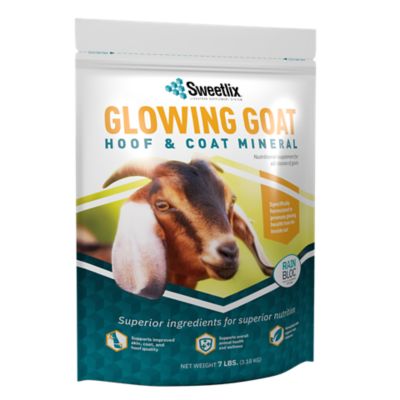
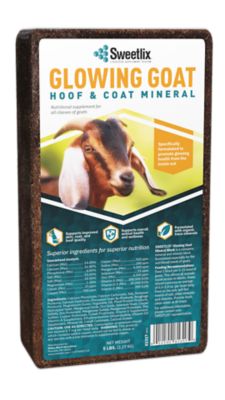
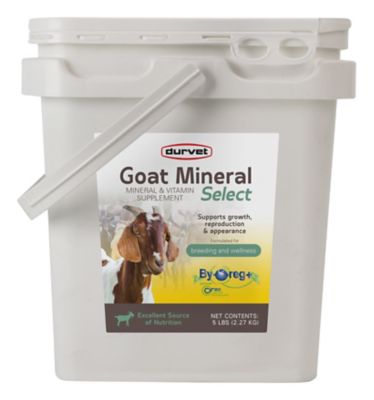
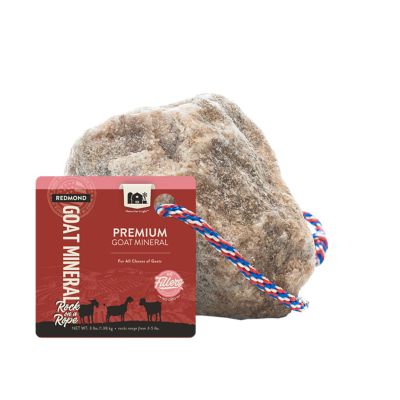
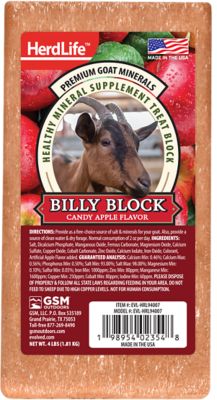
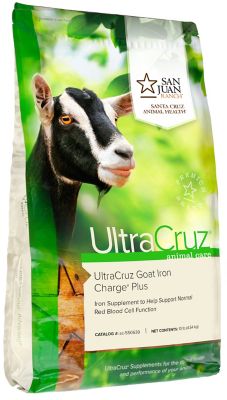
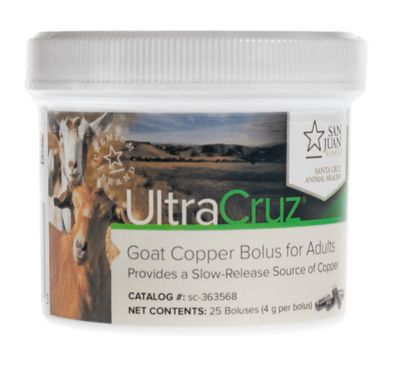
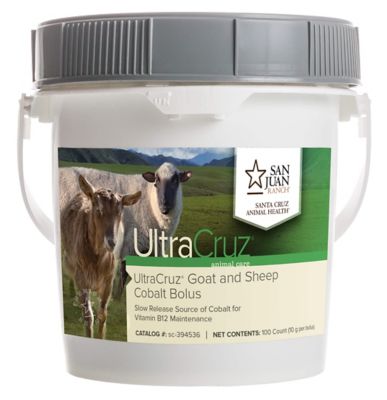
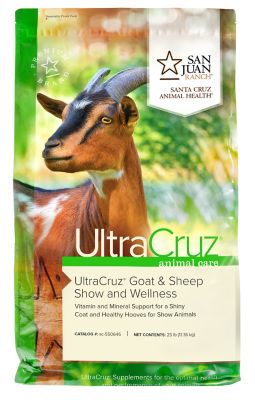
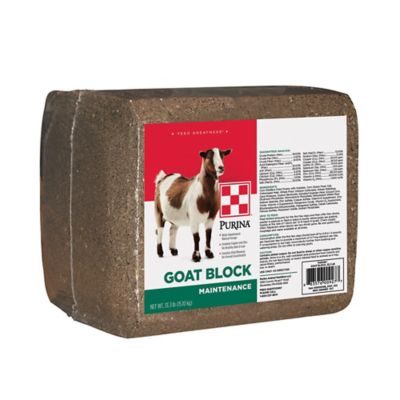
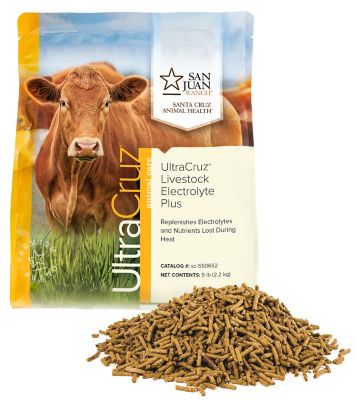
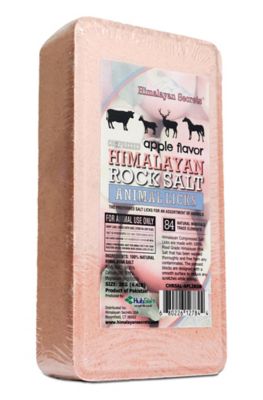
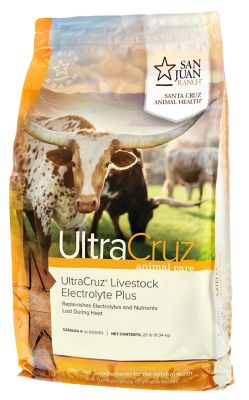
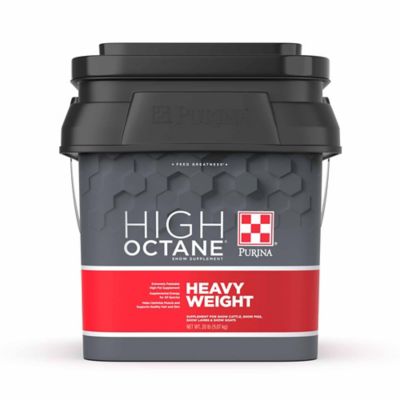
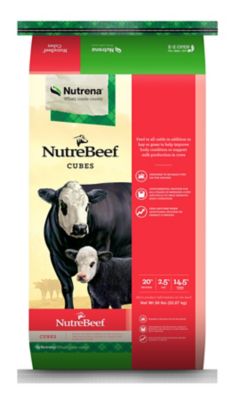
Goat minerals help fill nutritional gaps that hay, pasture, browse, and grain may leave behind. For most herds, a loose mineral formulated for goats and offered free-choice according to its label is a practical starting point. That means goats can visit a designated mineral feeder throughout the day, rather than depending on a plain salt block to supply nutrients it does not contain. A goat mineral blend typically combines major minerals, such as calcium, phosphorus, and magnesium, with trace minerals such as copper, zinc, manganese, iodine, cobalt, and selenium. Each has a role in normal body function, from bone development and muscle activity to reproduction and everyday maintenance. Some formulas also contain vitamins, so the guaranteed analysis and feeding directions matter more than a broad description on the front of the bag. Salt supplies sodium and chloride and can help regulate consumption, but salt alone is not a complete mineral program. Loose granules also give goats a different way to consume minerals than a hard block, which may not allow every animal to take in enough to meet its needs. Whether the herd includes a pair of brush-clearing wethers, dairy does stepping onto the milk stand, or meat goats growing out on the farm, the supplement needs to fit the animals and their entire ration. Minerals support a feeding program; they do not replace forage, adequate protein, energy, or clean drinking water. The nutrient content of local forage can vary with soil and plant type, and purchased hay can bring a different mineral profile into the same barn. That is why a blend that suits one herd may not be the right match for another just down the road. Hay testing, feed labels, and advice from a veterinarian or livestock nutritionist give those differences some context. They also help separate an actual dietary gap from a feeding concern that a mineral supplement alone cannot address.
Comparing goat minerals starts with the species listed on the label, followed by the guaranteed nutrient levels, intended feeding method, and expected daily intake. Goat-specific formulas deserve a close look because goats and sheep do not have interchangeable copper requirements. Sheep are more sensitive to excess copper, while a mineral formulated to keep copper low for sheep may not supply enough for goats. For farms that also keep sheep,
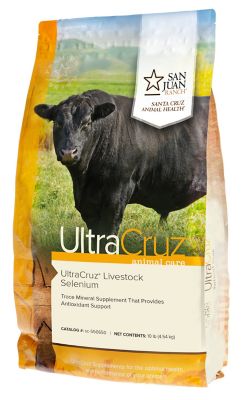
Sheep Supplements can be part of a separate feeding setup rather than a substitute for goat minerals. Keeping the two mineral programs apart helps protect both groups, especially when animals share fence lines, barn space, or feeding chores. Copper levels also need to make sense alongside the rest of the goat ration. Minerals such as sulfur, iron, and molybdenum can affect copper availability, so a higher number on a label is not automatically a better match. Selenium requires similar care because too little and too much can both cause trouble. Adding several supplements together can unintentionally stack the same nutrients, particularly when fortified grain is already part of the daily feed. Concentrated mineral supplements intended for targeted needs are not interchangeable with everyday free-choice blends, and their directions deserve close attention. Life stage matters, too: growing kids, breeding animals, lactating does, and mature maintenance goats can have different nutritional demands. For bucks and wethers, the calcium and phosphorus balance of the complete ration is an important part of discussions about urinary tract health. No mineral blend can make an otherwise unbalanced ration suitable on its own. A useful comparison looks beyond one highlighted ingredient to consider the whole formula, the feeds already in the trough, and the animals eating them. Palatability and texture matter as well, since even a well-matched formula cannot contribute much if goats consistently leave it untouched. Coat changes, poor growth, or breeding problems can have several causes, so those signs call for a closer look at the animals and their diet rather than an automatic increase in supplementation.
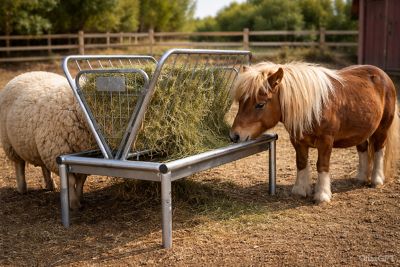
The everyday setup around goat minerals can make as much difference as the bag itself. A mineral feeder should have feed-safe surfaces, smooth edges, and a design that stands up to rubbing, nosing, and the occasional shove from an impatient doe. Mounting options, compartment size, and opening shape all affect how well a feeder fits a pen or barn aisle. Horned goats need enough clearance to reach the mineral without getting caught, while smaller goats need access that does not put the opening out of reach. In a herd with a clear pecking order, more than one feeding spot may help keep a bossy animal from controlling the whole supply. Placement away from bedding, manure, and busy water buckets helps keep loose minerals clean and reduces waste. Covered compartments can limit contamination, but any feeder still needs regular checks for packed material, debris, and signs that goats are not visiting it. Minerals that cake together or become soiled are harder to manage than a clean, loose supply. Keeping the original bag label with the stored feed preserves the feeding directions and nutrient information for everyone handling chores. A tightly closed, labeled container in a dry feed area can help protect the remaining contents from moisture and pests; keeping it separate from garden and shop supplies also reduces mix-ups. Package size should suit the herd's normal consumption and the space available for proper storage, not just the number of goats on the place. Watching how much disappears over several days gives a more useful picture than one glance at the feeder, though herd averages do not reveal what every goat eats. A sudden change in consumption may point to a feeder problem, a feed change, or another issue worth checking. The goal is straightforward: a goat mineral formula that fits the ration, a feeding setup the whole herd can reach, and daily care that keeps the supplement clean and accessible.