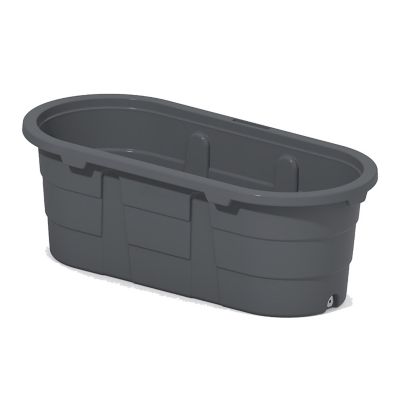
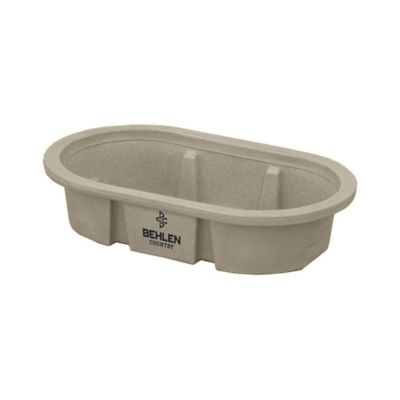
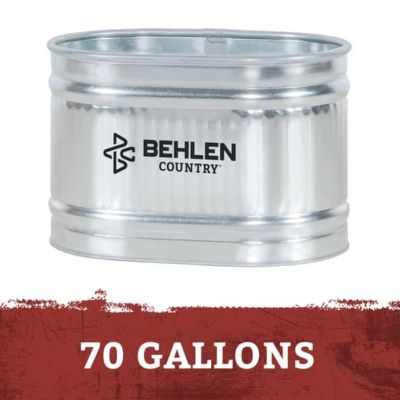
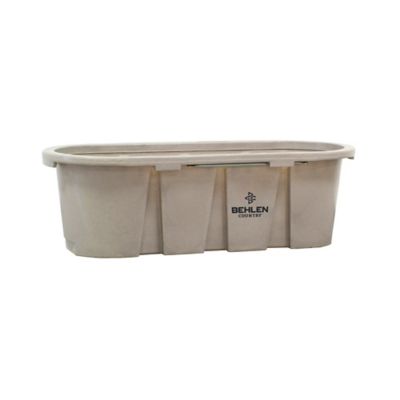
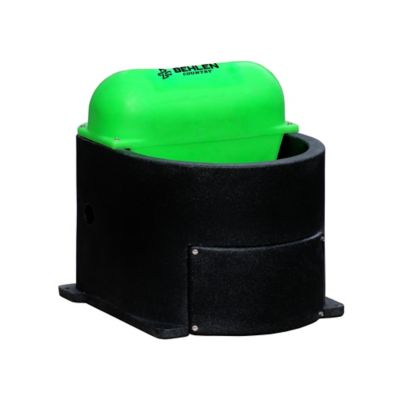
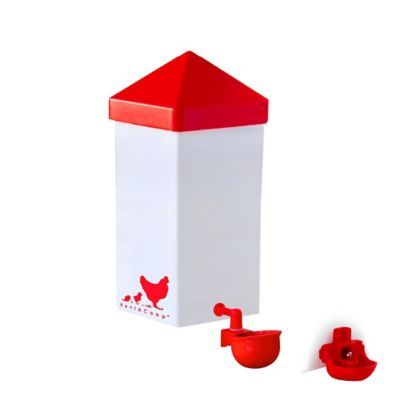
Livestock water troughs give cattle, horses, sheep and goats a dedicated place to drink, whether they spend their days in a pasture, a barnyard or a smaller holding pen. A good match starts with the animals at the trough, not just the number of gallons printed on its side. Body size, herd size, feed, activity and milk production all affect water needs, while the refill rate determines how quickly a trough can recover after several animals drink together. A broad trough with plenty of drinking space can suit a group that gathers at once, while a smaller container may fit a separate pen or an individual animal’s enclosure. Rim height matters, too: a full tank does little good if a lamb cannot comfortably reach the water or a horse has to stretch awkwardly over the edge. The same goes for depth and shape, especially in pens where younger and mature animals share space. Rounded sides and clear approaches leave room for animals to step in, drink and move away without getting crowded against a fence. In a mixed group, more than one watering point can help keep a bossy animal from controlling access. Trough placement also affects the rhythm of chores. A water source near a gate may be easy to reach with a hose, but it should not block the path of a feed cart or put drinking animals in the middle of a busy passage. Keeping the drinking area separate from loose hay and bedding helps limit material falling into the water. For a small acreage owner checking a few animals before heading to work, or a ranch hand making rounds across several pens, the right setup makes water levels easier to see and routine checks easier to work into the day. Enough drinking space, a suitable height and a practical location matter just as much as capacity. A tank that fits all three is better suited to everyday life around livestock.
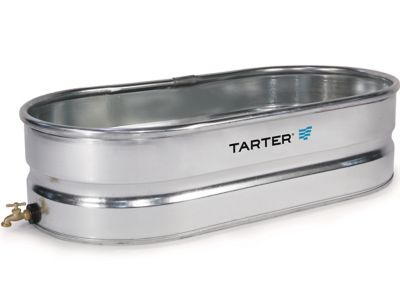
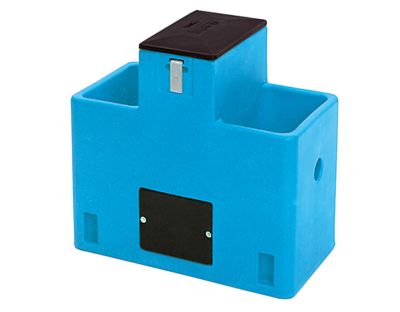
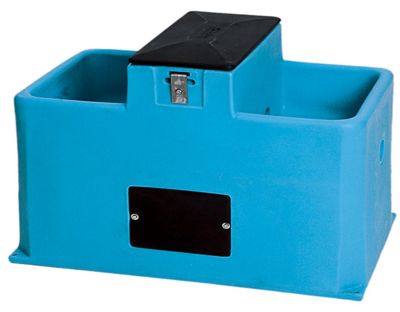
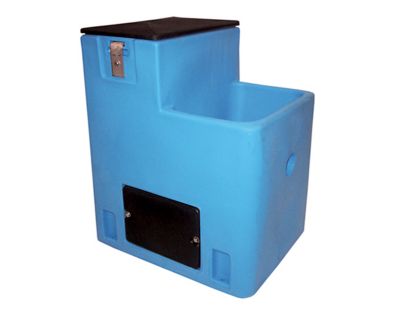
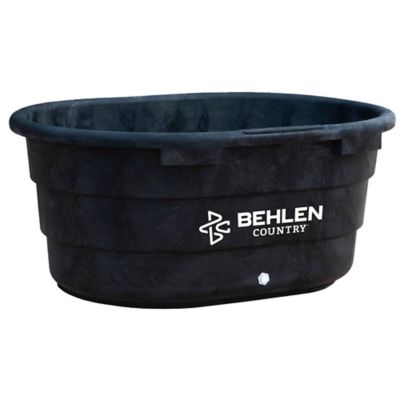
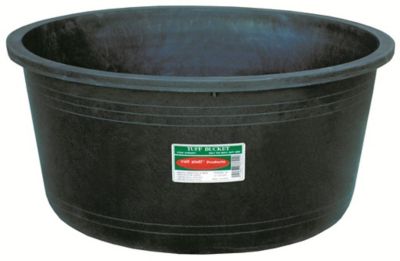
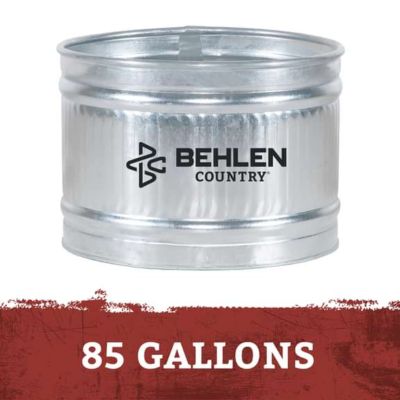
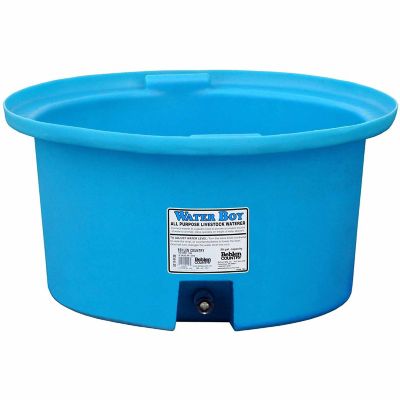
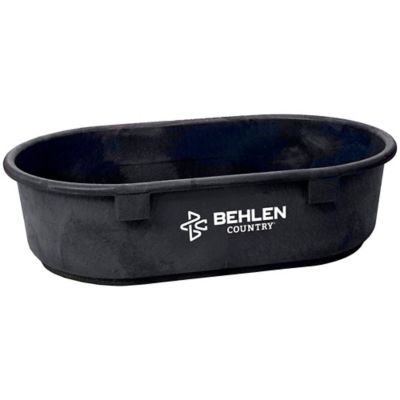
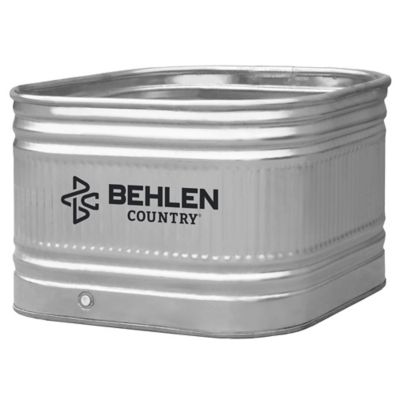
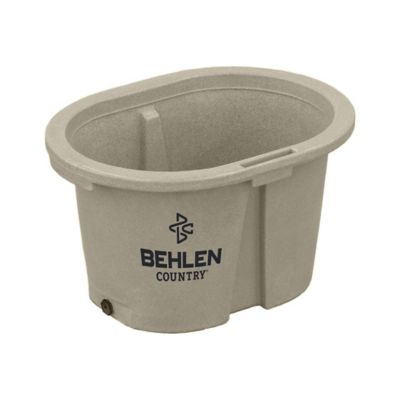
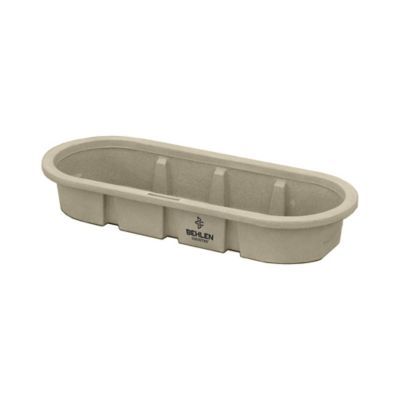
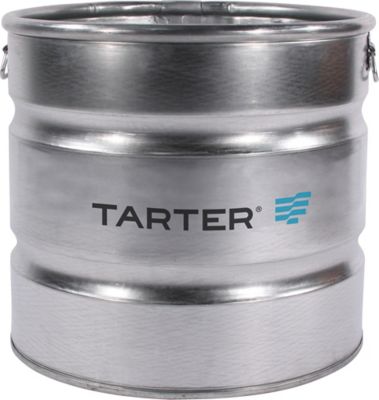
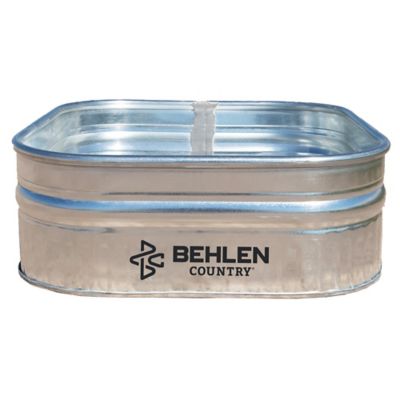
Material and construction shape how a livestock trough handles bumps, cleaning and repeated filling. Galvanized steel troughs offer rigid walls and a familiar metal design, with seams, rolled rims and protective finishes worth considering for the setting. Molded polyethylene troughs do not rust and can be easier to reposition when empty, although wall thickness, reinforcement and overall shape affect how much they flex. Rubber watering tubs offer another option where a more forgiving container makes sense, provided the size and construction suit the animals drinking from it. No material eliminates the need for checks: metal finishes can become scratched, plastic can develop cracks, and rubber can show wear around rims or fittings. Smooth interior surfaces and open access make it easier to remove sediment from the bottom without working around tight corners. A drain opening can simplify emptying a larger trough, while its position determines whether leftover water can escape or needs to be bailed out. Fittings should be accessible for maintenance without sticking into a walkway where hooves, equipment or a passing wheelbarrow could catch them. Shape deserves a look alongside material. A long, narrow trough may fit along a fence and provide drinking room for several animals, while a round tank needs a broader footprint and enough clearance around its sides. Measurements should account for gates, barn doors, nearby feeders and the space needed to scrub the interior—not just the patch of ground beneath the tank. An empty trough may be manageable to move, but a filled one carries substantial weight and needs a level, well-supported base. Firm footing helps keep animals from slipping at the edge and reduces the mess created by splashing and overflow. In pens where animals rub, lean or nudge against containers, secure placement and protected connections help keep the watering area in working order without creating sharp edges or places where an animal could get caught.
Everyday care is part of choosing a trough that fits the farm. Large capacity can mean fewer refills, but it also means more water to drain and a larger surface to clean. A smaller trough may be easier to tip and scrub, yet need closer attention when several animals depend on it. Feed dust, bits of hay, saliva and dirt carried in from the pen can collect along the sides and bottom, so visibility and cleaning access count for plenty. A brush that reaches the corners, a drain that opens without a struggle and enough room to rinse the basin can take some of the aggravation out of that chore. Cleaning methods should follow the trough manufacturer’s directions, with cleaning agents thoroughly rinsed away before animals drink again. A tidy-looking surface does not tell the whole story; sediment, leaks and slow refilling can be easy to miss without a closer look. Troughs can also connect with
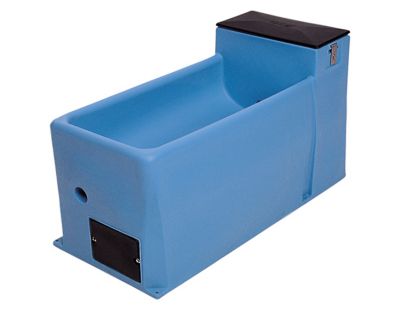
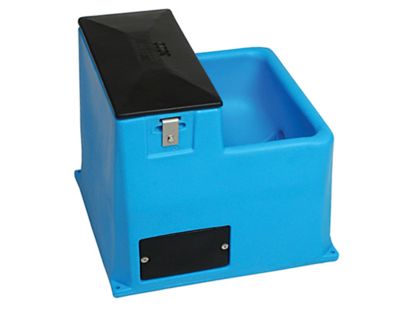
Livestock Watering Systems that bring together water lines, valves and other components for the drinking area. Float-controlled filling can reduce hands-on refilling, but the valve still needs protection from curious noses and regular checks to confirm that water flows and shuts off as intended. Hose routing, plumbing connections and any required backflow protection should suit the water source and local requirements. A clear path to the shutoff is helpful when a fitting needs attention, and a plan for supplying water during maintenance keeps the herd’s needs covered. Whether the setup serves a pair of pasture horses or several livestock pens, the best fit balances animal access with the work involved in keeping the trough clean and filled. Sturdy construction matters, but so do the practical details noticed during chores: a rim that is easy to reach over, a fitting that can be serviced and a basin that leaves room for a thorough scrub.