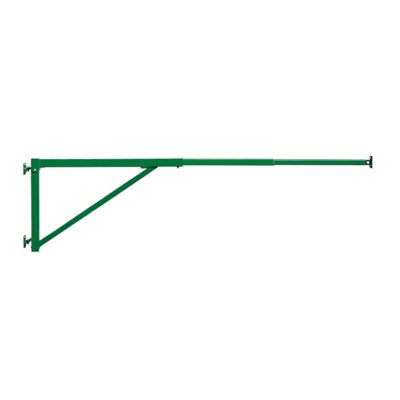
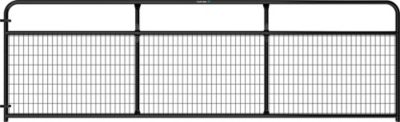
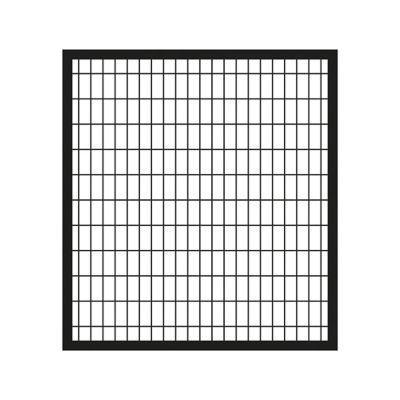
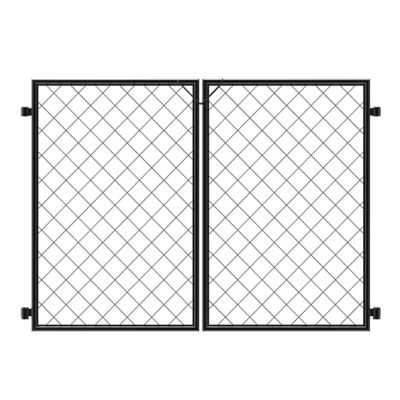
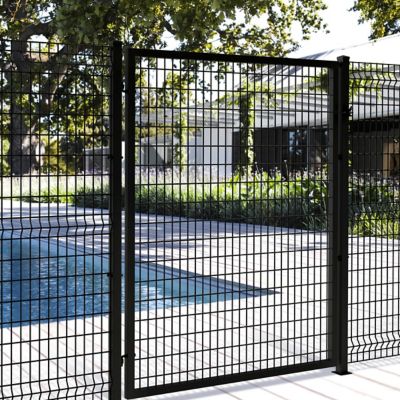
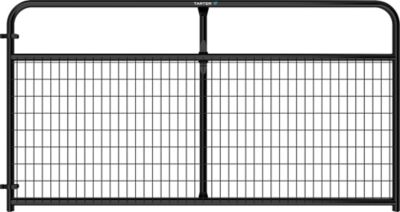
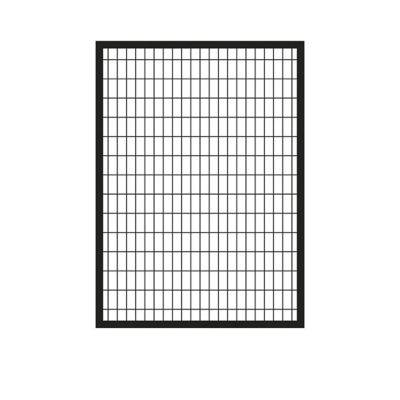
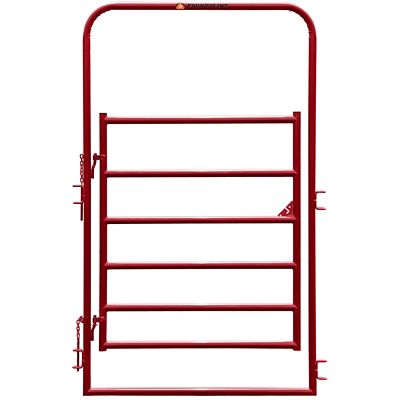
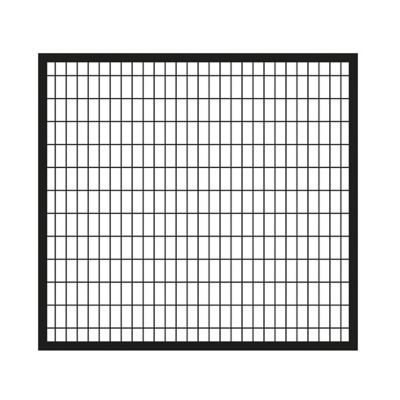
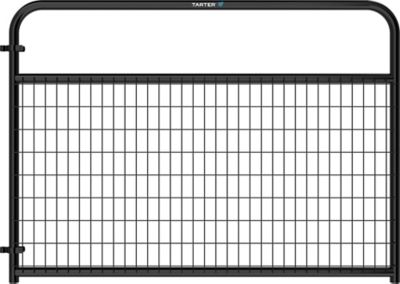
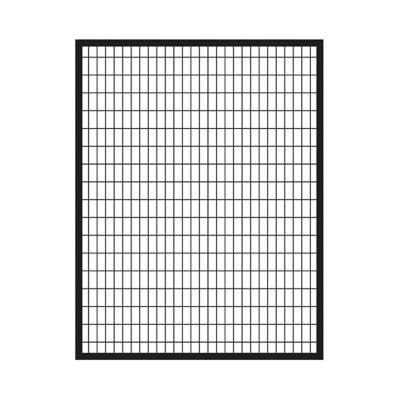
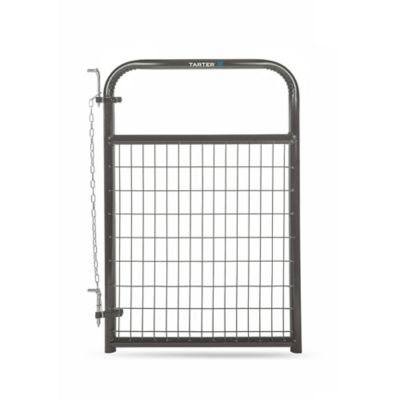
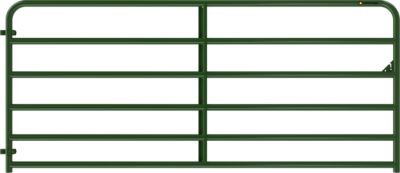
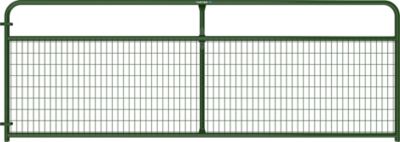
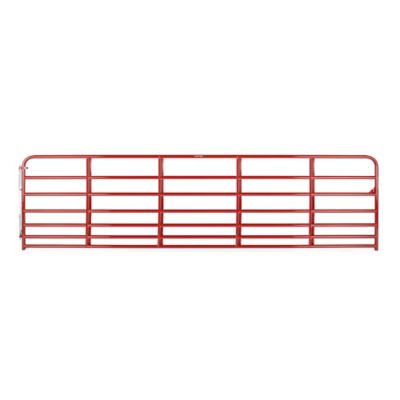
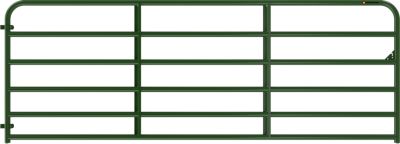
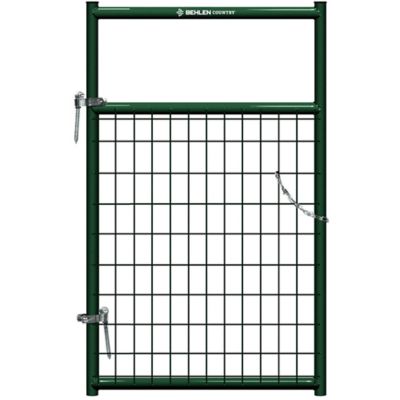
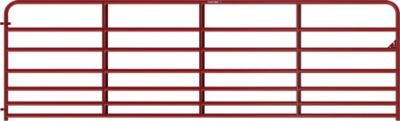
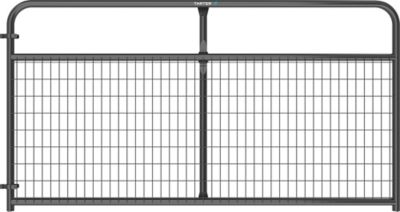
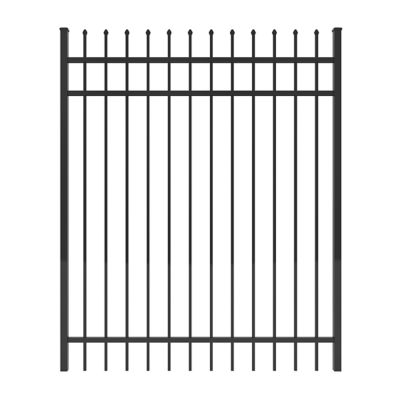
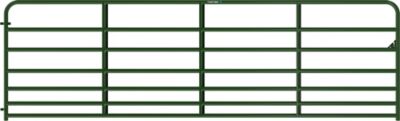
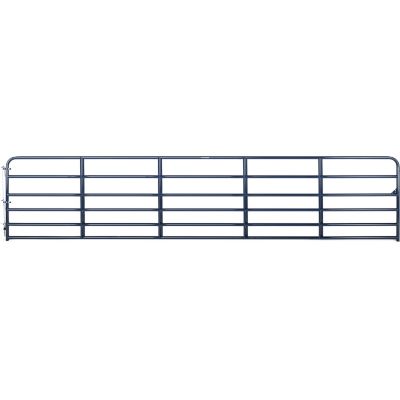
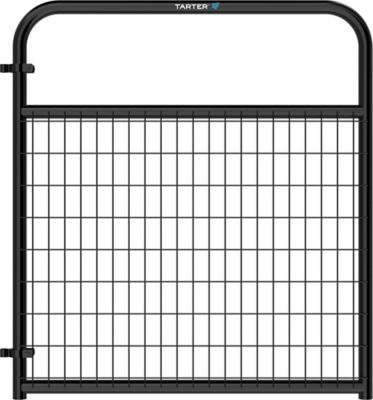
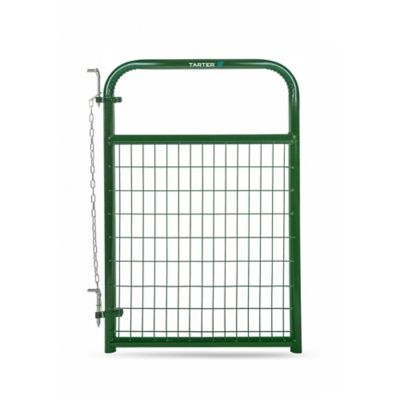
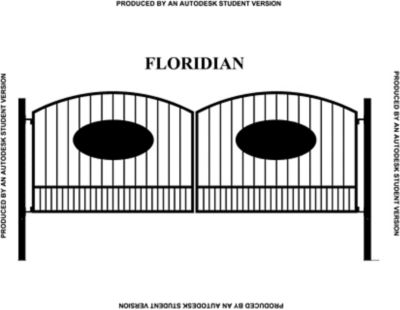
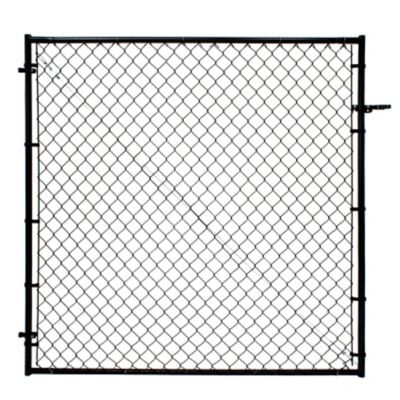
Metal gates control access to driveways, pastures, yards and walkways while giving people, vehicles and livestock a clear place to pass. The right gate fits both the opening and the work happening on either side of it. Driveway gates provide vehicle access and may have a single swinging panel, two swinging panels or a sliding design. Pedestrian gates suit footpaths and side entrances, while garden gates mark off planting areas and yard spaces. Farm gates help manage movement between pens, paddocks and lanes, with construction that varies according to the animals and application. Security-focused designs may have taller frames, closely spaced pickets or other features that limit access, though the surrounding fence, posts and locking hardware matter just as much. Steel is a common choice for its strength and rigidity, especially where a gate needs to span a broad opening or handle frequent operation. Tubular steel construction offers an open look and can reduce weight compared with some solid-metal designs. Aluminum generally weighs less than comparable steel construction, making it worth considering where easier handling is important. It does not develop the red rust associated with iron-based metals, but its finish, fasteners and connections still deserve attention. Galvanized steel has a zinc coating that helps resist corrosion, while painted and powder-coated finishes provide a protective barrier and a finished appearance. No finish makes a gate maintenance-free. Frame design, tube wall thickness, welds and hardware all contribute to how a gate holds up in daily service. An open rail gate can keep a pasture entrance easy to see through, while mesh infill or closer picket spacing may better suit an area where smaller animals need containment. A gate beside a vegetable patch has different demands than one at a cattle lane, so intended use matters more than appearance alone. For livestock areas, the manufacturer’s stated application and animal suitability are important details, not assumptions to make from the gate’s size or weight.
Fit goes beyond the distance between two fence posts. A gate needs space for hinges, a latch and the clearances specified for its design, so the nominal gate width may not equal the opening required for installation. Height matters, too, both for the purpose of the enclosure and for how the gate lines up with the adjoining fence. At a driveway, the useful opening should accommodate more than the everyday pickup. A hay trailer, tractor attachment or delivery vehicle may need extra room, especially where the approach bends before reaching the entrance. Turning space and the position of nearby fences can affect access even when the opening itself looks generous. Single-swing gates keep the layout straightforward, but the full panel needs an unobstructed arc. Double-swing gates divide the opening between two leaves, reducing the swing distance of each leaf while adding a center meeting point and its associated hardware. Sliding gates move alongside the fence rather than across the entrance, which can suit sites with limited swing room, provided there is enough side clearance and a suitable support arrangement. For entrances where vehicle access is the main job,
Steel Gates for Driveways offers a closer look at that category. Ground contour also affects fit: a rising driveway can interfere with a swinging panel, and an uneven threshold can leave more space beneath one end than the other. That bottom clearance deserves special attention around animals. A gap that clears a driveway comfortably may not suit a small-animal enclosure. Posts need to support the gate’s weight and leverage, not simply match its height. A long steel panel places substantial force on the hinge side, so sound posts, appropriate footings and compatible hinge hardware are part of the gate system. Existing fence posts may need evaluation before taking on that load, particularly where an older entrance is being widened.
Everyday handling often comes down to the smaller parts: hinges that turn smoothly, a latch that meets its catch without lifting the frame and hardware suited to the gate’s weight and purpose. Adjustable hinges can help accommodate alignment needs, but they cannot make up for a loose post or an undersized support. Latch placement should work for the people using the entrance while accounting for the animals nearby. A chain closure, gravity latch and lockable latch each handle access differently; compatibility with the gate and post is more important than choosing by appearance. Where livestock move through an opening, smooth surfaces and well-fitted hardware help reduce snag points. Rail spacing and any mesh openings need to suit the species and size of the animals, including younger animals that may fit through spaces an adult cannot. A gate should not be treated as a crowding barrier or a place for animals to push unless its construction and stated purpose support that work. Around the home place, the same attention to function makes chores easier: a walkway gate should leave room for a wheelbarrow, feed cart or mower if those regularly pass through. Care is generally straightforward, but it pays to catch small problems before the latch stops lining up. Soil and manure buildup around the bottom edge can interfere with movement and hold moisture against metal. Cleaning methods should follow the finish manufacturer’s recommendations, with attention to corners, joints and areas around hardware. Scratches, chipped coatings and corrosion spots deserve prompt attention with a treatment compatible with the original finish. Hinges and other moving parts may need lubrication as directed, and loose fasteners or worn latch components need attention before they affect operation. A gate that starts dragging can signal a hinge issue, shifting support or frame damage rather than a problem solved by forcing it shut. Matching the material, opening, hardware and enclosure purpose helps a metal gate earn its place through the daily rounds, whether that means moving cattle between paddocks, bringing equipment into a field or keeping a yard entrance neatly defined.