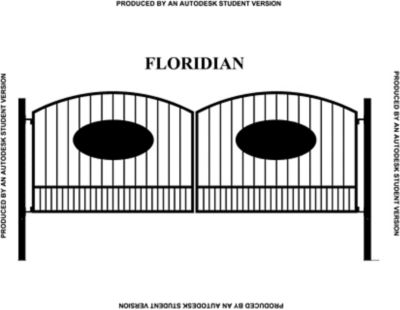
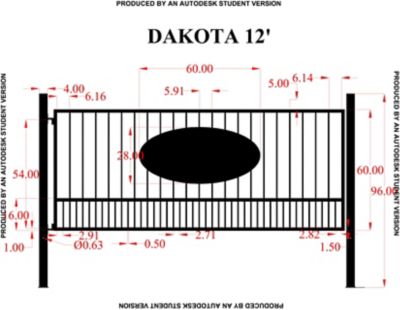
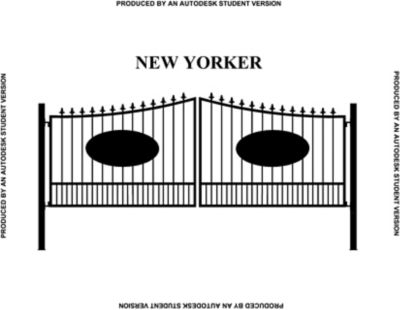
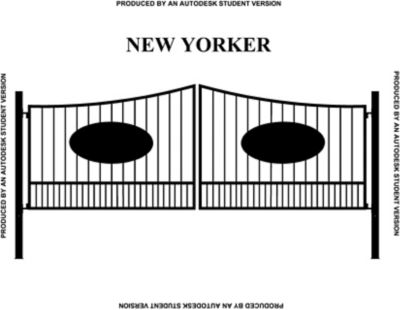
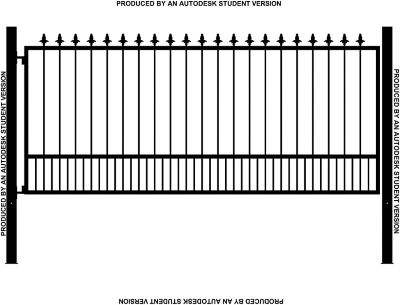
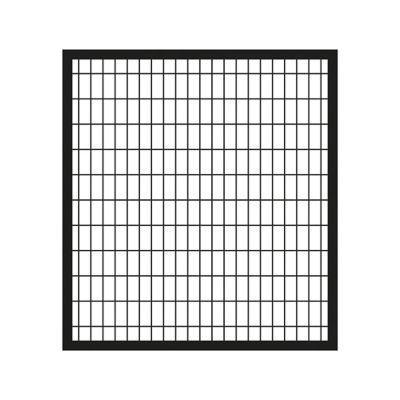
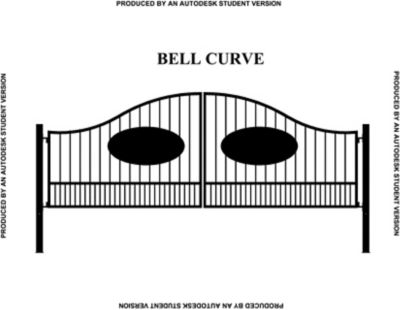
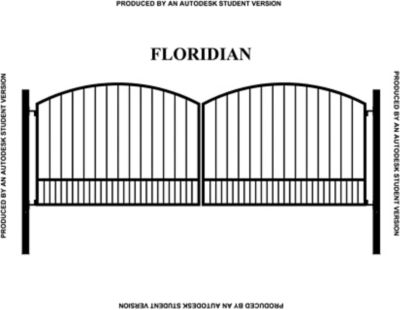
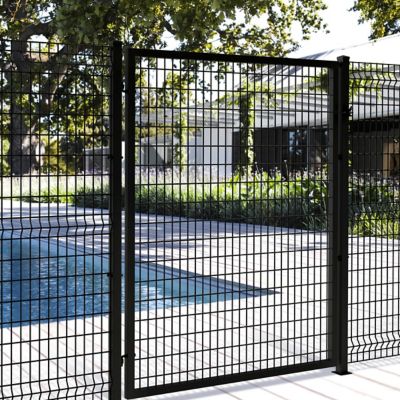
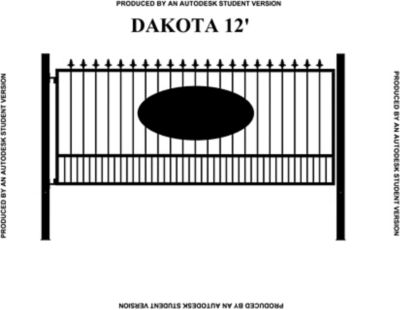
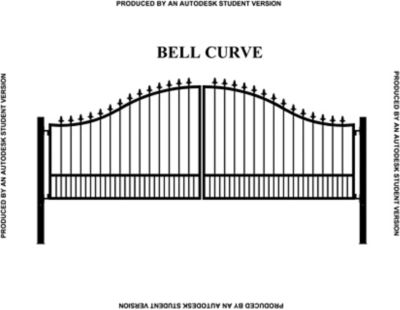
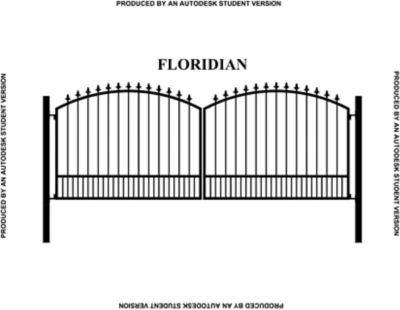
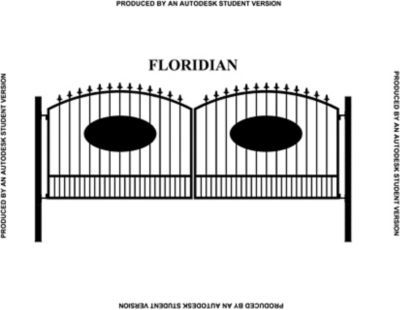
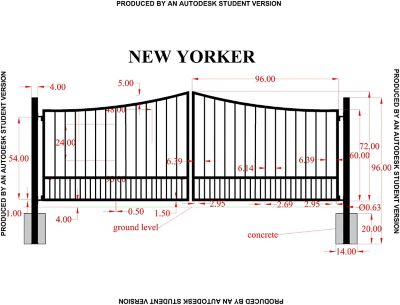
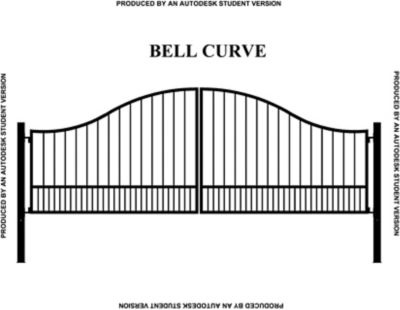
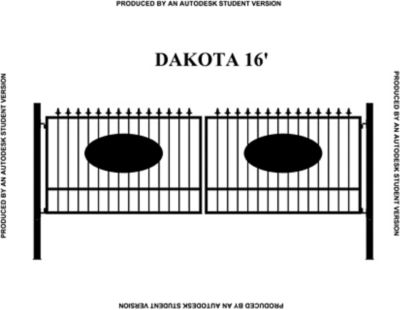
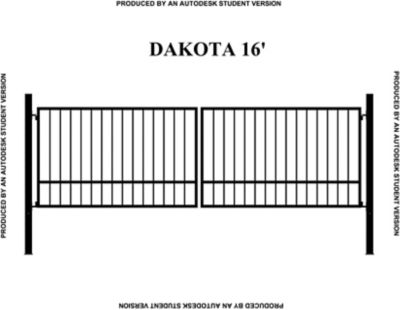
Steel gates for driveways create a defined entrance, help control vehicle access, and give a home, farm, or acreage a more finished look. Their rigid frames suit entrances where pickups, feed deliveries, horse trailers, and everyday family traffic share the same lane. Steel brings strength to a gate frame, but its construction, protective finish, hardware, and supporting posts all affect how well the entrance holds up over time. Tubular steel frames offer a different balance of weight and strength than heavier solid-bar construction, so overall weight alone does not tell the whole story. Galvanized steel has a zinc coating that helps protect against corrosion, while powder coating provides a finished surface and another protective barrier. Some gates combine both treatments. Welds, joints, edges, and hardware attachment points deserve attention because damage in those areas can affect both appearance and service life. The right look depends on the setting as much as the house. Straight rails and flat tops fit a simple country entrance, while arched profiles and ornamental details can lend a more formal feel to a long drive. Open-bar designs preserve views toward the road and make it easier to see approaching vehicles. More closely spaced or solid sections provide greater screening, although they also change the gate’s weight and the demands placed on its supports. Homeowners may want a clear boundary between the road and the yard; farm and ranch owners may need an entrance that keeps routine traffic moving without leaving the lane open between trips. A driveway gate can discourage casual entry, but it is only one part of property security. Its effectiveness depends on the latch or locking system, adjoining fencing, and the way the entrance is managed. Where animals share the property, bar spacing and ground clearance also matter. A vehicle entrance gate should not automatically be treated as suitable containment for every animal.
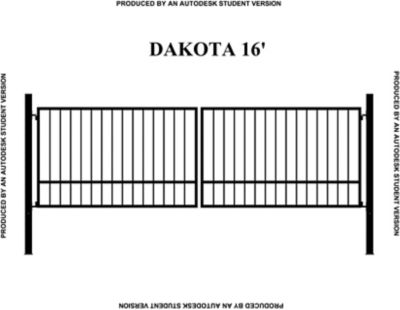
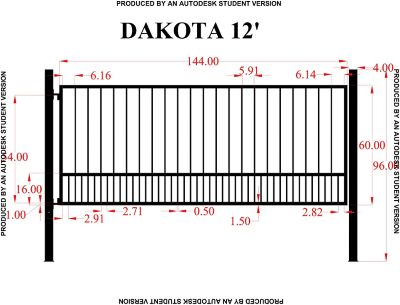
Fit starts with the entire entrance, not just the distance across the drive. Common residential driveway openings are roughly 12 to 16 feet wide, and many driveway gates stand about 4 to 6 feet high, but farm lanes and trailer entrances often call for different dimensions. Stated gate width may not equal the finished opening between posts, so manufacturer specifications for hinge and latch clearance matter. A wide entrance is especially helpful where a truck and livestock trailer must turn off a narrow road rather than approach in a straight line. The gate also needs enough setback for a waiting vehicle to clear the roadway while the entrance opens. Single-swing gates have one moving panel and need a clear arc on one side of the opening. Dual-swing gates split the span between two panels, reducing the reach of each leaf and giving the entrance a balanced appearance. That arrangement still needs suitable support at both sides and a way to secure the meeting point. Sliding steel gates move sideways instead of swinging across the drive, making them worth considering where there is little room for an opening arc. A tracked sliding gate needs a suitable running surface and a clear track. A cantilever gate carries the opening section without a track across the driveway, but its support arrangement generally requires additional space beside the entrance. Neither sliding style eliminates the need for careful planning around fence lines, trees, utility boxes, or parked equipment. Sloping ground can complicate a swing gate’s travel, and gravel buildup or ruts can reduce clearance beneath any low-hanging panel. Posts, hinges, rollers, and latches need ratings suited to the gate’s dimensions and weight; a substantial panel on undersized supports can sag or become difficult to operate. Comparing these entry layouts with the broader range of
Metal Gates can help narrow the search to a style that fits both the driveway and the surrounding fence.
Daily use is where the smaller details earn their keep. A latch that is easy to reach from the driveway, hinges that allow smooth movement, and a sensible place for the gate to rest when open all make an entrance less of a chore. Manual operation can suit an entrance opened only occasionally, while a compatible automatic opener can be handy for a household making several trips a day or a farm lane with regular vehicle traffic. Opener selection depends on gate type, panel length, weight, operating frequency, and the manufacturer’s installation requirements. A single-swing setup, a dual-swing setup, and a sliding gate do not all take the same equipment. Power supply, control access, and a manual release also deserve consideration before an automated system becomes part of the entrance. Safe operation requires properly installed entrapment protection, such as monitored photoelectric sensors or sensing edges where specified, along with the clearances and safeguards required for the system. Children and animals should stay clear of moving gates, and a separate pedestrian entrance can keep people from walking through a vehicle gate’s travel path. For the steel itself, straightforward care helps preserve the finish and keeps small problems from growing. Gentle cleaning removes dirt and residue without grinding them into the surface; harsh abrasives can damage protective coatings. Scratches, chipped areas, and exposed steel need attention according to the finish manufacturer’s recommendations rather than a coat of whatever paint happens to be in the shop. Hinges, fasteners, latches, rollers, and opener mounting points also benefit from regular inspection, with lubrication only where the hardware instructions call for it. Sagging, dragging, or a latch that no longer lines up can point to movement in the supports or wear in the hardware, not just a stubborn gate. A well-matched steel driveway gate should suit the property’s traffic, leave room for the largest vehicle that regularly comes through, and remain practical to open, close, and maintain. That balance matters more than an elaborate entrance that gets in the way of everyday work.