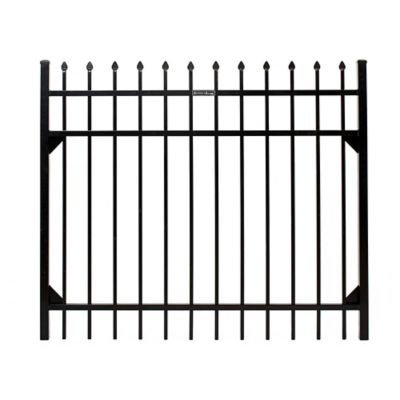
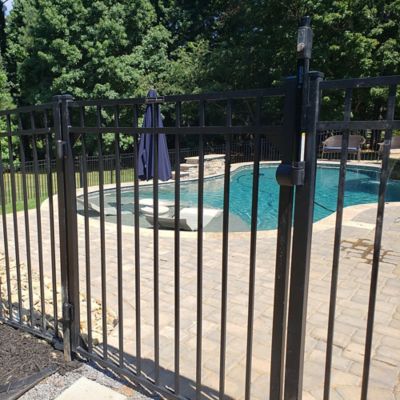
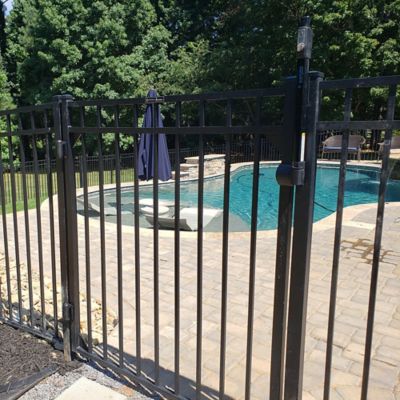
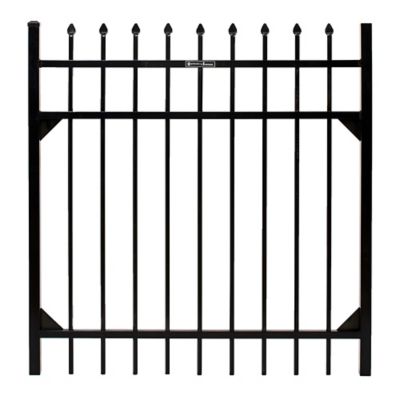
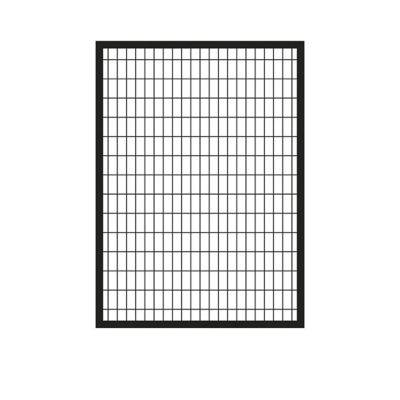
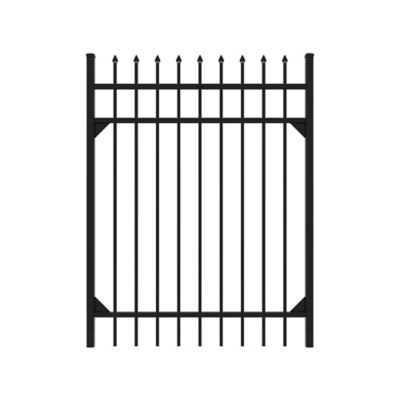
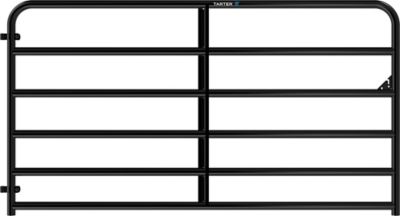
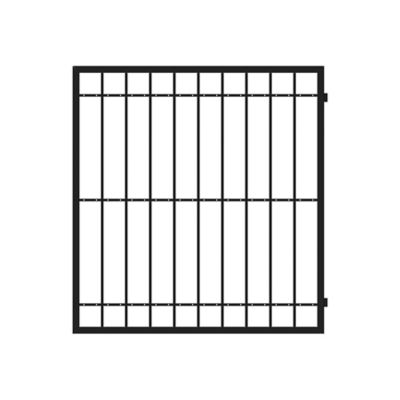
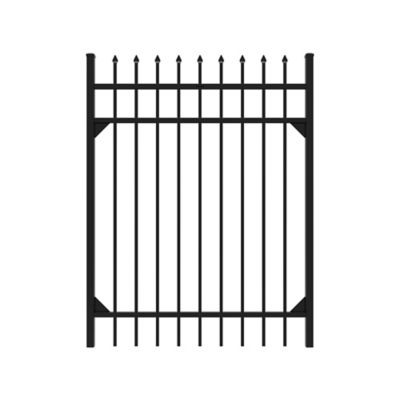
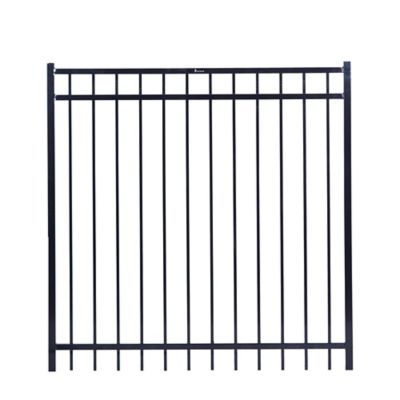
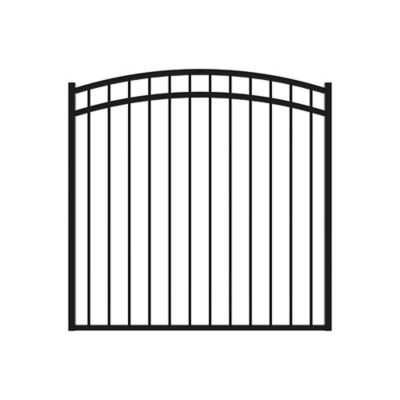
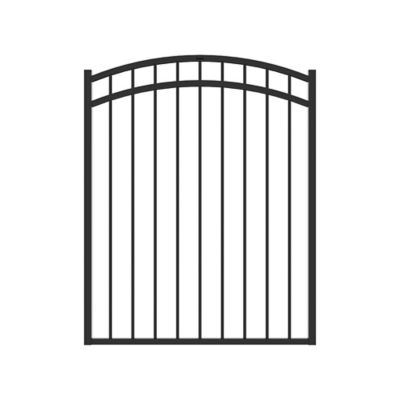
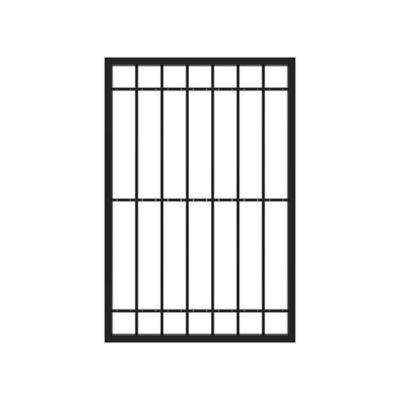
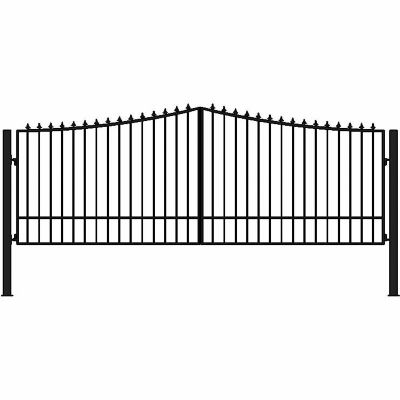
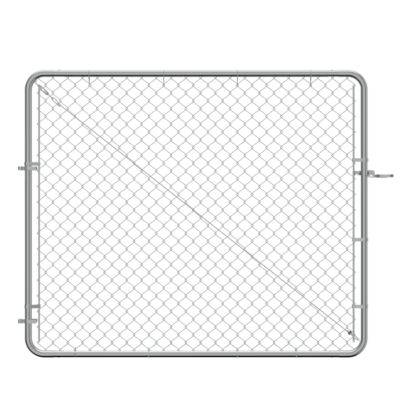
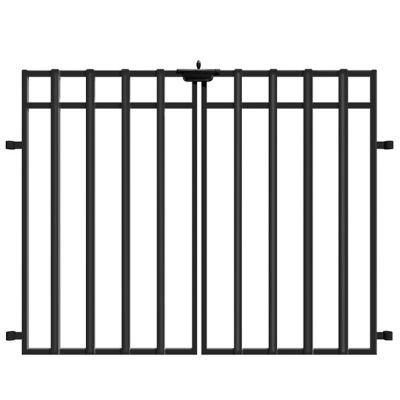
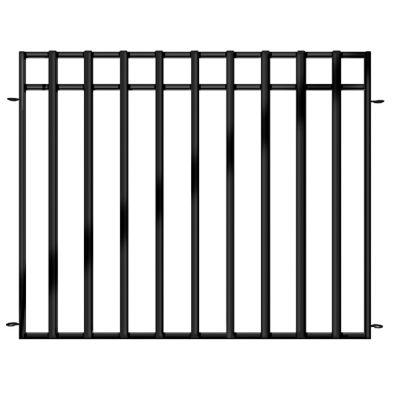
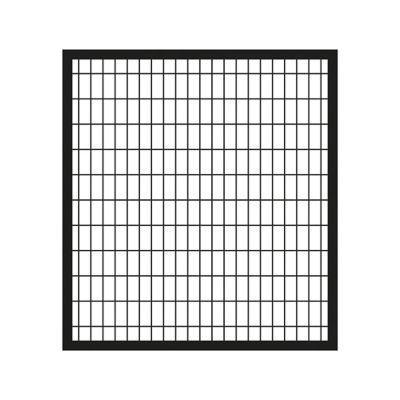
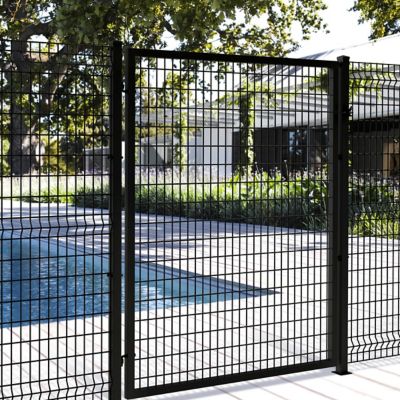
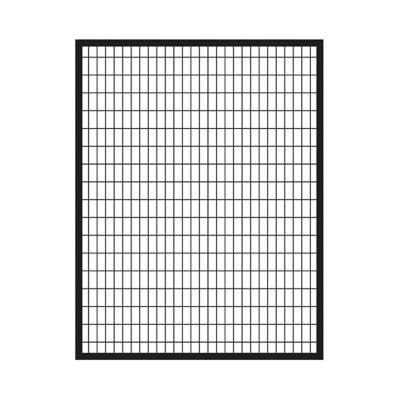
Black metal gates mark an entrance, help manage access and give a fence line a finished look without drawing attention away from the property around it. They can serve as a simple passage into a garden, a working entrance beside a barn or a wider opening along a driveway. The black color describes the finish, not the metal underneath: steel, aluminum and wrought iron each bring different weight, strength and upkeep needs. Steel offers substantial strength for farm and residential settings, with construction ranging from open tubular frames to closely spaced bars. Aluminum generally weighs less, making it easier to move by hand and placing less weight on hinges, though the frame design and intended application still matter. Wrought iron brings a substantial feel and can feature shaped details, but it also calls for attention to its protective finish. A gate with an iron-style appearance may be steel rather than wrought iron, so the material description tells more than the silhouette alone. Open designs keep sightlines clear across a yard or pasture, while closely spaced pickets create a more defined boundary. Solid or partly enclosed designs offer more screening, although their added weight and structural demands deserve consideration. For a farmhouse yard, straightforward vertical bars can sit comfortably beside wood rails, brick columns or wire fencing. Around a working property, a tubular frame can keep the entrance practical and easy to see through. Intended use matters more than appearance when animals are involved. A gate suitable for a garden entrance is not automatically suitable for holding livestock, and openings that contain a large animal may leave room for a smaller one to slip through. Height, bar spacing, lower gaps and latch placement all affect how well a gate suits its job. For households with pets or children, the gate belongs within a broader, properly planned enclosure rather than serving as the only safeguard. A good match starts with a clear purpose, whether that means keeping foot traffic on a path or giving equipment a proper way through.
Fit goes beyond the width printed in a description. Black metal gates need enough room for the gate frame, hinges, latch and normal movement, and the listed size may refer to either the gate itself or the opening it is meant to fit. Those measurements are not always interchangeable. An entrance that feels roomy on foot can become tight with a wheelbarrow, mower or loaded utility cart, especially when the approach requires a turn. For farm access, the widest equipment and its attachments matter more than the width of the tractor alone. Single swing gates keep the layout straightforward, while paired gates can divide a broad opening into two smaller leaves. Sliding designs follow a different layout and need clear space beside the entrance, along with compatible support and operating hardware. With any configuration, the path of movement matters: a rising grade, raised walkway edge or nearby fence corner can interfere with a gate that fits neatly between the posts. Clearance underneath should support smooth operation without leaving an opening that defeats the purpose of the enclosure. Posts and mounting points carry the moving load, so a heavier gate needs supports and hinges suited to its size and weight. Existing wood posts, masonry columns and metal posts may call for different mounting hardware; a sound-looking post is not necessarily the right support for every gate. Hardware also shapes the everyday experience. A latch that is easy to reach while carrying a feed bucket can make a frequently traveled entrance much less awkward, while a lockable latch can help restrict access where needed. Self-closing hinges and latching mechanisms need compatibility with the gate rather than an assumption that any combination will work. Automated driveway gates add further considerations, including entrapment protection, emergency access and professional installation that follows applicable safety standards. Around walkways, thoughtful swing direction helps keep the moving gate clear of people passing nearby. These details make the difference between an entrance that simply fills a gap and one that works comfortably through repeated trips.
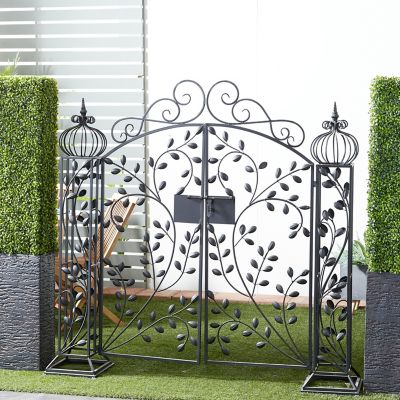
The finish on a black metal gate contributes to both its appearance and its service life. Paint and powder coating form protective barriers, but neither makes the underlying metal immune to scratches, wear or corrosion. Steel and iron benefit from prompt attention wherever bare metal appears, particularly at joints, lower edges and spots where hardware rubs. Aluminum resists red rust, though its finish and fasteners still deserve care. Cleaning generally starts with a soft cloth or brush and a mild cleaner suited to the finish, followed by rinsing and drying as directed by the manufacturer. Harsh abrasives can scratch the coating, and an incompatible touch-up product may not bond well. Hinges, bolts and latches need occasional attention, too: loose hardware, dragging movement or a latch that no longer lines up can point to an adjustment or support issue. Keeping soil, mulch and plant growth away from the bottom edge leaves room for movement and makes trouble easier to spot. Practical care does not have to spoil the look of the entrance. Black provides a strong outline against pale gravel, green planting beds and natural wood, and it can connect separate features across a property without making every detail identical. Along a garden path, a gate can pair naturally with
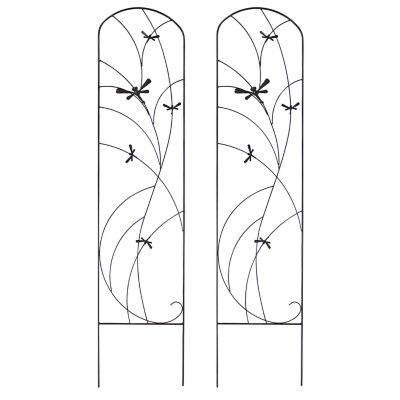
Black Metal Garden Arbors, creating a clear transition from the open yard into a planted space. Straight bars suit a simple fence line, while curved tops and shaped metalwork lend a softer outline near a porch or flower garden. Matching the gate’s scale to its surroundings helps a small walkway entrance feel welcoming and a broad farm entrance feel properly proportioned. Whether the setting is a vegetable patch, a backyard fence or the lane beside the barn, black metal gates bring together access, boundary definition and a look that fits comfortably alongside everyday country life.