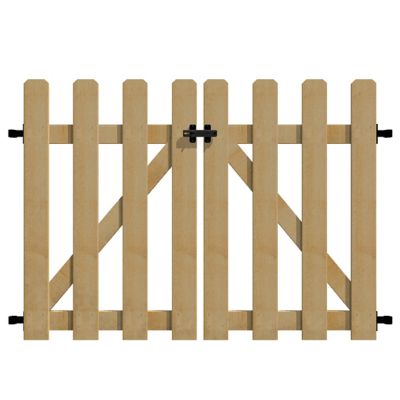
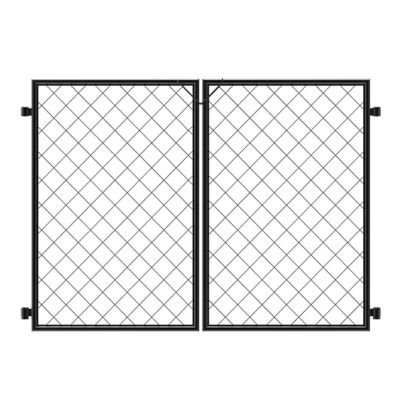
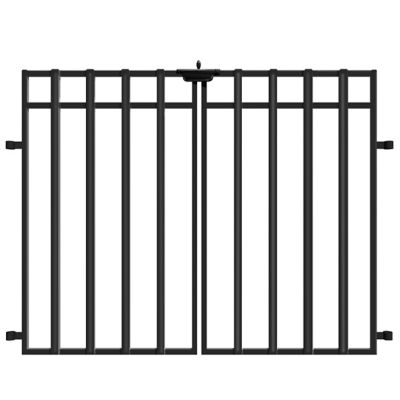
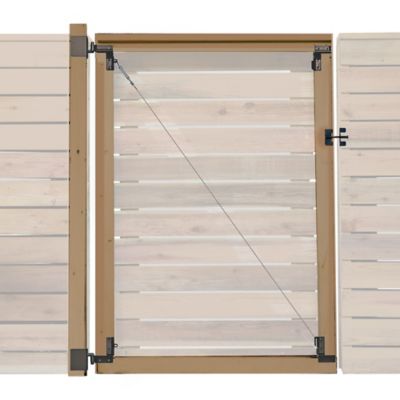
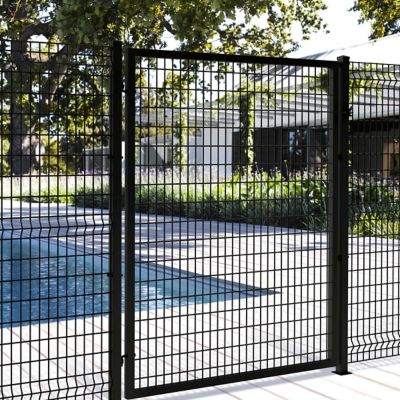
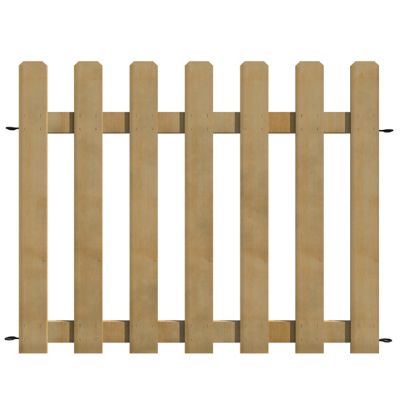
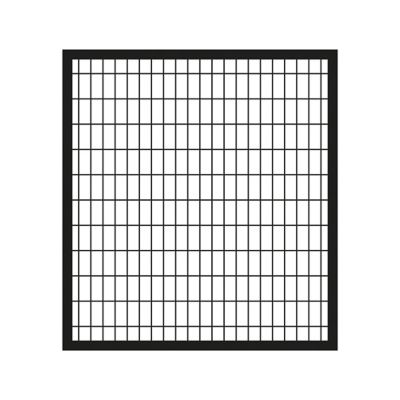
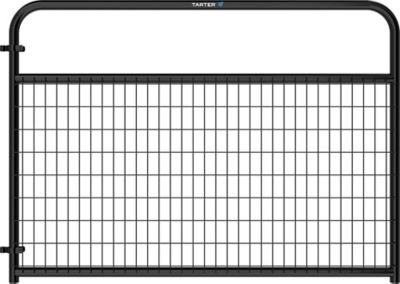
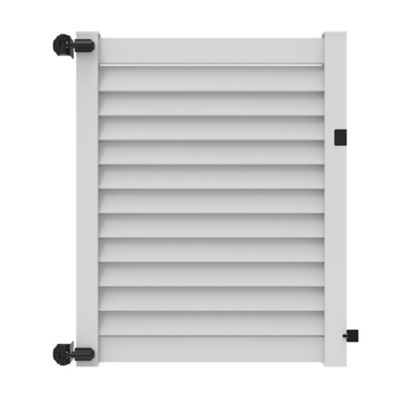
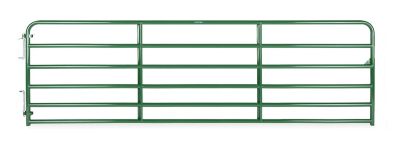
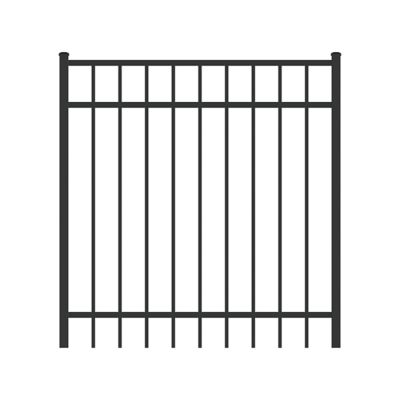
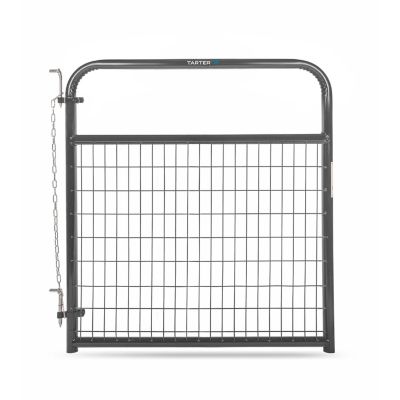
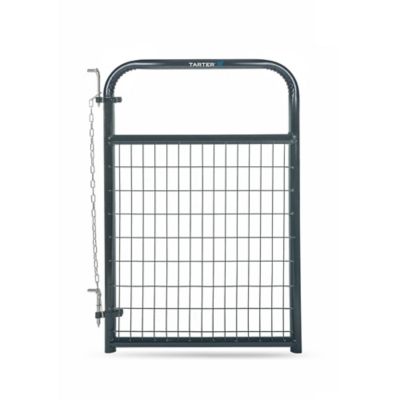
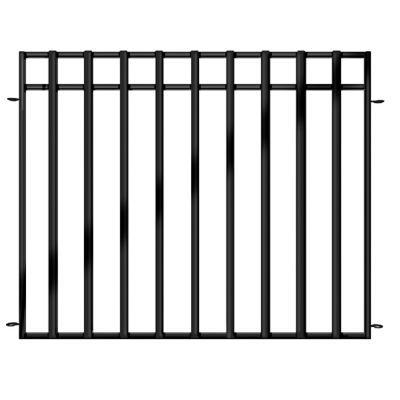
Garden gates bring a finished look to outdoor spaces while helping mark the line between the yard, garden, driveway, and the rest of the property. A well-placed gate can turn a simple fence opening into a welcoming entry, keep dogs and other animals where they belong, and add a little order to a growing garden. They’re useful around vegetable plots, flower beds, herb gardens, orchards, side yards, utility areas, and paths leading to a barn or outbuilding. Some folks choose a gate to keep curious pets from nibbling seedlings, while others need a dependable way to guide children, guests, or livestock away from areas that need protection. When choosing garden gates, start with the opening they’ll fill and measure carefully, including the width, height, and available room for hinges and latch hardware. Think about how the gate will swing, whether the ground is level, and if there’s enough clearance for wheelbarrows, lawn equipment, a riding mower, or a small utility cart. A narrow entry may work for foot traffic, but a wider garden gate is often more practical when hauling compost, mulch, firewood, or harvested vegetables. The gate should also suit the fence or boundary around it so the finished setup feels sturdy and intentional rather than pieced together. Materials, finish, and construction all matter outdoors, where gates face sun, rain, mud, dust, and changing temperatures. Wood can bring a warm, traditional character to a cottage garden or country property, while metal offers a clean outline and dependable structure. For a strong, timeless look that works with many fence styles, browse
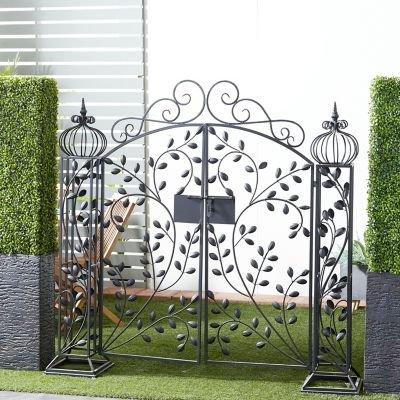
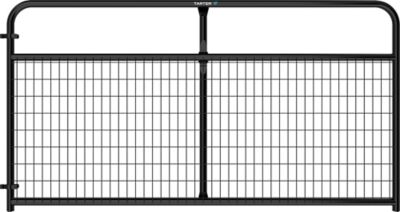
Black Metal Gates. A dark finish can blend into leafy landscaping, frame colorful blooms, and complement gates, railings, planters, or outdoor furniture already around the home.
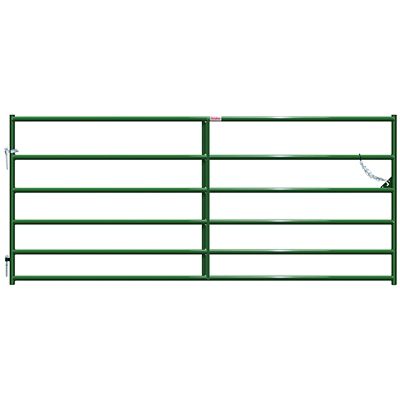
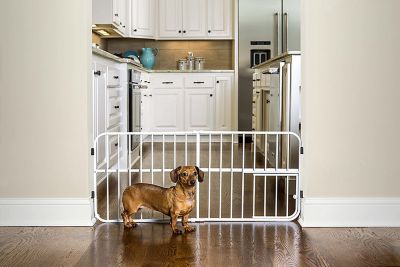
Consider the everyday work a garden gate will need to handle before settling on a style. A gate used several times a day should open smoothly and close securely without dragging across the ground. If it will be part of a pet enclosure, pay close attention to the spacing of the bars or pickets and the height of the gate, since determined dogs can squeeze through surprisingly small gaps or try to climb low barriers. For garden protection, a gate with closer spacing may help discourage rabbits and other small visitors, especially when paired with suitable fencing along the rest of the boundary. Around a homestead, the best choice may be one that stands up to muddy boots, frequent trips, and contact with tools or equipment. Look for solid hinges, a dependable latch, and a frame that feels square and balanced when opened. Hardware should match the gate’s weight and intended use; a decorative latch may be fine for a quiet flower garden, while a busy side yard or animal area benefits from a more secure closure. Placement makes a difference, too. A gate at the end of a gravel path can create a natural transition into a private garden, while one near the driveway may make it easier to move supplies in and out. Leave room for seasonal changes in the ground, since soil can swell, settle, or soften with rain and frost. Good drainage around the posts helps reduce standing water and muddy footing, and a firm, well-prepared base helps keep the gate aligned over time. During the warmer part of the growing season, a garden gate sees plenty of traffic as plants are watered, weeds are pulled, and produce is carried indoors. During cooler months, it can still serve as a useful boundary for leaf cleanup, firewood storage, tool areas, and protected plantings.
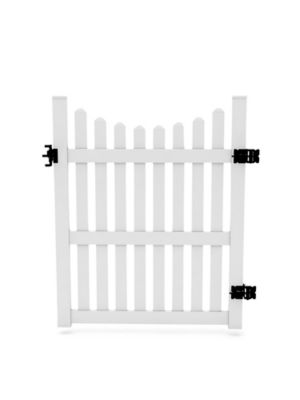
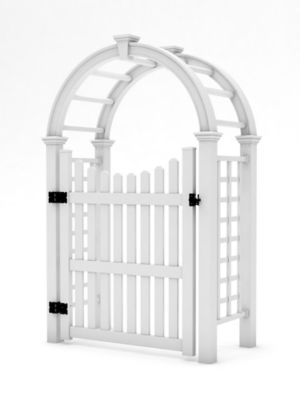
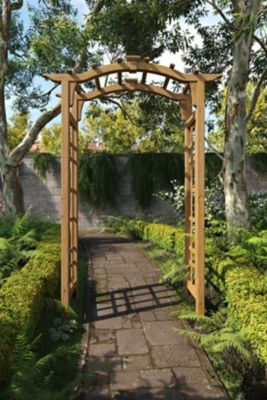
Garden gates also offer an easy way to add personality without changing the whole property. A simple gate can make a straight fence feel more inviting, while an arched or detailed design can suit a tucked-away flower garden, country cottage, or old-fashioned vegetable patch. Choose a finish that works with the surrounding landscape and the amount of upkeep you’re willing to handle. A gate tucked beneath trees may show moss, pollen, and dampness more readily than one in an open, sunny area, while a gate near a driveway may collect dust and road grit. Wiping away buildup, checking the hinges, and tightening hardware from time to time can help keep the entry working smoothly. Inspect the bottom edge if the gate sits near grass or soil, and trim back vines or fast-growing plants before they wrap around the frame or block the latch. For a property with several outdoor spaces, matching gates can create a pulled-together look from the front garden to the backyard and out toward the barn or shed. They can also make thoughtful housewarming gifts for someone settling into a rural home, starting a first vegetable garden, or improving a pet-friendly yard, especially when the recipient has been talking about making an outdoor space more useful. Whether the goal is to keep animals out, pets in, equipment accessible, or guests welcomed along a garden path, the right garden gate adds practical value and a little character every time it swings open.