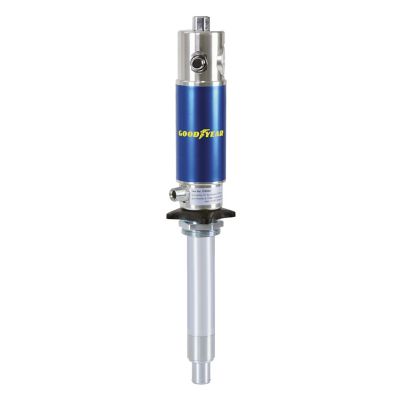
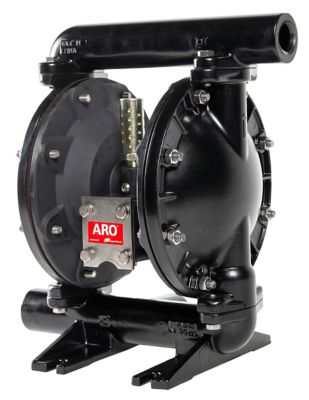
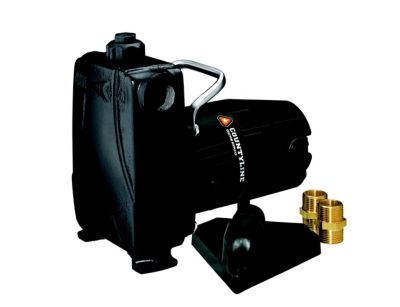
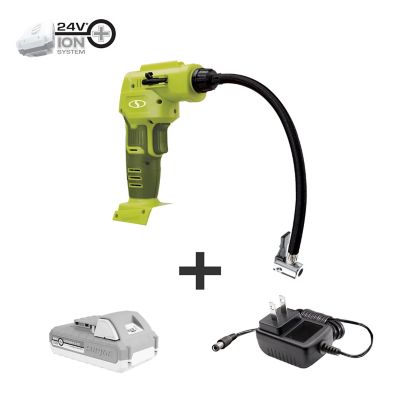
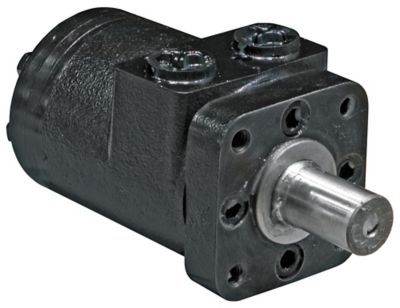
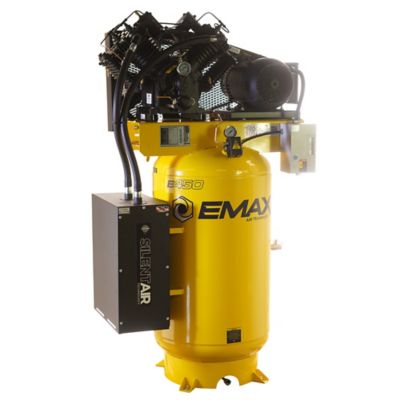
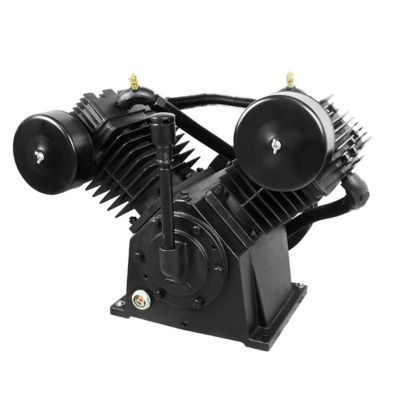
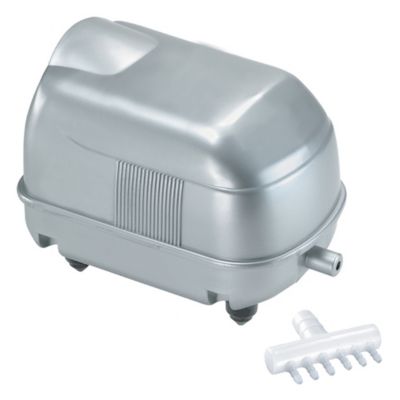
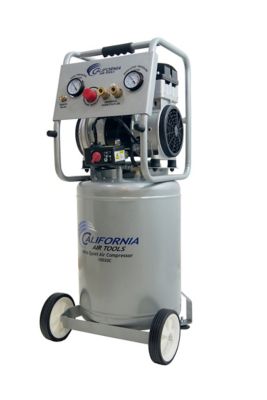
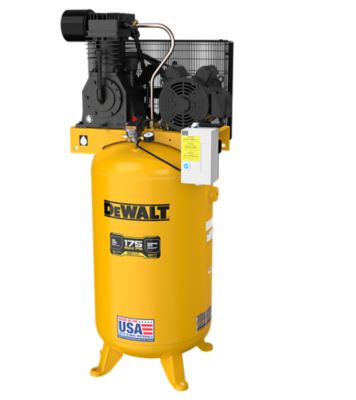
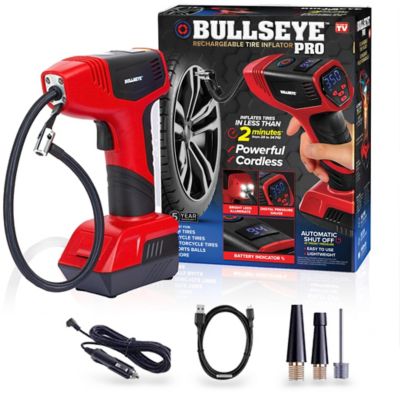
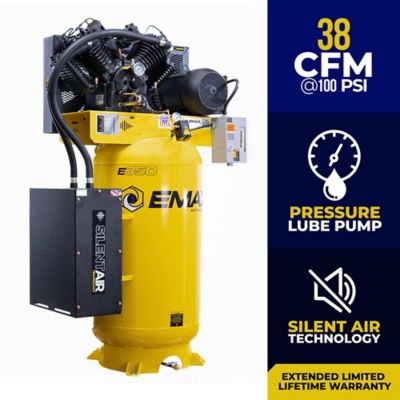
Air motor pumps, also called pneumatic pumps, use compressed air to move fluids or create air or vacuum flow instead of relying on an electric motor. That makes them useful around farms, workshops, garages, service trucks, processing areas and other places where dependable fluid handling matters. Depending on the design, an air motor pump may transfer water, oil, grease, fuel, cleaning solutions or other liquids; move thick or gritty materials; or power hydraulic equipment such as jacks, presses and clamps. Air-operated diaphragm pumps use two flexible diaphragms and a reciprocating air valve to move liquid through the pump chamber. This design can handle many viscous, abrasive or corrosive fluids, making it a practical choice for maintenance work, chemical handling and washdown tasks when the pump materials are compatible with the fluid. Pneumatic drum pumps use an air motor mounted above a long immersion tube, allowing liquid to be drawn from barrels, totes and tanks without lifting or tipping the container. Air-driven hydraulic pumps, on the other hand, turn shop air into high-pressure hydraulic output for lifting and clamping jobs. Small air and vacuum pumps serve lighter-duty needs, including inflatables, small equipment and hobby projects. When comparing air motor pumps, start with the job rather than the pump alone. Check the type of fluid, its thickness and temperature, whether it contains grit or chemicals, the distance and height the liquid must travel, and the flow rate or pressure required. A pump built for clean water may not be suited for petroleum products or harsh cleaners, while a pump intended for thick fluids may be more than you need for a simple transfer. Look closely at body, diaphragm, seal and hose materials, along with inlet and outlet sizes, immersion tube length and the connection style used by your air compressor.
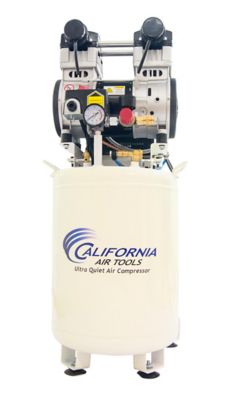
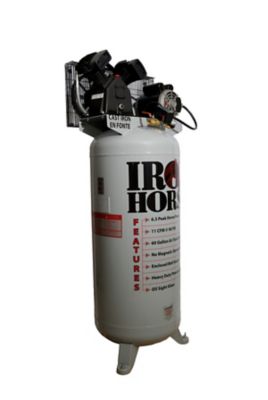
A steady supply of clean, dry compressed air is one of the most important parts of a reliable setup. Review the pump's required air pressure and air consumption, then make sure the compressor can keep up without running constantly. An inline filter, regulator and lubricator may help protect the air motor and provide better control, although the equipment instructions should always guide the setup. Regulating incoming air pressure makes it easier to adjust pump speed and flow, which is handy when transferring a delicate liquid, filling a container slowly or working with a thick material that moves better at a measured pace. Air motor pumps can also be a smart option in locations where electrical switches, brushes or sparking components are a concern. Because they run on compressed air, they do not introduce the same electrical ignition source as many powered pumps. That does not automatically make every pneumatic pump safe for every hazardous location, though. When handling gasoline, solvents, grain dust, gases or other flammable materials, choose equipment specifically rated for the environment, follow local requirements and use proper bonding, grounding and ventilation practices. One useful feature of many air-operated pumps is stall protection: if the discharge side is closed or the pump meets heavy resistance, the air motor can stop without the electrical overheating that can damage a conventional motor. Even so, a closed valve should never be treated as permission to ignore operating instructions. Excessive pressure, incompatible fluids, a blocked hose or a dry-running condition can still cause trouble. Use the right hose and fittings, secure the connections, keep hands and loose clothing away from moving parts, and relieve air pressure before cleaning, changing hoses or servicing the pump.
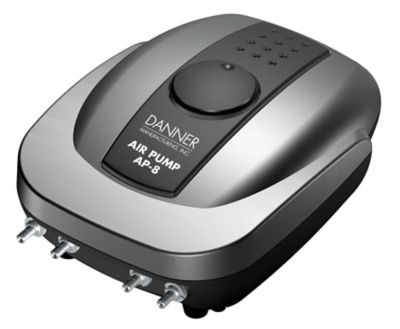
These pumps fit a wide range of users, from a livestock producer moving treatment solutions or transferring fluids around the barn to a mechanic supplying hydraulic tools in a busy shop. They can help maintenance crews empty drums, help contractors handle coatings and cleaning fluids, and give a home workshop a flexible way to power equipment where electricity is inconvenient. An air motor pump may also make a practical gift for someone who spends weekends repairing tractors, maintaining equipment or building projects in a shop, especially when you know the compressor size, fittings and type of work already on hand. For smaller air-moving jobs, it can be useful to compare air motor pumps with related equipment such as
Aerator Pumps, which are designed for adding oxygen to ponds, tanks and other water systems rather than transferring liquids through a hose. Before buying, consider portability, handle placement, pump weight, noise, maintenance access and whether replacement diaphragms, seals or other wear parts are available. A compact pump may be convenient for carrying between outbuildings, while a heavier model can offer the capacity needed for regular drum or tank work. In a dusty barn or muddy equipment area, simple controls and rugged construction can matter just as much as maximum flow. During warmer weather, these pumps can help with washdown, water handling and routine field maintenance; during the cooler months, they remain useful for shop repairs, equipment servicing and moving fluids in sheltered work areas. Store the pump clean and dry, drain lines when appropriate, protect hoses from sharp edges and freezing conditions, and follow the recommended inspection schedule. With the correct air supply, compatible materials and a little routine care, air motor pumps can provide steady, controllable service for the everyday jobs that keep a farm, ranch or workshop moving.