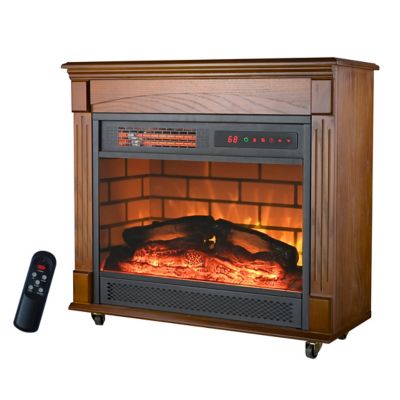
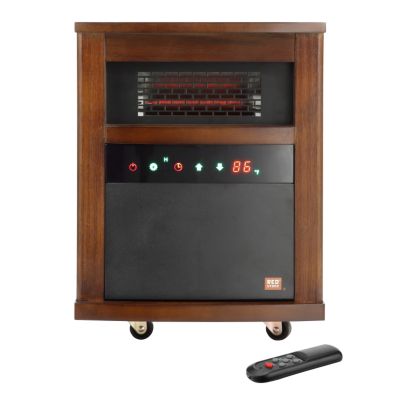
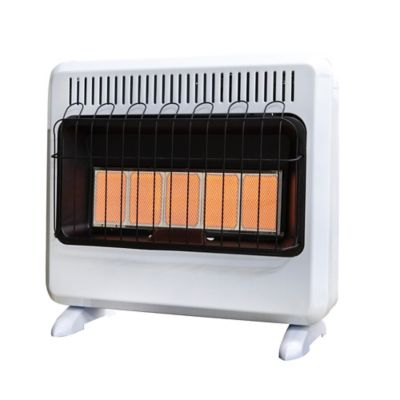
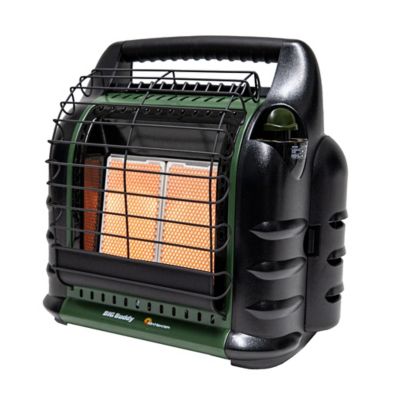
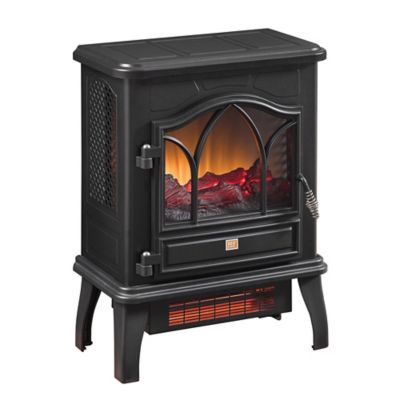
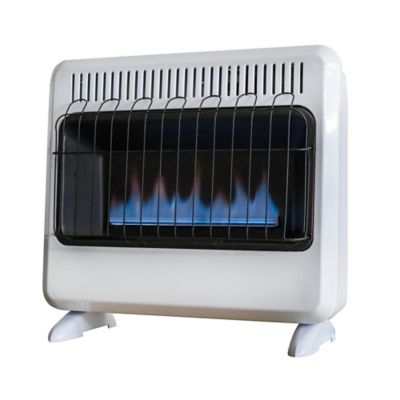
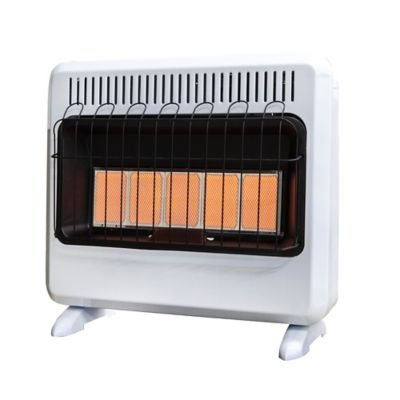
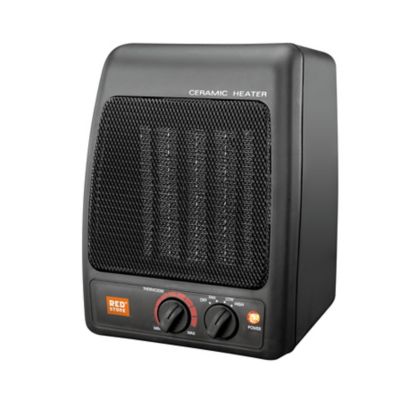
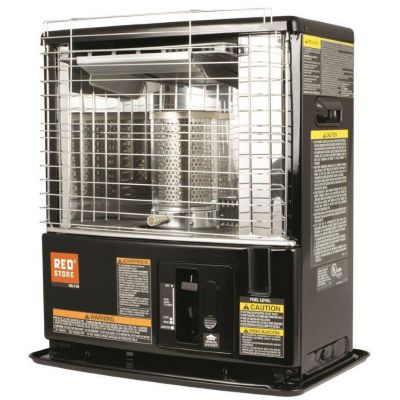
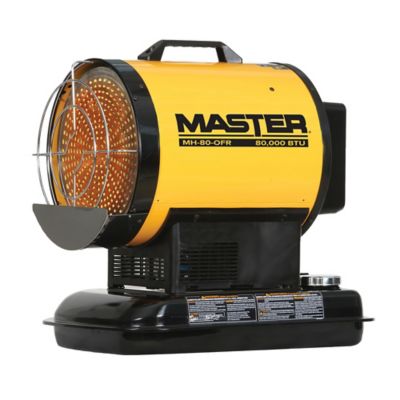
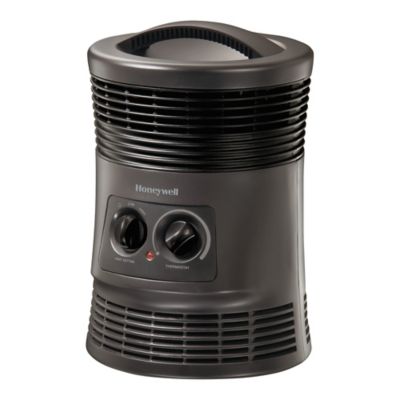
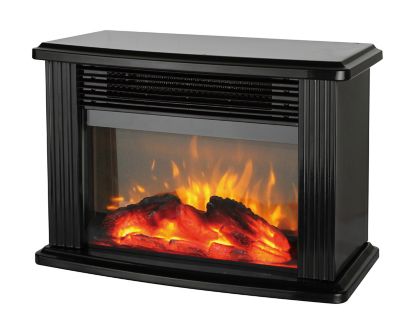
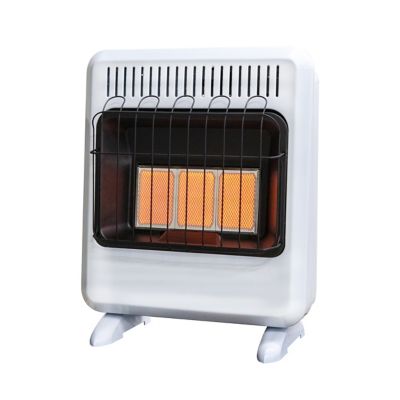
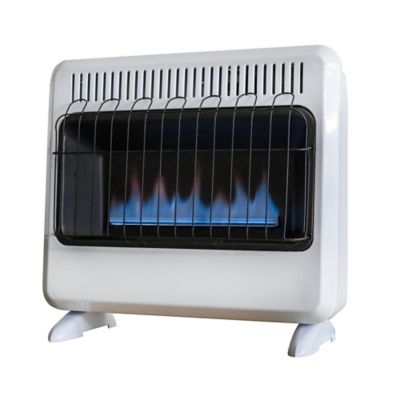
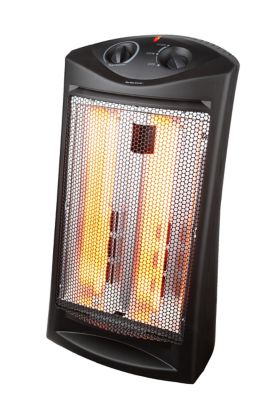
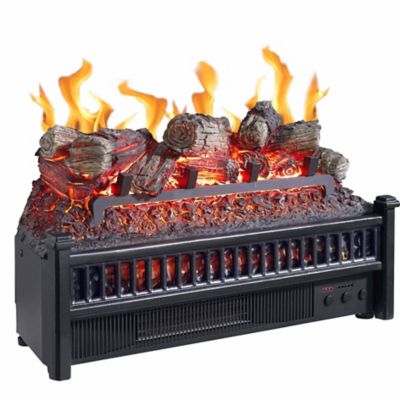
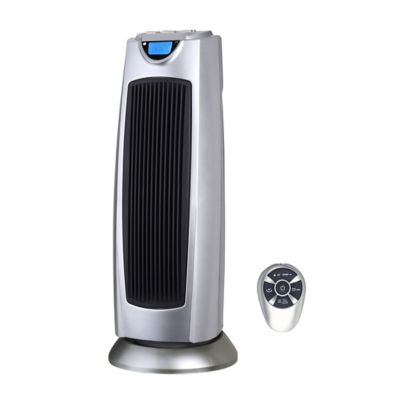
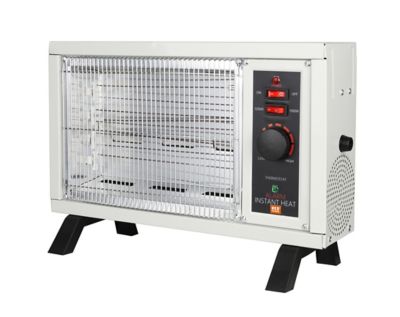
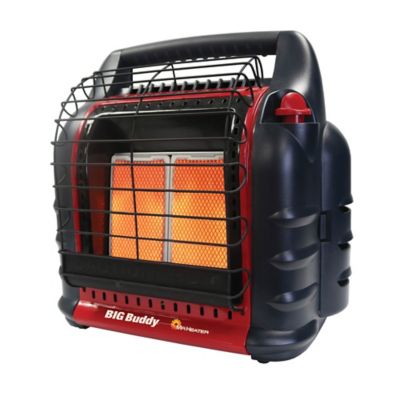
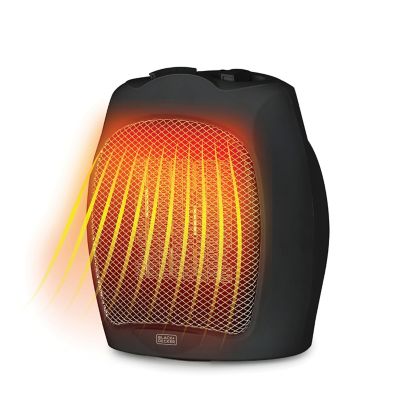
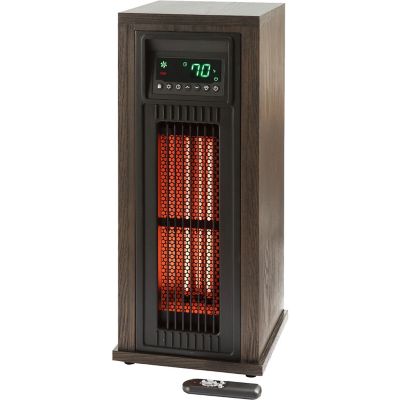
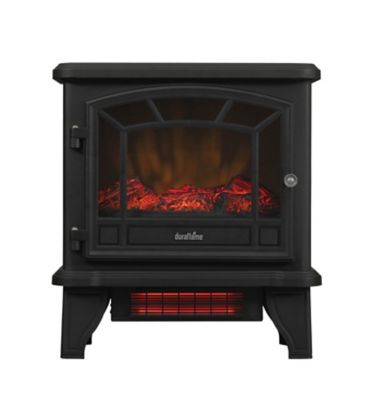
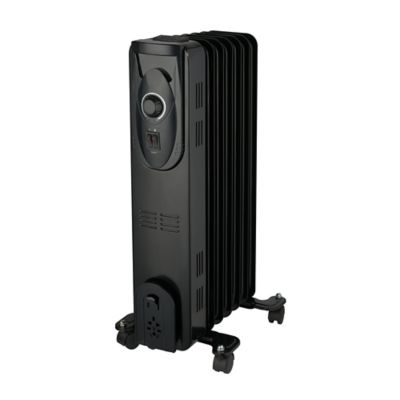
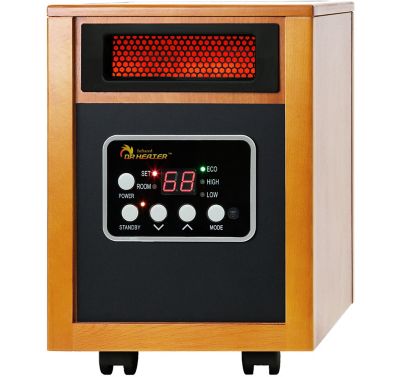
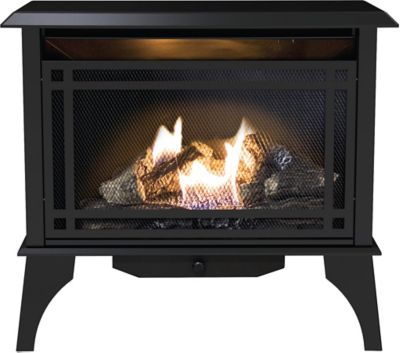
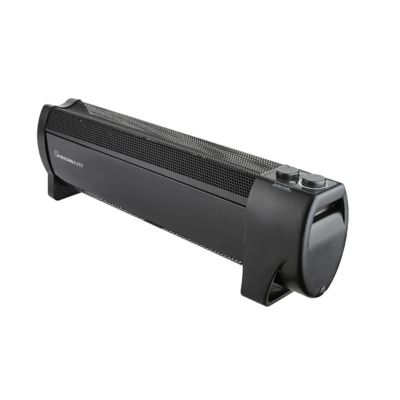
Living room heaters can help take the chill off a family room, den, cabin, or open sitting area when the temperature drops, giving you a comfortable place to gather without turning up the heat throughout the whole house. They are useful in older homes with drafty rooms, finished basements, hunting cabins, workshops with a lounge area, and houses where different family members prefer different temperatures. Plug-in electric heaters are a popular choice for living spaces because they are easy to set up and do not require fuel storage, permanent installation, or a chimney. Many standard models use about 1,500 watts and produce roughly 5,100 to 5,200 BTUs, which is generally suited to warming a standard-size room when doors and windows are closed. Coverage can vary by heater design, insulation, ceiling height, and outdoor temperature, so it helps to compare the listed room size with the actual space you want to warm. A compact unit may fit neatly beside a chair or under a desk, while a tower-style heater can make good use of a narrow corner and often spreads warmth across a wider area. Furniture-style and fireplace-inspired heaters can add a more finished look to a living room, while wall-mounted designs may be useful where floor space is limited. Consider how the heater will fit into the room’s everyday rhythm: a quiet model is handy beside the sofa during a movie, a remote control saves a walk across the room on a frosty morning, and a timer can shut the unit off after everyone has settled in for the night. Adjustable heat settings and a thermostat make it easier to maintain a steady, comfortable temperature instead of running at full power all the time. Oscillation can help distribute warm air across seating areas, especially in a long room, while a focused airflow may be a better fit for warming one reading chair, play area, or work-from-home spot.
Safety deserves close attention when choosing living room heaters. Look for features such as automatic tip-over shut-off, overheat protection, and a cool-touch exterior, particularly in homes with children, pets, or plenty of foot traffic. A motion sensor or proximity shut-off can provide another layer of protection by turning the heater off when an object gets too close, though no safety feature takes the place of sensible placement and supervision. Set the heater on a firm, level surface where it cannot be easily bumped, and keep curtains, blankets, furniture, clothing, paper, rugs, and other combustible materials well away from the air intake and outlet. Plug the unit directly into a properly rated wall outlet rather than using an extension cord or power strip unless the heater’s instructions specifically allow it. Keep the cord out of walking paths, check it for wear before use, and leave room around the heater so air can move freely. A clean filter, grille, and air intake can help the unit operate as intended, so follow the care instructions and unplug the heater before cleaning. Avoid using an indoor living room heater in a damp location, outdoors, or anywhere it can be exposed to rain or splashing water. Electric heaters are intended to provide supplemental warmth, not replace a home’s primary heating system, and they should never be left running unattended or while everyone is asleep unless the manufacturer clearly states that the setting is designed for that use. If your room has special electrical requirements, an older wiring system, or limited outlets, consult a qualified professional before adding a high-wattage appliance. These practical details matter in a farmhouse, townhome, apartment, or cabin alike, especially when the living room is the busiest room in the house and a warm heater is likely to run during several hours of family time.
The best living room heater depends on the people using it, the size and layout of the space, and the kind of warmth you want to feel. A household with a draft near the front door may appreciate a unit that moves air across a broader area, while someone who spends evenings at a desk or in a recliner may prefer a compact heater with directed airflow. In a large open-concept room, look for a model rated for the full area and place it where warm air can circulate without being blocked by a couch or entertainment stand. In a smaller room, a narrow tower or wall-mounted heater can provide warmth without taking up valuable floor space. Families with pets should think about curious noses, wagging tails, and loose bedding, while homes with young children may benefit from cool-touch surfaces, tip-over protection, and controls that can be locked or kept out of reach. Living room heaters can also make thoughtful gifts for a college student settling into a chilly apartment, a family outfitting a new basement, grandparents who enjoy a warm reading corner, or friends spending cooler months in a cabin or enclosed porch. Pairing a heater with a cozy chair, throw blanket, or book can make a practical housewarming gift, though the recipient should always follow the manufacturer’s instructions for safe use. For rooms that need cooling when the weather warms, browse
Living Room Air Conditioners for another way to keep the household comfortable across changing seasons. Whether you are warming a room before morning coffee, taking the edge off after chores, or making a gathering spot more inviting on a cold evening, compare heating capacity, controls, noise level, size, appearance, and safety features to find a living room heater that fits naturally into your home.