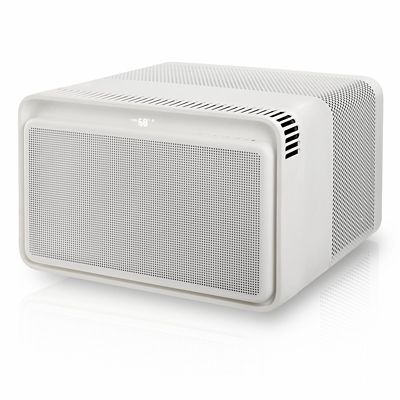
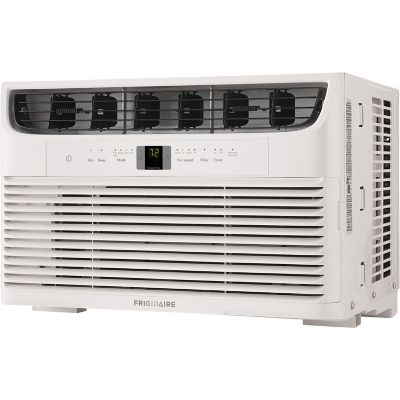
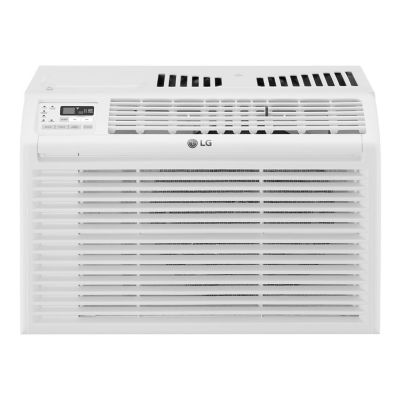
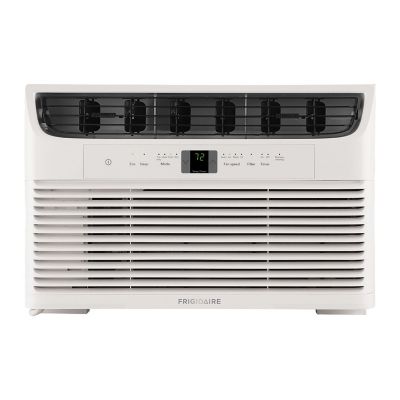
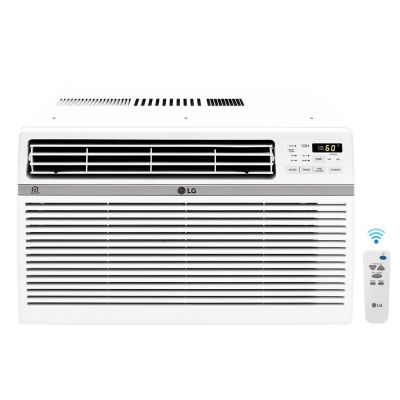
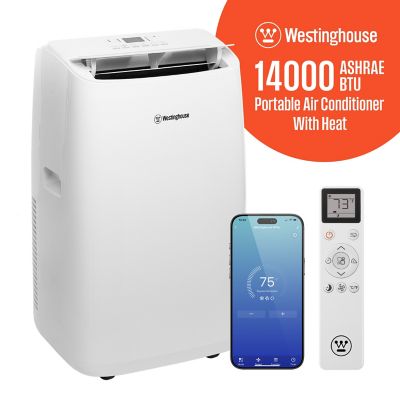
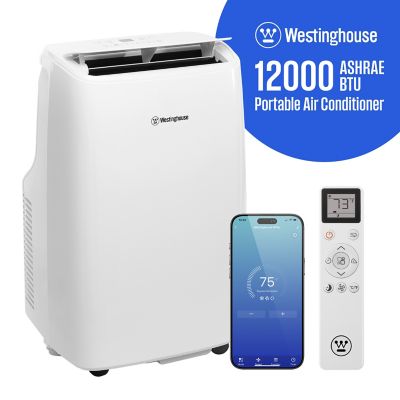
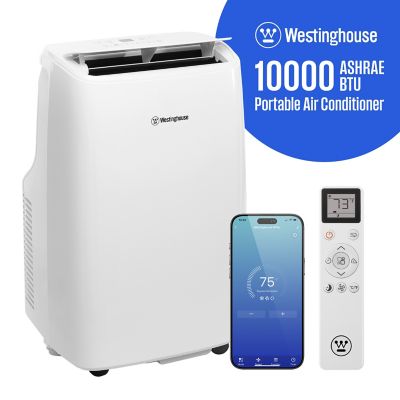
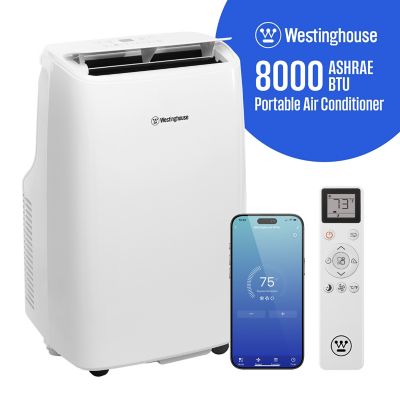
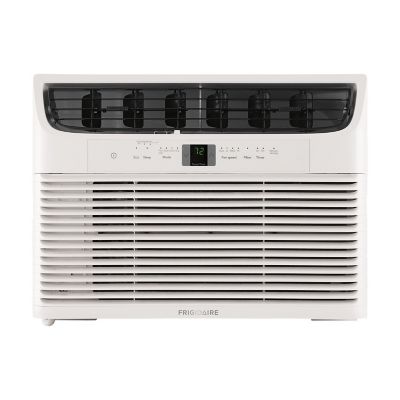
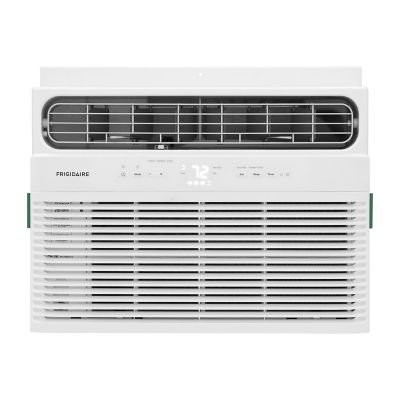
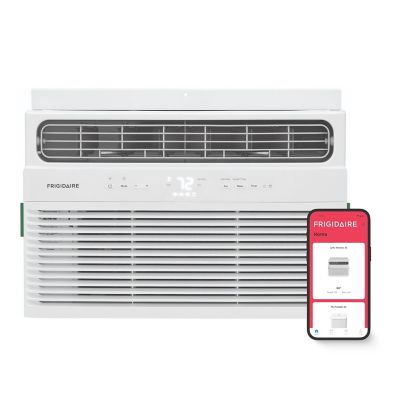
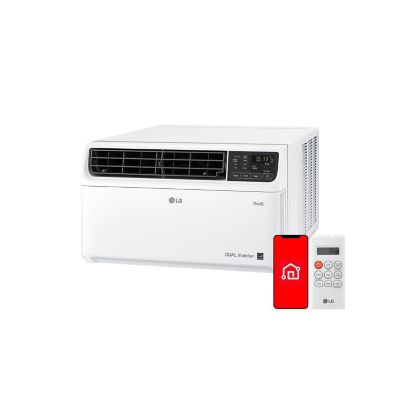
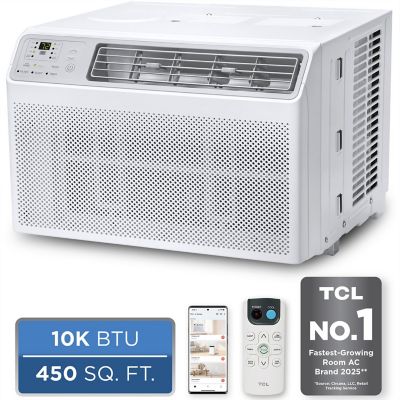
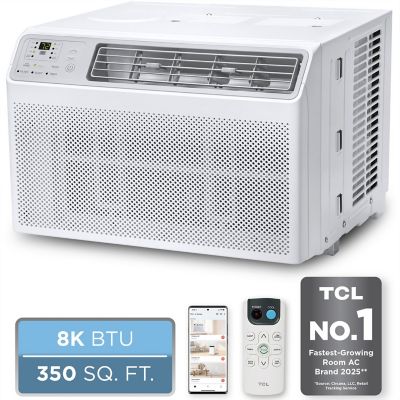
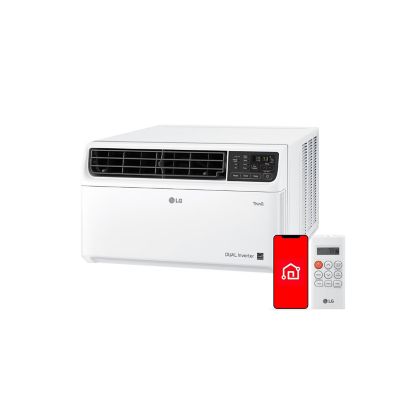
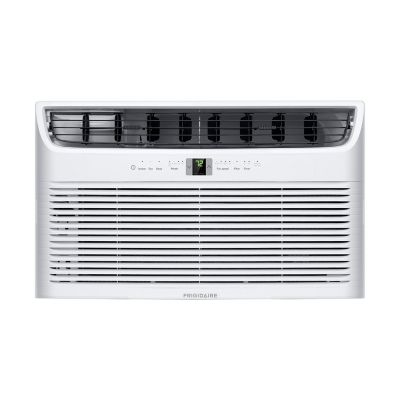
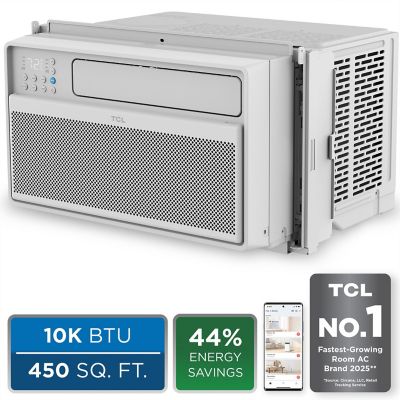
Living room air conditioners bring cooling to the space where everyone settles in after chores, catches a ballgame or gathers for a family visit. Unlike a bedroom that stays closed much of the day, a living room often connects to a hallway, dining area or kitchen, giving warm air plenty of room to move. The right cooling capacity depends on that whole connected space, not just the patch of floor around the couch. Air conditioner capacity is measured in British thermal units, or BTUs, and a higher rating generally means greater cooling output. As a starting point, a window air conditioner rated at 10,000 to 12,000 BTUs commonly suits a room of roughly 400 to 550 square feet under typical conditions. That range is not a guarantee for every home: tall ceilings, strong afternoon sun, limited insulation and an open doorway to the kitchen can change the cooling load. Manufacturer sizing charts help connect a unit’s capacity to the room’s actual conditions. A shaded sitting room in a well-insulated house has different needs from a farmhouse living room with broad west-facing windows and a stairway opening upstairs. More capacity is not always better, either. An oversized unit may cool the air quickly and shut off before removing enough moisture, leaving the room feeling chilly but clammy. One that is too small can run for long stretches without bringing the temperature down comfortably. Living room cooling is about steady comfort as much as a low thermostat setting, especially when several people share the room. Adjustable fan speeds, directional louvers and temperature controls help match airflow to the seating arrangement. Air that travels across the room can feel more comfortable than a cold stream aimed straight at a recliner. Keeping curtains, sofa backs and tall furniture clear of the intake and outlet also gives an air conditioner room to do its job, whether it supplements central air or provides the main cooling for that part of the house.
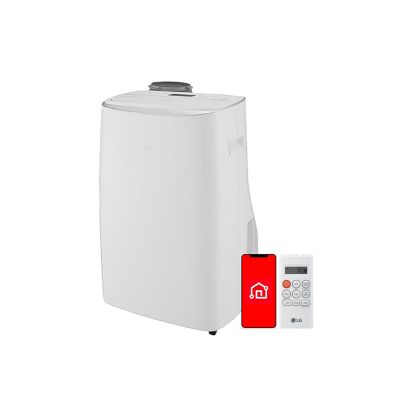
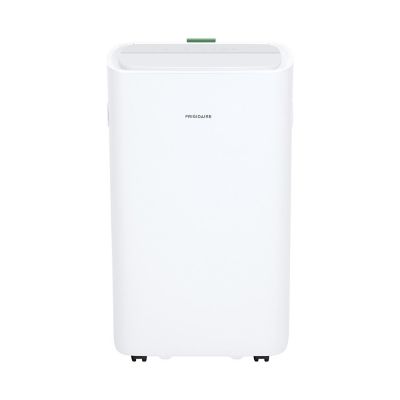
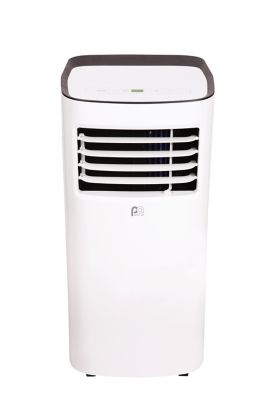
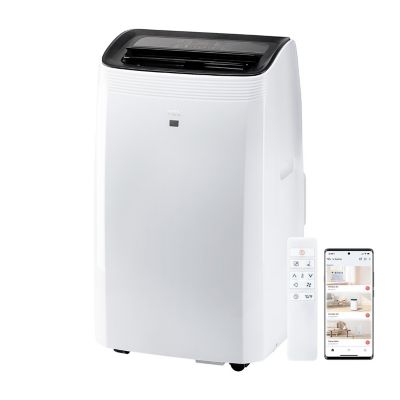
Window, portable and ductless air conditioners serve the same basic purpose, but their placement and installation needs differ. Window air conditioners put the cooling equipment in a window opening, leaving the floor clear for furniture, foot traffic and pets stretched out beside the couch. Window type, opening width, sash height and support requirements all matter, along with a snug seal around the cabinet. A standard window unit does not automatically fit a sliding or casement window, and installation should follow the manufacturer’s directions without blocking a required escape route. Portable air conditioners stand on the floor and move heat outdoors through an exhaust hose, usually connected to a window kit. They still need a compatible opening, clearance around the cabinet and a hose arrangement that stays within the specified length. A portable unit is not a vent-free substitute for a window air conditioner, even when wheels make it easier to reposition. For a closer look at this freestanding format,
Floor Air Conditioners covers another way to bring cooling into a shared living space. Portable cooling ratings deserve special attention because the same unit may display more than one BTU figure. The Department of Energy’s seasonally adjusted cooling capacity, often labeled SACC, accounts for operating effects that can reduce cooling performance. Comparing portable units by that rating and their stated room coverage gives a clearer picture than comparing an unadjusted BTU number alone with a window unit’s rating. Dual-hose designs generally limit the amount of indoor air drawn outside compared with single-hose designs, though performance still depends on the installation and room. Ductless mini-split systems offer a more permanent arrangement, with an indoor air handler connected to outdoor equipment. They can suit living areas where a window opening needs to stay clear, but sizing, refrigerant connections, drainage and electrical work call for qualified installation. Some systems also provide heat; that capability and its outdoor temperature limits should be confirmed in the specifications rather than assumed.
The details that matter most often show up during an ordinary evening at home. A living room air conditioner might be running while someone watches television, reads near a lamp or talks with family across the room, so sound deserves a place alongside cooling capacity. Published decibel ratings are helpful when compared at similar operating settings, while compressor cycling and vibration can affect how noticeable a unit feels indoors. Variable-speed or inverter equipment can adjust its output as the cooling demand changes, which may support steadier temperatures and quieter operation than repeated full-output starts and stops. Remote controls, timers and sleep settings can make everyday adjustments easier, though the exact features vary by unit. Energy efficiency ratings also help distinguish equipment designed to deliver more cooling for the electricity it draws; comparisons are most useful within the same equipment type and rating system. Fit includes the electrical connection, too. The required voltage, outlet configuration and circuit capacity need to match the home’s wiring, and room air conditioners should connect as directed by the manufacturer rather than through a power strip or an extension cord. Metal cabinets, molded housings, coil fins, seals and filters each play a part in everyday upkeep and service life. A washable filter needs cleaning on its stated schedule, while a replaceable filter needs the specified replacement. Dust from gravel drives, pet hair and lint can collect quickly in a busy household, restricting airflow when filters go unattended. Before cleaning, disconnect power as directed, and keep water away from electrical parts. Portable units may also need condensate draining, particularly in humid conditions; a self-evaporating design does not necessarily eliminate that task. During stretches when cooling is not needed, proper cleaning, drying and storage help protect equipment from trapped moisture and damage. Following the unit’s operating temperature limits matters during cooler weather as well. With suitable capacity, a sound installation and straightforward upkeep, living room air conditioners help make the main gathering spot comfortable without getting in the way of daily life.