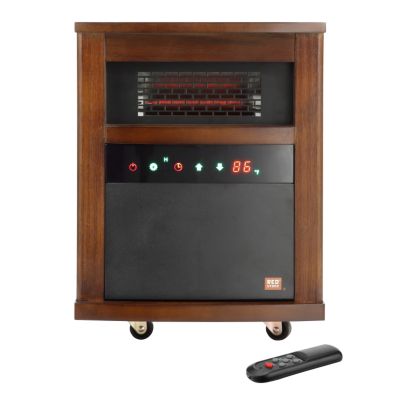
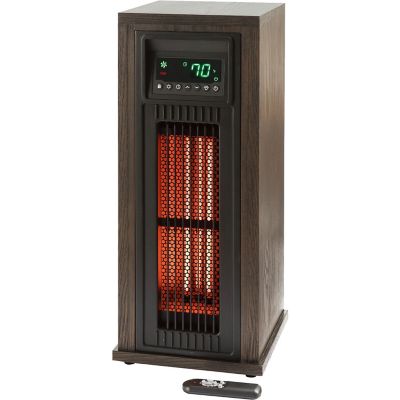
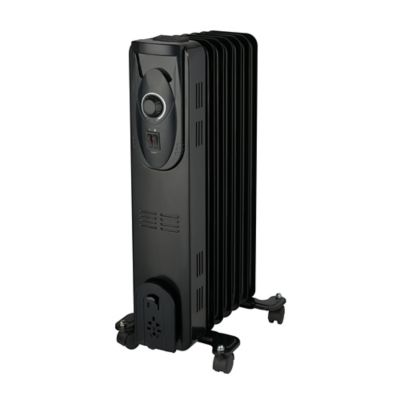
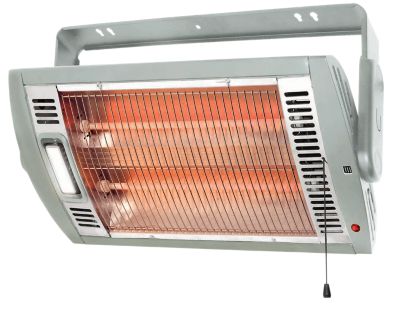
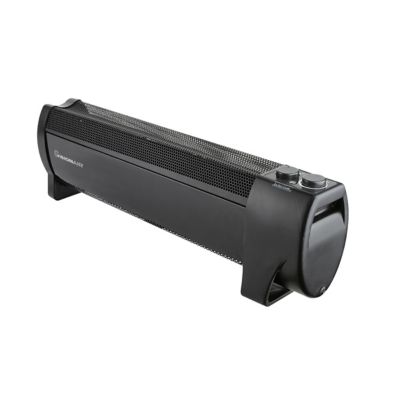
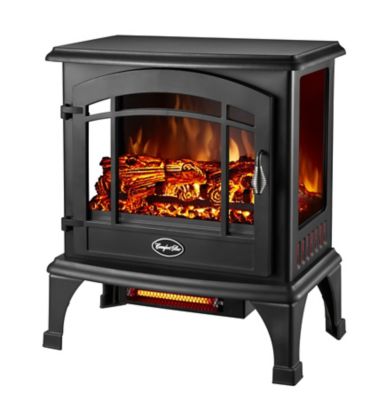
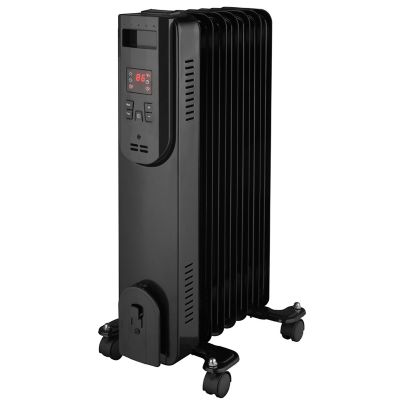
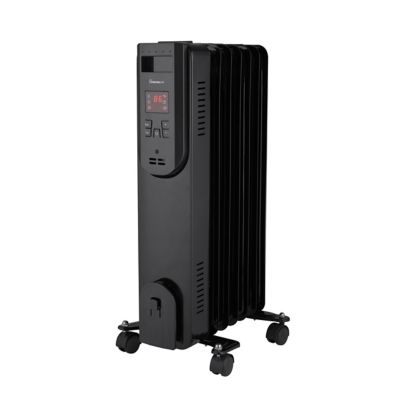
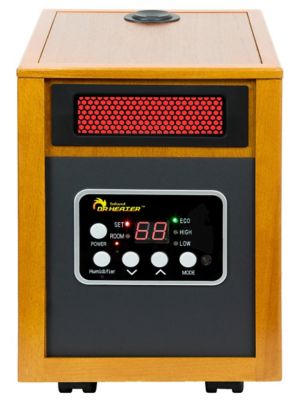
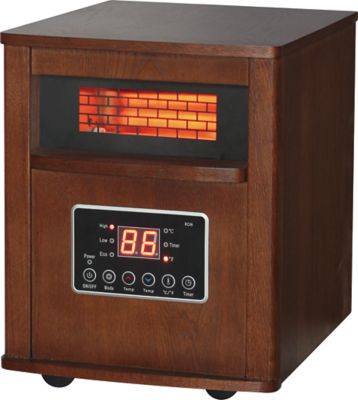
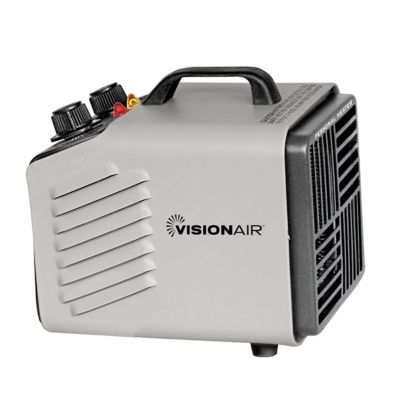
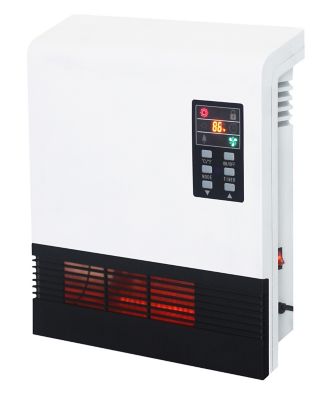
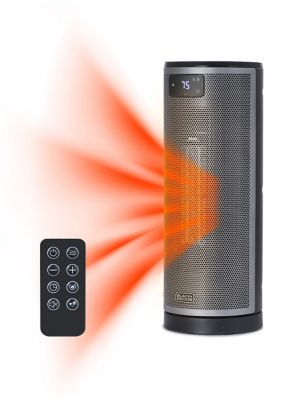
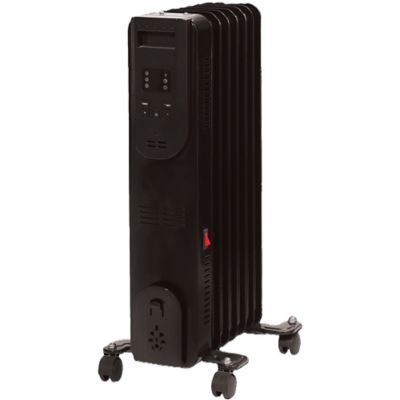
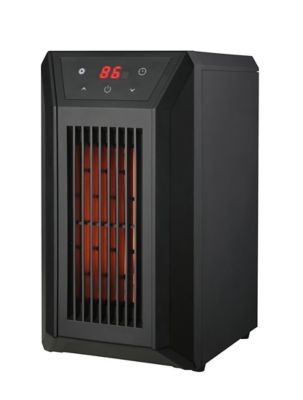
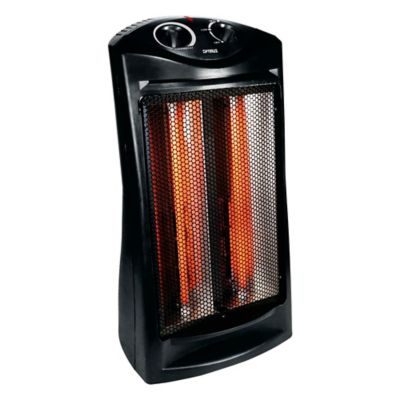
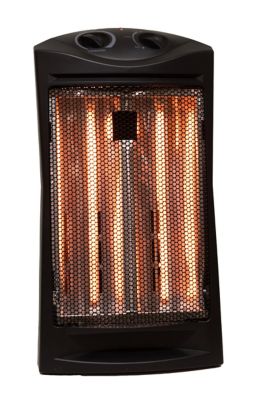
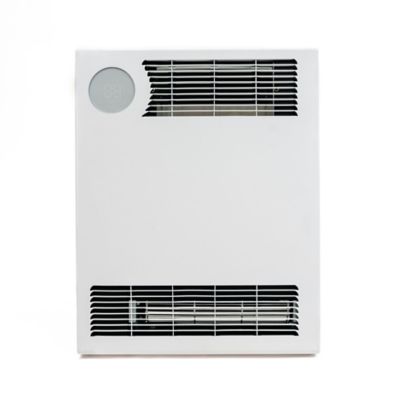
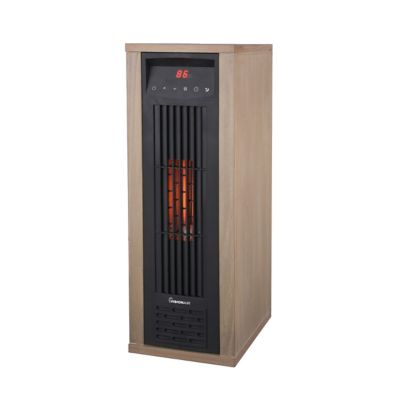
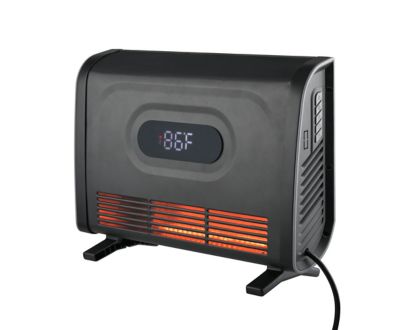
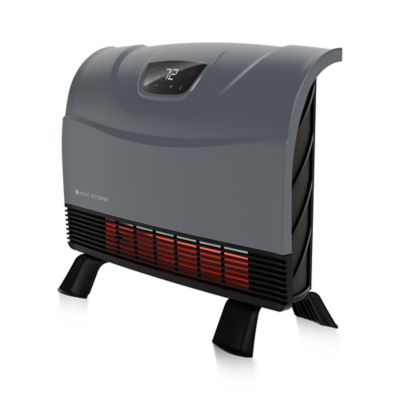
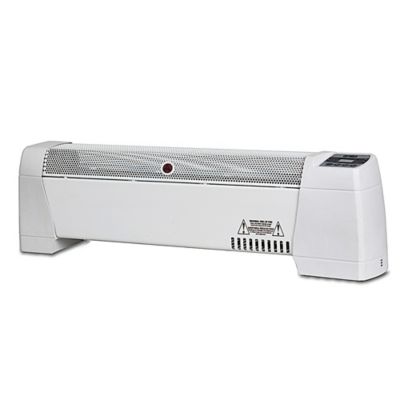
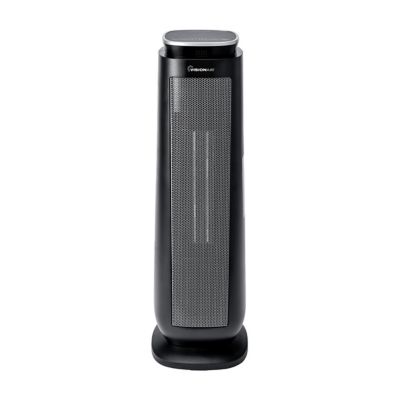
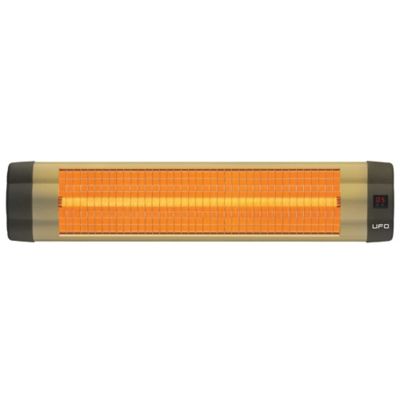
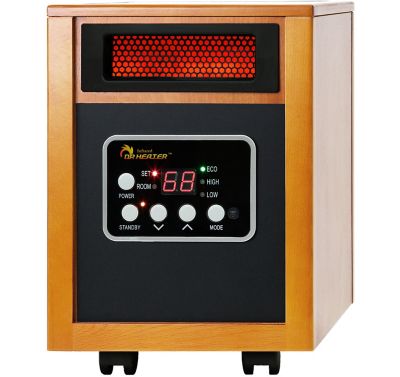
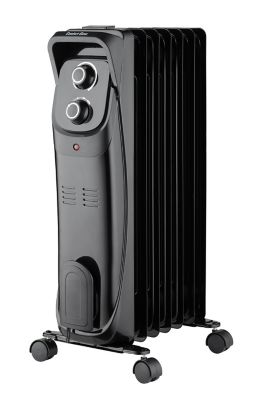
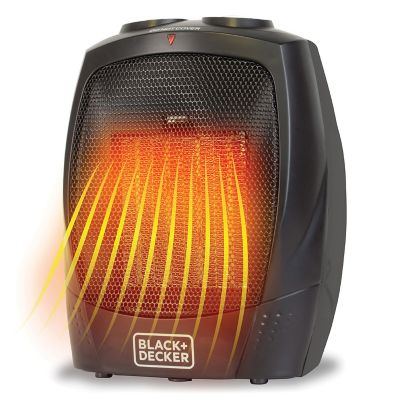
Electric room heaters provide supplemental warmth for bedrooms, home offices, living rooms and other indoor spaces where the main heating system leaves a chilly spot. They turn electricity into heat, helping make a reading chair, a desk or a small gathering area more comfortable without serving as a replacement for whole-house heating. Different heating designs deliver that warmth in different ways. Ceramic heaters pass air across a heated ceramic element, often with a fan that moves warm air into the room. Other fan-forced designs push air across an electric heating element for a similar feel. Radiant heaters send warmth toward nearby people and objects, making their effect more noticeable within a direct line of sight. Oil-filled electric radiators heat fluid sealed inside metal fins, then release warmth gradually; the fluid stays inside the heater rather than burning as fuel. These radiators generally take longer to warm up, but their fan-free operation can suit spaces where a steady hum would be distracting. The right fit depends partly on how the room gets its use. Someone sorting paperwork at the kitchen table may appreciate directed warmth, while a person spending an afternoon in a home office may prefer gentle heat spread through the space. Construction matters, too. Metal housings, molded outer shells, protective grilles and broad bases affect weight, handling and the room a heater takes up. Some housings and grilles become hot during operation, so appearance alone does not tell the whole story. A compact footprint can help in a smaller room, but a heater still needs open space around it. Room layout also matters when comparing
Electric Floor Heaters, especially where doors swing open, pets settle down or foot traffic crosses the space. Handles and wheels can make moving a heater between suitable rooms easier once it is switched off, unplugged and fully cooled.
Matching electric room heaters to a space involves more than checking the room’s square footage. Ceiling height, insulation, drafty windows, exterior doors and an open stairway all affect how warmth feels and how much supplemental heat a room needs. A small office with a closed door holds heat differently than a living room opening into a hallway and kitchen. Manufacturer room-size recommendations provide a starting point, but they cannot account for every farmhouse window or gap beneath a door. Wattage identifies electrical input rather than promising that a heater will warm any particular room. Many portable electric heaters have a maximum setting of 1,500 watts, which draws about 12.5 amps on a 120-volt circuit. That is a substantial load, especially if other high-draw appliances share the circuit. Lower heat settings can provide a gentler level of warmth, while an adjustable thermostat cycles the heater to help maintain the selected temperature. Resistance-style electric heaters turn nearly all the electricity they draw into heat at the point of operation, so a different housing or heating element does not automatically mean more heat from the same wattage. What changes is often how that heat reaches the room and how the controls manage it. Fan speed, oscillation and the direction of the outlet can affect comfort at a desk or beside a sitting area. Noise deserves attention as well: a fan that blends into conversation may stand out during a phone call or quiet evening reading. Clearly marked controls, an easy-to-read display and a handle that is comfortable to grip can make everyday operation simpler. Timers offer a way to limit a heating session, but they do not replace supervision. For a bedroom, warming the room before turning in and switching the portable heater off before sleep keeps comfort and safe operation in the same conversation. A thermostat setting should never be treated as permission to leave a portable heater running unattended.
Placement and care have a big part in how well an electric room heater fits into daily life. Portable heaters belong on a firm, level surface where they will not tip, slide or block a walkway, with the manufacturer’s required clearance on every side. Keep combustible materials such as curtains, bedding, paper and furniture at least three feet away, or farther when the instructions call for it. A chair draped with a chore coat, a laundry basket beside the bedroom door or a curtain that moves with a draft can bring fabric closer than expected. Heaters are not drying racks for gloves, boots or clothing, and nothing should cover the grille or air openings. Tip-over shutoffs and overheat protection add safeguards, but they do not make poor placement safe. Children and pets need separation from hot surfaces and cords, even when a heater has a protective grille. Portable electric room heaters should plug directly into a suitable wall outlet, not an extension cord or power strip. The cord belongs out in the open rather than under a rug, and a loose outlet, damaged plug or unusually hot connection calls for stopping operation. Bathrooms, damp laundry areas and other wet locations require equipment specifically rated for those conditions. Likewise, an ordinary indoor room heater is not a stand-in for equipment rated for a dusty shop, livestock building or space containing flammable vapors. Between heating sessions, basic attention helps protect the housing, controls and airflow. Once the heater is unplugged and cool, dust can be removed from accessible vents and grilles as directed by the manufacturer, without soaking electrical parts or opening sealed components. A cracked housing, frayed cord, damaged grille or fluid leak from a sealed radiator needs attention before further operation. When the heater is put away, a dry storage spot and a loosely arranged cord help prevent unnecessary wear. These details matter whether the goal is a comfortable corner for evening reading, a warmer workspace for household paperwork or a little extra heat in a room that never quite feels as comfortable as the rest of the house.