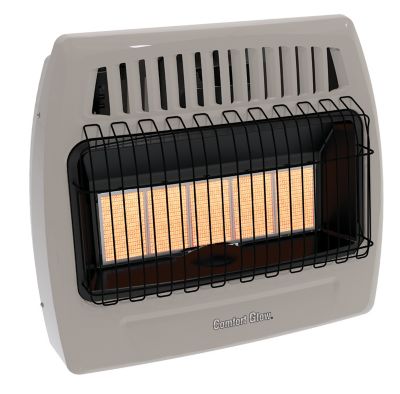
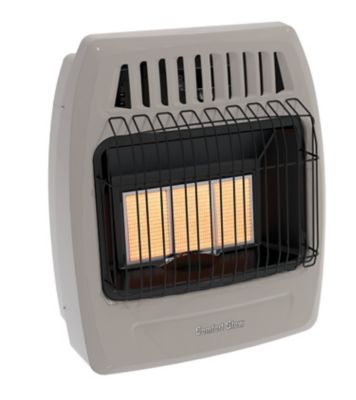
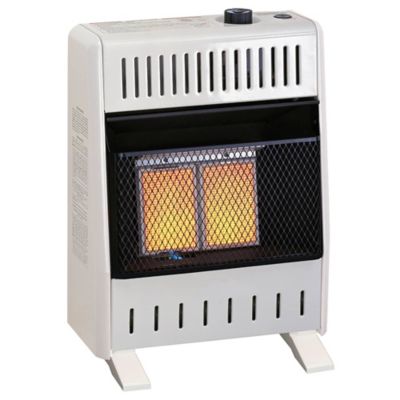
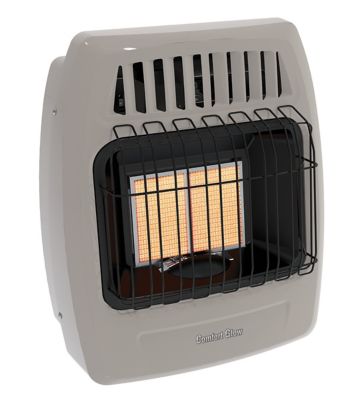
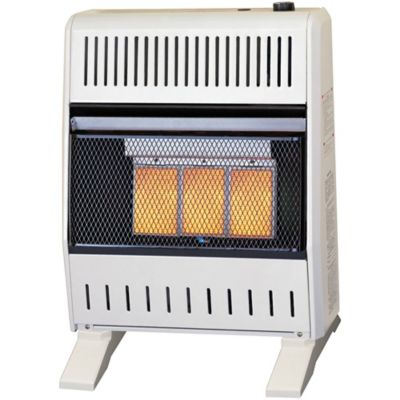
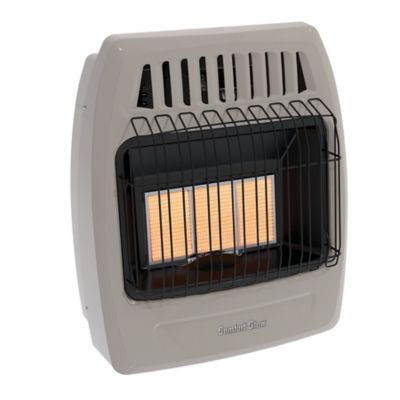
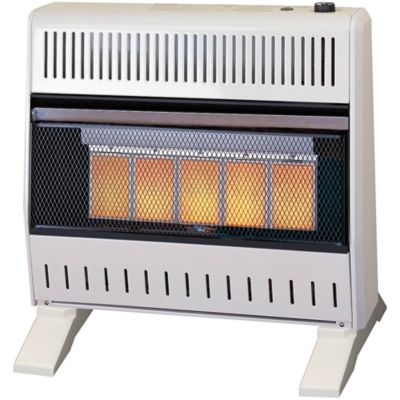
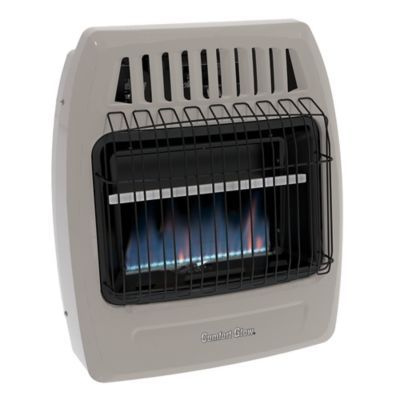
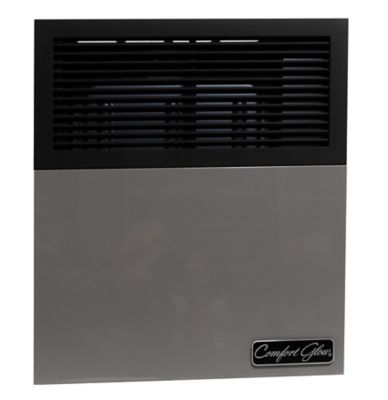
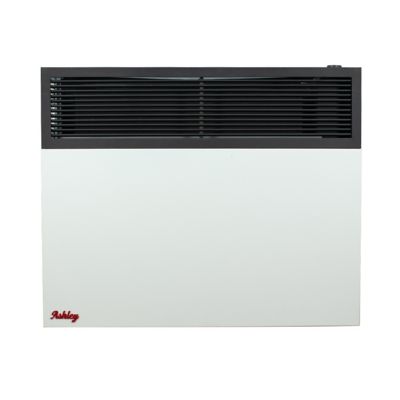
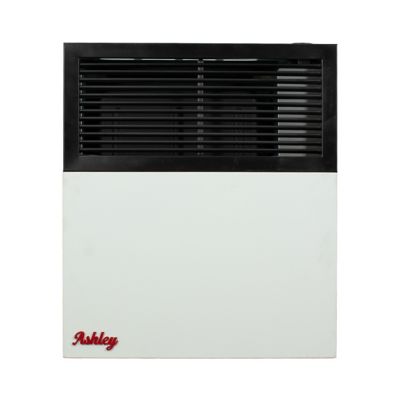
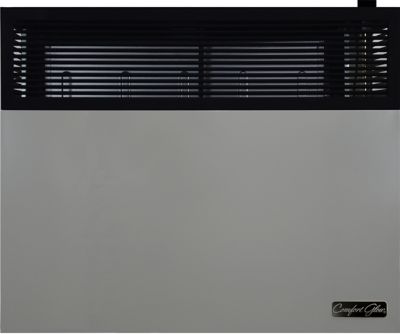
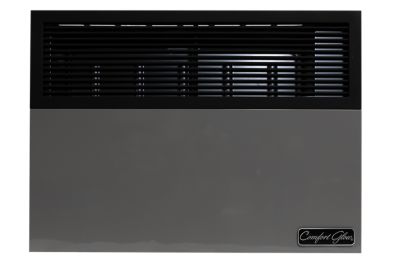
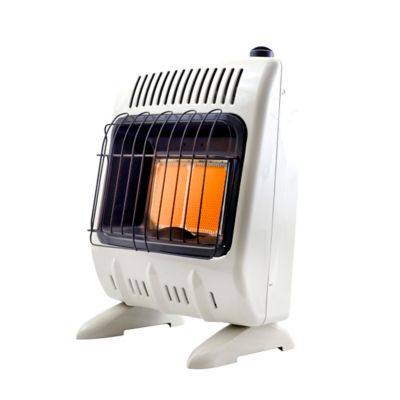
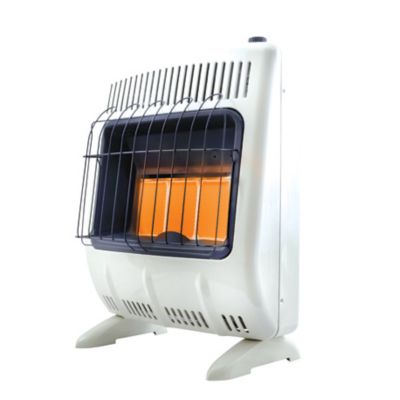
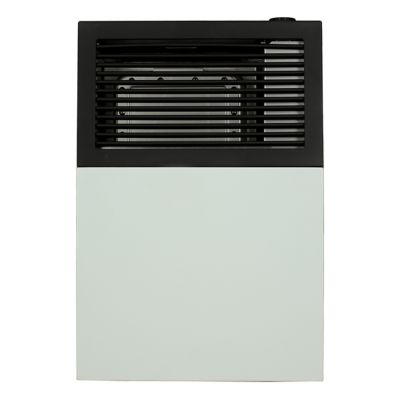
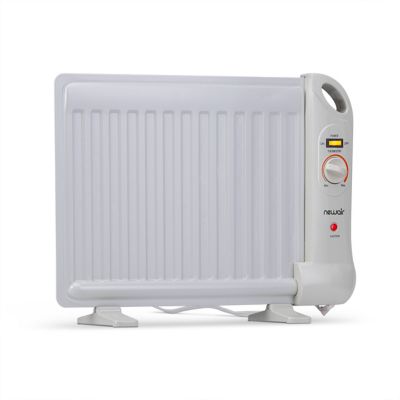
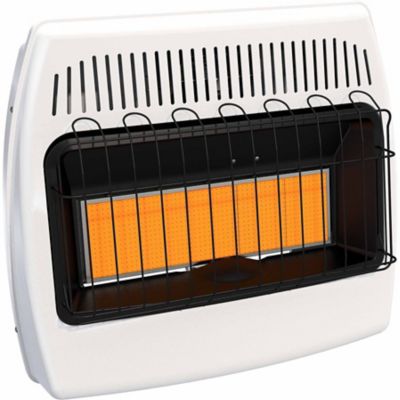
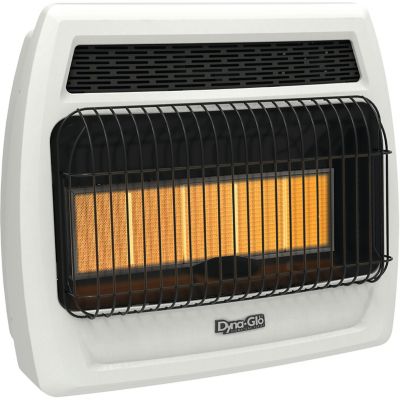
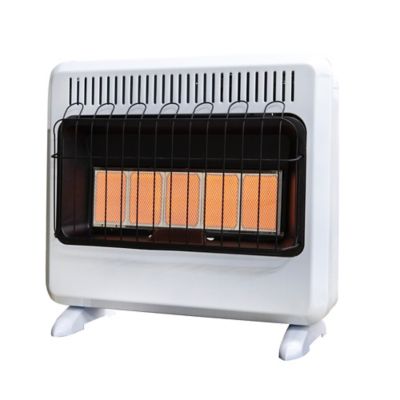
Natural gas room heaters bring focused warmth to the spaces where people settle in, work or gather, whether that’s a den with drafty windows, a home office at the far end of the house or a mudroom where boots come off after chores. These heaters connect to a natural gas supply and can provide supplemental heat without turning up the thermostat for the whole house. Their suitability depends on the room, the heater’s approved application and the building’s heating needs. A compact floor plan doesn’t always mean a small heating load: tall ceilings, older windows, limited insulation and open doorways all affect how much heat a space needs. Heat output is commonly expressed in British thermal units per hour, or BTU/hr, while square-foot coverage estimates give a general starting point rather than a promise for every house. A room with a broad opening into a hallway behaves differently from one with a door that stays shut. Proper sizing helps match the heater to those conditions instead of simply favoring the highest output. Thermostat controls can help maintain a steadier room temperature, while manual heat settings offer a straightforward way to adjust output. Control placement matters, too, especially when the heater sits beneath a window or along a wall beside furniture. Clearly marked settings and accessible controls can make everyday operation simpler, though the appliance still needs room around it for safe operation. Some natural gas room heaters operate without household electricity, while others need power for ignition, fans or electronic controls. That distinction matters in a rural home where an outage may interrupt other heating equipment, but operation during an outage should never be assumed. The manufacturer’s specifications explain which functions need electricity and whether the heater is approved to operate without it. A permanent gas connection also means these appliances aren’t meant to move from room to room like a plug-in heater.
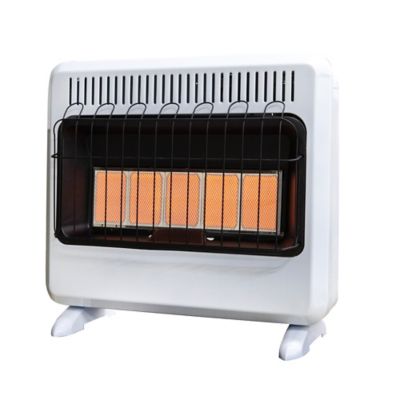
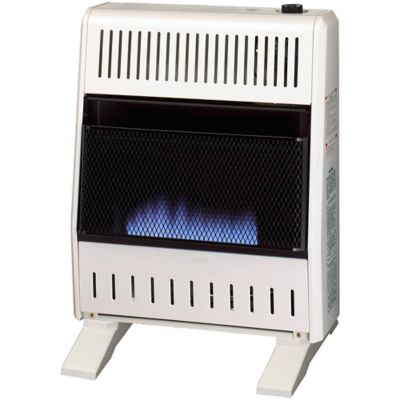
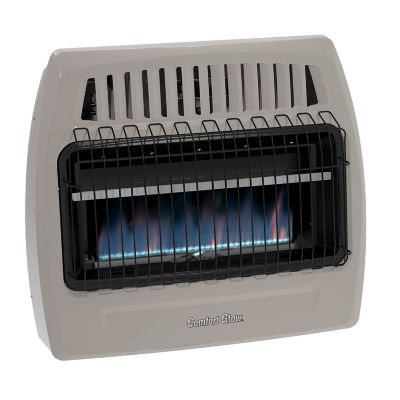
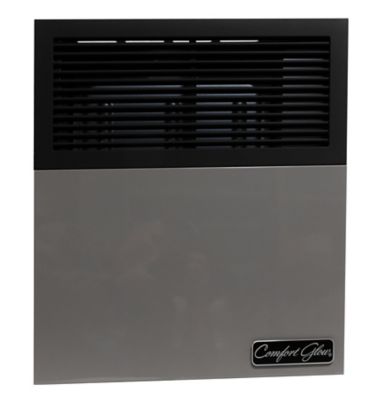
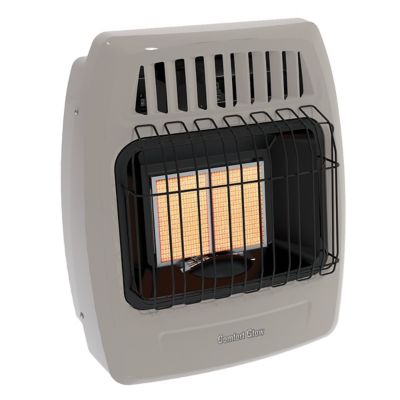
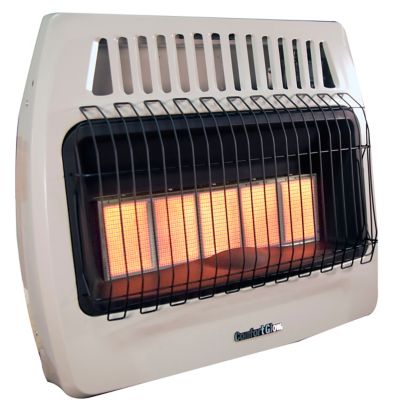
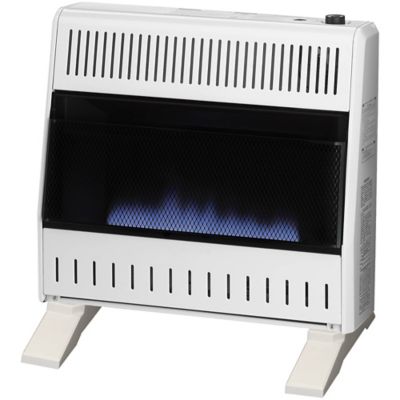
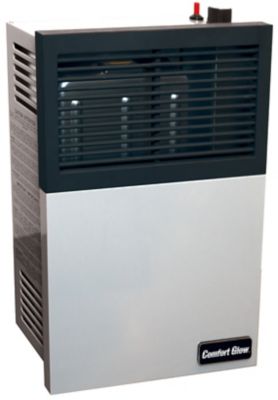
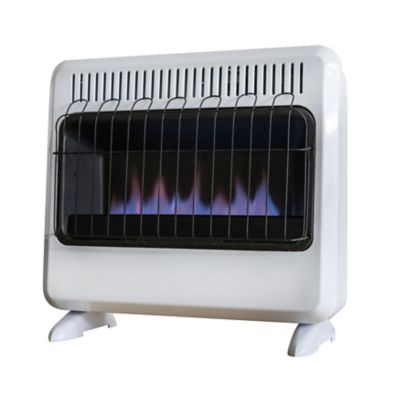
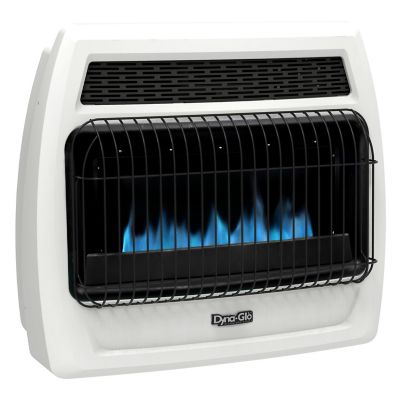
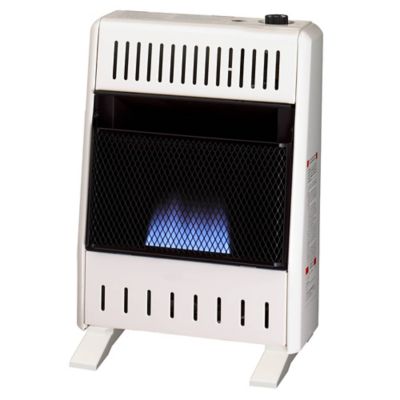
The way a natural gas room heater delivers warmth makes a noticeable difference in how a room feels. Radiant designs direct heat toward people and nearby surfaces, creating a more immediate sense of warmth within their heating area. Convection designs warm circulating air, which can suit a room where a more even air temperature is the goal. A blue-flame design generally relies on convection, while radiant designs often feature ceramic heating surfaces. Neither approach eliminates the need for proper sizing or clearances, and a fan, when included or approved as an accessory, changes air movement rather than the heater’s rated heat output. Wall-mounted configurations can leave more floor space open in a narrow room, while floor-standing configurations need an approved base or legs and a suitable location. Mounting style is only part of the fit. Heater depth, gas connection location, service access and required distances from ceilings, trim and furnishings all affect where an appliance belongs. Painted or enamel-finished metal cabinets provide an outer enclosure, and protective grilles help shield heating components, but exposed surfaces can still become hot. A sturdy cabinet and secure mounting are especially important in a busy household, though no grille makes a heater safe for children or pets to touch. Venting arrangements deserve just as much attention as the cabinet and controls. Vented heaters route combustion exhaust outdoors through an approved vent system. Direct-vent designs typically draw combustion air from outside as well, separating that process from room air. Vent-free designs release combustion byproducts, including water vapor, into the indoor space and have specific requirements for room size and ventilation. They are not permitted in every location or jurisdiction, and restrictions can apply to particular rooms. Extra moisture may also matter in a tight house or a room where windows already collect condensation. The heater’s listing, installation instructions and local requirements determine whether a design belongs in a given space; appearance alone doesn’t tell the whole story.
A natural gas room heater needs to match both the fuel supply and the place it will serve. Natural gas and propane appliances are not interchangeable, and connecting the wrong fuel can create a serious hazard. A qualified professional can verify gas pressure, supply capacity, shutoff access, venting and installation requirements before the heater goes into service. For a farmhouse addition or a room far from the existing gas line, the connection route is part of the planning, not an afterthought. Spaces where vehicles, gasoline or other flammable materials may be present require separate attention to appliance approval, ignition-source placement and local code. For those applications,
Natural Gas Heaters For Garages offers a more focused category to consider, with each heater’s listed application still governing where it can go. Inside the house, everyday care centers on keeping airflow paths clear and following the manufacturer’s cleaning and service schedule. Dust, lint and pet hair can collect around grilles and air openings, especially in a mudroom that sees chore coats and shedding dogs. Cleaning belongs on the calendar when the heater is off and fully cool, using only the methods the manufacturer allows. Internal burner work, gas connections and vent repairs belong with a qualified service professional. Curtains, blankets, upholstered chairs, stacked firewood and drying laundry must stay outside the stated clearance area; a room heater is not a clothes dryer or a shelf. Working carbon monoxide alarms and smoke alarms are important household safeguards, and an oxygen-depletion shutoff on a heater does not take the place of a carbon monoxide alarm. Routine professional inspection can help catch blocked vents, combustion problems and worn components before they interfere with safe operation. With the right fit, approved installation and regular attention, a natural gas room heater can make a well-traveled room more comfortable while keeping its purpose straightforward: steady, localized heat where the appliance is designed to operate.