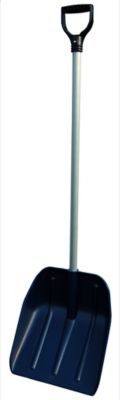
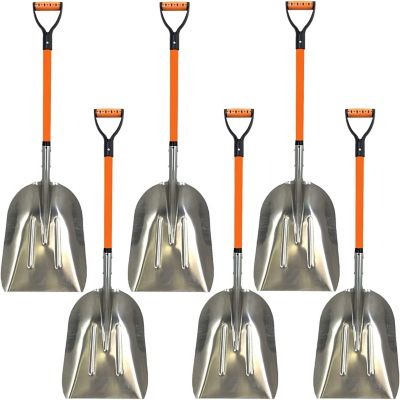
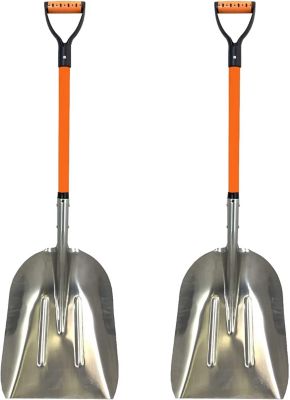
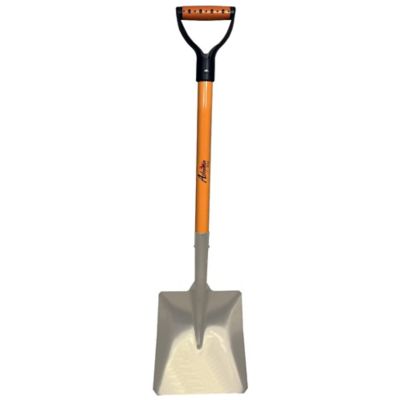
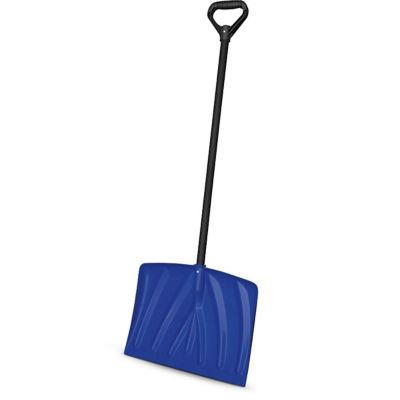
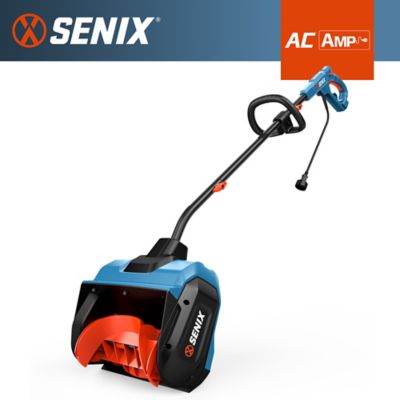
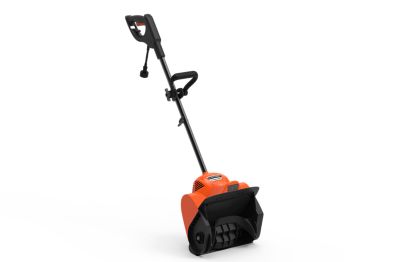
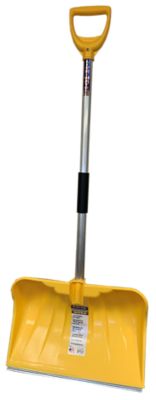
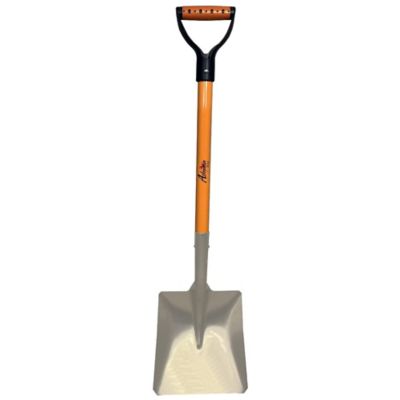
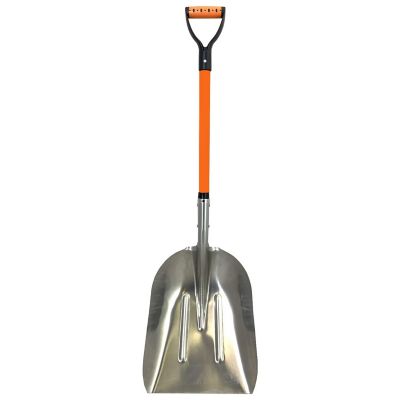
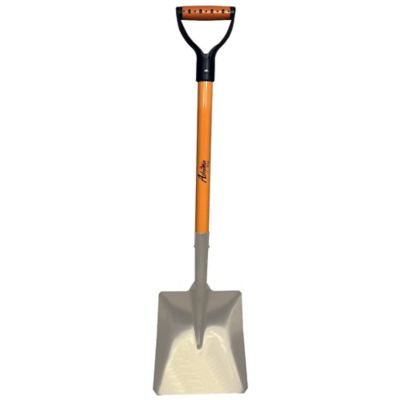
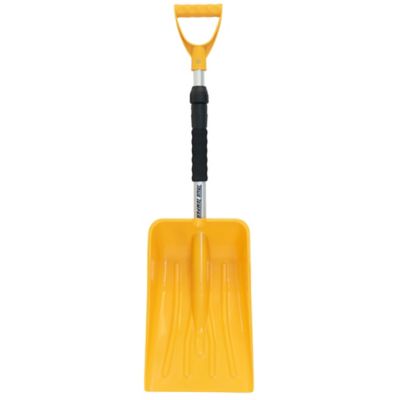
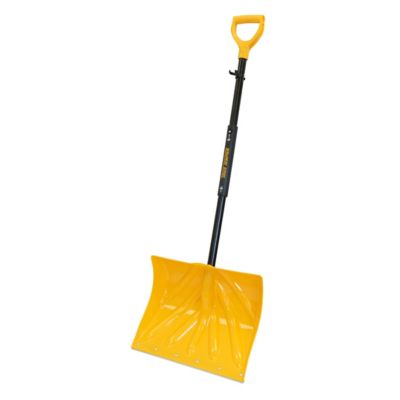
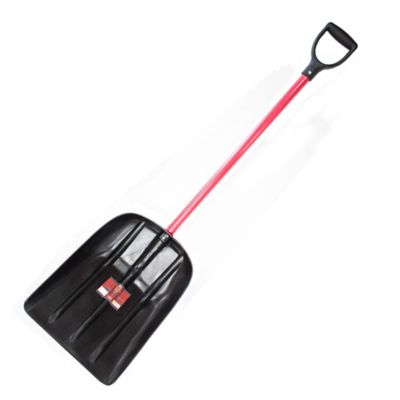
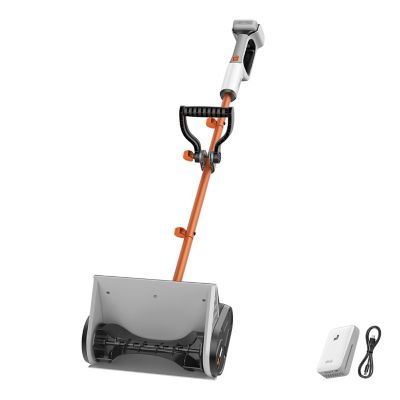
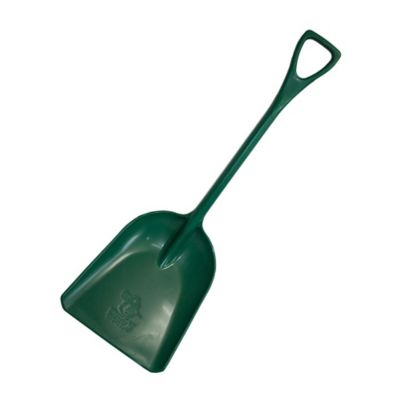
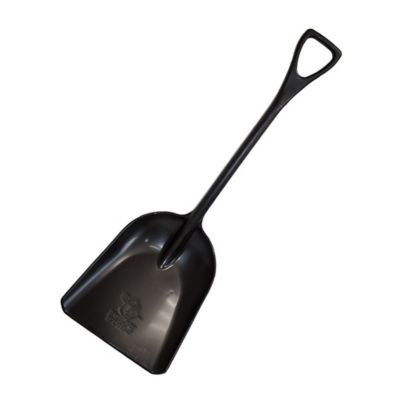
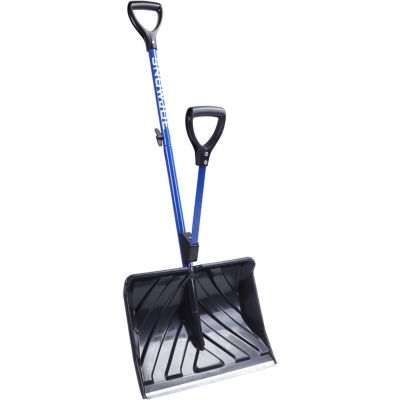
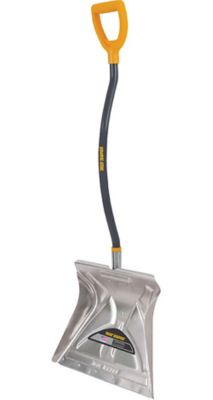
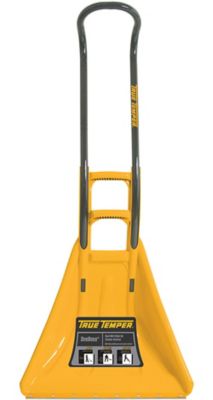
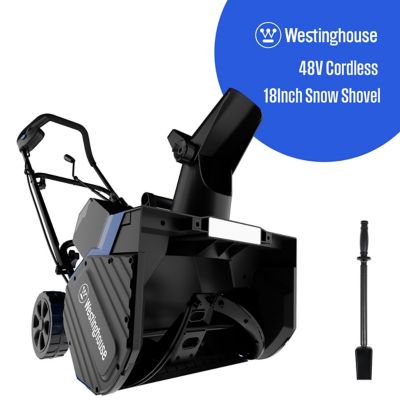
Lightweight snow shovels can make winter cleanup more manageable by reducing the weight of the tool itself, leaving less to move with each push or lift. They’re a practical fit for light to moderate snowfall on front walks, porch steps, driveways and the paths connecting a house to a garage, barn or feed room. The advantage is especially noticeable on jobs that involve frequent repositioning, such as clearing around parked vehicles or working along a narrow walkway. A lighter shovel doesn’t make the snow weigh less, though. Wet snow and slush can turn even a small scoop into a heavy load, so blade size matters just as much as the weight listed for the shovel. A broad blade covers more ground when pushing loose snow, while a narrower scoop can make smaller loads easier to manage. Deep scoops help contain snow during lifting, shallow blades favor pushing, and combination shapes handle a little of both. Polyethylene and polypropylene are common choices for lightweight blades because they keep tool weight down and allow some flexibility. Aluminum blades offer another relatively light option, with a different feel against the ground than plastic. The blade’s shape, thickness and reinforcement all affect how it handles everyday work; material alone doesn’t tell the whole story. For a long, open stretch of pavement, a wide pusher may suit the job better than a deep lifting scoop. Around a porch landing or gate, a smaller blade can offer better control. Snow depth also changes what feels manageable: a blade that moves easily through a thin layer may take much more effort in a drift. The best match balances the area being cleared, the kind of snow that tends to collect there and how much lifting the job actually involves. That’s useful whether the task is opening a route to morning chores or making room beside the truck before heading down the drive.
Handle length, grip shape and overall balance help determine whether a lightweight snow shovel feels comfortable in your hands. A handle that’s too short can leave a taller person bending farther forward, while an overly long handle may feel awkward on steps or close to a doorway. Straight shafts offer a familiar feel for pushing and scooping, and bent or offset shafts can change the angle between the grip and blade during lifting. That shape may help some people work with less bending, but the fit still depends on their height, reach and the task. Aluminum shafts can keep weight down, while wood, steel and fiberglass options have their own balance and feel. A little extra weight near the blade can feel different from the same weight spread along the handle, especially when reaching across a step or lifting snow over a low bank. D-shaped grips provide a defined handhold, and an opening roomy enough for winter gloves makes it easier to keep a secure grasp without squeezing bare fingers into a tight space. A second handhold along the shaft can also give the lower hand a clear place to settle. For someone clearing only a few steps and a short walkway, easy handling may matter more than covering a wide swath. For a larger driveway, the ability to push snow without repeatedly lifting it may take priority. Storage needs count, too. A full-length shovel belongs comfortably in many sheds and garages, but a truck cab, small entryway or limited storage corner calls for closer attention to overall dimensions.
Compact Snow Shovels offer a related option when a smaller footprint matters. Compact and lightweight describe different features, however: one refers to size, the other to weight. A short shovel can be handy for clearing around tires or reaching tight spots, yet less comfortable for clearing an entire driveway. Adjustable or sectional handles add storage flexibility, with connection points that should feel firm rather than loose during a push.
Ground contact is another important part of choosing a shovel that suits the property. Smooth concrete, rough asphalt, gravel and porch decking don’t treat a blade the same way. A metal wear strip can help protect the leading edge from abrasion, but it may catch on raised pavement joints or scratch certain finishes. A plastic edge may be a better match for some surfaces, though compatibility depends on the shovel and the surface manufacturer’s care directions. On gravel, keeping the edge from digging into loose stone helps limit snagging and keeps rocks out of the snow pile. Thin, fresh snow is a different job from the dense ridge left at the end of a driveway by a plow. Lightweight shovels are generally better suited to moving loose snow than chopping bonded ice or prying apart hard-packed piles. Forcing a flexible blade under frozen material can damage the edge, twist the shaft or loosen the handle connection. An ice scraper or another tool intended for breaking ice serves a different purpose. Taking smaller loads and pushing snow where space allows can keep the work more manageable, especially when the snow is wet. Clearing a path before repeated foot traffic packs it down also helps preserve the loose texture that a shovel moves most easily. After the job, brushing away snow and rinsing off road salt or deicing residue helps protect metal parts and keeps grime from collecting around fasteners. Letting the shovel dry before storage, checking for cracks and loose connections, and keeping the blade away from exhaust outlets or other heat sources all support a longer working life. Hanging the shovel or supporting it without a heavy load pressing against the blade can help it hold its shape between storms. For rural households, a well-matched lightweight shovel earns its place through ordinary tasks: opening a gate without dragging it through a drift, clearing the landing outside the mudroom, or maintaining a walking path to the shed. The right combination of manageable weight, comfortable reach and a blade suited to the ground makes those repeated jobs less cumbersome without asking a light tool to tackle work beyond its design.