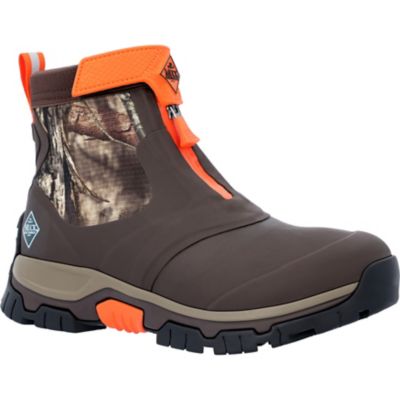
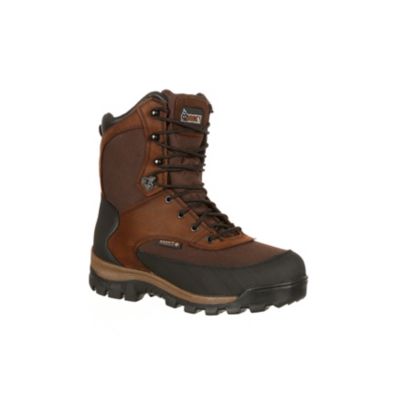
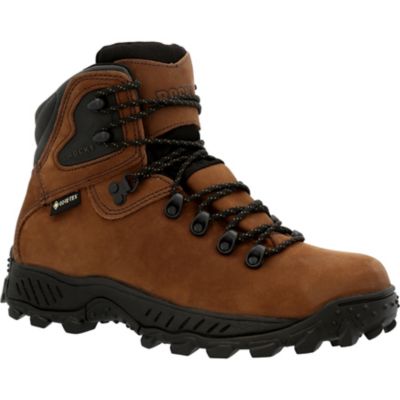
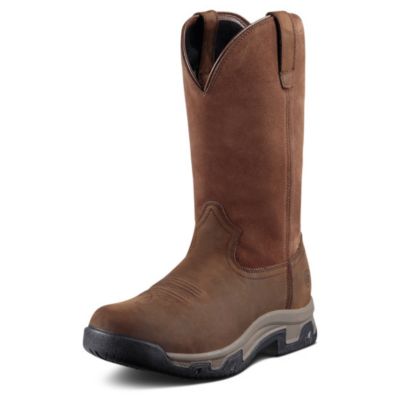
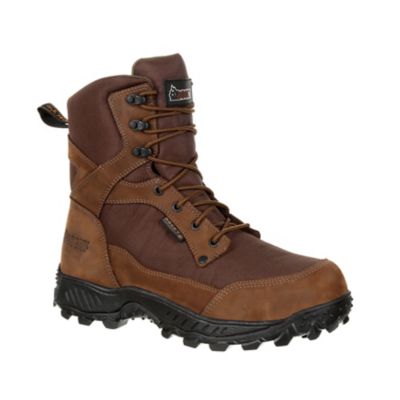
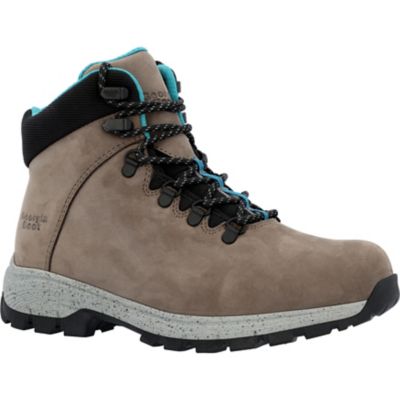
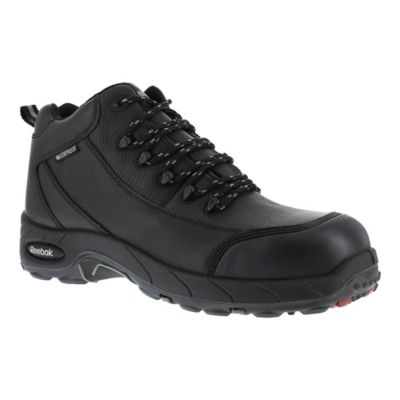
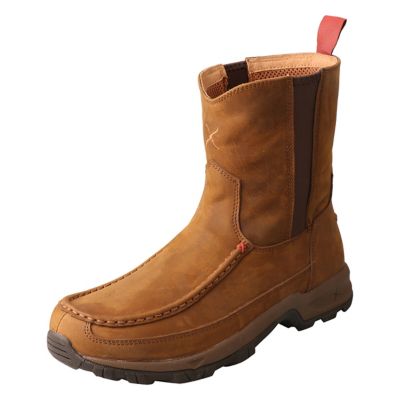
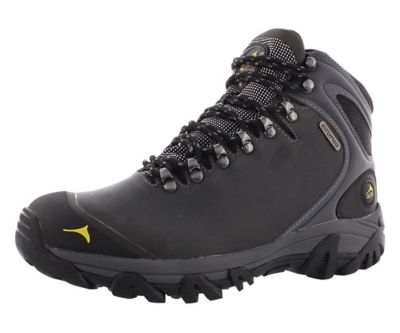
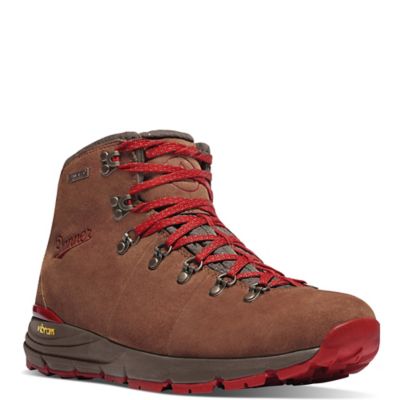
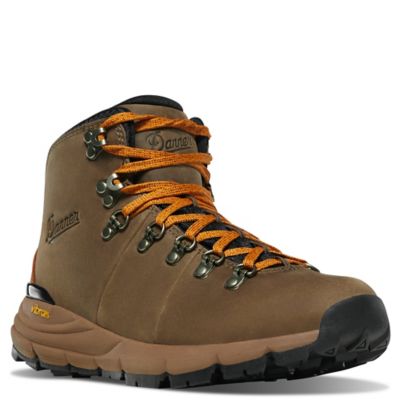
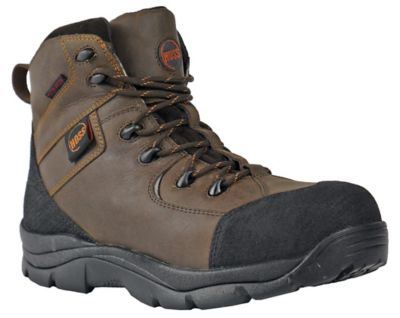
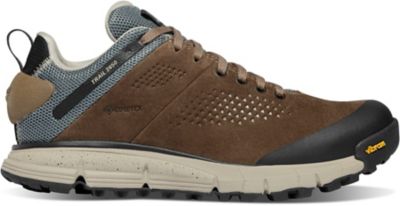
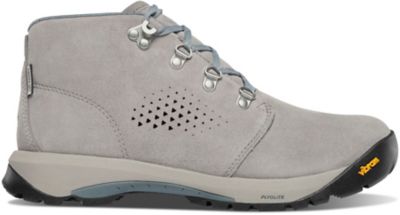
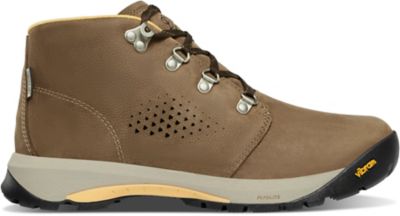
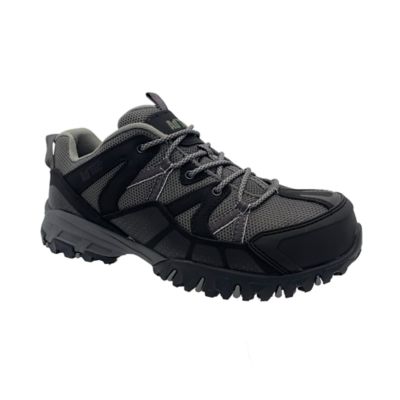
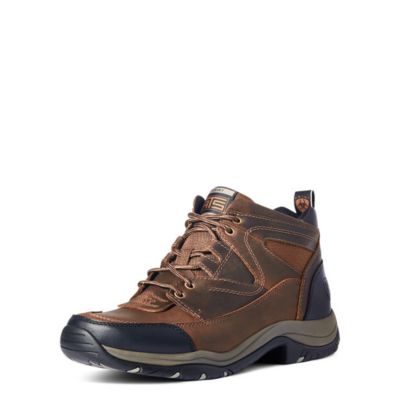
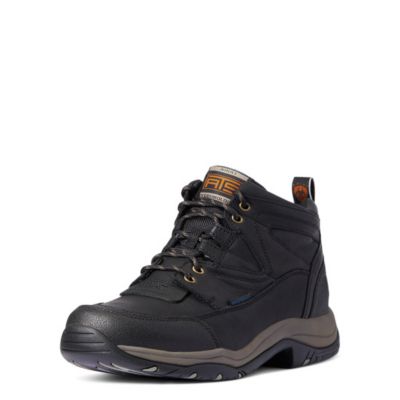
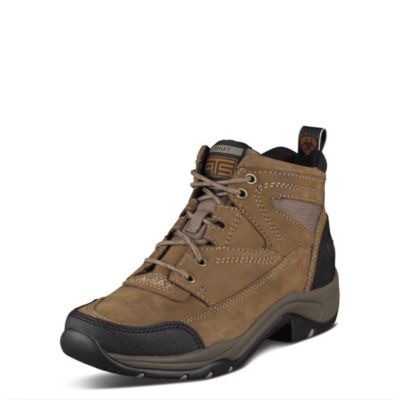
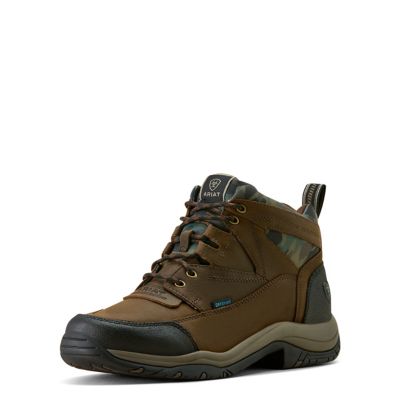
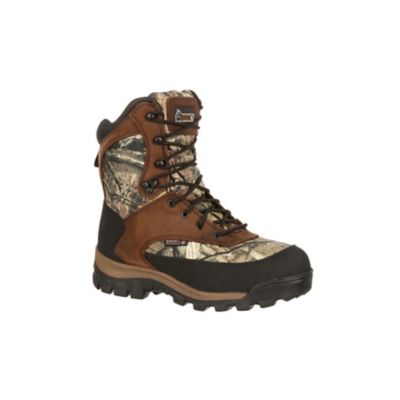
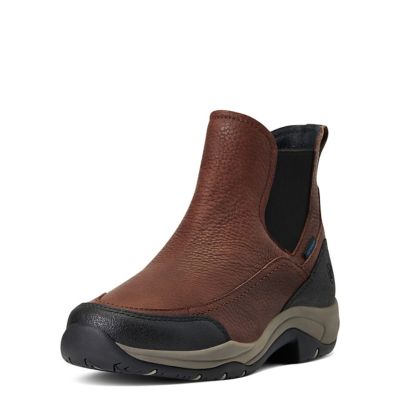
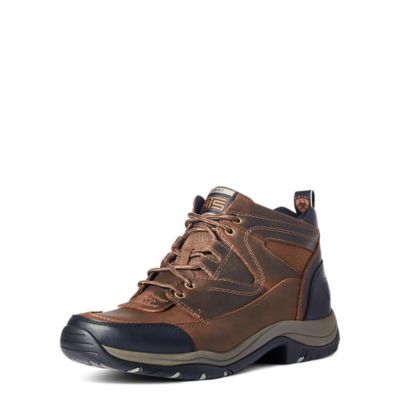
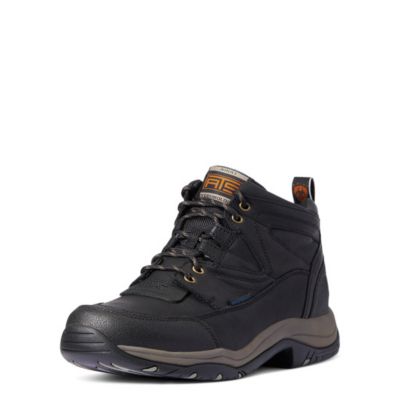
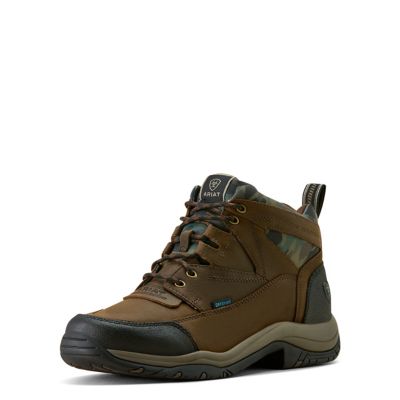
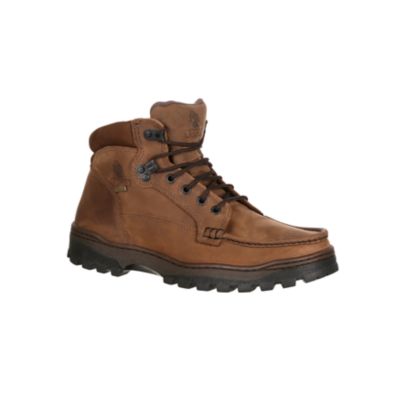
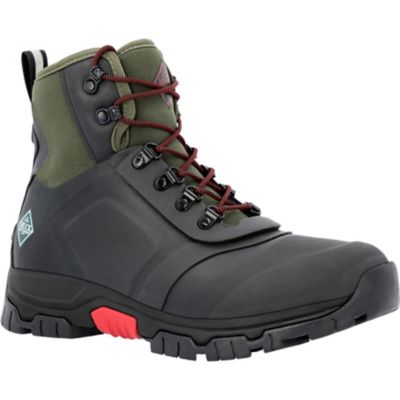
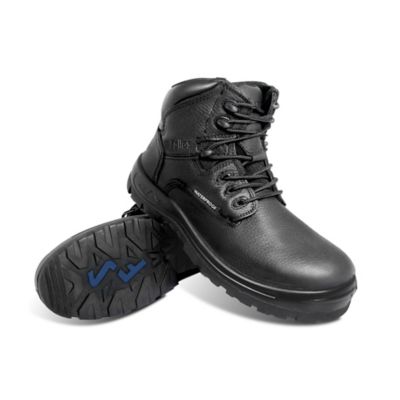
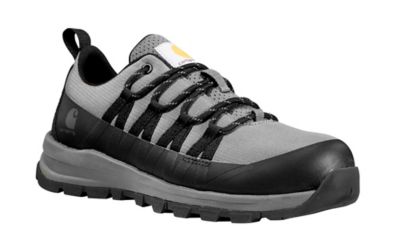
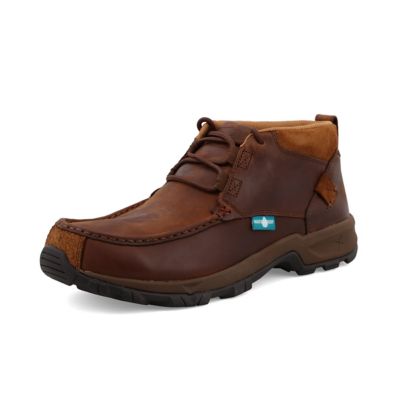
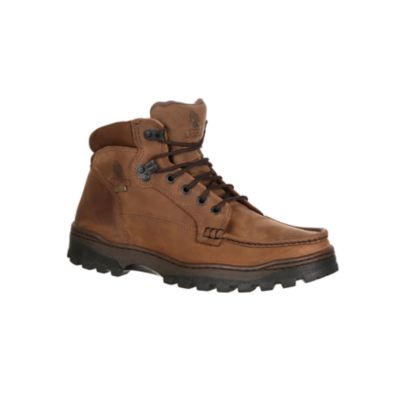
Lightweight hiking boots are trail footwear built to balance a lighter feel with traction, underfoot cushioning, and coverage around the ankle. Many lightweight designs weigh about a pound or less per boot, although there is no single weight cutoff, and size, materials, and construction all affect the total. Weight comparisons make the most sense when they account for the same size and distinguish between one boot and a pair. For day hikes, walks along wooded property, and trips down a favorite fishing trail, less weight on the feet can make repeated steps feel easier without giving up a boot’s higher collar. The right balance depends on the ground ahead and the load being carried. A smooth creekside path puts different demands on footwear than a rocky climb with a loaded pack. Textile and synthetic uppers help keep weight down and generally feel flexible, while mesh panels allow more airflow through sections without a waterproof barrier. Leather adds structure and abrasion resistance, especially around areas that brush against rocks and roots. Suede or leather panels paired with fabric can split the difference between a more substantial upper and a lighter overall build. Reinforced toe areas and heel overlays help protect the boot where trail contact tends to leave its mark. Inside, foam midsoles soften foot strikes, while firmer components can add support and reduce how sharply stones press against the sole. Not every lightweight hiking boot has the same amount of flex or underfoot protection. A softer build can feel comfortable on maintained paths, while a somewhat firmer platform may feel steadier across broken ground. Even the lightest option is not necessarily the best match for every outing. For someone stepping over exposed roots, easing down a gravel slope, or spending several hours away from the truck, the useful features are the ones that match those everyday trail demands. Good construction brings those parts together without adding more boot than the outing calls for.
Fit has just as much bearing on trail comfort as weight. Lightweight hiking boots should hold the heel securely while leaving enough room for toes to spread naturally and stay clear of the front during downhill steps. A foot that slides forward on every descent can develop sore spots even when the sole feels soft. Too much pressure across the forefoot or instep can be just as troublesome, particularly over a longer walk as feet expand. Width, toe-box shape, heel shape, and internal volume all matter; sizing up alone does not always solve a narrow fit. The socks intended for hiking belong in the fit comparison, along with any orthotics that will take the place of removable footbeds. Laces and eyelets help fine-tune the hold across different parts of the foot, but they cannot make an unsuitable shape fit well. A higher collar adds coverage around the ankle, though collar height alone does not establish support or prevent an ankle injury. Underneath, rubber outsoles and lug patterns influence how boots grip and release trail material. Deeper, more widely spaced lugs can bite into loose dirt and shed mud more readily, while broader contact areas may feel more settled on firm surfaces. Rubber compounds vary, too, and no outsole can promise a sure hold on every slick rock or loose slope. Waterproof construction is another consideration for routes with wet grass, shallow puddles, or muddy stretches. A waterproof membrane helps limit water entry through the upper, but water can still get in over the collar. Non-waterproof fabric constructions generally allow more airflow and may dry faster after becoming soaked. That tradeoff matters on a route with repeated water crossings, where water depth can overwhelm a boot’s collar regardless of its membrane. The best match comes from looking at fit, cushioning, traction, and water protection together rather than letting a single feature carry the whole decision.
Day hikers, campground walkers, and landowners covering uneven paths all have reasons to appreciate a lighter boot. They can also suit birdwatchers, travelers exploring park trails, and anyone whose plans include plenty of walking beyond pavement. A boot chosen mainly for hiking should still match the task; lightweight trail footwear is not a replacement for job-specific safety footwear where protective toes or other rated features are required. For shorter outings on maintained paths,
lightweight hiking shoes offer a lower-cut alternative, while boots provide more coverage around the ankle and help keep trail debris from entering as easily. Long-term wear depends on both construction and care. Toe reinforcements, sound stitching, secure sole bonds, and abrasion-resistant panels all matter where gravel, brush, and repeated flexing take their toll. Clearing packed dirt from the tread helps the lugs do their job, and brushing grit from seams keeps abrasive particles from lingering against the upper. Cleaning methods should match the materials and the maker’s care directions, since leather, suede, fabric, and waterproof membranes have different needs. Leather treatments also need to suit the particular finish and construction rather than being applied across the board. After cleaning or a water crossing, loosened laces and removed footbeds allow more air to reach the inside. Drying away from direct heat helps protect leather, adhesives, and other components. Between outings, a dry storage spot gives boots a better chance to air out fully. Worn tread, separating soles, split uppers, and cushioning that no longer feels supportive are signs worth checking before a longer walk. As a gift, lightweight hiking boots make the most sense when the recipient’s size, width, preferred fit, and usual trails are already known. Whether the next destination is a local loop or a trail farther from home, a well-matched pair brings together comfortable fit, practical protection, and a manageable weight for the miles ahead.