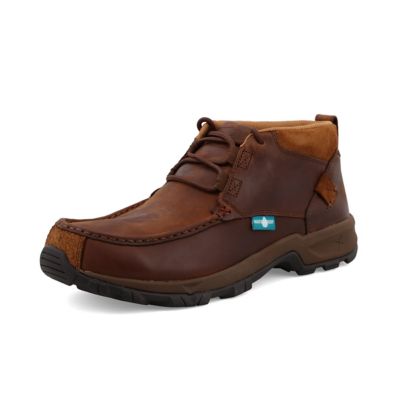
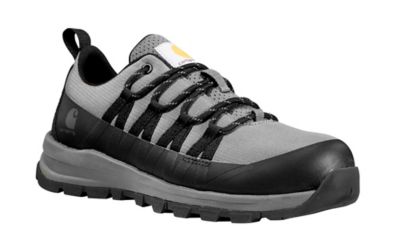
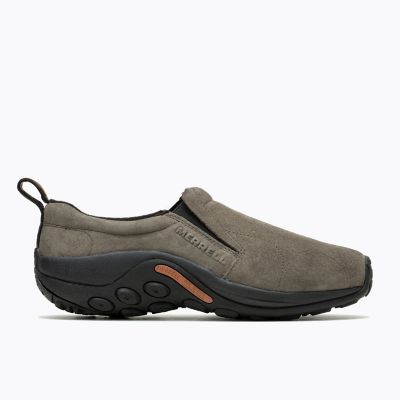
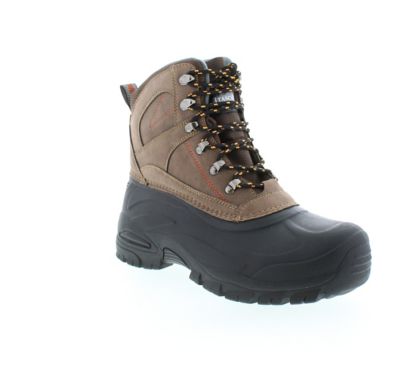
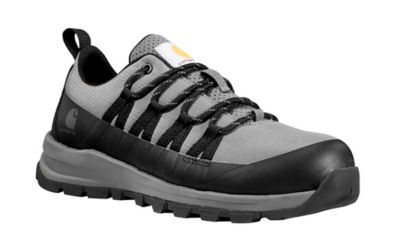
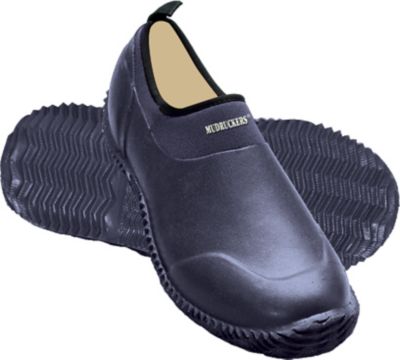
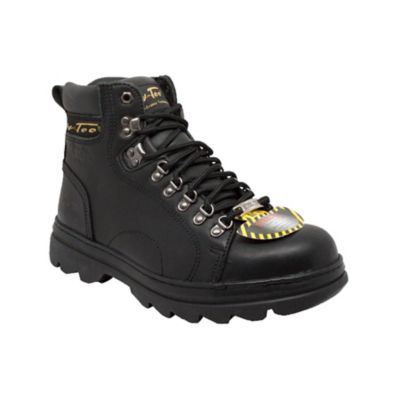
Men’s lightweight hiking shoes bring trail-focused grip, underfoot cushioning, and a low-cut shape together for walks that go beyond the sidewalk. They suit day hikes, dirt paths around the property, campground loops, and afternoons spent exploring a wooded ridge with a small pack. Compared with taller hiking footwear, a low-cut shoe leaves more room for movement around the ankle and usually carries less weight, although construction matters as much as height. The best match balances weight with the traction, support, and protection the ground calls for. A smooth gravel lane puts different demands on footwear than a rocky climb, where each step may land on a narrow edge or loose stone. Rubber outsoles give these shoes their trail contact, while raised tread blocks, often called lugs, help find purchase on uneven ground. Deeper, more widely spaced lugs can shed loose dirt more readily; shallower patterns may feel smoother on hard-packed paths and paved stretches between trail sections. Neither tread depth nor an aggressive-looking sole tells the whole story. Rubber compound, tread placement, and how the sole flexes also affect the feel underfoot, and no outsole guarantees grip on every surface. A reinforced toe cap can help shield the front of the shoe from scuffs when a root or rock catches a step. Heel reinforcement and protective material around the lower edge of the upper add coverage where trail wear tends to show first. For a fellow who heads from the truck to a trailhead, follows a path along the pasture, or spends weekends roaming public land, lightweight hiking footwear offers a practical middle ground between everyday sneakers and more substantial boots. These shoes are meant for walking and trail travel, not as a substitute for footwear with required jobsite safety ratings. Matching the construction to the route and the load keeps low weight in perspective: a few saved ounces matter less than a shoe that feels steady and comfortable over the whole outing.
Materials help explain why two pairs of lightweight hiking shoes can feel different even when their shapes look much alike. Mesh and woven synthetic uppers can reduce weight and allow air to move through the shoe. Leather panels add structure and abrasion resistance around areas that rub against brush, stones, and trail edges, though they can also add weight. A mix of materials often balances flexibility with protection, while reinforced stitching and well-supported lace attachments help the upper hold its shape through repeated wear. Waterproof membranes provide a barrier against outside moisture, but they can reduce breathability compared with similar shoes without that lining. Water can still enter over a low collar, so waterproof construction does not turn a hiking shoe into footwear for wading. Beneath the foot, foam midsoles cushion contact with the ground. EVA foam is common in lighter footwear, while firmer compounds or layered constructions can provide a more structured feel. A softer sole may feel pleasant on a mellow path, but cushioning alone does not determine comfort over several miles. The shape of the footbed, the firmness beneath the arch, and the amount of twisting through the sole all contribute. Some hiking shoes include a shank or protective plate that helps spread pressure from sharp rocks without requiring a thick outsole. Flexibility near the ball of the foot supports a natural walking motion, while a firmer platform can feel steadier on broken ground. For routes that call for a higher collar or more coverage around the ankle,
lightweight hiking boots offer another footwear style to consider. Collar height alone does not establish support; sole stiffness, heel hold, and overall fit still matter. Men’s lightweight hiking shoes tend to make the most sense for walkers who prefer ankle freedom and manageable weight on day outings, with enough protection for the terrain they regularly cover.
Fit brings all those features together. A hiking shoe should hold the heel and midfoot comfortably without squeezing the toes, with enough room up front to keep toes from pressing into the end on a downhill stretch. Feet can swell during a long walk, and the socks worn on the trail change how much room is needed inside the shoe. Width matters just as much as length: a wider toe box can give toes room to spread, while a snugger heel shape may help limit slipping. Secure lacing should hold the foot in place without creating pressure across the top, especially where the laces cross near the ankle. Removable footbeds can make room for an appropriate replacement insole, but that change also affects interior space and heel position. Comfortable hiking footwear should not depend on painful pressure spots disappearing after several outings. Keeping shoes in good shape is mostly a matter of clearing away what the trail leaves behind. Dirt lodged in the tread can affect traction, and grit around seams and lace loops can contribute to wear. A soft brush and cleaning method recommended for the shoe’s materials help remove buildup without rough treatment. After cleaning, air drying away from direct heat helps protect adhesives and uppers; removable insoles can dry separately when the care directions allow it. Occasional checks of the outsole, stitching, laces, and heel lining can reveal wear before a small problem becomes a nuisance miles from the truck. Lightweight hiking shoes can also make a thoughtful gift for a dad, brother, or friend who enjoys walking trails, visiting parks, or taking the long route around the campground. Knowing the recipient’s size, width, and preference for a firm or cushioned feel makes the choice more personal. For everyday trail walkers and men building up to longer day hikes, the right pair comes down to a comfortable fit, suitable tread, and construction that matches the miles ahead.