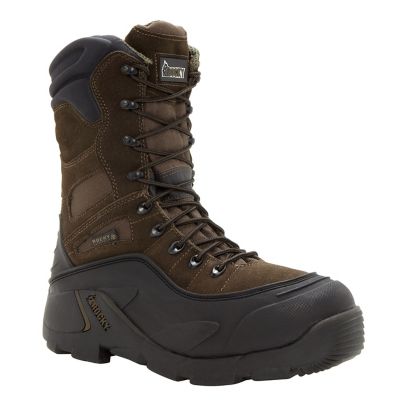
Comfortable Hiking Boots
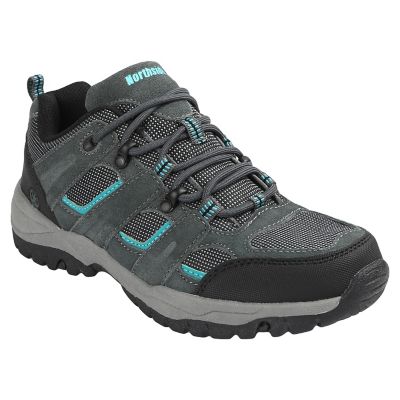
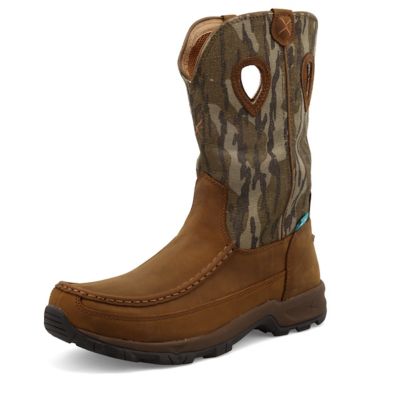
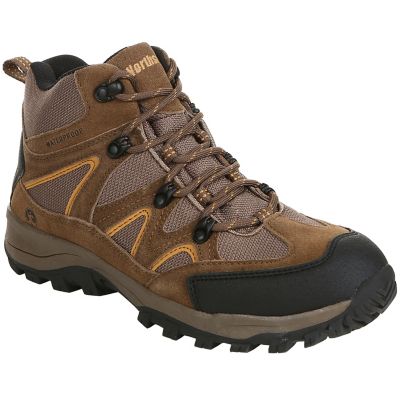
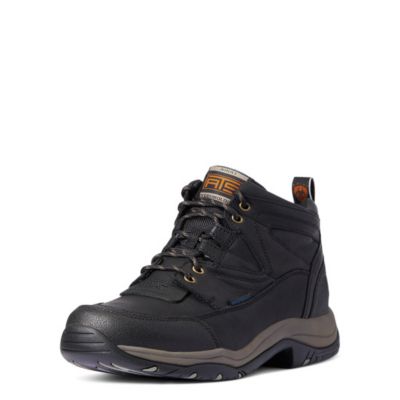
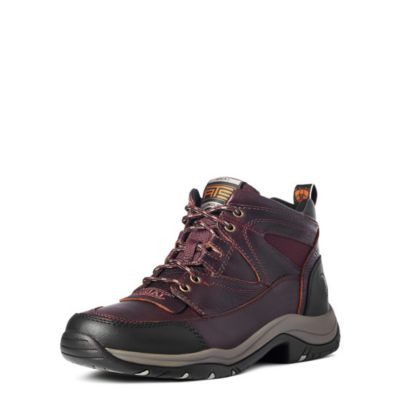
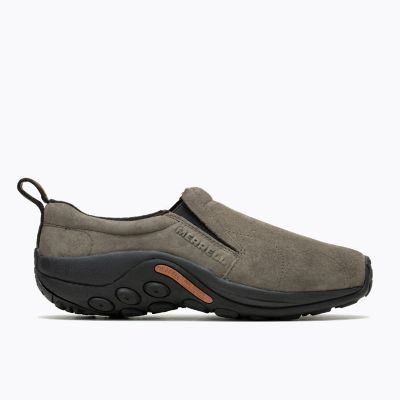
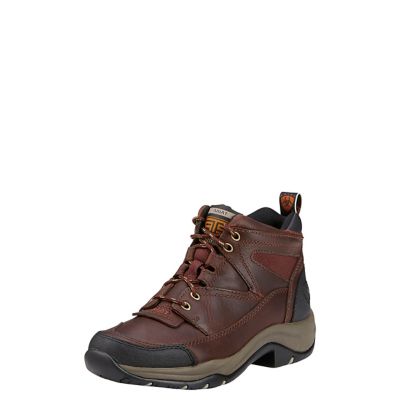
Find comfortable hiking boots for short trail walks or longer days on your feet. As you browse, consider fit, underfoot cushioning, ankle support, and traction for the ground you’ll cover. Leave enough room for your hiking socks without letting your heel slip.

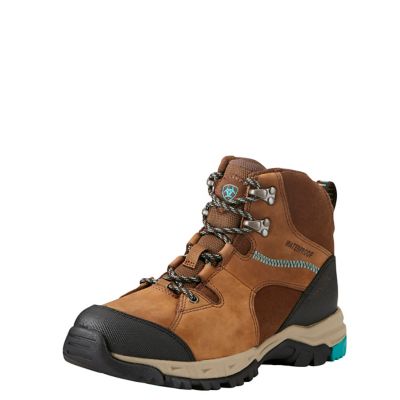
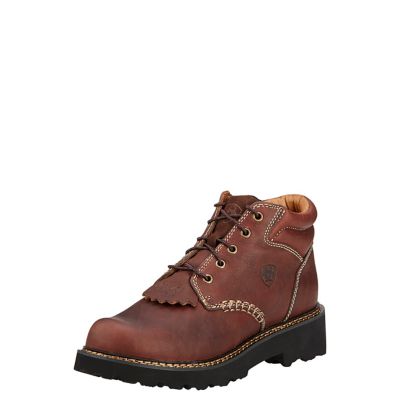
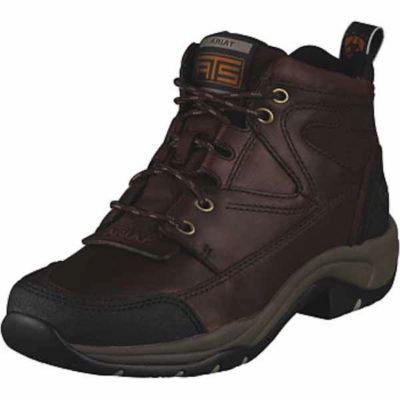
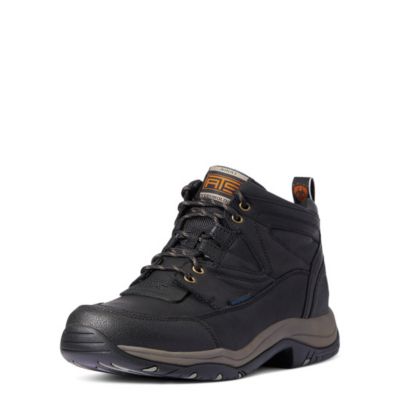
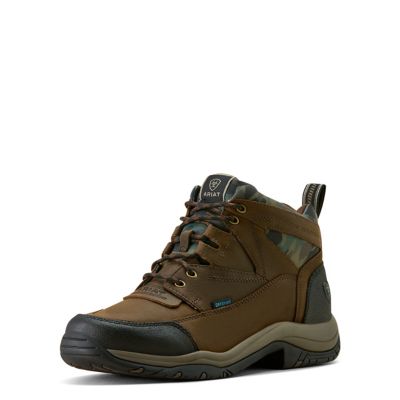
$119
.99
Sale Was $149.99 Save $30.00 (20%)
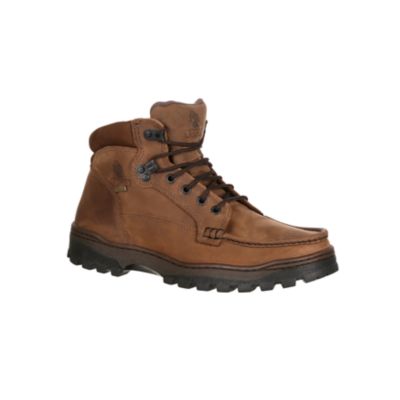
$123
.99
Sale Was $154.99 Save $31.00 (20%)
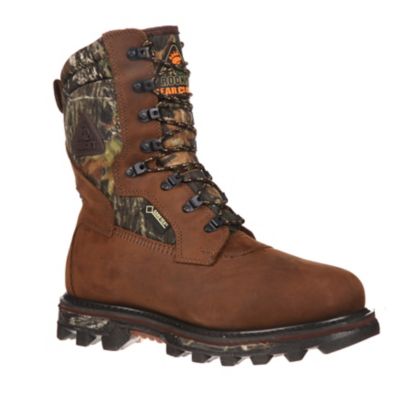
$199
.99
Sale Was $249.99 Save $50.00 (20%)
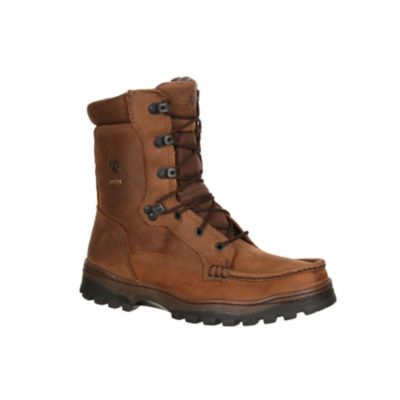
$131
.99
Sale Was $164.99 Save $33.00 (20%)
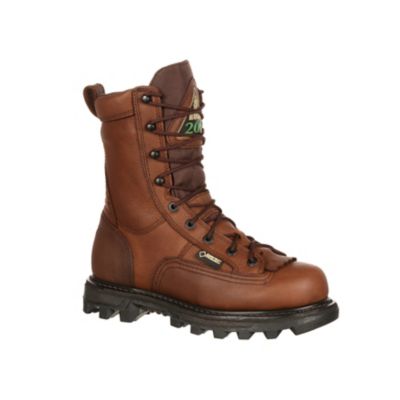
$183
.99
Sale Was $229.99 Save $46.00 (20%)
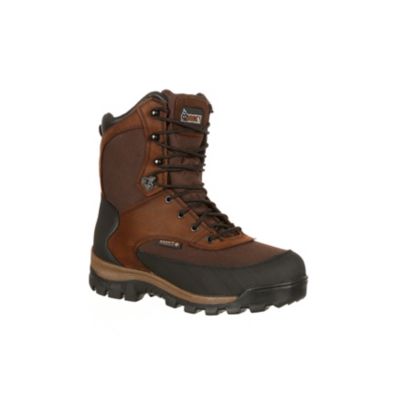
$115
.99
Sale Was $144.99 Save $29.00 (20%)
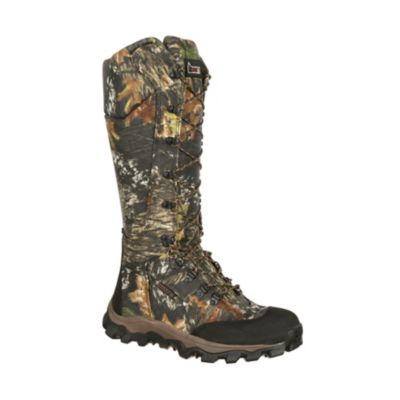
$147
.99
Sale Was $184.99 Save $37.00 (20%)
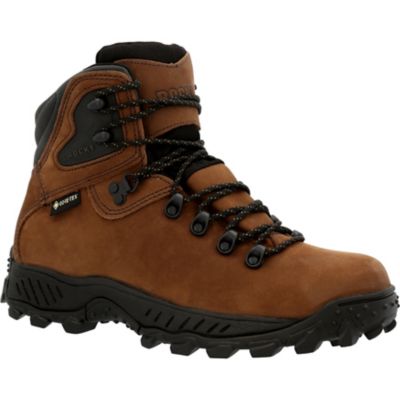
$127
.99
Sale Was $159.99 Save $32.00 (20%)
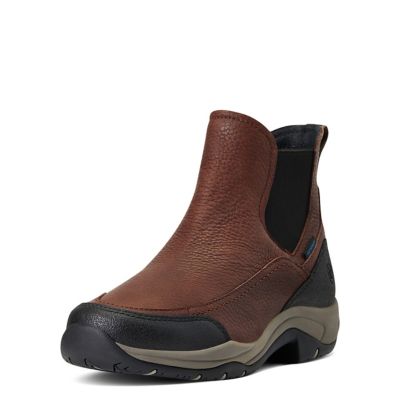
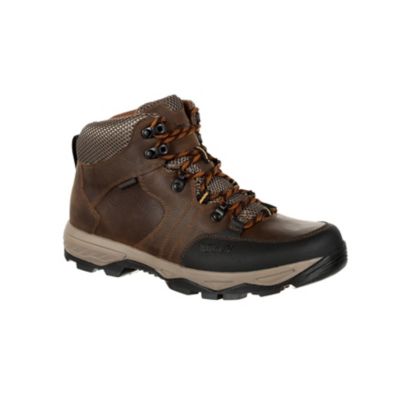
$111
.99
Sale Was $139.99 Save $28.00 (20%)
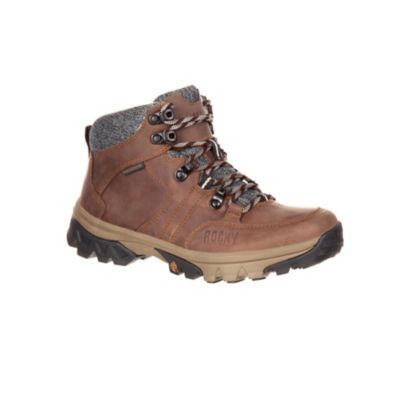
$111
.99
Sale Was $139.99 Save $28.00 (20%)
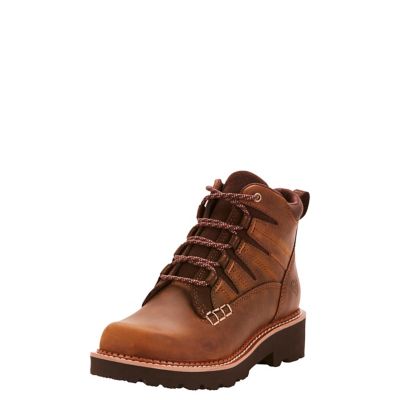
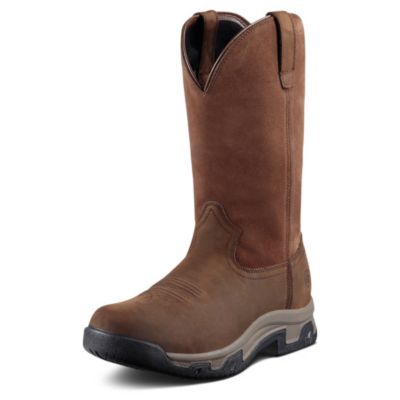

$143
.99
Sale Was $179.99 Save $36.00 (20%)
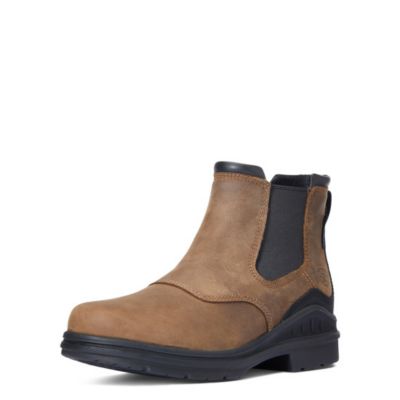
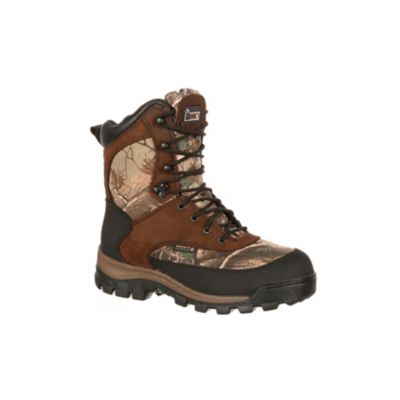
Best Of FAQ
What does cushioning mean in hiking boot descriptions?
Cushioning refers to padding and compressible layers beneath your feet, often in the footbed and midsole. Some hiking boots have a soft, plush feel, while others feel firmer underfoot. Your preferred feel is a good starting point when shopping for comfortable hiking boots.
How are hiking boots different from hiking shoes?
Hiking boots generally have a higher collar that extends around or above the ankle. Hiking shoes have a lower cut, closer to a sneaker. Both come in a range of constructions, so the feel can vary from one style to another.
Why do some hiking boots weigh more than others?
Boot weight comes down to the materials and construction, including the upper, sole thickness, hardware and amount of padding. Taller styles and more substantial soles can add weight. Compare listed weights on the same basis, since descriptions may give the weight of one boot or a pair.
How do I clean hiking boots after a muddy day on the trail?
Check the boot maker’s care directions first. For routine cleanup, brush off loose dirt, remove the laces and gently wipe away remaining mud as directed. Pick cleaning treatments intended for the boot’s material, and let boots air-dry away from direct heat.
What's the best way to store hiking boots between outings?
Put boots away clean and fully dry in a cool, ventilated spot out of direct sunlight. Loosen the laces and avoid piling heavy gear on top of them. Skip sealed bags or containers while any moisture remains.
Best Sellers
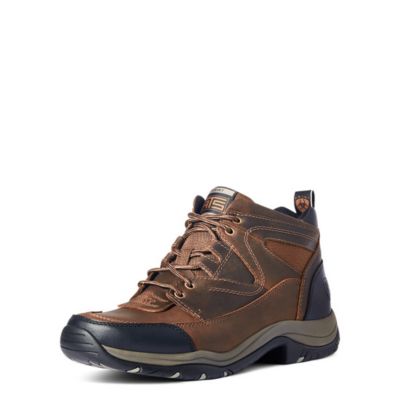
-
"Great price. Light weight. Great traction for outdoor use"
-
"Great boot, comfortable"
-
"They love them, find them very comfortable and supportive"
-
"Love love love!!!!!! Fit is perfect!! Inside is soft"
-
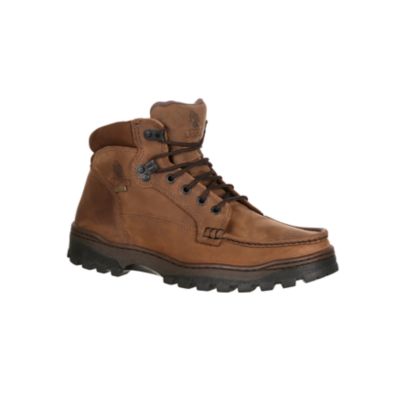
"Great Boots Nothin but ROCKY'S on my feet, well worth the cost"