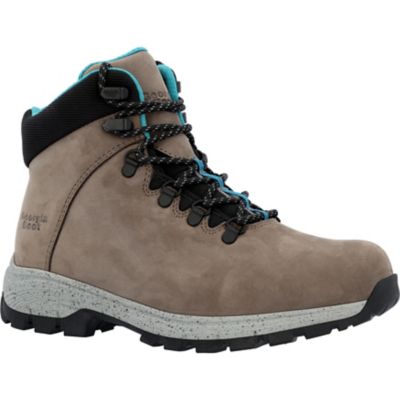
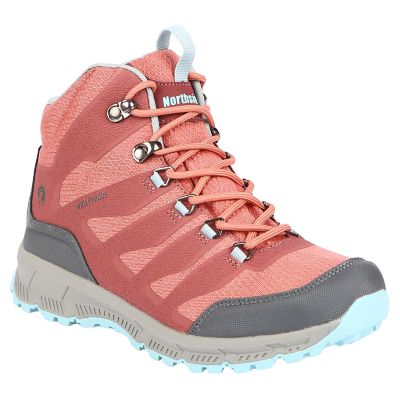
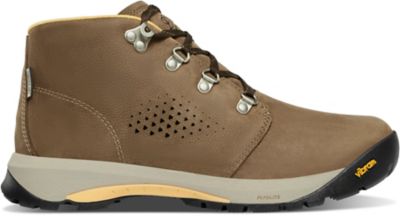
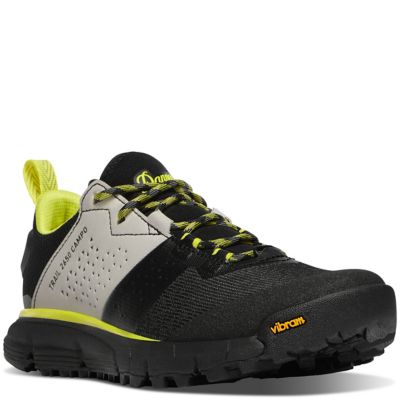
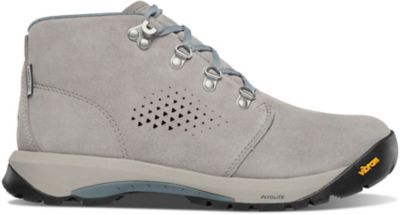
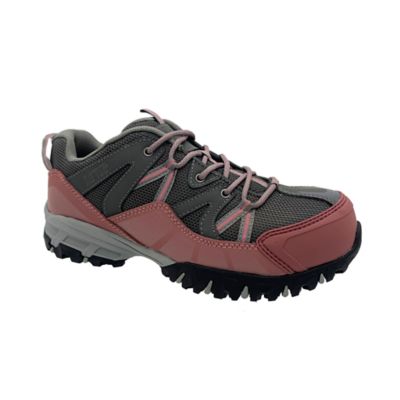
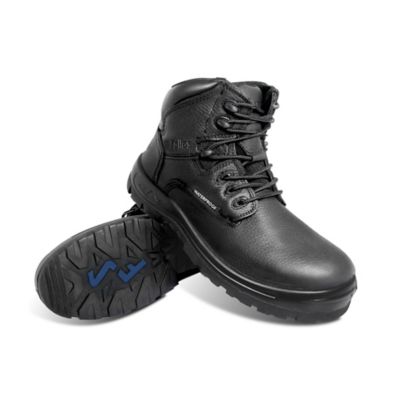
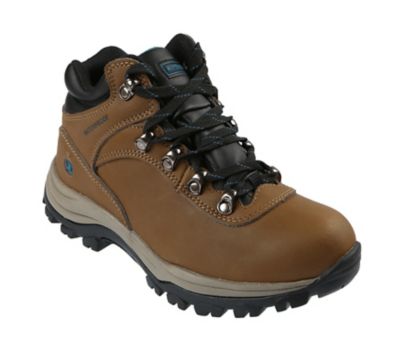
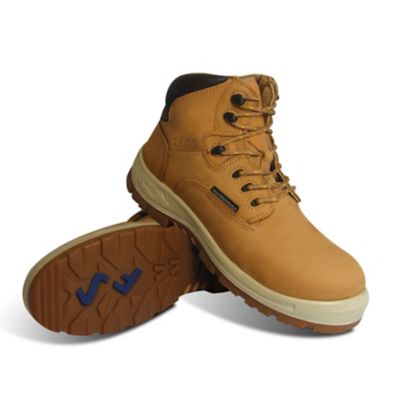
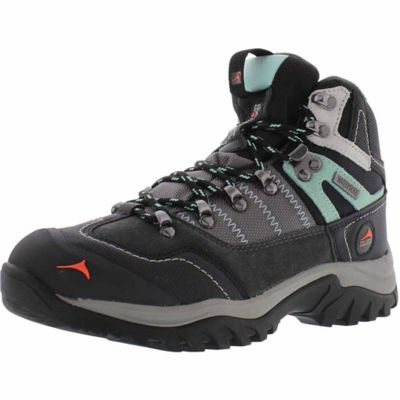
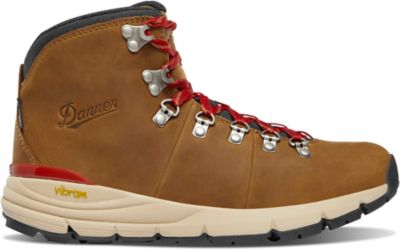
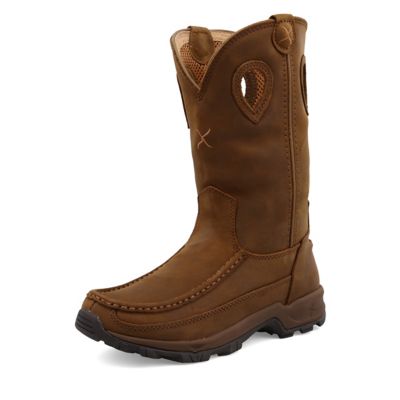
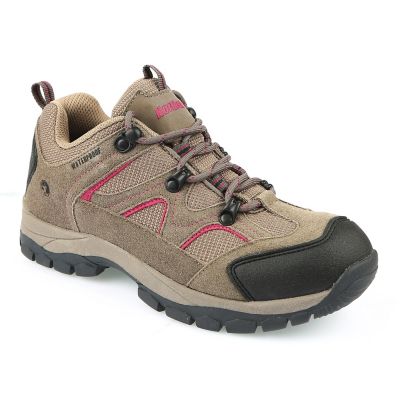
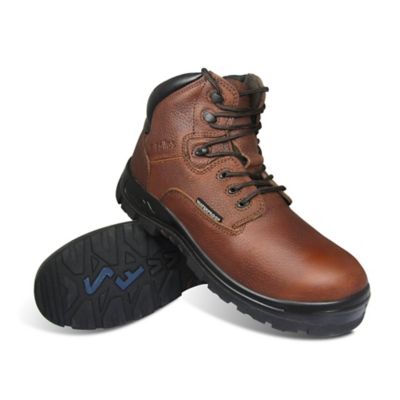
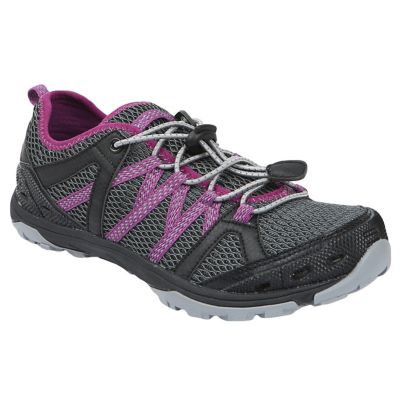
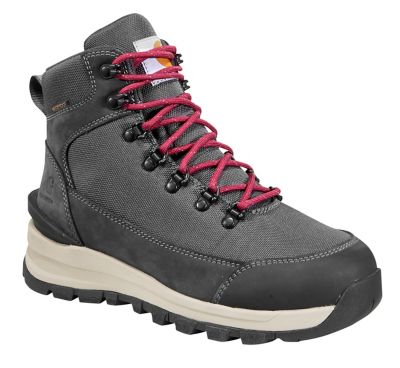
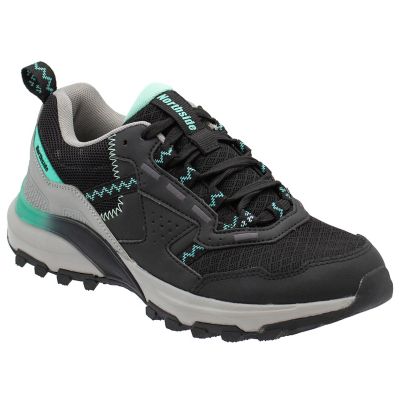
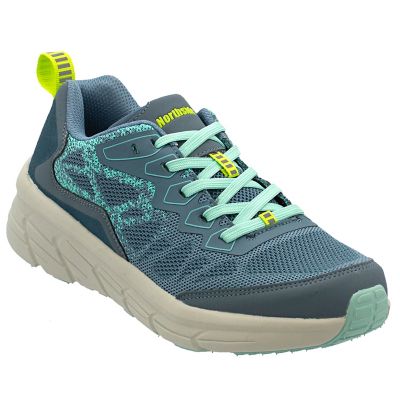
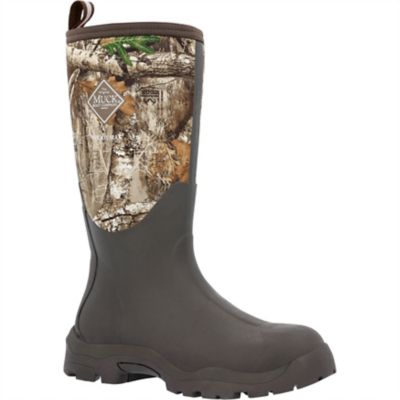
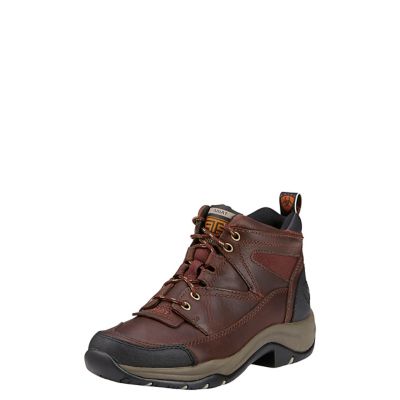
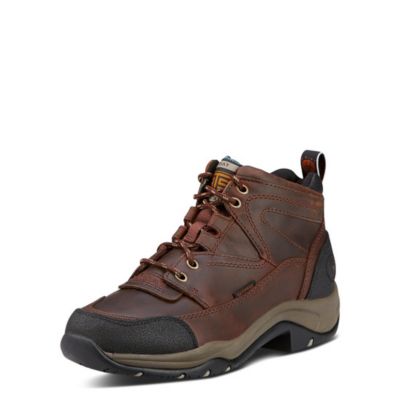
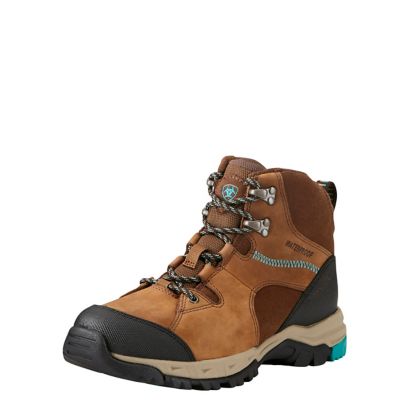
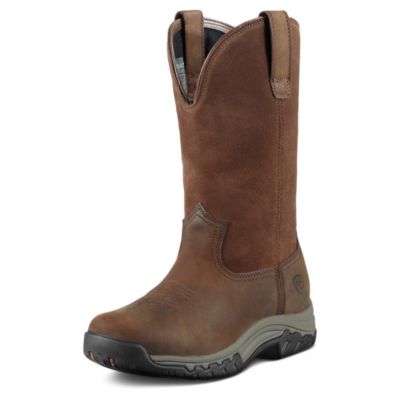
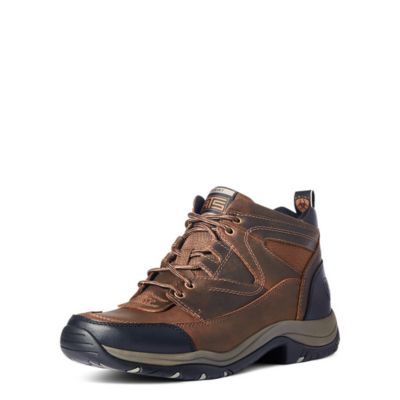
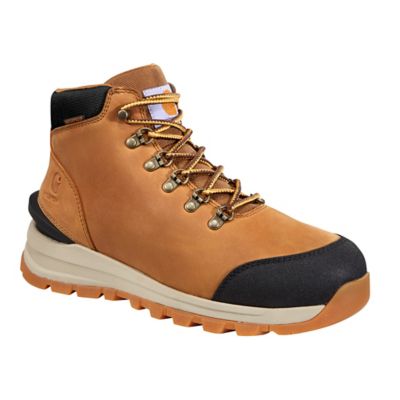
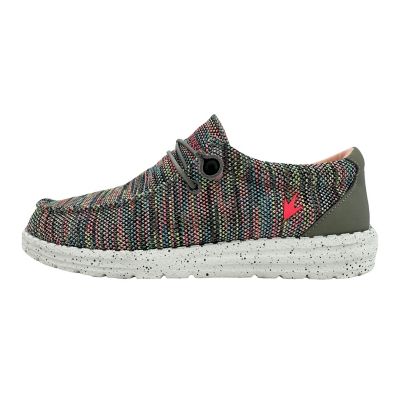
Lightweight hiking boots for women bring together the easy feel of a trail shoe and the added support of a boot, making them a handy choice for walks through the pasture, weekend hikes, campground paths, and everyday time outdoors. A lighter boot can help your feet feel less tired when the trail stretches on, while a higher ankle profile may offer a little more support when the ground turns uneven. Look for a well-shaped footbed, steady cushioning, and a snug heel that stays in place without squeezing your toes. Your feet should have enough room to spread naturally, especially on descents, when toes can slide forward. Women with narrow feet may prefer a closer-fitting upper with lacing that lets them fine-tune the fit, while those with wide feet should seek a roomier toe box and avoid styles that pinch along the forefoot. Try boots on with the socks you expect to wear outdoors, and give yourself space for a thicker pair during cooler months. A good fit often feels secure around the heel and midfoot, with comfortable wiggle room at the toes. If you wear an ankle brace or supportive insole, account for that when choosing a size. Lace-up designs make it easier to adjust tension from the toe box to the ankle, and you can find more options in our
Women's Lace Up Hiking Boots collection. Before heading out, walk around on a firm floor and pay attention to rubbing at the heel, pressure across the top of the foot, or slipping inside the boot. Those small warning signs tend to become much more noticeable after a few miles.
Terrain and weather should guide the rest of your choice. Smooth gravel paths and maintained woodland trails may call for a flexible sole that keeps your stride light, while rocky ground benefits from a more structured midsole, firm heel support, and deep tread that can grip loose dirt and uneven stone. For muddy paths, look for lugs that shed soil as you walk instead of packing up with every step. Waterproof or water-resistant construction can be helpful when morning grass is wet, a shallow creek crosses the trail, or a sudden shower rolls across the fields, but remember that no boot can stay dry if water comes over the collar. Breathable panels may feel better during warmer afternoons, while a lined interior adds welcome comfort as temperatures drop. Give new boots time to settle in with short walks before taking them on a long hike; a few laps around the yard or a quick trip down a familiar trail can reveal fit concerns early. Keep socks dry, loosen the laces when taking a break, and let boots air out after a damp outing rather than leaving them in a closed vehicle. Lightweight hiking boots can make a thoughtful gift for someone who enjoys state parks, hunting camp, birdwatching, travel, or simple walks with the family, especially when you know the recipient’s usual terrain and shoe size. They also suit folks who spend long hours on their feet outdoors and want more trail support than a regular sneaker provides without the heavy feel of a tall winter boot. As the weather shifts from mild afternoons to frosty mornings, a pair with steady traction, comfortable cushioning, and weather protection can help keep outdoor plans moving across changing ground. Consider the intended miles, surface, climate, fit, and budget before choosing, and focus on the features that match the way the boots will actually be worn.