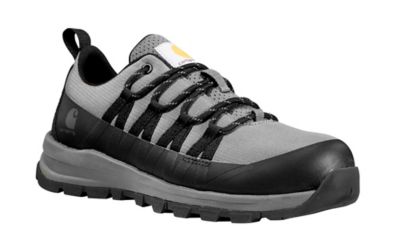
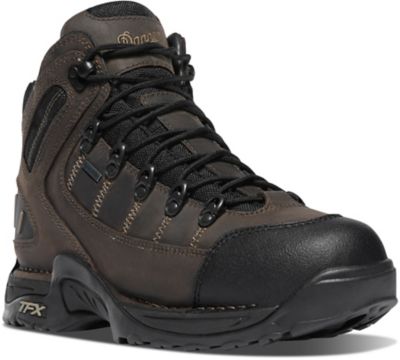
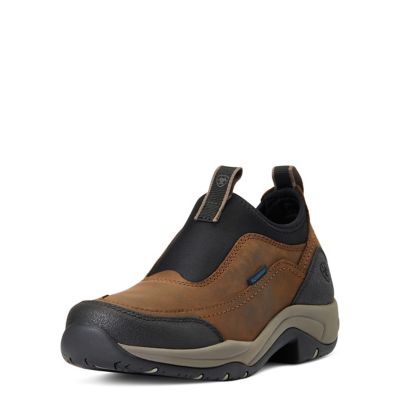
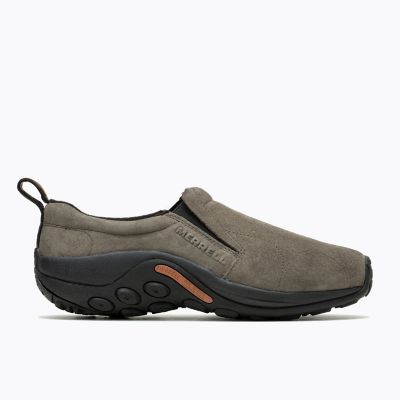
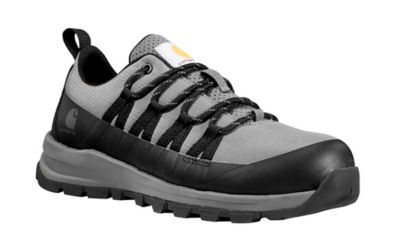
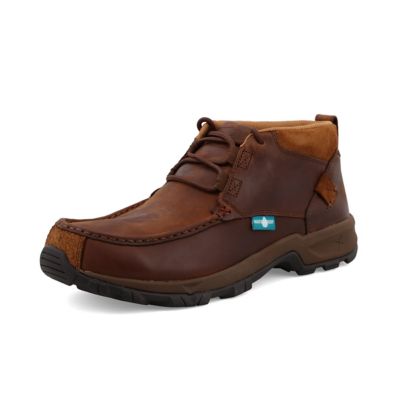
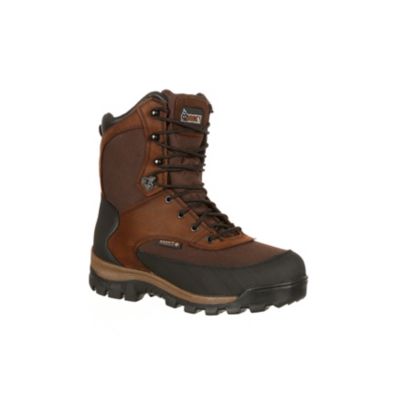
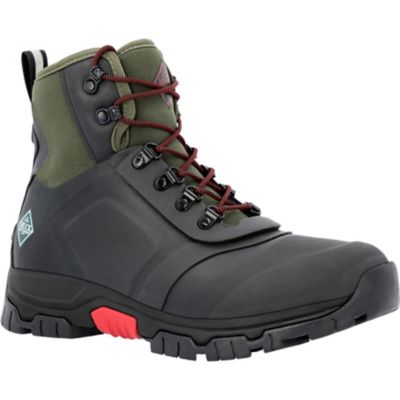
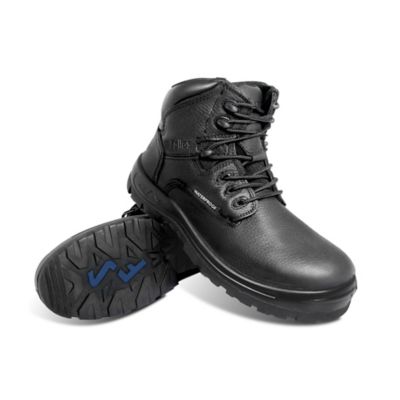
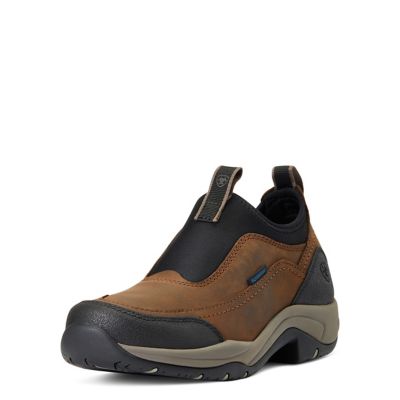
Lightweight hiking shoes bring together trail traction, underfoot cushioning and a flexible, athletic feel without the weight of many traditional hiking boots. They’re a good match for day hikes, gravel paths, wooded loops and long walks along uneven ground, especially when the load on your back is light. A low-cut shape leaves the ankle free to move, while trail-focused outsoles give these shoes a different feel from everyday sneakers. Rubber compounds, tread depth and lug spacing all influence how a shoe grips the ground. Closely spaced lugs can feel smoother on packed trails and access roads, while deeper, more widely spaced lugs provide more bite in loose dirt and leave room for debris to clear. Broad contact areas can help on firm rock, though no tread pattern grips every surface equally well. For a walk that starts on a gravel lane, passes a pasture fence and finishes on a rocky overlook, that balance matters more than an aggressive-looking sole alone. Mesh and woven textile uppers help keep weight down and let moisture vapor escape. Synthetic overlays add structure around the sides, and leather panels can reinforce areas that rub against rocks and brush. A reinforced toe cap adds a buffer against scuffs when the path gets cluttered with roots. Lightweight doesn’t have to mean thin everywhere: some shoes concentrate reinforcement at the toe and heel while keeping the rest of the upper more flexible. The lightest construction isn’t automatically the best match for every outing, either. A little more structure can feel welcome on broken ground, while a softer shoe may feel more natural on a smooth trail. Listed shoe weights are most helpful when the size and measurement basis match, since a weight for one shoe can’t be compared directly with a weight for a pair. The practical goal is enough traction, protection and support for the route, without carrying more shoe than the walk calls for.
Fit makes a bigger difference than a small change in shoe weight. Lightweight hiking shoes should hold the heel and midfoot securely while leaving room for the toes to spread and move. On a descent, toes need enough clearance that they don’t keep bumping the front of the shoe. On a climb, the heel should stay reasonably settled rather than lifting with every step. A roomy toe box and a loose overall fit aren’t the same thing; the forefoot can have space without the rest of the foot sliding around. Width options, upper shape and lacing layout all affect that balance. Trying shoes with the hiking socks and any inserts intended for the trail gives a better sense of the space inside. Feet can also expand over a long walk, so a fit that feels tight at the start may become distracting several miles from the truck. Cushioning deserves the same attention. EVA foam is common in lightweight midsoles because it adds cushioning without much weight, but thickness alone doesn’t tell the whole story. A softer platform can feel comfortable on packed ground, while a firmer platform may feel steadier when stepping across roots or slanted rock. Some constructions include a rock plate or protective layer that helps spread pressure from sharp stones underfoot. Others favor greater flexibility, allowing the shoe to bend more easily with each stride. Heel-to-toe drop, or the difference in height between the heel and forefoot, also changes the feel. A move to a substantially lower drop is worth easing into rather than saving for an all-day hike. For folks carrying heavier packs or spending long stretches on steep, broken terrain, more structured footwear may be a better match than a very flexible shoe. Collar height alone doesn’t determine support; the heel structure, midsole firmness, fit and outsole platform all play a part. A few steps on an incline can tell more about heel hold and toe clearance than standing still on a flat floor.
Care and construction help determine how well lightweight hiking shoes hold up over repeated outings. Areas worth paying attention to include the seam where the upper meets the sole, the material around the lace eyelets and the reinforcement along the toe. Brushy paths and jagged rock put different demands on an upper than a well-kept walking trail, so intended use matters as much as appearance. Waterproof membranes add a barrier against outside moisture, while non-waterproof mesh constructions generally allow more airflow and can release trapped moisture more readily. A waterproof low-cut shoe still has an open collar, so water can enter from above. For hikers who prefer more coverage around the ankle along with a moisture barrier,
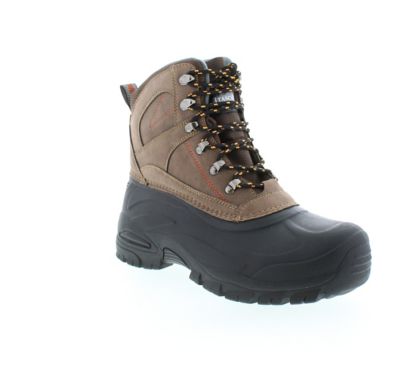
Lightweight Waterproof Hiking Boots offer another style to consider. Whatever the construction, basic cleanup goes a long way. Loose grit can work into fabric, seams and laces, so brushing it away after a walk helps limit abrasion. A soft brush and gentle cleaning approach are usually a better starting point than harsh scrubbing, with the shoe maker’s care directions taking priority. Removing loose insoles and opening the tongue helps the inside air out; direct heat from a heater or clothes dryer can damage adhesives and other materials. Treatments also need to suit the upper, since leather, textiles and waterproof membranes don’t all call for the same care. Between outings, shoes benefit from a place with airflow rather than staying packed in a closed bag. Flattened tread, separating sole edges and cushioning that feels noticeably uneven are signs to reassess the pair before a longer route. For someone who enjoys campground walks, local trail loops or exploring beyond the gravel road, lightweight hiking shoes can also make a thoughtful gift. Knowing the recipient’s fit preferences, usual walking distance and favorite terrain makes that choice more personal than relying on shoe size alone. The right match feels secure underfoot and comfortable enough that attention stays on the path ahead.