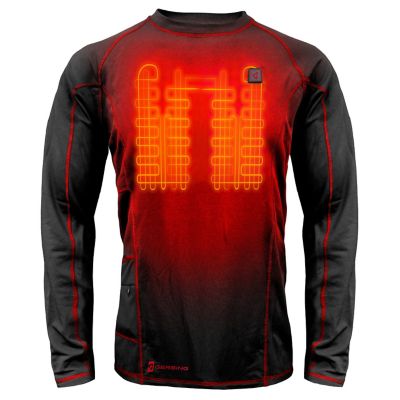
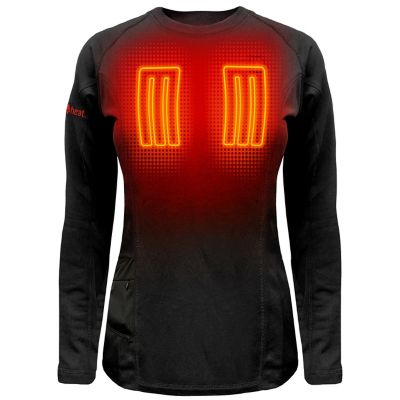
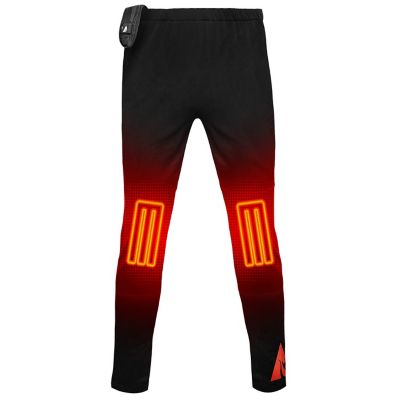
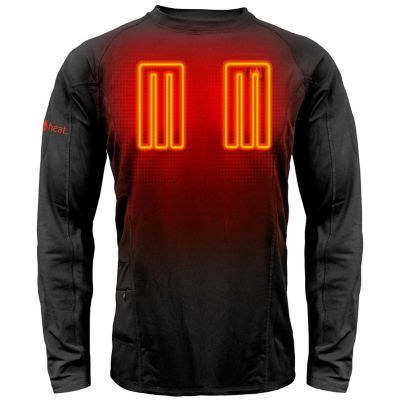
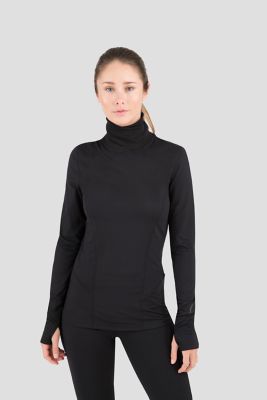
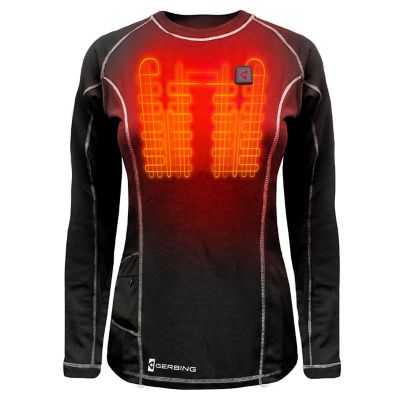
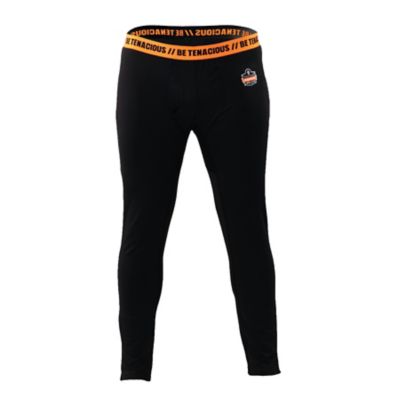
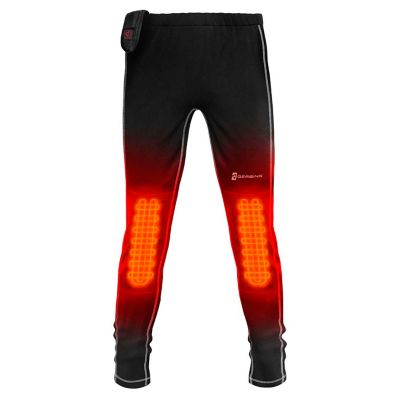
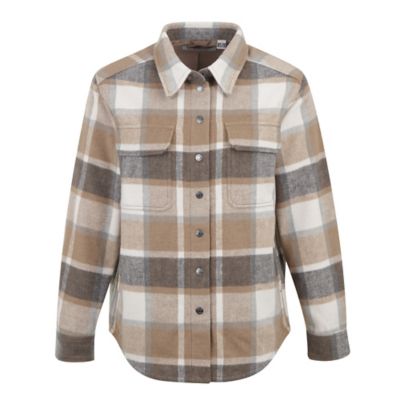
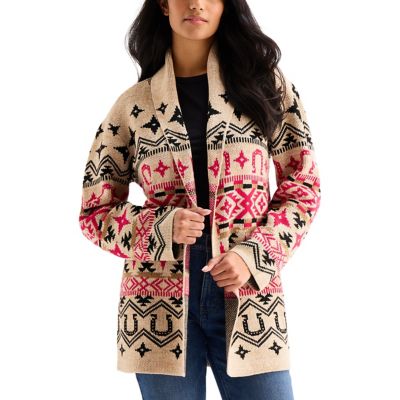
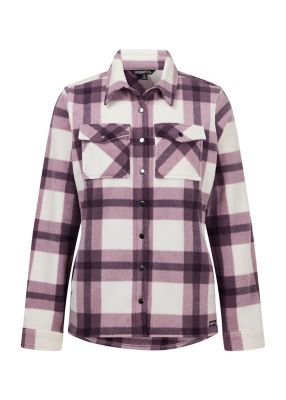
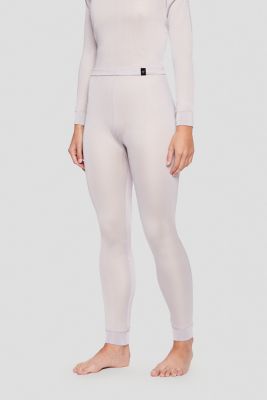
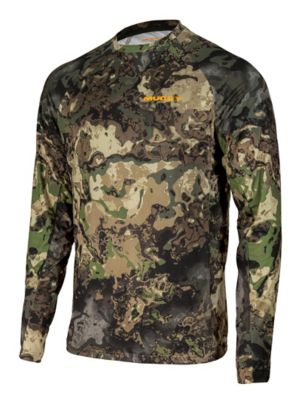
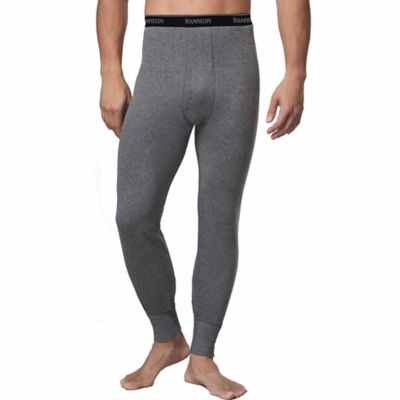
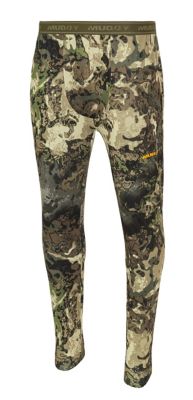
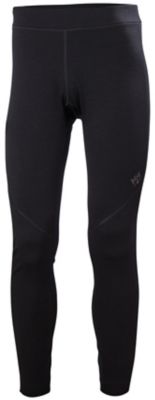
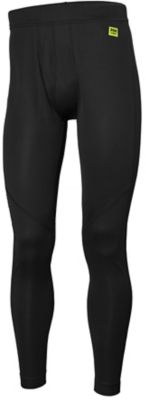
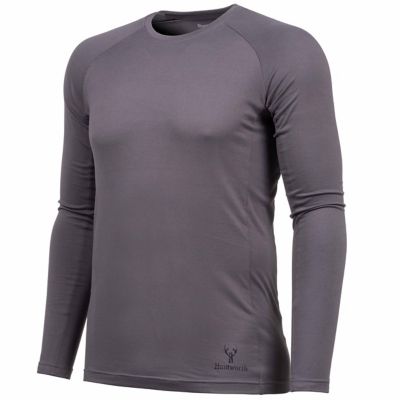
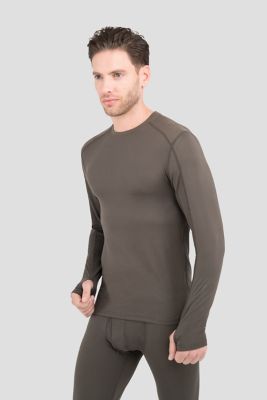
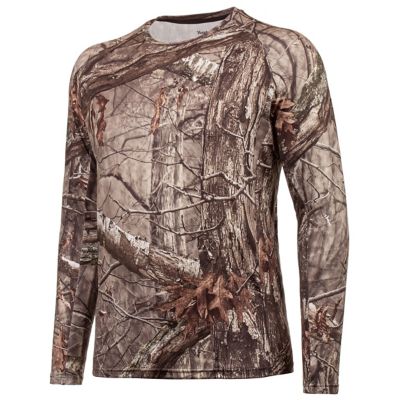
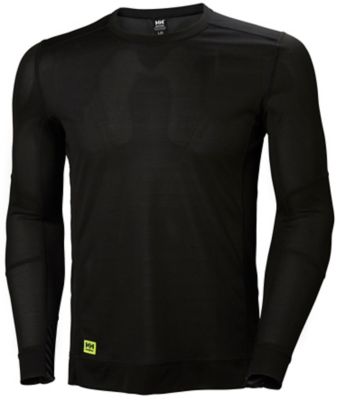
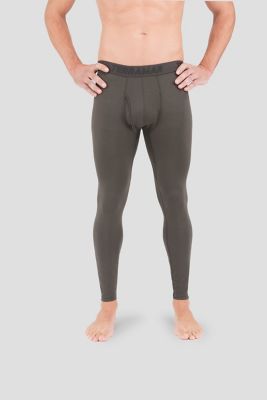
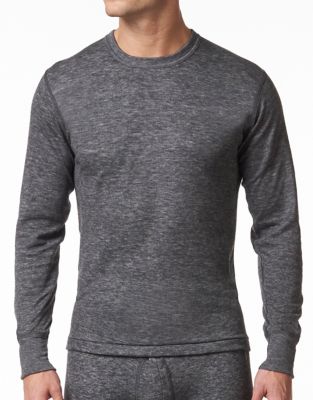
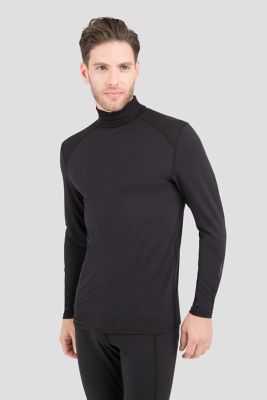
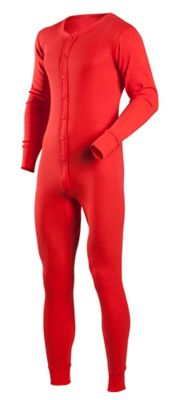
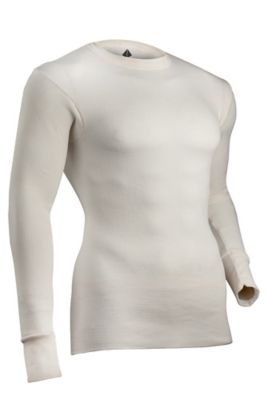
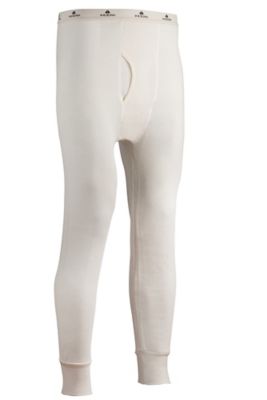
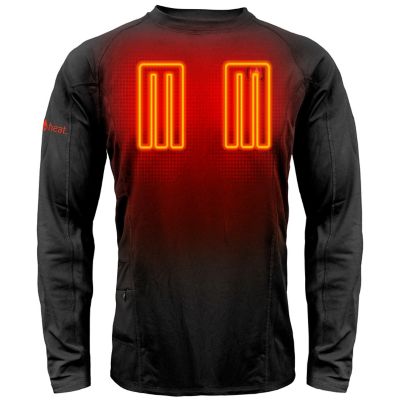
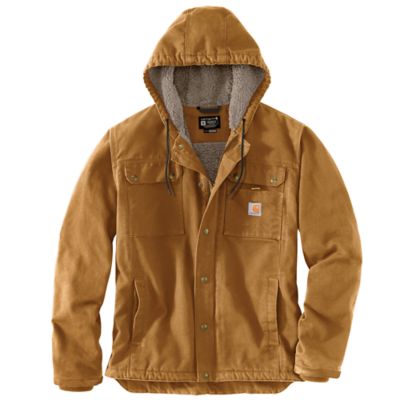
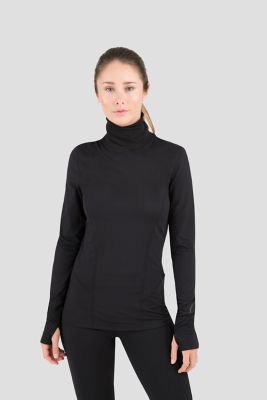
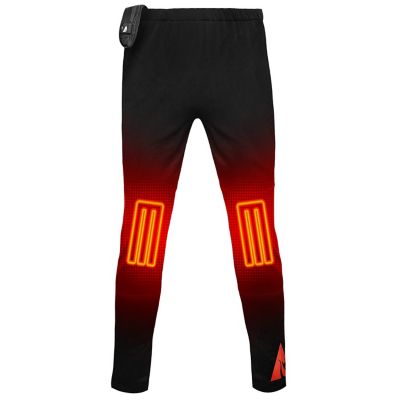
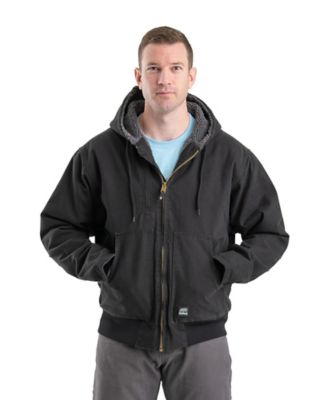
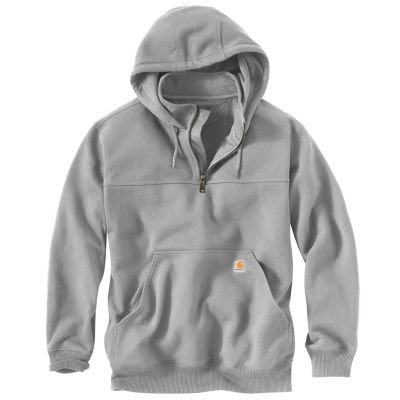
Layering clothes help you stay comfortable when the day starts cool, warms up under the sun, and turns brisk again by evening. That makes them a handy choice for farm chores, outdoor work, school runs, hunting trips, travel, weekend errands, and everyday wear around town. A good layering system usually has three parts: a base layer next to the skin, a middle layer that holds in warmth, and an outer layer that helps block wind or wet weather. The base layer should fit close without feeling tight, allowing it to move moisture away from the body before sweat can leave you chilled. Moisture-wicking synthetic materials and merino wool are often useful for active days because they dry more readily than cotton. Cotton can feel soft and comfortable for light activity, but it tends to hold dampness, which may become uncomfortable when temperatures drop or a breeze picks up. Over that first layer, a shirt, sweater, vest, or light jacket can add warmth without making movement difficult. The outer layer should leave enough room for the pieces underneath, especially across the shoulders and arms, while still closing securely at the cuffs, collar, and waist. Wearing thin layers closest to the body and gradually heavier layers on top keeps the outfit flexible and helps prevent the bulky, stiff feeling that can make it harder to climb into a truck, reach across a feed bin, or work a fence line.
Layering clothes are useful because they let you adjust as conditions change instead of committing to one heavy garment for the whole day. During the warmer part of the day, the outer layer can be opened, pushed up, or removed and carried over an arm. When the temperature falls, adding that layer back on can make a noticeable difference, especially after sunset or when a steady wind moves across an open field. For outdoor work, look for durable construction, comfortable stretch, secure pockets, and closures that are easy to use with cold or gloved hands. A longer back, adjustable cuffs, and a weather-resistant finish can add practical coverage when you are kneeling, riding, loading supplies, or walking through damp grass. For active use, avoid stacking so many pieces that they restrict your stride or pinch beneath the arms. A smooth base layer under a warmer, textured middle layer can make it easier to move, while a roomy shell on top leaves space for comfort. For casual outfits, mixing textures and proportions can add interest without sacrificing usefulness. A close-fitting first layer paired with a looser sweater or vest creates balance, and neutral colors make it simple to combine pieces throughout the season. Keep the setting in mind, too: a soft, breathable layer may suit errands and indoor work, while a wind-resistant outer layer is better for long hours outside. Clothing that can be opened or removed in stages is especially handy in places where a sunny morning can give way to shade, rain, or a sharp evening chill.
Layering clothes can also make a thoughtful gift for someone who spends time outdoors or prefers practical clothing that earns its place in the closet. They work well for ranchers, gardeners, contractors, campers, travelers, dog walkers, students, and anyone who moves between heated buildings and changing outdoor conditions. A relative heading off to school, a friend who enjoys weekend hikes, or a neighbor who works before daylight may appreciate comfortable layers that can be used together or worn separately. When choosing a gift, consider the person’s usual activities, preferred fit, and local weather. Someone doing physical work may want lightweight pieces with stretch and moisture control, while a person sitting outdoors for long periods may benefit from more insulating warmth. Check sizing carefully, since base layers generally work best closer to the body, while middle and outer layers need enough room for movement and additional clothing underneath. Pay attention to fabric care, too, particularly if the garment will be washed often after dusty jobs or muddy walks. Building a useful wardrobe can start with a few versatile pieces in easy-to-match colors, then expand with warmer or more weather-ready options as needed. For dependable comfort through late summer’s cool mornings and the cooler months ahead, choose layers that feel good against the skin, move naturally with the body, and stand up to the kind of work and weather that fill an ordinary day. Explore
Thermal Layers for more ways to add comfortable warmth without giving up mobility.