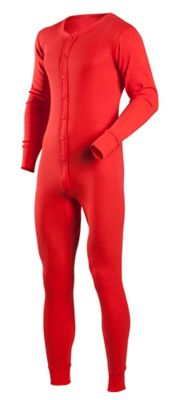
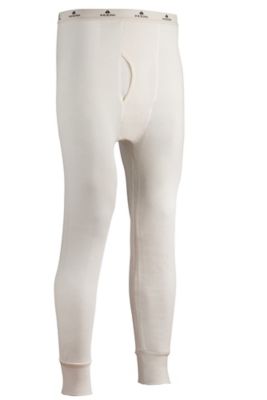
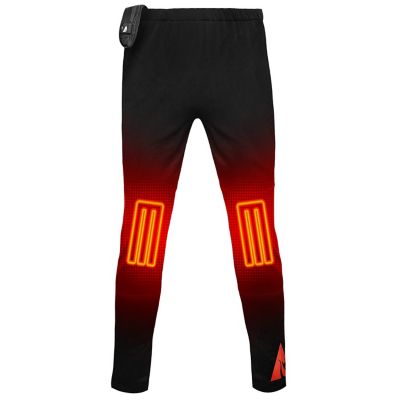
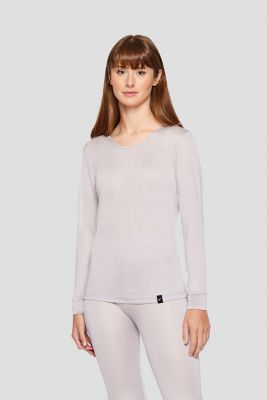
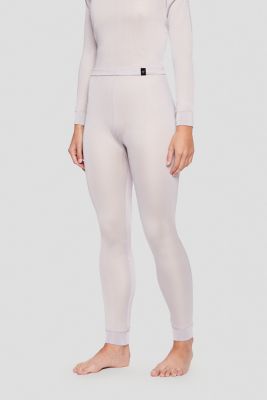
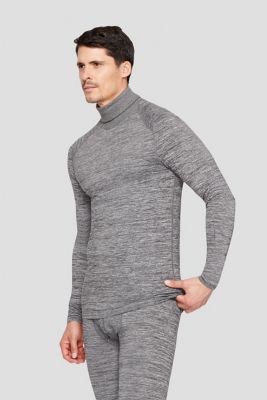
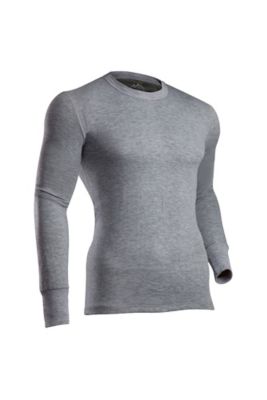
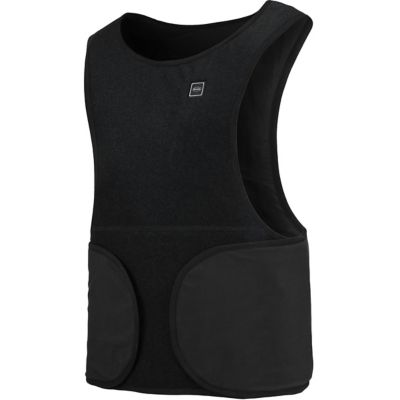
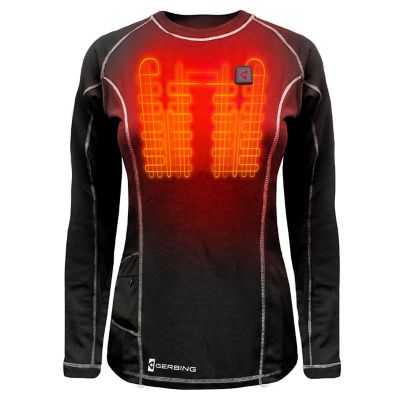
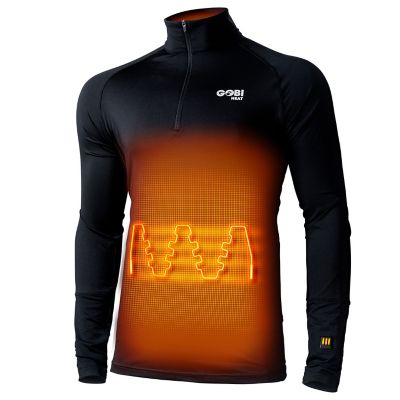
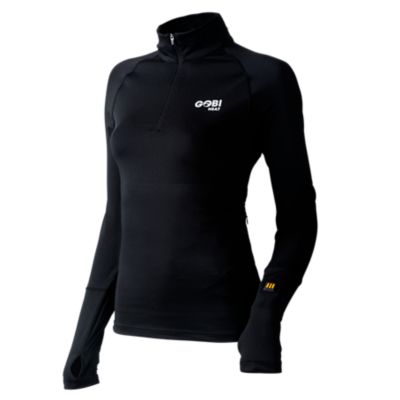
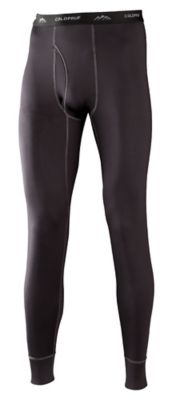
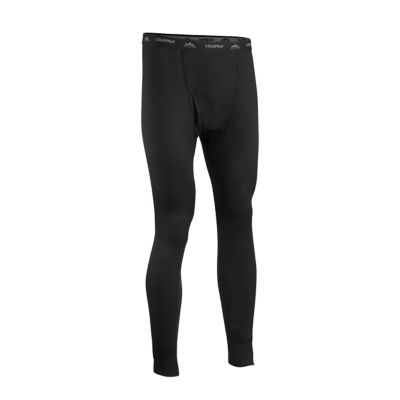
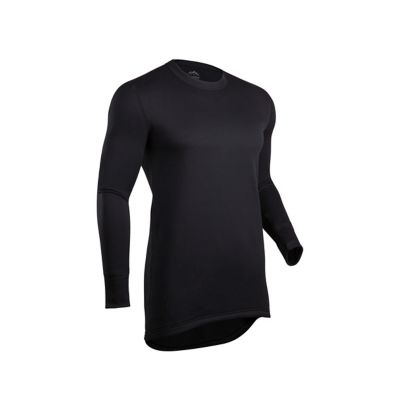
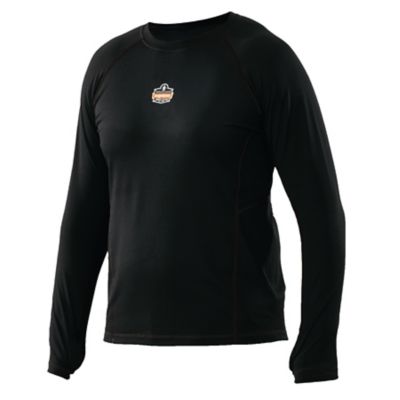
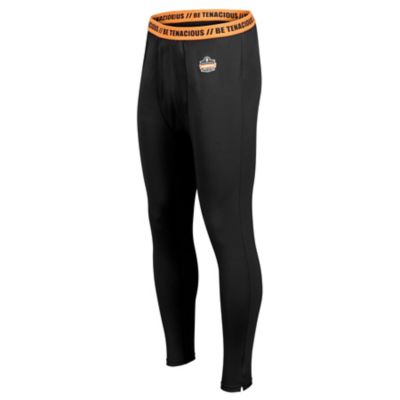
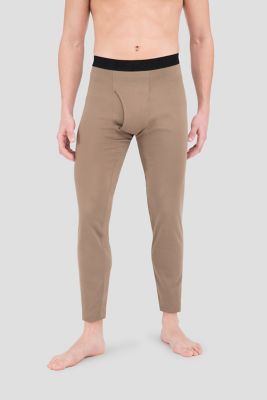
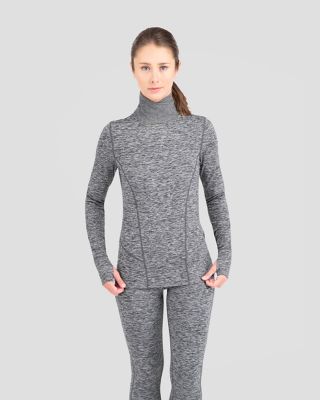
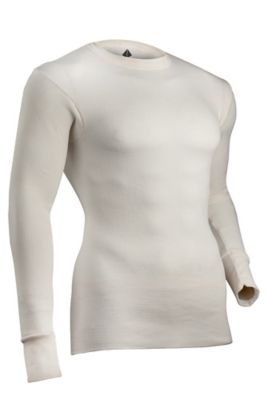
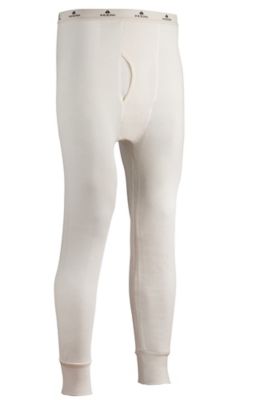
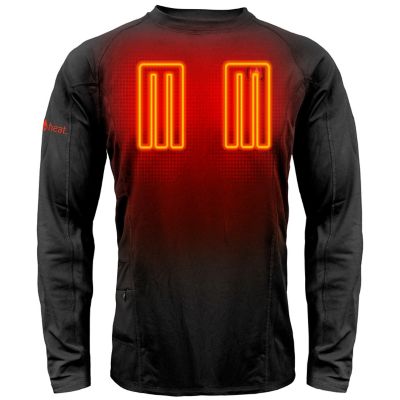
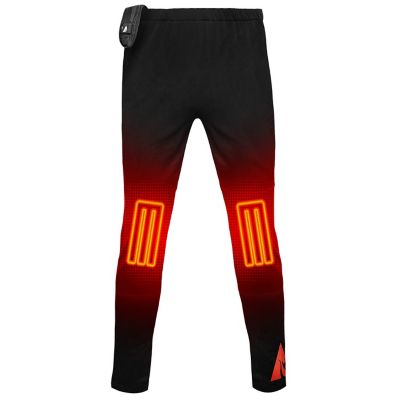
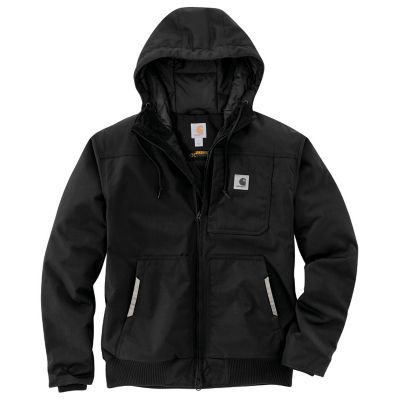
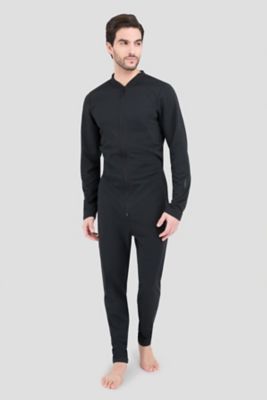
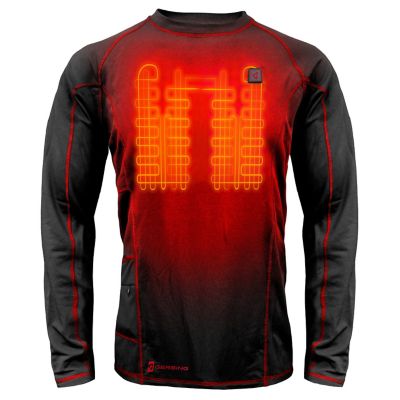
Thermal layers put a little extra comfort between cold air and the work waiting outside. Worn next to the skin, these base garments help hold a thin layer of warm air close to the body while managing moisture from sweat. That combination matters whether the day starts with feeding livestock, walking the fence line or heading out before daylight for a shift outdoors. Warmth alone is only part of the job: clothing that stays damp can leave you chilled when the pace slows or the wind picks up. Thermal tops and bottoms form the foundation of a cold-weather outfit, fitting beneath everyday work clothes without getting in the way of bending, reaching or climbing into a truck. Their performance depends on the fabric, its weight and how the garment fits, along with the clothing worn over it. Lightweight thermal underwear generally suits cool conditions or steady movement, while midweight fabrics offer more insulation for colder days and a mix of activity and downtime. Heavyweight thermals provide greater insulation for lower-output tasks in cold conditions, though no fabric weight guarantees comfort at a particular temperature. Someone stacking firewood may need less insulation than someone sitting on a tractor for hours in the same weather. Wind, dampness and personal comfort all make a difference, too. As cooler mornings stretch into colder afternoons, a base layer that works with a fleece, work shirt or jacket makes it easier to adjust without changing the whole outfit. Thermal layers are not usually a replacement for a wind-blocking or weather-resistant outer layer; they handle the next-to-skin part of the system. A thermal shirt can feel plenty warm inside the barn and still need a jacket once you step into an open pasture. For anyone pulling together clothing for those changing conditions,
Thermal Gear belongs in the same conversation as base layers, insulating midlayers and protection from the weather.
Fabric makes a noticeable difference in how thermal clothing feels through a full day. Polyester and nylon blends are common choices for active work because they tend to dry quickly, and fabrics designed to wick moisture help move sweat away from the skin so it can evaporate. A bit of stretch can make kneeling beside a water trough or lifting feed sacks feel less restricted. Merino wool offers insulation, moisture management and natural resistance to odor, making it a practical option for long stretches outdoors. Fine merino fibers often feel softer than coarser wool, although next-to-skin comfort varies from person to person. Wool can retain some insulating ability when damp, but wet clothing still increases heat loss, especially in wind or deep cold. Blended fabrics combine characteristics from different fibers, so the fiber percentages and care label tell more than the word “thermal” alone. Cotton thermals can feel soft and comfortable for indoor wear, cool evenings at home or light activity where staying dry is easy. Cotton absorbs moisture and dries slowly, however, making it a less suitable base layer for sweaty work or extended time outside in cold, wet conditions. Fabric construction matters alongside fiber content. Waffle knits create small pockets of air, brushed interiors add a soft feel against the skin, and smooth stretch knits can slide beneath pants and shirts with less bunching. Thickness is worth considering in the context of the whole outfit rather than treating the heaviest fabric as the answer to every cold day. Thick thermal bottoms beneath close-fitting work pants may restrict movement, while an overly warm shirt can encourage sweating during hard work. Breathability helps moisture escape, but the layers above the thermals must let that moisture move outward as well. Even a fast-drying base layer can stay damp beneath clothing that traps heat and vapor. For chores that alternate between carrying, walking and standing still, a moderate-weight fabric paired with an easy-to-remove midlayer often offers more flexibility than piling on insulation next to the skin.
Fit is where thermal layers either settle into the day or keep demanding attention. A base layer should sit close enough to make contact with the skin without squeezing at the waist, pulling across the shoulders or binding behind the knees. Excess fabric can fold under jeans, rub beneath a waistband or bunch inside boots. Too little room can limit reach and make an otherwise warm outfit uncomfortable during a long shift. Size charts and garment measurements help account for differences in cut, especially when choosing thermals to wear under familiar work clothes. Shirt length matters when reaching overhead, and a hem that stays tucked helps prevent a cold gap at the lower back. Flat seams, smooth waistbands and cuffs that lie comfortably beneath gloves or socks can make a real difference after several hours outside. For thermal bottoms, the ankle area should fit neatly without creating pressure where pants, socks and boots meet. Strong stitching and fabric that recovers its shape after stretching support repeated wear, while high-friction areas deserve attention when checking for thinning or loose threads. Care has a say in how long those features hold up. Follow the garment label for washing and drying, since wool, synthetic fibers and stretch blends can need different treatment. Excess dryer heat can shrink some fabrics or weaken elastic fibers, and fabric softener can interfere with moisture management on certain performance materials. Letting garments dry fully between wears and rotating pairs gives them time to air out. Thermal layers make practical gifts for people whose routines keep taking them outdoors, from farmers and tradespeople to hunters, hikers and family members tending backyard animals. Getting the size, preferred fabric feel and usual activity level right matters more than simply choosing the thickest option. Whether tucked beneath chore clothes or worn for a quiet walk down a frosty lane, well-fitting thermals help keep attention on the day ahead instead of a cold waistband, damp back or sleeve that keeps riding up.