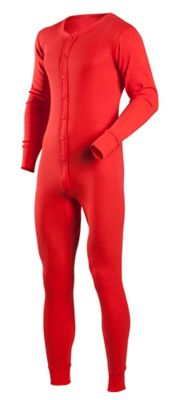
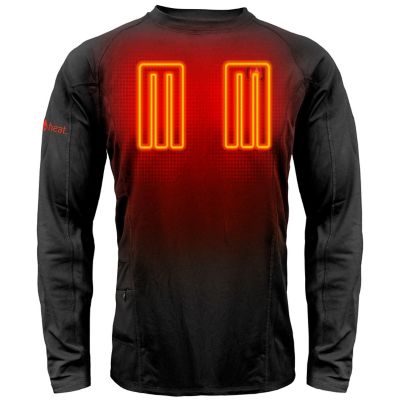
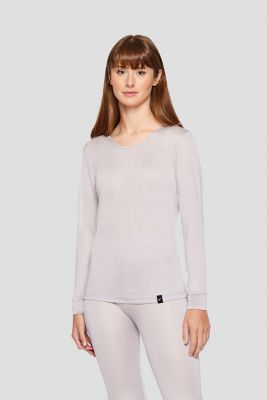
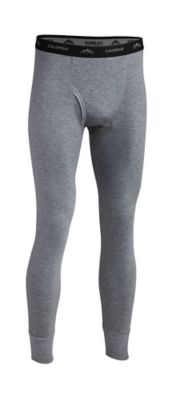
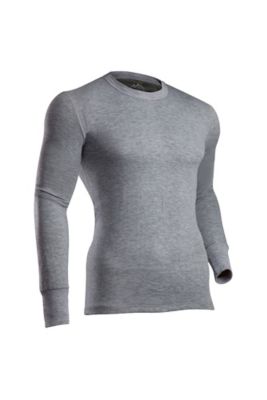
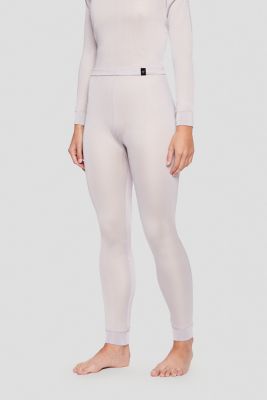
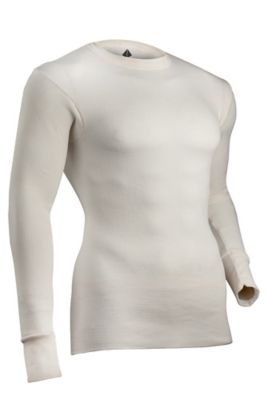
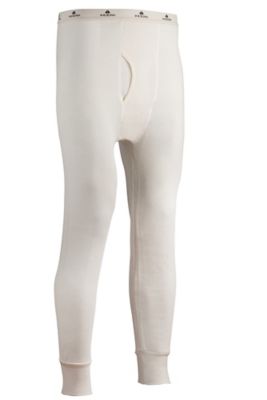
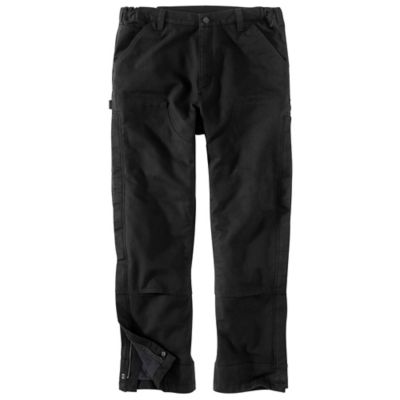
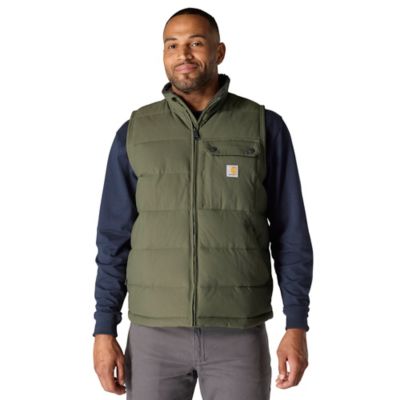
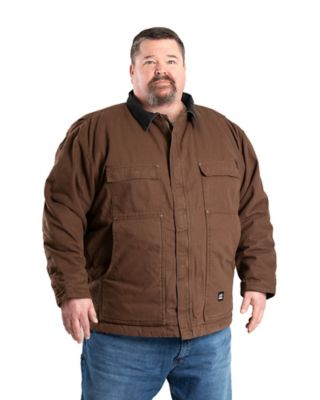
Winter layers help you stay comfortable when the day starts chilly, warms up under the afternoon sun, and turns cold again after sunset. That kind of temperature swing is familiar around the farm, at the barn, on a hunt, or during a long walk across a frosty field. A well-chosen layering system gives you options without making you feel weighed down. The basic setup includes three parts: a moisture-managing base layer next to your skin, an insulating mid-layer that holds in body heat, and an outer layer that helps block wind, rain, sleet, and snow. Each piece has a job, and together they make it easier to adjust as your activity level and the weather change. Base layers should fit close enough to move moisture away from your skin without feeling tight or restrictive. Wool and synthetic fabrics are popular choices because they can help you stay drier than cotton during active work. Cotton shirts and socks may feel comfortable at first, but once they absorb sweat or dampness, they can leave you cold for the rest of the day. A lightweight base layer works well under everyday work clothes, while a warmer option can add comfort for early-morning chores, outdoor recreation, or long stretches spent standing still. Look for soft seams, a flexible fit, and enough length to stay tucked in when you bend, climb, or reach. If you are shopping for a family member, consider how they spend their time outside. Someone feeding animals before daylight may value warmth and easy movement, while a person who spends the day splitting wood or walking trails may prefer a lighter layer that dries quickly and does not bunch under a jacket. These practical pieces also make thoughtful gifts for anyone who enjoys being outdoors, from a new homeowner caring for a rural property to a grandparent who likes to keep up with the morning chores.
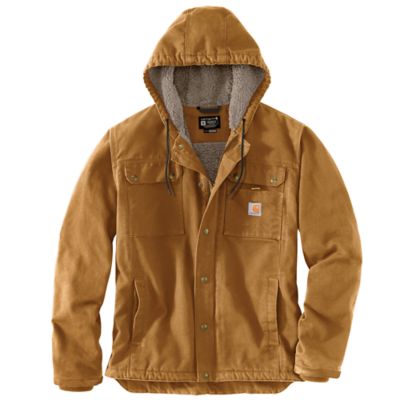
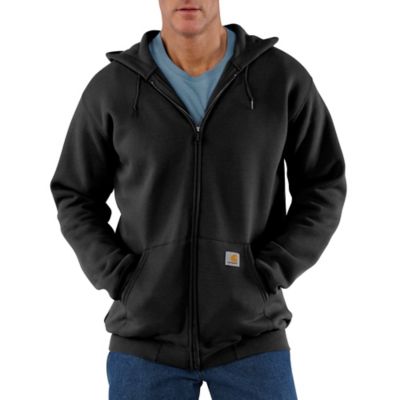
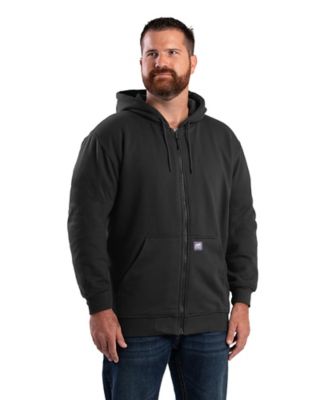
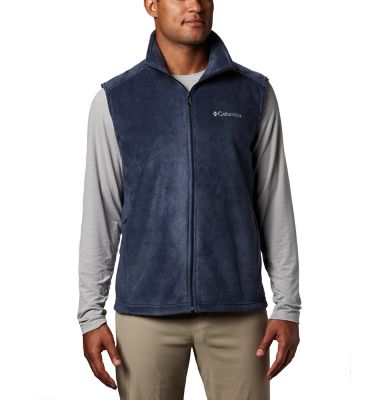
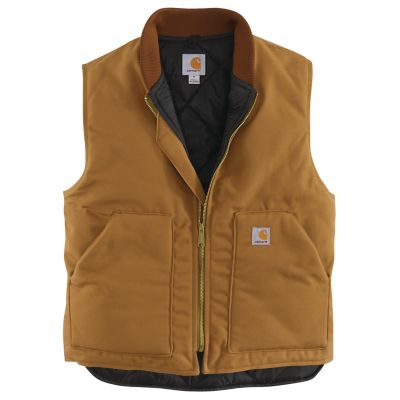
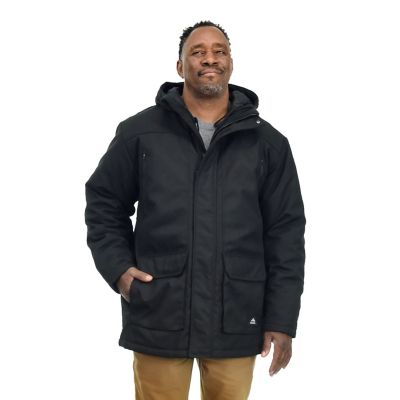
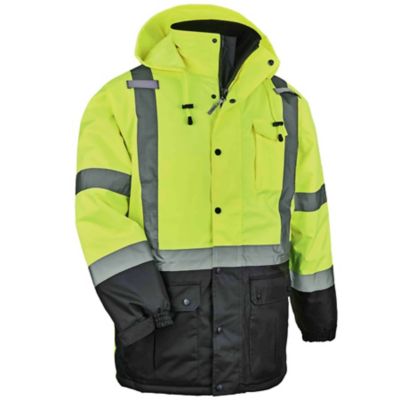
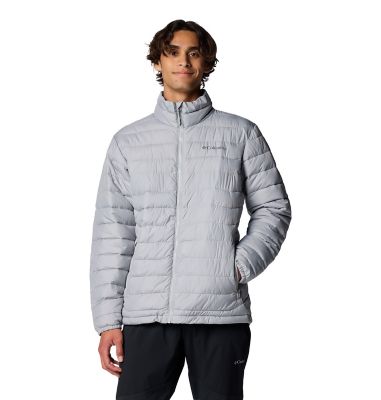
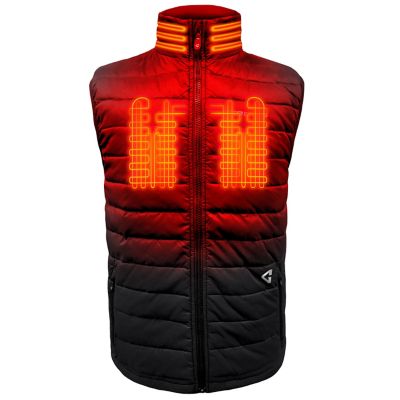
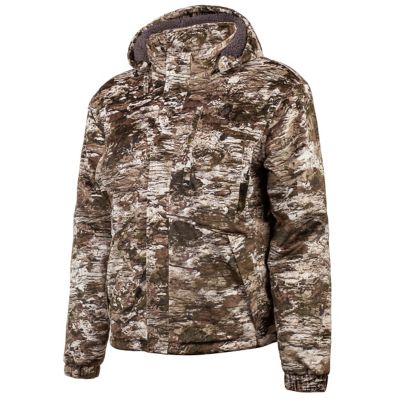
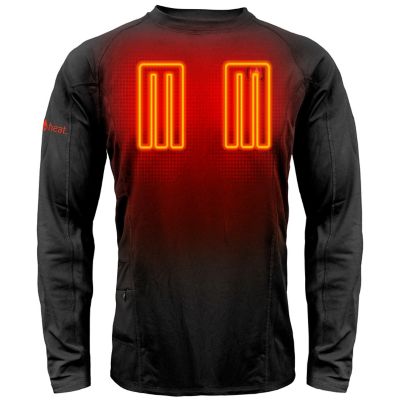
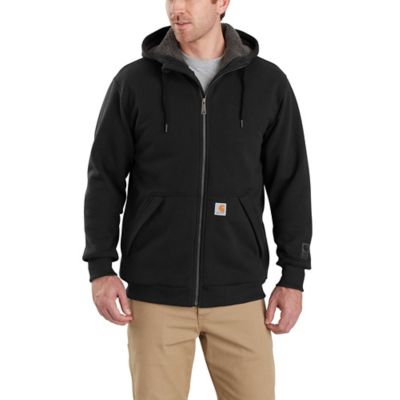
The middle layer is where much of the warmth comes from. Fleece, wool, quilted insulation, and other soft insulating materials create space for warm air while allowing you to keep moving. A good mid-layer should fit comfortably over a base layer and leave enough room for an outer shell without pulling across the shoulders. For active work, a lighter insulating layer can help prevent overheating, especially when the morning begins cold and the work gets harder as the day goes on. For slow-paced activities or quiet time outdoors, a thicker layer may be the better choice. Full-zip styles are handy when you need to shed heat quickly, while pullovers can provide a simple, cozy fit for layering under a coat. Pay attention to the details that matter after hours outside: high collars help protect your neck, longer backs offer coverage when you sit or bend, and secure pockets give you a place for gloves, keys, or small essentials. The outer layer serves as your weather shield. Wind-resistant and water-resistant materials can help keep a brisk breeze or passing drizzle from cutting through your insulation, while more protective construction is useful when snow, steady rain, or wet conditions are part of the forecast. Consider the activities you have planned, the amount of movement involved, and whether you will be wearing the layer over a sweater or insulated middle piece. Roomy enough for comfortable movement is important, but an oversized fit can let warmth escape and make it harder to work around equipment, animals, or brush. Features such as adjustable cuffs, a drawcord hem, a protective hood, and dependable closures can make a noticeable difference when the weather turns rough. For additional ideas on putting together practical outfits for changing conditions, explore
Layering Clothes.
The best winter layers are the ones you will reach for again and again, whether you are carrying feed, checking a fence line, walking the dog, heading to a game-day gathering, or watching the sun come up over the pasture. Start with the conditions you commonly face instead of choosing based only on the coldest day of the season. If you are often moving between a warm truck, a heated shop, and the outdoors, flexible layers make it simple to add or remove warmth without changing your whole outfit. If you spend long hours outside, prioritize materials that manage moisture, insulation that matches your activity level, and an outer layer that handles wind and wet weather. Fit matters for every member of the household, including children who need room to move and older adults who may appreciate easy closures and extra coverage. Gloves, hats, scarves, and warm socks can round out a layered outfit, but they should work with the rest of the clothing rather than create pressure points or restrict movement. It is also worth checking care instructions before buying. Some insulating materials need gentle washing, while others are designed for regular wear and easy upkeep. Let damp layers dry fully before storing them, and keep frequently used pieces where they are easy to grab when the temperature drops. Having a few weights and styles on hand lets you dress for a crisp walk in the woods, a windy afternoon at the ball field, or a damp evening on the porch. Winter layers can also be useful gifts because they combine everyday comfort with practical value; choose familiar colors, versatile fits, and pieces that can be worn alone or together. With the right combination, you can stay warm without feeling bulky and keep working, traveling, or enjoying the outdoors as the seasons shift.