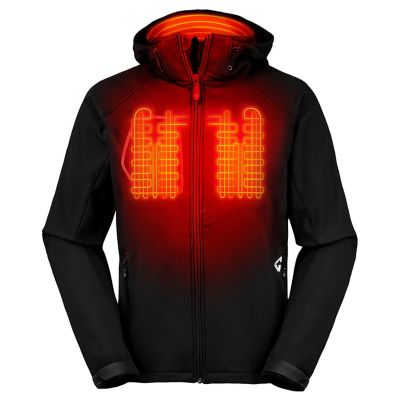
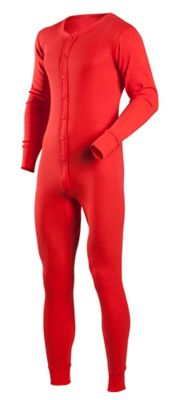
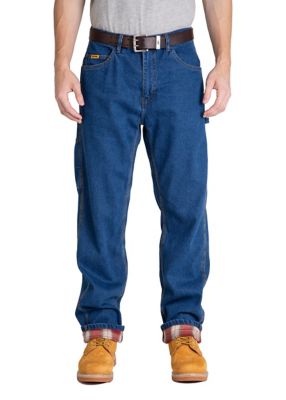
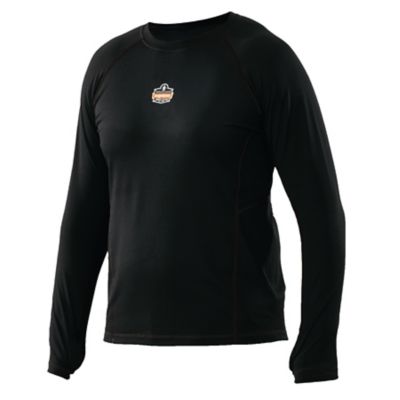
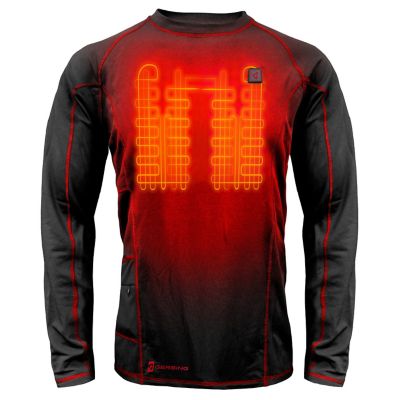
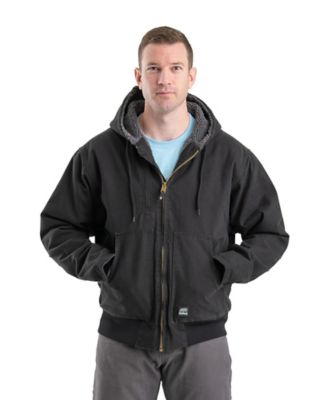
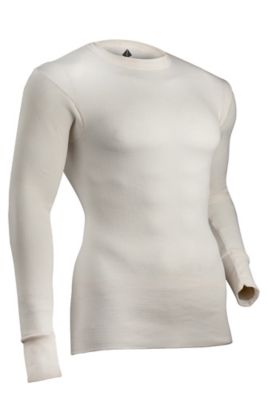
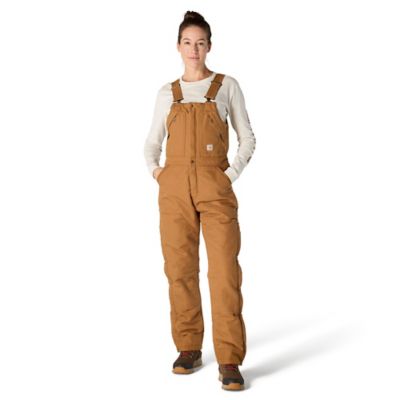
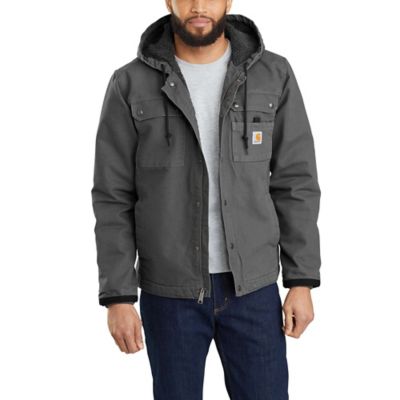
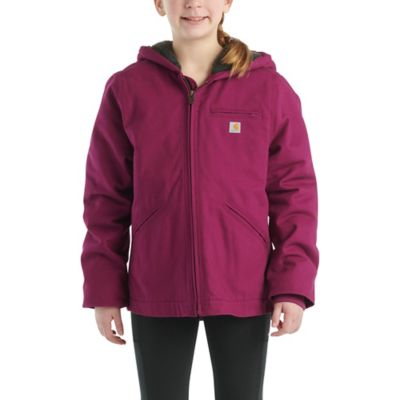
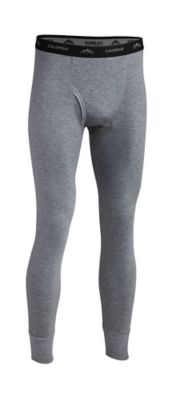
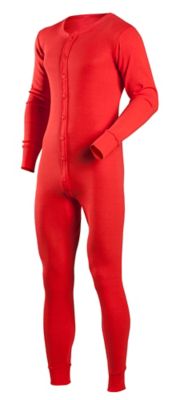
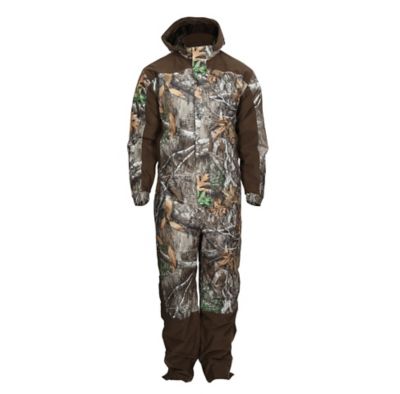
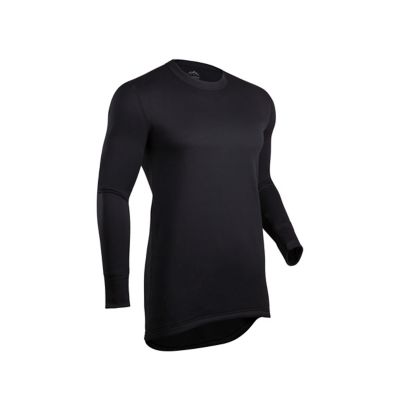
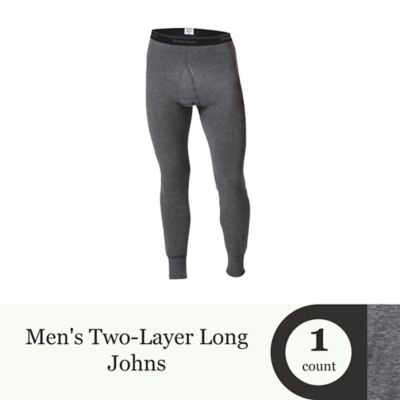
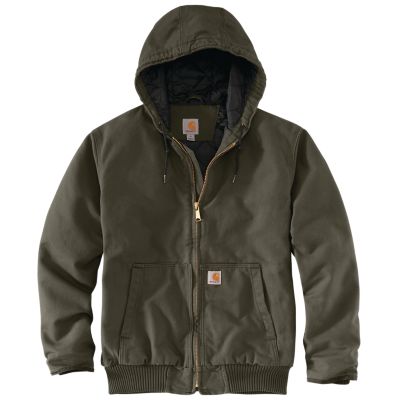
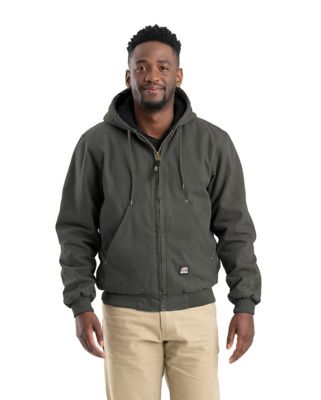
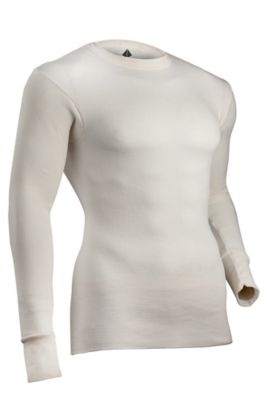
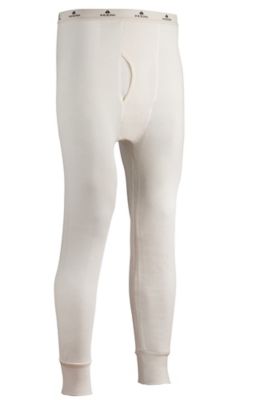
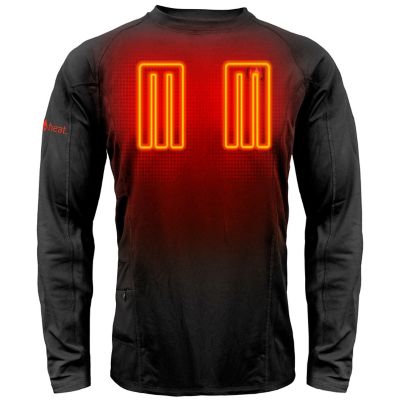
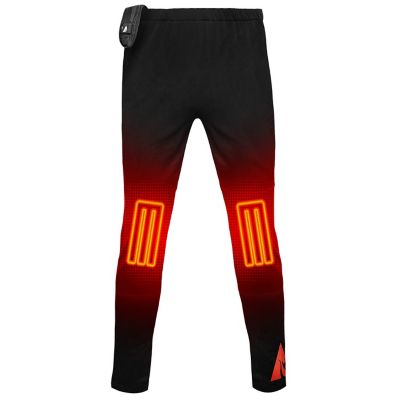
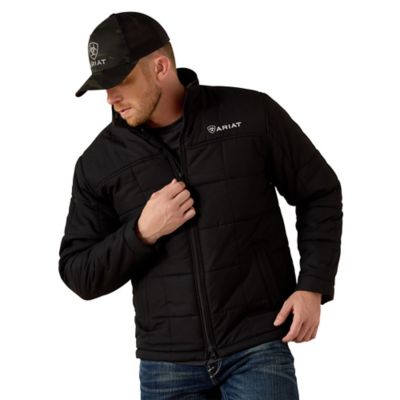
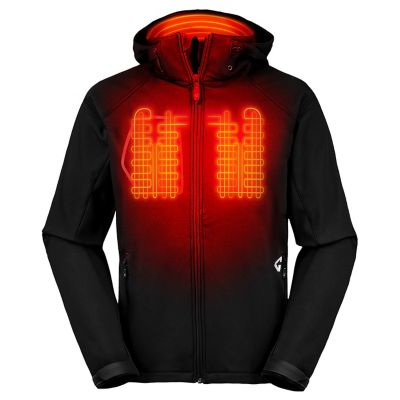
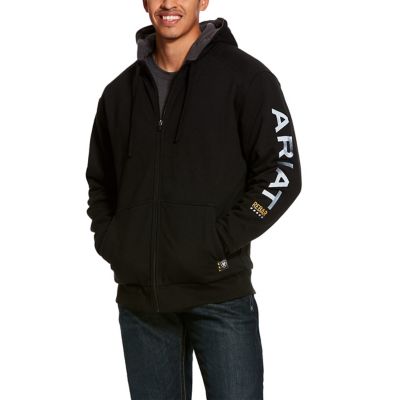
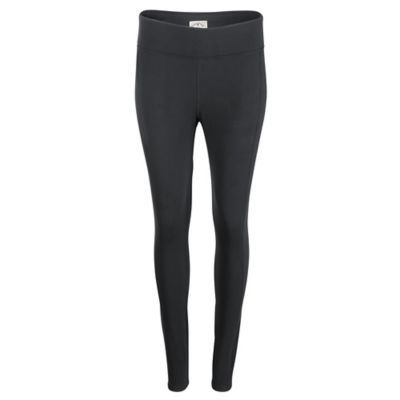
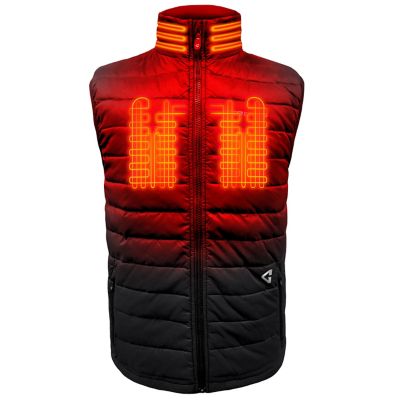
Cold weather clothes help make long days outside more comfortable, whether you are feeding animals before sunrise, clearing leaves from the driveway, commuting to work, walking the dog, or heading out for a weekend hike. The best outfit usually starts with a simple layering system that can adjust as your activity and the weather change. A moisture-wicking base layer sits close to the skin and helps move sweat away from your body, which matters even when the air feels sharp and still. Long-sleeve shirts, thermal tops, and matching bottoms can add dependable warmth without making it hard to move. Wool and synthetic materials are often useful for base layers because they continue to insulate more effectively than damp cotton. A middle layer, such as a fleece, wool sweater, or lightweight insulated layer, traps warm air close to the body. The outer layer should help block wind and shed rain or snow while allowing excess heat and moisture to escape. On an active day, it can be helpful to begin with enough room to add a layer, but not so much clothing that you sweat before your body warms up. A person standing still at a ball field, working around a barn, or waiting at a hunting blind may need more insulation than someone walking briskly along a trail. Look for clothing that suits the way you spend time outdoors, with comfortable seams, flexible fabric, secure closures, and enough room to bend, reach, or wear another layer underneath. For everyday tops and easy layering options, browse
Shirts for Cold Weather to find styles that can fit into workwear, casual outfits, and outdoor routines.
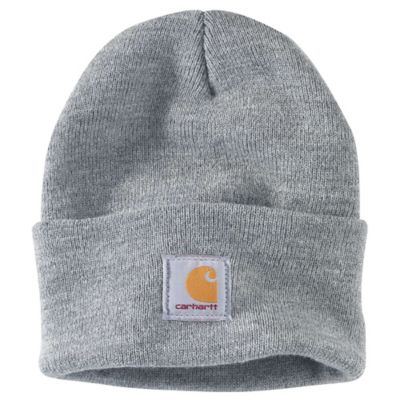
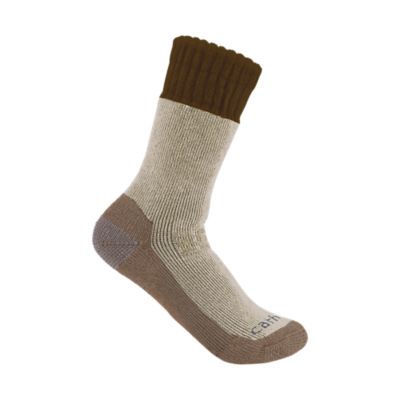
Cold weather comfort depends on covering more than your torso. A warm hat or beanie helps protect your head and ears when the wind picks up, while a neck gaiter, scarf, or high collar helps close the gap where cold air can sneak in. Gloves are useful when you need finger control for chores, driving, or handling tools, while mittens generally hold warmth better because the fingers share heat. For wet or especially cold conditions, look for handwear with insulation and an outer fabric that resists wind and moisture. Socks deserve just as much attention as the rest of the outfit. Wool and synthetic blends can help manage moisture and provide warmth, while a smooth fit helps prevent bunching and hot spots inside boots. Choose footwear with enough room for warm socks without squeezing your toes, since restricted circulation can leave feet feeling cold. Waterproof or water-resistant boots with traction are practical for muddy paths, frosty porches, wet grass, and slick ground. If you move between indoor and outdoor spaces, clothing with easy-to-open zippers, adjustable cuffs, and removable layers can keep you from overheating inside a truck cab, tack room, shop, or store. Color and visibility may also matter for people working near roads, equipment, or low-light areas. Reflective details or brighter outerwear can make a person easier to see, while durable fabric is worth considering for anyone who works around fencing, brush, firewood, or livestock. Check care instructions before buying, especially for insulated clothing and wool, and allow damp layers to dry fully between uses so they stay fresh and ready for the next cold morning.
Clothes for cold weather can also make a thoughtful, practical gift for a farmer, rancher, delivery driver, outdoor worker, student, traveler, or anyone who spends part of the day outside. A warm shirt, comfortable base layer, hat, gloves, or pair of socks is easy to use and can fill a real need rather than taking up space in a closet. When choosing clothing for someone else, pay attention to their usual activities, preferred fit, and local conditions. Someone who works hard and builds heat while moving may appreciate lightweight layers that can be opened or removed, while someone who spends hours standing still may value heavier insulation and a wind-resistant shell. A relaxed fit can make layering easier, but clothing that is excessively loose may allow warm air to escape or catch on equipment. Check sizing information carefully, and consider whether the recipient prefers a longer hem, roomy sleeves, a higher collar, or an adjustable hood. Neutral colors are versatile for work and everyday wear, while brighter shades can add visibility during the shorter days of the cooler season. Keep a spare layer in a vehicle, mudroom, barn office, or gear bag for unexpected changes in temperature. A dry shirt and extra pair of socks can be a welcome comfort after a damp chore or a long drive. With the right combination of moisture management, insulation, wind protection, and comfortable fit, cold weather clothing helps people stay focused on the work, errands, and outdoor moments that carry on through the changing season.