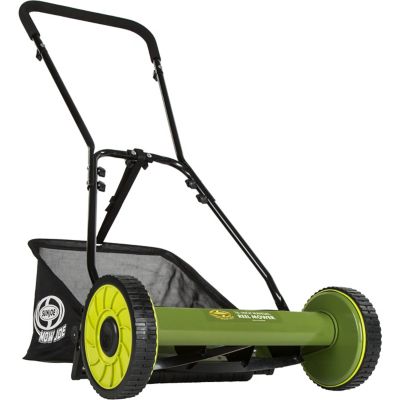
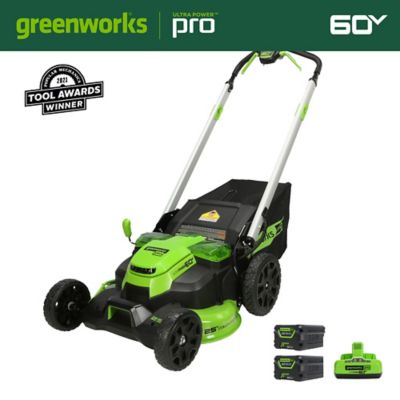
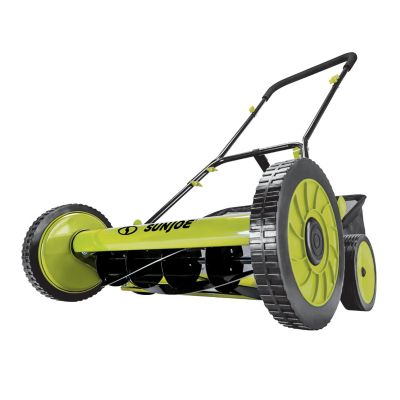
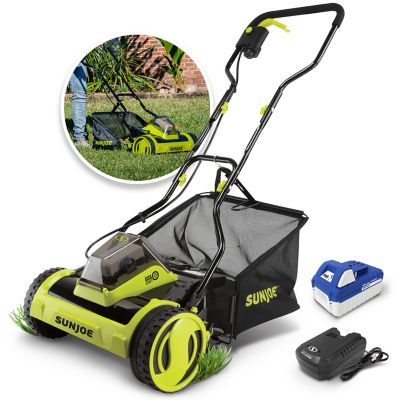
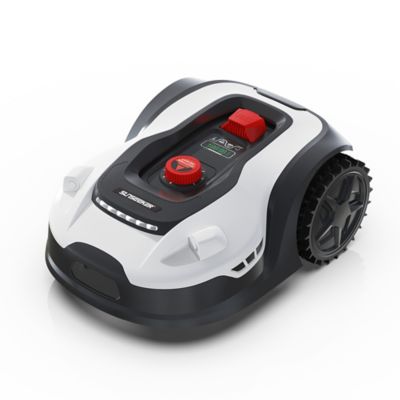
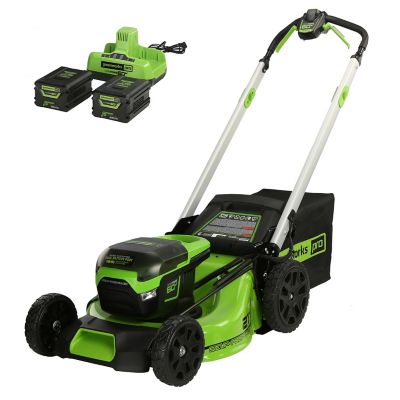
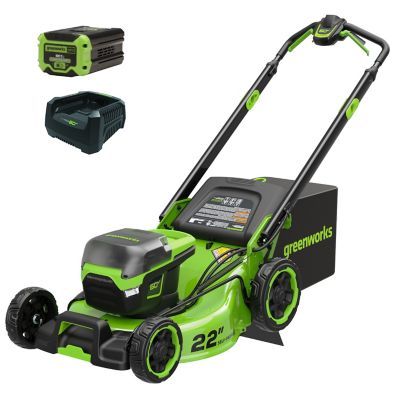
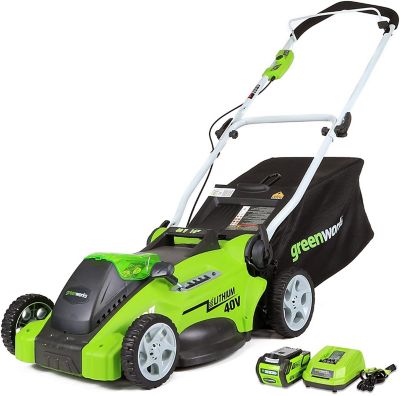
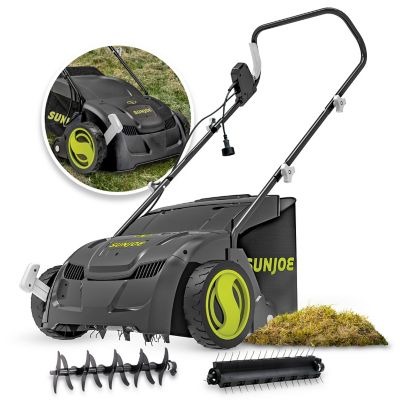
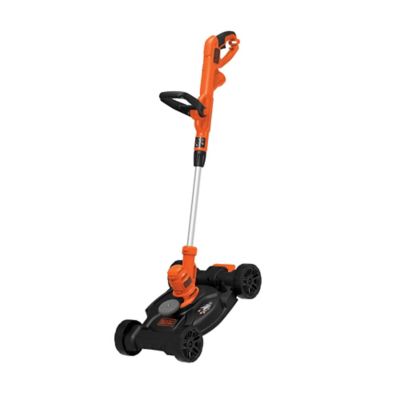
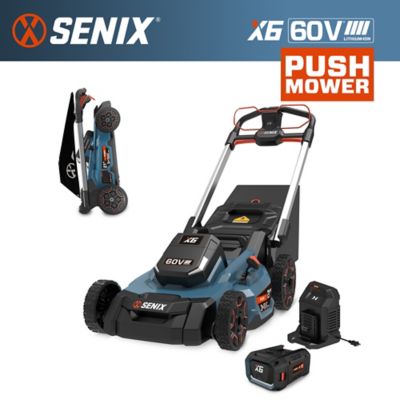
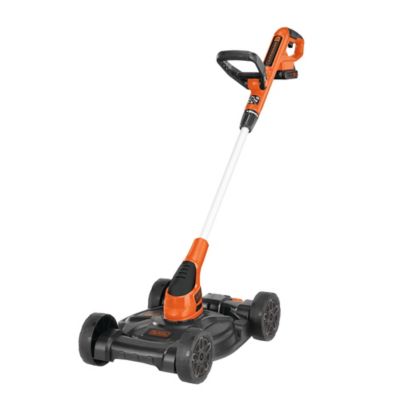
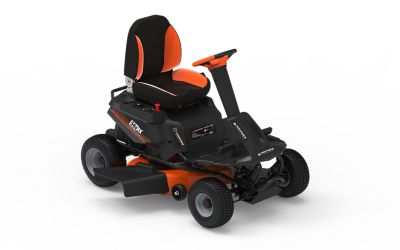
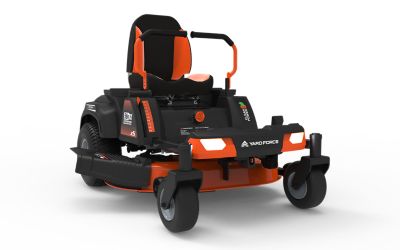
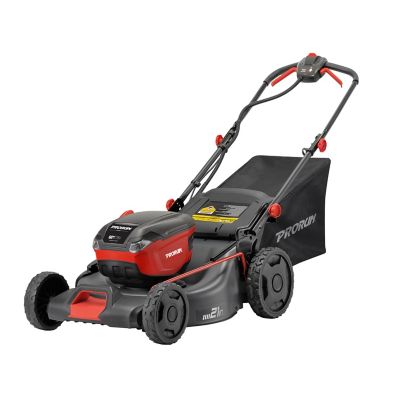
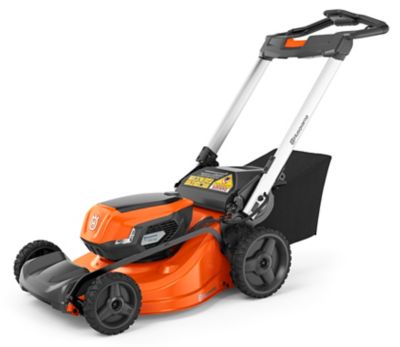
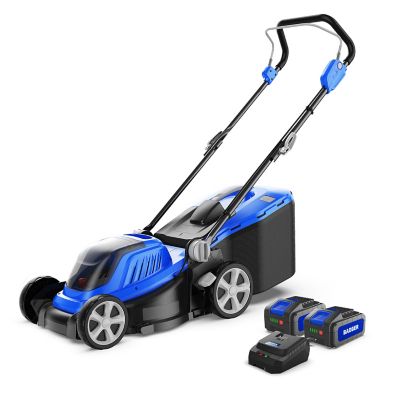
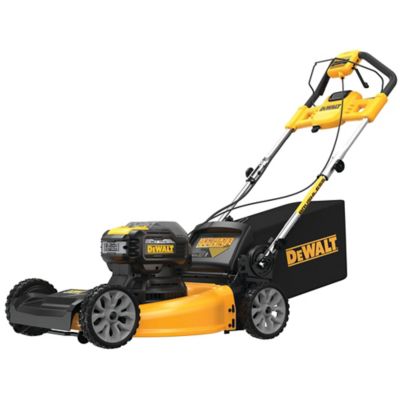
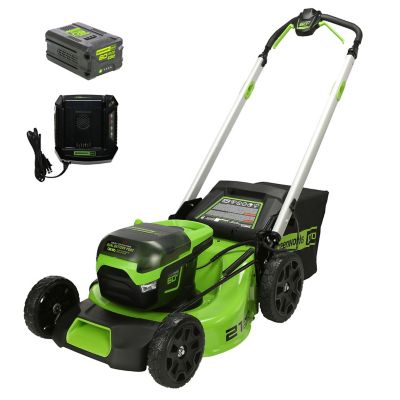
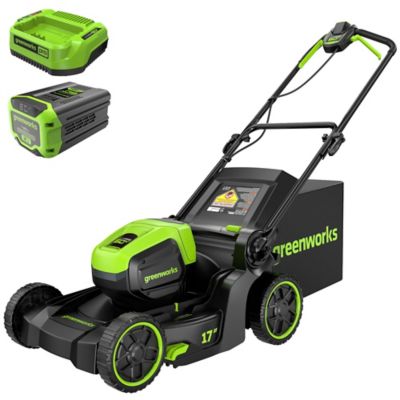
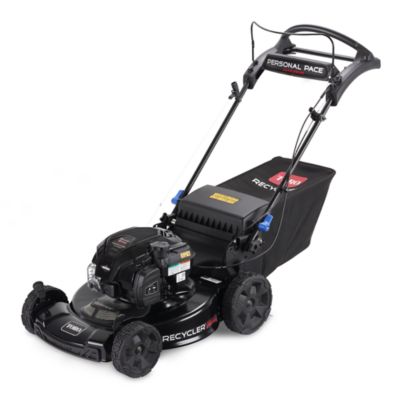
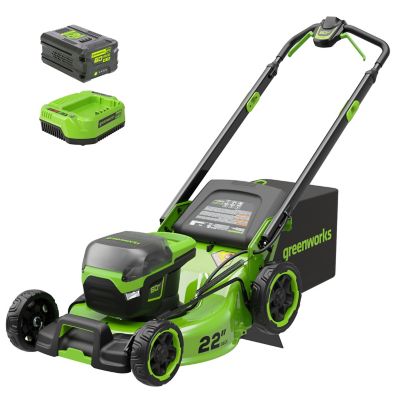
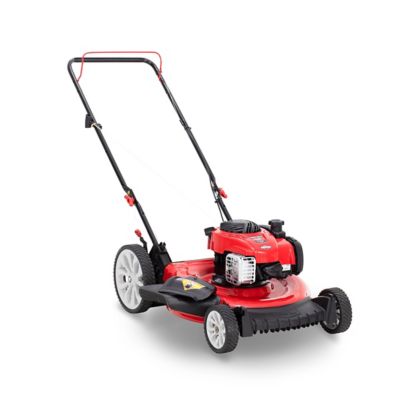
If you are looking for lawn mowers with no gas, you generally have two main choices: a manual push-reel mower or a cordless electric mower powered by a rechargeable battery. Both options let you care for the yard without keeping a gas can in the shed, but they work best in different settings. A push-reel mower uses the turning motion of its wheels to spin a set of blades, cutting grass with a scissor-like action as you walk behind it. With no motor, fuel, battery, or charging cord, it is a straightforward choice for small, level lawns and anyone who enjoys a quiet, hands-on approach to yard work. Manual mowers are especially handy around smaller homes, garden paths, cabins, and fenced areas where a large mower may be more machine than you need. They are also easy to store and typically require little upkeep beyond cleaning away grass clippings, checking the blade adjustment, and having the blades sharpened when the cut starts to look ragged. A battery-powered mower uses a rechargeable lithium-ion battery to run an electric motor, giving you push-button starting and more cutting power for larger lawns, thicker turf, and ordinary patches of damp or taller grass. These mowers do not produce exhaust while you work and are often noticeably quieter than gas-powered equipment, making them a neighbor-friendly choice for early evening chores or homes close to livestock, pets, and other houses. For more low-noise yard equipment, browse
Quiet Lawn Mowers.
The right no-gas mower starts with an honest look at the ground you need to cover. Measure the lawn area if you can, then take note of slopes, narrow gates, tree roots, rough patches, thick weeds, and places where the grass tends to grow tall between cuts. Manual reel mowers can make a clean, tidy cut on short grass, but they take more effort in overgrown areas and may struggle on uneven ground, heavy weeds, or thick, wet growth. They are a good fit for someone who keeps up with regular mowing and does not mind setting a steady walking pace. A cordless electric mower is usually the more practical choice for a medium-size or larger yard, especially when the property includes different grass types, mild inclines, or areas that cannot be mowed as frequently. Pay attention to the battery voltage, advertised runtime, charging time, cutting width, height adjustment range, and whether the battery and charger are included. Runtime can vary with grass height, moisture, terrain, blade condition, and how much self-propulsion is used, so a larger lawn may call for an extra battery or a model with a longer operating window. A wider deck can cover more ground with each pass, while a narrower deck may be easier to guide around raised beds, posts, shrubs, and tight side yards. Foldable handles and compact storage features matter when the mower will live in a garden shed, barn corner, or crowded garage. It is also worth checking the grass catcher capacity if you prefer a tidy finish, along with the mower’s discharge options if you mulch clippings or leave them on the lawn. Keep blades sharp, clear away packed clippings, and follow the charging and storage directions supplied with the mower. Batteries generally last longer when kept clean, dry, and stored away from extreme heat or freezing conditions.
Lawn mowers with no gas can make routine yard care feel less complicated, whether you are trimming a town lot, keeping the grass around a farmhouse in hand, or maintaining a vacation property between visits. A manual mower may appeal to someone who likes simple tools, light exercise, and the sound of wheels rolling through the grass instead of an engine starting up. It can also be a thoughtful gift for a new homeowner with a small yard, a gardener who keeps neat paths between beds, or a family member setting up a first home. A battery mower makes a useful housewarming or outdoor-living gift for someone who wants the convenience of electric starting without fuel storage, oil changes, or engine tuneups. Before choosing, consider who will use it and how often. A lighter mower can be easier for an older homeowner or a teenager learning to handle yard chores, while a heavier, more powerful model may suit a broad property that demands longer passes. Safety still matters with either style: wear sturdy shoes, keep hands and feet away from the blade area, remove sticks and stones before mowing, and keep children and pets at a safe distance while the mower is in use. For battery models, remove the battery before maintenance or blade inspection, and allow the mower to cool before putting it away. During the warmer part of the year, regular cutting helps prevent tall, stubborn growth from becoming a bigger job, while cooler weather is a good time to clear clippings, inspect the deck, and prepare the mower for storage. Whether you prefer the quiet rhythm of a reel mower or the easy start of a cordless electric model, choosing equipment that matches your lawn, strength, storage space, and mowing habits can make every pass feel more manageable.