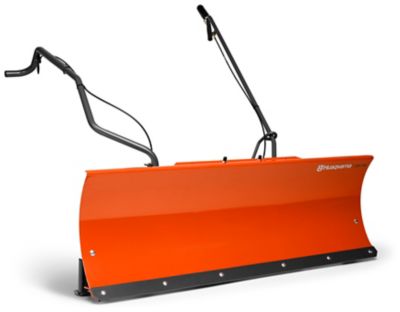
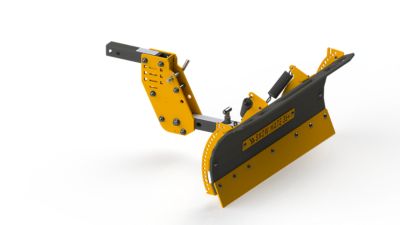
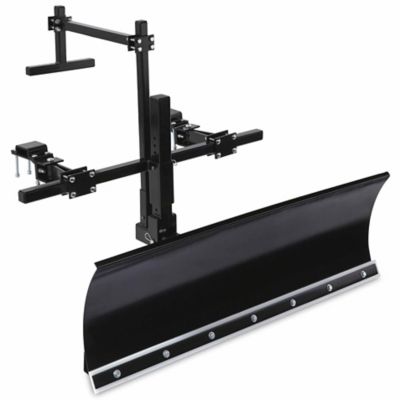
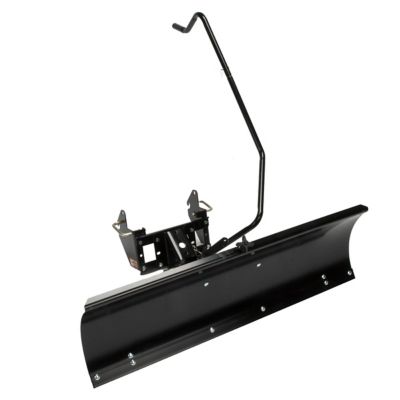
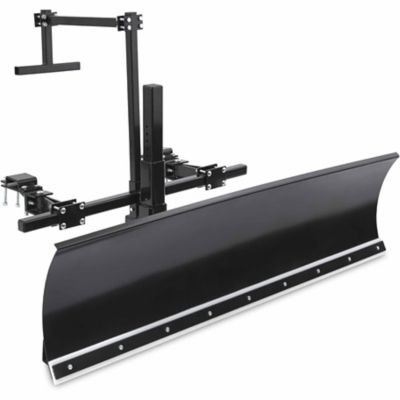
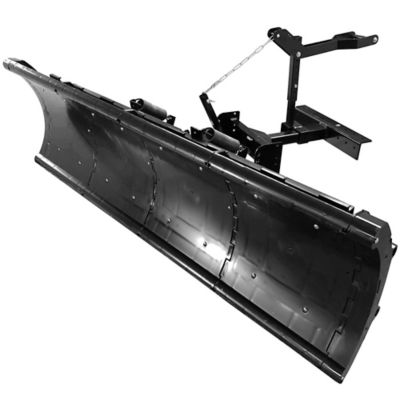
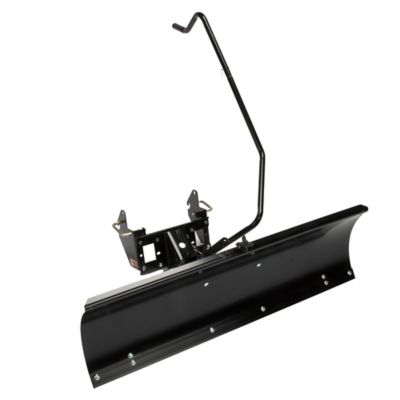
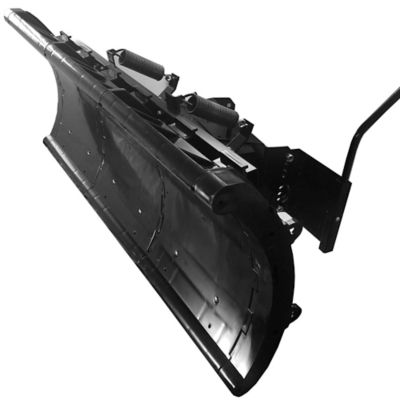
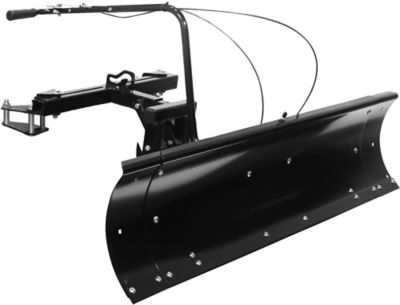
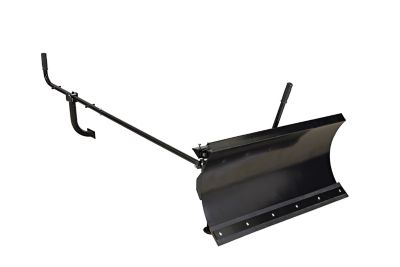
A snow blade for a lawn mower is a front-mounted attachment that lets a compatible riding mower, lawn tractor, garden tractor, or select zero-turn mower push snow off driveways and other suitable surfaces. Instead of cutting grass or throwing snow through a chute, the blade gathers snow ahead of the machine and moves it forward or off to one side. That makes it a practical attachment for property owners keeping a path open between the house, garage, workshop, and barn. A long driveway with room along the edges presents a different job than a narrow paved lane bordered by fences, so blade width and the space available for snow piles matter. A wider blade can cover more ground on each pass, but the mower still needs enough traction and the manufacturer's approval to handle the attachment and its load. Angling a blade reduces its clearing width, making coverage across the mower's tire tracks another detail worth checking. Fresh, loose snow generally moves more readily than heavy, wet accumulation, crusted layers, or frozen piles left at the end of a driveway. A mower-mounted blade is not a substitute for equipment rated for heavier work, and its usefulness depends on snow conditions, terrain, and the machine underneath it. For a homeowner clearing a garage apron or a small-acreage owner opening an approved route to an outbuilding, a compatible setup can put familiar equipment to work beyond mowing season. Visibility from the seat, clearance around parked vehicles, and room to turn all affect how comfortably the attachment fits the property. Snow also needs somewhere to go without blocking doors, drainage paths, or the next clearing pass. Those everyday details often matter more than choosing the largest blade, especially around tight corners, short turnarounds, and gates that leave little room to maneuver.
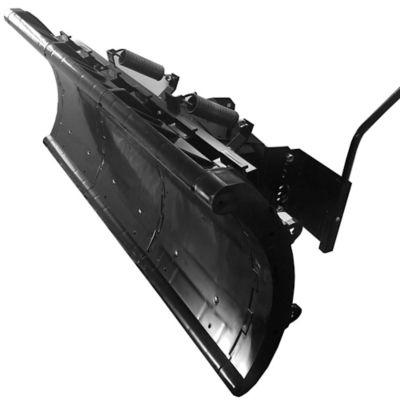
Fit starts with the mower's exact model and the attachment specifications, not just engine power or cutting-deck width. Mounting points, frame design, steering clearance, and lift arrangements vary between machines, and a blade intended for a lawn tractor will not necessarily fit a zero-turn mower. Some setups call for a separate mounting bracket, front hitch, lift linkage, or other model-matched hardware. Others may require removal of the mowing deck before installation, as outlined in the equipment instructions. A complete fit check accounts for the blade, mounting assembly, controls, and any required traction equipment together. Blade construction deserves a close look, too. Steel moldboards provide the broad working surface that rolls and pushes snow, while a painted or powder-coated finish helps protect the metal from moisture and road salt. The lower cutting edge takes much of the scraping contact, so a replaceable wear edge can make ongoing upkeep more manageable. Depending on the attachment, steel edges offer firm scraping action, while compatible rubber or polymer edges may suit certain paved surfaces; surface protection still depends on proper setup and operating conditions. Adjustable skid shoes, when provided, help establish clearance beneath the blade. That adjustment is especially important on gravel, where scraping too close can push loose stone into the yard or snowbank. A blade with adjustable left, right, and straight positions gives more control over where snow lands, though the adjustment method and whether it can be operated from the seat vary. Some designs include a spring-trip mechanism that allows the blade to yield under certain impacts, but that feature does not make hidden curbs, rocks, or other obstructions harmless. Control placement matters over repeated passes: a lift or angle mechanism that suits the operator can mean less climbing on and off the mower. Accessible wear parts and clearly specified replacement hardware also make a difference over several winters of driveway work.
Traction is another part of the setup, particularly when ordinary turf tires meet packed snow. Tire chains and wheel or rear weights may be recommended for certain machines, but only combinations approved by the mower and attachment manufacturers belong in that plan. Extra weight changes handling, and chains need adequate clearance around tires, fenders, and other components. Chains can also mark some surfaces, making the driveway material part of the decision. A flat paved stretch, an uneven gravel lane, and a sloping approach to a garage place different demands on the same mower; neither a blade nor added traction overrides the machine's operating limits. Slow, controlled movement, clear sight lines, and keeping people and animals away from the work area remain important around sheds and barnyards. A blade is meant to move suitable snow loads, not ram frozen banks or force its way across hidden obstacles. For upkeep, moisture, grit, and salt are the main things to watch after clearing. Cleaning away buildup as directed, allowing components to dry, and checking the cutting edge, skid shoes, fasteners, and mounting connections help keep small problems from turning into interrupted work. Scraped coating can expose steel to rust, while worn edges or loose hardware can change how the blade meets the ground. Pivot points and lift mechanisms need the lubrication specified in the attachment manual, and moving parts should be secured before inspection or service. Storage space matters as well: the attachment needs a stable resting place where its weight is supported and mounting hardware stays together for the next installation. When the mower returns to grass duty, cutting-deck maintenance is a separate task;
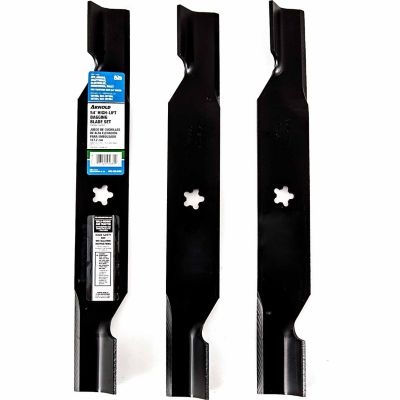
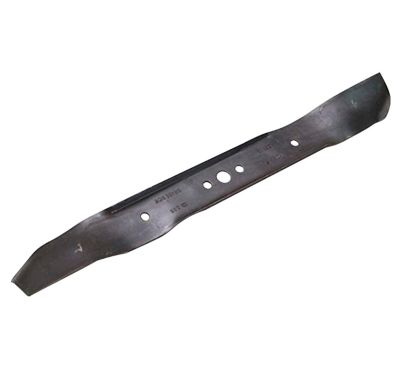
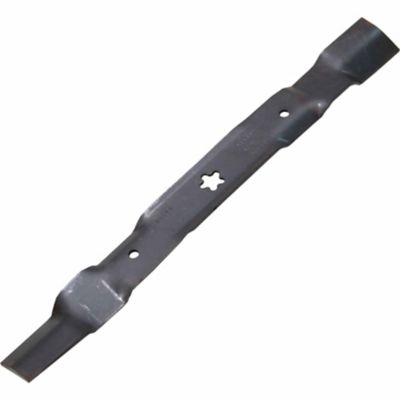
Lawn Mower Blades For Ariens concerns grass-cutting replacements rather than front-mounted snow attachments. A snow blade earns its place through a sound match between machine, surface, and workload, whether the job is opening the garage approach or keeping the route to the workshop clear.