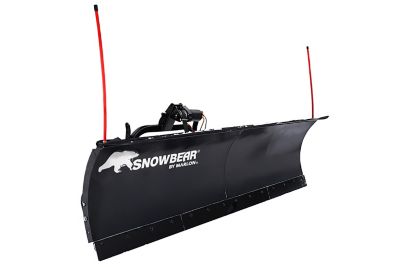
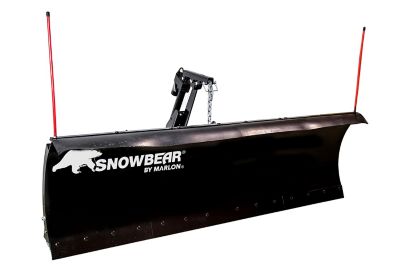
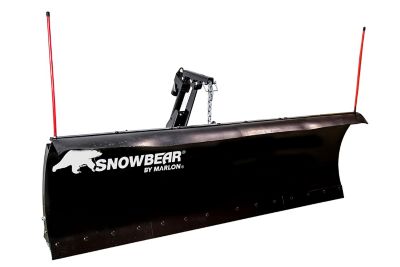
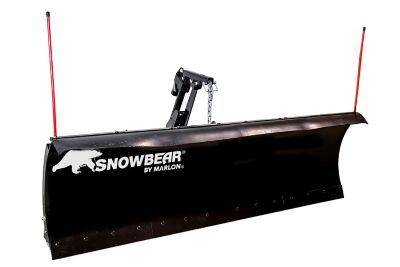
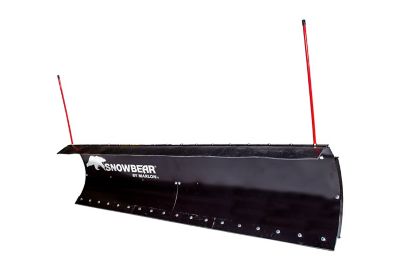
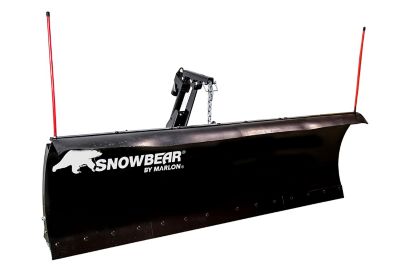
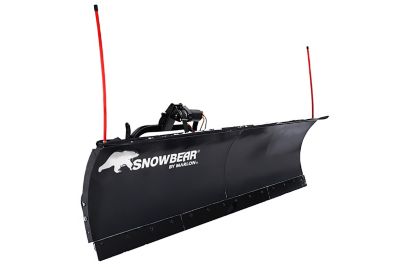
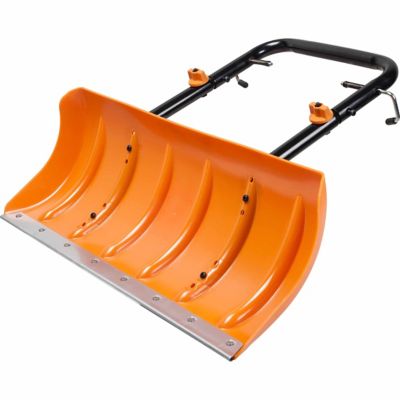
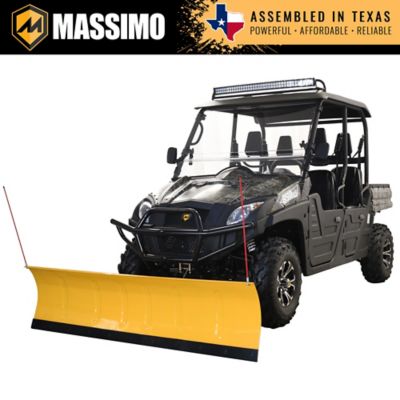
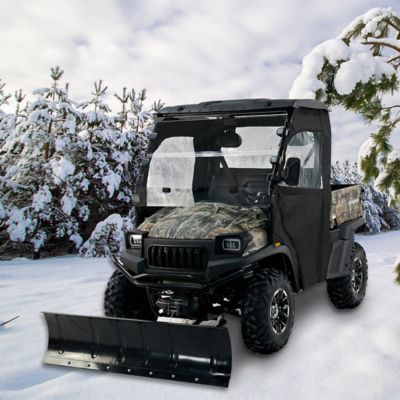
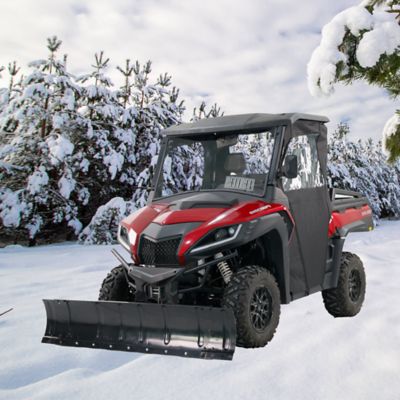
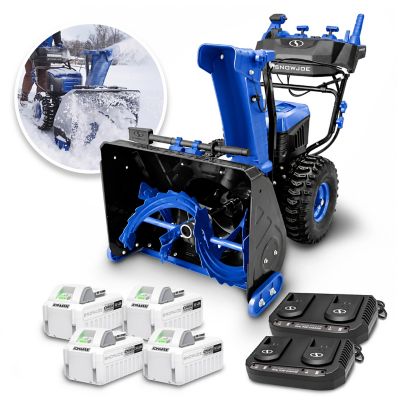
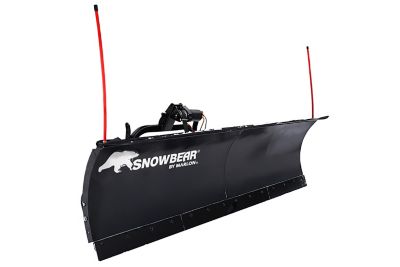
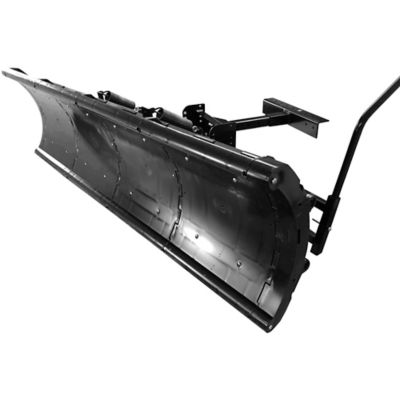
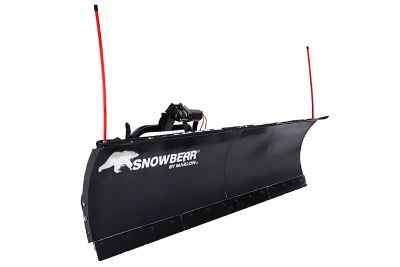
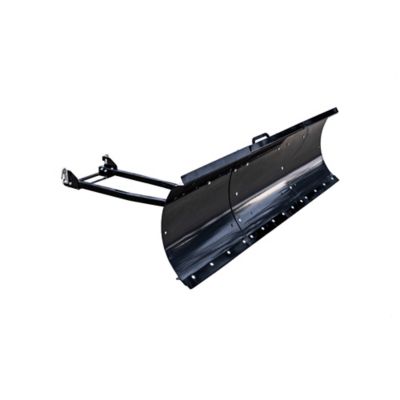
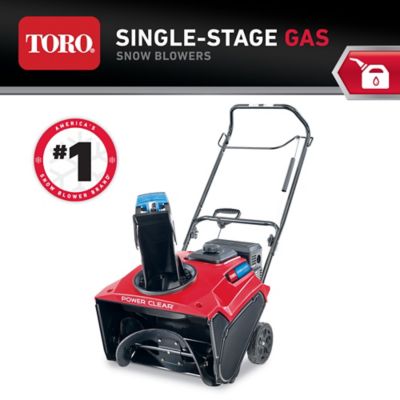
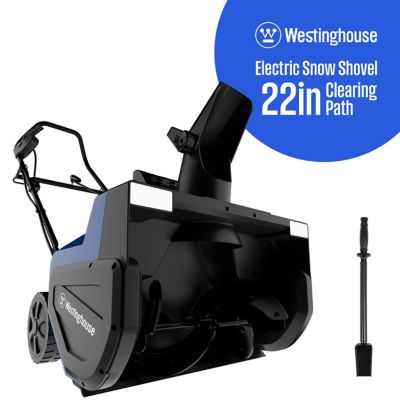
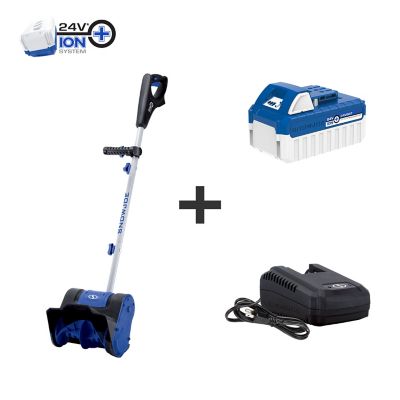
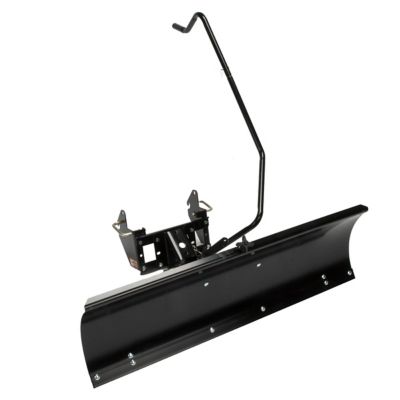
Snow plowing machines move snow out of the way with a pushing blade, helping keep driveways, farm lanes, parking areas, and paths to outbuildings open. The category includes powered walk-behind plows and snow-clearing setups built around compatible lawn and garden tractors, ATVs, UTVs, compact tractors, skid steers, and trucks. Some machines carry a blade up front, while others work with a rear-mounted attachment, so the right setup depends on both the property and the equipment doing the pushing. A short paved driveway calls for a different approach than a winding gravel lane with a cattle gate halfway down. Around a farmstead, maneuverability matters near feed sheds, barn doors, and tight corners where a wide vehicle can run out of room. On larger properties, a broader blade and a machine with enough traction and pushing power can help cover open ground with fewer passes. Blade width alone does not tell the whole story, though. Snow depth, moisture content, slope, surface condition, and machine weight all affect how a setup handles a job. Light, dry snow moves differently from a wet ridge left across a driveway entrance, and packed snow can put more strain on equipment than a fresh layer. Snow plows push material to the side or into a designated pile; snow blowers move it through an auger and discharge chute. That distinction matters where there is little room along the edges of a drive. A plowing setup needs space for snowbanks without crowding gates, blocking drainage, or cutting off the next pass. For homeowners, acreage owners, grounds crews, and property managers, the goal is much the same: clear access to the places that need to stay reachable, with equipment that suits the ground rather than simply the biggest blade.
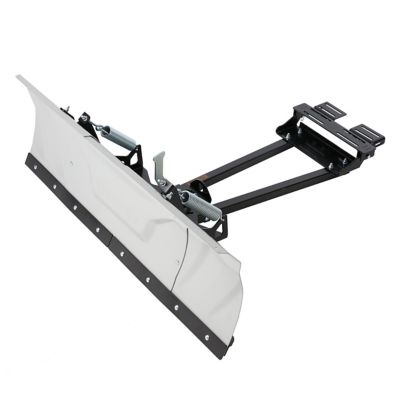
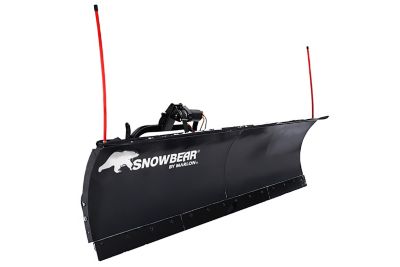
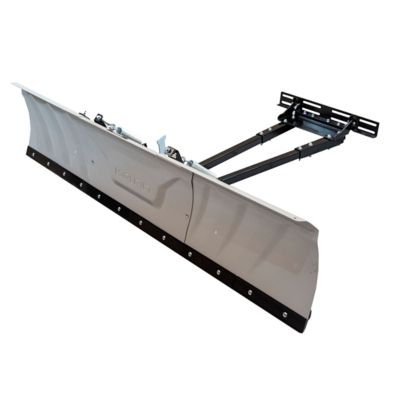
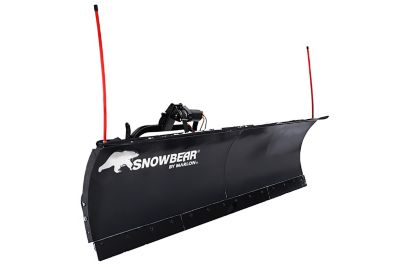
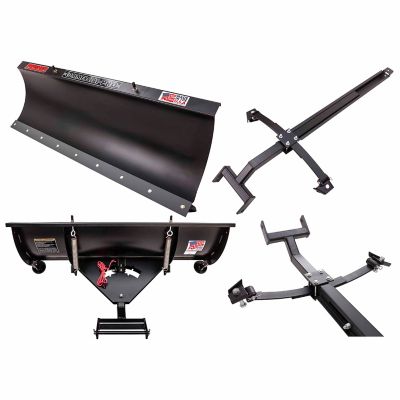
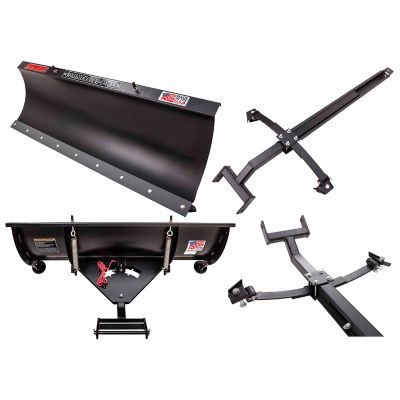
Blade construction, mounting hardware, and cutting-edge material all play a part in how snow plowing equipment handles daily work. Steel moldboards provide a rigid pushing surface, while polyethylene moldboards offer a smooth face that can help snow slide off; the supporting frame and overall design still determine the demands an attachment can handle. Reinforced ribs, substantial pivot points, and replaceable wear parts are worth a close look when a machine will tackle a long lane or repeated clearing jobs. Cutting edges may be steel, rubber, or polyurethane, depending on the attachment and its intended surface. A steel edge can scrape firmly, while a more forgiving edge may suit certain paved or surface-sensitive areas, subject to the manufacturer's recommendations. Adjustable skid shoes help set the blade's working height and can reduce contact with loose gravel when properly set. Trip springs or trip-edge designs let part of the blade yield when it meets an obstruction, but they do not replace a clear view of the ground or careful operation. Fit is just as important as blade construction. Mounting systems need to match the machine's make, model, attachment points, and operating limits, including any hydraulic or electrical requirements. An attachment that looks about right can still be wrong for the frame, axle capacity, or lift system. For compatible riding equipment,
Lawn Mower Snow Plows bring the same fit considerations to smaller-property snow clearing. Not every riding mower is designed to carry a blade, and attachment approval matters more than appearance. Blade width also changes in practice when the blade is angled: the clearing path becomes narrower, so adequate coverage beyond the tires helps keep the machine from traveling over uncleared snow. Manual angle adjustments may suit occasional driveway work, while in-seat lift and angle controls can make repeated passes and direction changes less of a chore. Straight blades, V-shaped blades, and snow pushers serve different spaces and snow-handling needs, with the carrier's capabilities setting the limits.
A snow plowing setup earns its place through the whole job, from getting around a parked trailer to stacking snow where it will not create trouble later. Short wheelbases can help in close quarters, while larger carriers may offer more weight, reach, or blade capacity for broad areas. Neither advantage cancels out the need for traction, visibility, and controlled travel. Tire chains, ballast, and winter traction equipment must fit the machine and follow its manufacturer's limits; extra weight or added grip is not a substitute for staying within rated capacity. Sloped drives, icy patches, hidden curbs, and uneven gravel all deserve attention when matching equipment to a property. Lights and a clear sightline to the blade matter around early barn chores or work that stretches beyond daylight, especially near people, livestock, parked vehicles, and fences. Markers along driveway edges and known obstacles can help make familiar ground easier to recognize beneath snow. For a household with a short drive, simple controls and straightforward attachment storage may matter most. For a farm or maintenance crew, access to wear parts, grease points, mounting pins, and service information can carry more weight because the machine may work repeatedly through a storm. Care between jobs helps protect that investment in equipment. Road salt, sand, and wet snow can collect around brackets, fasteners, and the underside of a blade, making manufacturer-approved cleaning and drying worthwhile. Cutting edges, skid shoes, springs, and hardware need periodic inspection for wear or damage, while hydraulic hoses and electrical connections need attention appropriate to the system. Touch-up protection on exposed metal and lubrication at specified points can help limit corrosion and keep moving parts working freely. Secure storage with the attachment supported as directed also makes the next hookup more manageable. Whether the job is opening a path to the workshop or keeping a farm entrance passable, well-matched snow plowing equipment keeps the focus on access, control, and getting necessary work done.