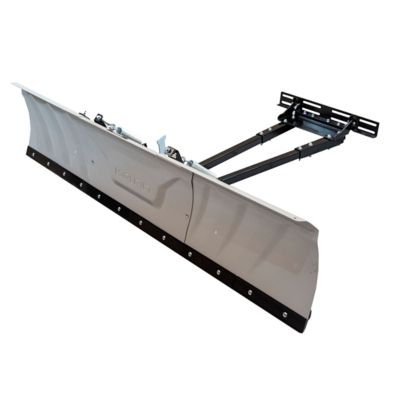
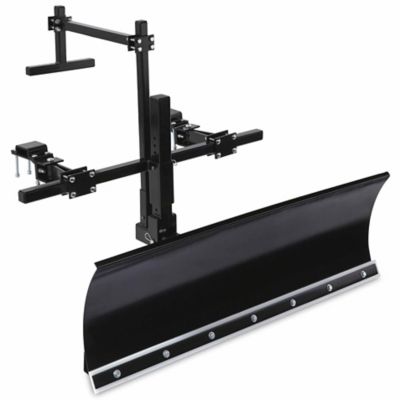
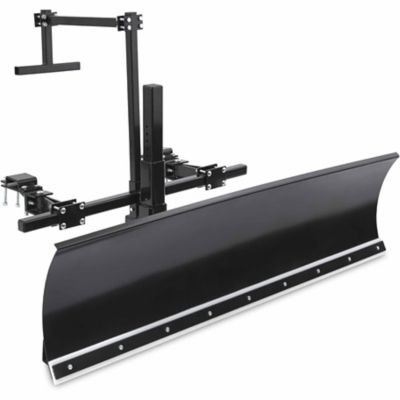
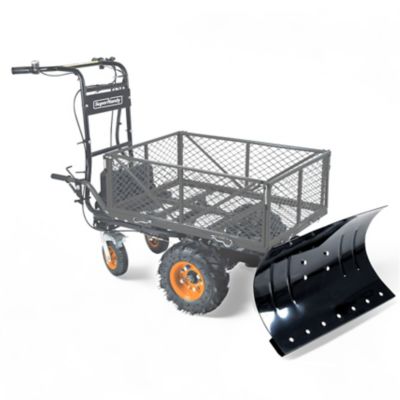
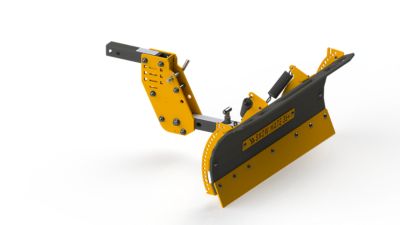
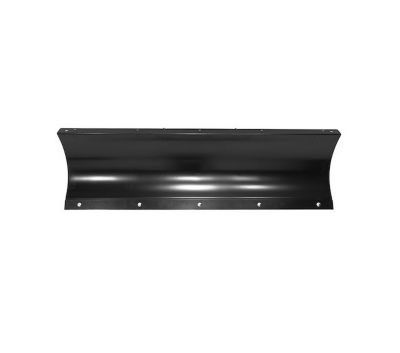
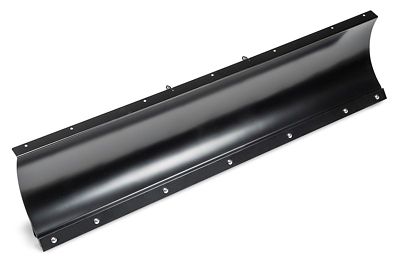
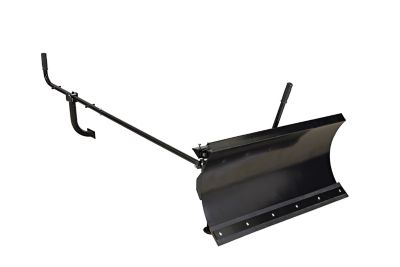
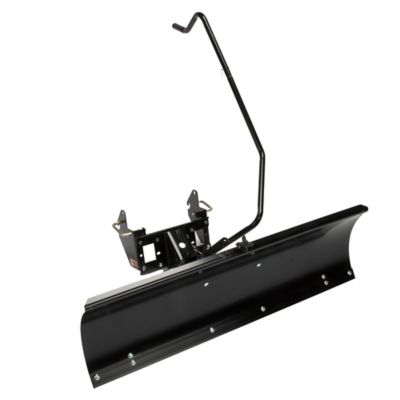
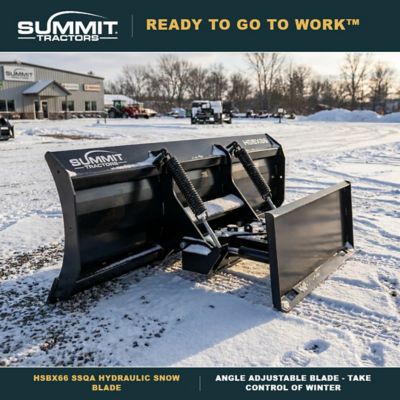
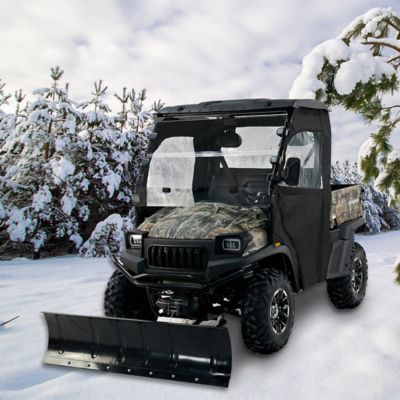
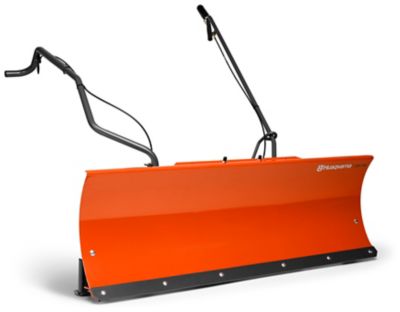
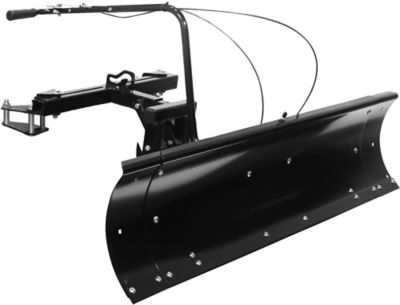
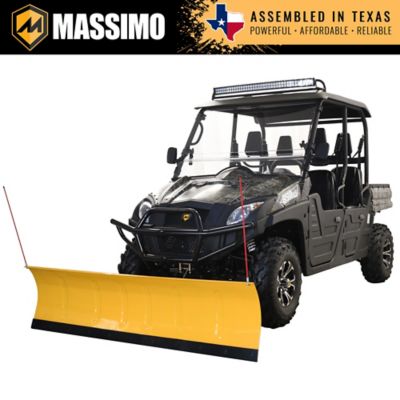
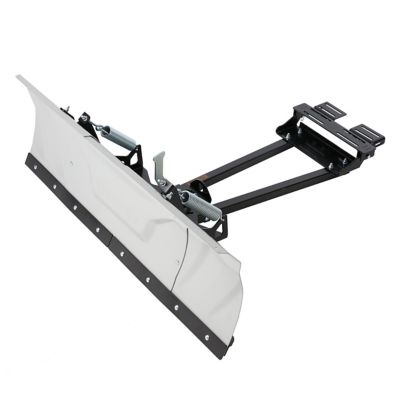
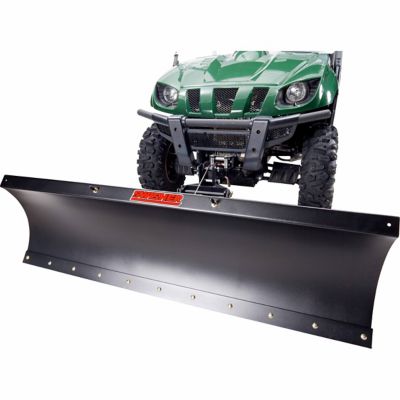
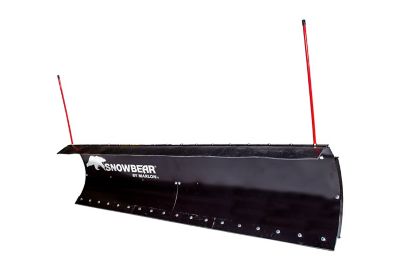
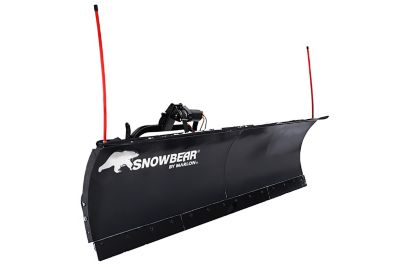
Snow plow blades help keep driveways, farm lanes, barn entrances, and work yards passable when snow starts piling up. The term can mean the full curved blade, also called a moldboard, or the replaceable cutting edge fastened along its bottom. The moldboard gathers and rolls snow, while the cutting edge makes contact with the clearing surface and takes much of the scraping wear. That distinction matters when matching a replacement to an existing plow: a worn bottom edge may need attention even when the rest of the blade remains sound. Complete blades and plow attachments serve different kinds of equipment, including ATVs, UTVs, compact tractors, and trucks, with mounting arrangements that depend on the machine and plow system. A setup for clearing the lane between a house and a horse barn has different demands than one handling a broad parking area or repeated passes along a long gravel drive. Blade width, height, weight, and angle all affect how that setup works. An angled blade clears a narrower path than its full measured width, so enough coverage beyond the tires helps keep wheels out of the snow left beside the pass. Extra width also brings more snow load, making the vehicle’s attachment ratings, traction, and steering capacity important parts of the match. Straight blades suit many driveway and lane-clearing jobs, while V-shaped designs can offer different positions for breaking through drifts or carrying snow, depending on the system. Manual angling and powered angling also bring different levels of convenience when a route calls for frequent changes in direction. Lift equipment, push frames, mounting brackets, electrical connections, and hydraulic requirements deserve just as much attention as blade dimensions. A blade alone does not necessarily include everything needed to attach or operate it, and similar-looking equipment can have very different connection points. Room to maneuver matters, too, especially around gates, fence corners, parked trailers, and narrow approaches to livestock buildings.
Materials make a noticeable difference in how snow plow blades handle snow, surface contact, and repeated work. Steel moldboards provide a rigid face for moving snow, with paint or other protective coatings helping limit exposure to moisture. Polyethylene moldboards offer a slick snow-facing surface supported by a frame; the complete assembly’s weight still depends on its construction, not just the face material. The cutting edge is a separate consideration. Steel snow plow cutting edges, including high-carbon and hardened options, suit firm scraping and can work well where packed snow demands a harder contact edge. Their stiffness also means uneven pavement, raised joints, and sensitive surfaces call for care. Some cutting edges incorporate carbide wear surfaces for greater resistance to abrasion, although their suitability depends on the plow, mounting arrangement, and work involved. Polyurethane cutting edges offer some flexibility and can reduce scraping noise while providing a less aggressive contact surface than steel. Rubber edges generally offer more give, which can suit slush removal and applications where gentler surface contact matters more than cutting into packed snow. Neither material makes pavement damage impossible, especially when loose stones or other debris get caught beneath the blade. Asphalt, concrete, pavers, and gravel each bring different concerns. A raised concrete seam can catch an edge, while unfrozen gravel can move right along with the snow if the blade runs too low. Adjustable skid shoes, where the plow supports them, help establish clearance and limit direct contact, but their setting needs to suit the surface and equipment instructions. Moldboard height and curve also influence how snow rolls and spills during a pass. Wet, heavy snow puts more strain on a machine than the same depth of light snow, so blade size alone does not determine clearing capacity. Trip edges or spring-trip assemblies can help a compatible plow respond to certain obstructions, but they are not a substitute for knowing where curbs, rocks, and water shutoffs sit beneath the snow.
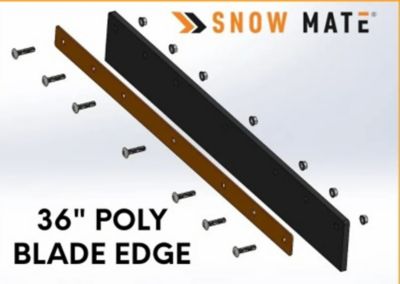
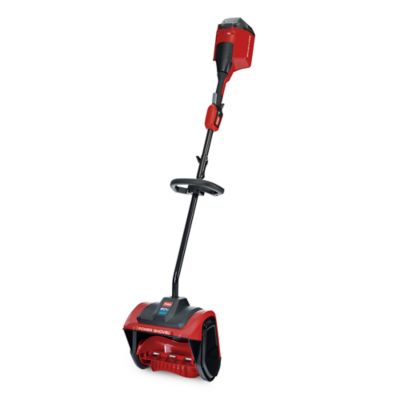
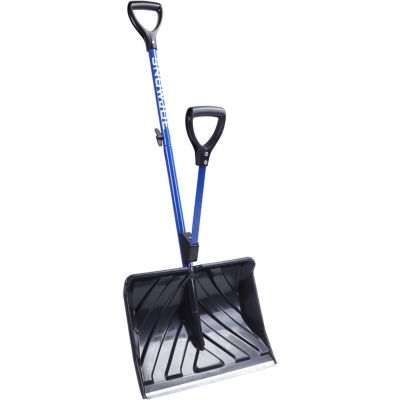
Fit and upkeep have a lot to do with the working life of a snow plow blade. Replacement cutting edges need more than a matching overall length: thickness, height, hole count, bolt spacing, hole shape, and the mounting arrangement all matter. Measurements taken center to center between mounting holes help distinguish edges that otherwise look much alike. V-plow sections and edges with special end shapes may also require a particular orientation or matching hardware. Some edges are designed to reverse for another wearing surface, while others are not, making the manufacturer’s specifications the deciding reference. Correct fasteners and tightening specifications help the edge sit as intended against the blade rather than leaving gaps or uneven support. Wear tends to show up along the bottom contact line, but uneven scraping can also point to skid-shoe adjustment, blade alignment, or worn mounting components. Keeping an eye on those parts helps protect the moldboard from becoming the next surface dragging across the ground. Moisture, road salt, and grit add to the workload, particularly around bolt holes, seams, and places where the finish has chipped. Cleaning away residue, allowing the assembly to dry, and maintaining coatings and lubrication according to the equipment manual support longer service life. A secure storage position keeps the edge off bare soil and leaves less chance of an accidental bump against its sharp lower lip. Maintenance involving raised equipment requires the supports and precautions specified by the manufacturer. For the walk beside the porch, the steps near the mudroom, or tight spots beyond a vehicle blade’s reach,
Power Snow Shovels can complement a larger clearing setup where their operating requirements fit the space. The whole job also includes leaving room for snow piles without blocking gates, drainage paths, or sightlines at the road. A well-matched blade helps keep access open for feed deliveries, chores, and everyday trips, while traction needs and lingering ice still deserve attention after the snow has moved.