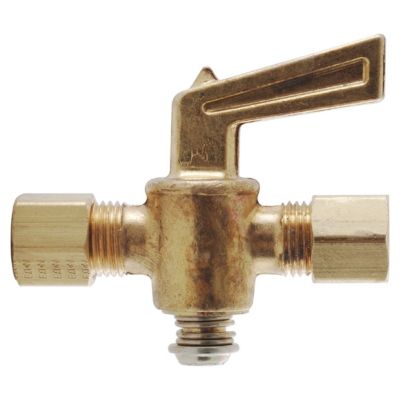
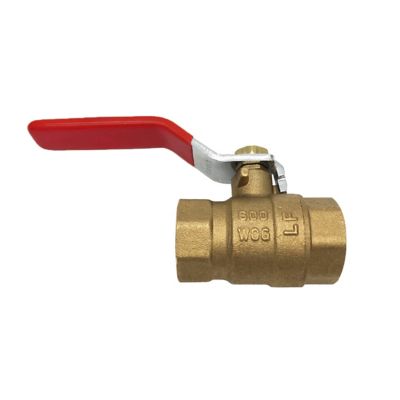
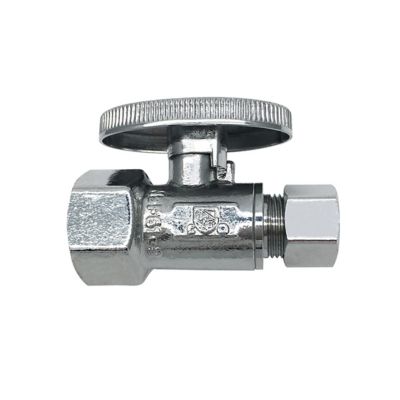
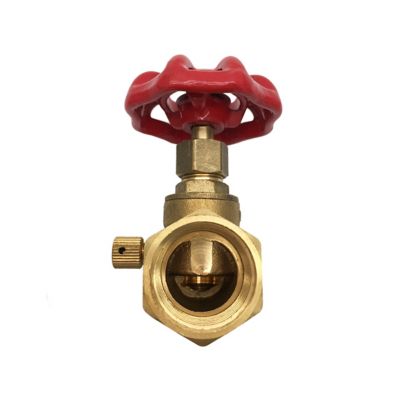
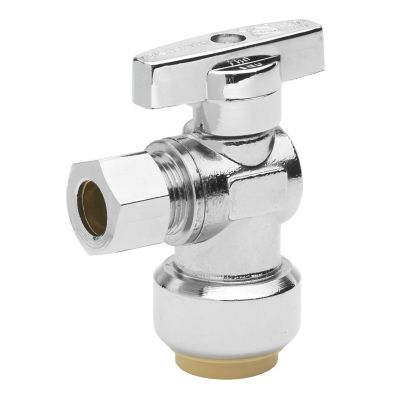
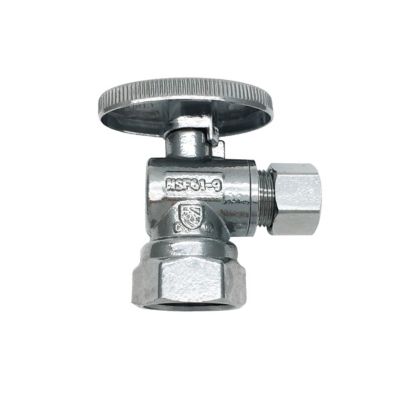
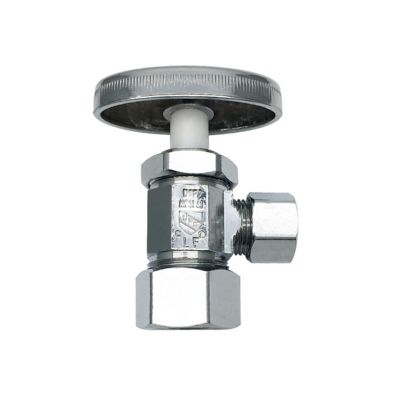
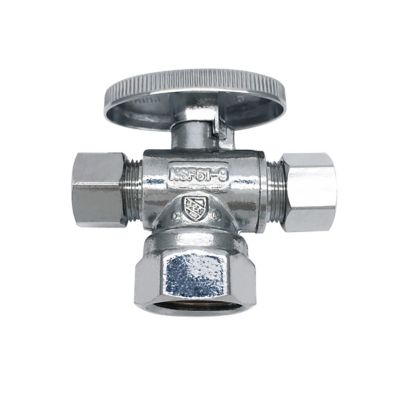
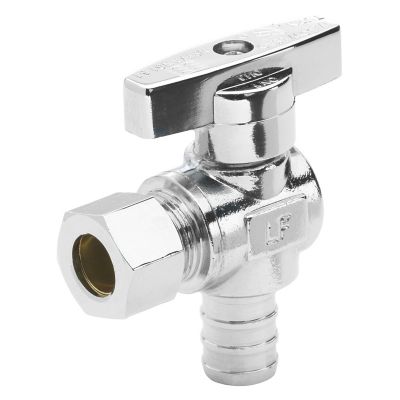
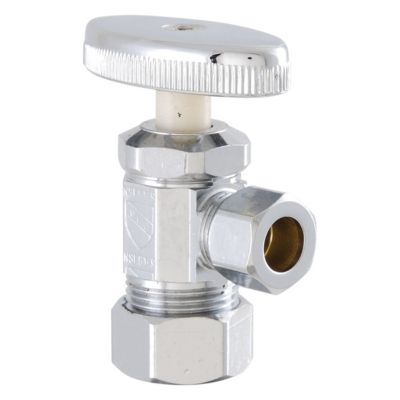
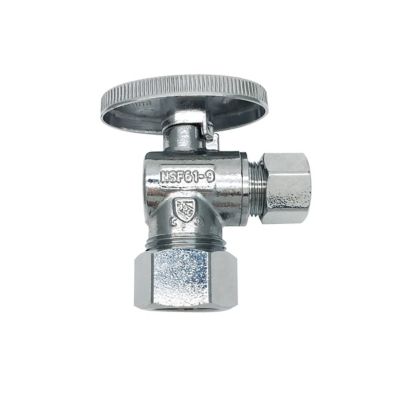
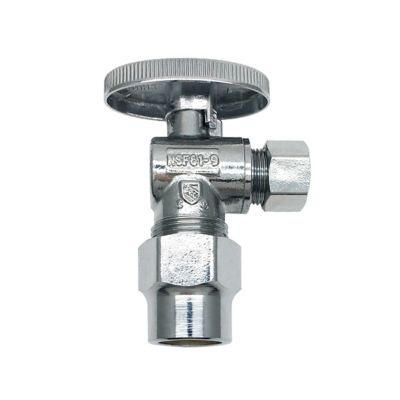
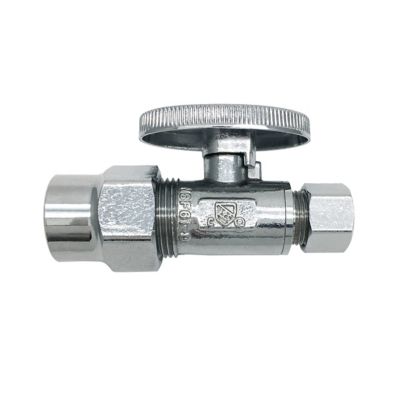
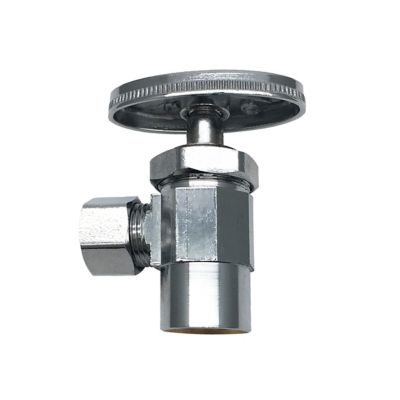
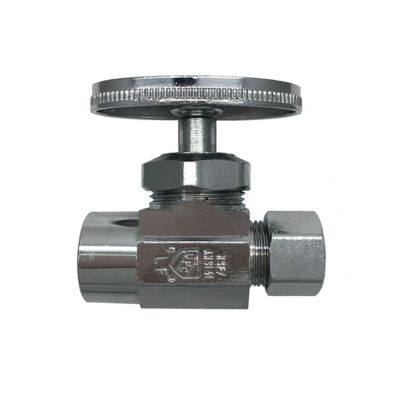
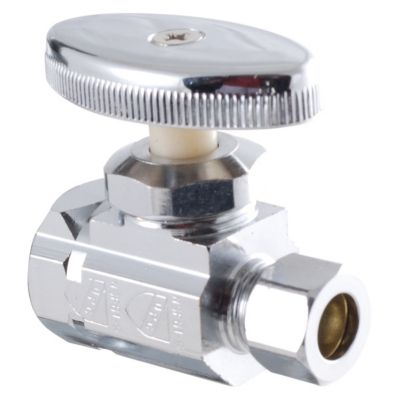
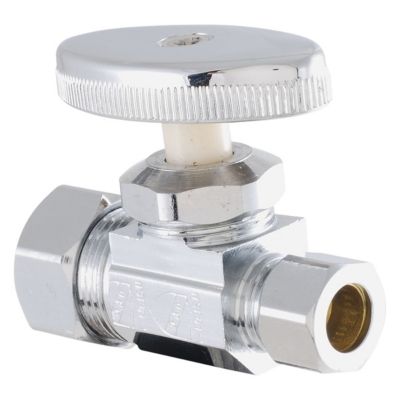
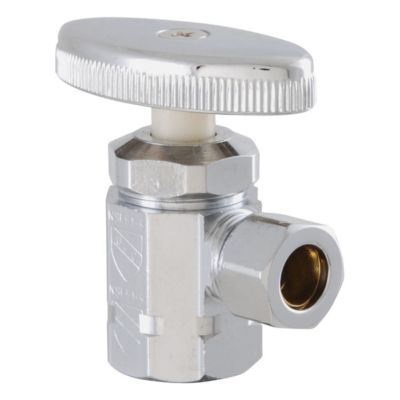
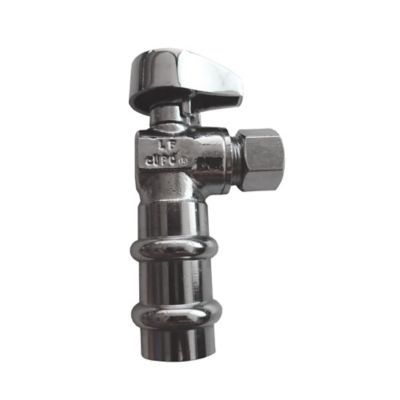
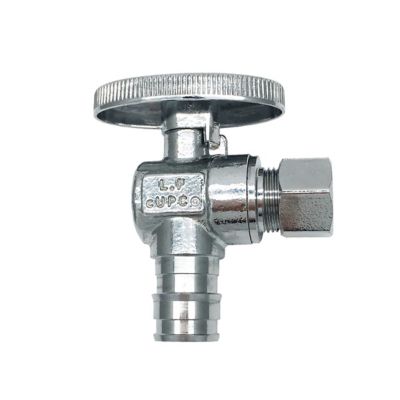
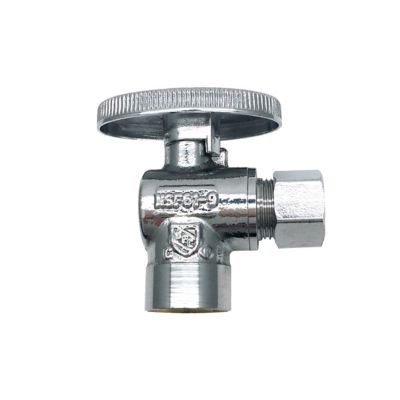
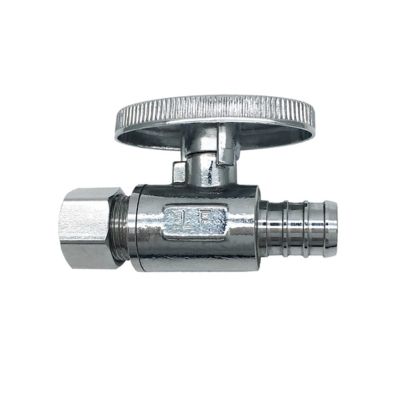
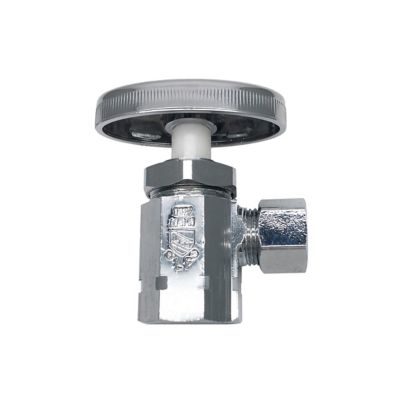
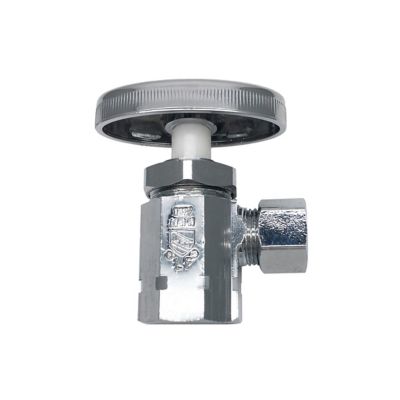
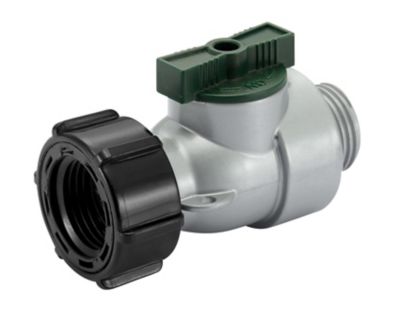
When it comes to keeping your kitchen running smooth and worry-free, kitchen faucet shut off valves are a small but mighty part of the setup. Tucked away beneath the sink, these valves—often called angle stops—are the first line of defense if you ever need to cut the water supply in a hurry, whether you’re swapping out a faucet, fixing a leak, or tackling a full-on remodel as the weather warms and projects pick up. Most folks will spot two valves under the sink: one for hot water, usually set to the left, and one for cold water on the right. Whether you’re working with old-school oval handles or newer lever styles, knowing how to turn them off (righty-tighty, or a quarter-turn for levers) can save you a heap of trouble down the line. A quick turn and a test at the tap make sure the water’s off, giving you peace of mind before you start any repairs or upgrades.
Picking out the right kitchen faucet shut off valve isn’t just about grabbing the first one you see. It’s worth thinking about the age and material of your plumbing, the kind of handles you prefer, and whether you want a tool-free installation or don’t mind getting your hands a little dirty. Folks fixing up an older farmhouse might run into stuck or leaky valves that need replacing, while those building new or updating their kitchen for the season will appreciate easy-to-use, reliable shut offs that make future fixes a breeze. These valves are a handy gift for anyone setting up a new home, outfitting a cabin, or helping a young’un with their first apartment—practical, affordable, and sure to be appreciated when the unexpected happens. And with summer gatherings, canning, and cookouts on the horizon, having dependable shut off valves means you can focus on the good stuff without worrying about plumbing mishaps spoiling the fun.
For anyone who likes to keep their home running like a well-oiled machine, swapping out old or worn kitchen faucet shut off valves is a simple upgrade that pays off in peace of mind. If you’re the type who’s always tinkering, fixing, or lending a hand to neighbors, you know there’s nothing worse than crawling under the sink only to find a stubborn, corroded valve that won’t budge. Upgrading to modern, quarter-turn options or push-to-connect styles makes future repairs quicker and less of a hassle, especially when time is tight and there’s a long list of chores to tackle before the cooler months roll in. And don’t forget, if you’re looking to tidy up the rest of your home’s plumbing, you can find more options for other rooms—like our
Bathroom Water Shut Off Valves page. With the right shut off valves in place, you’ll be ready for whatever the season brings, from muddy boots in the spring to harvest time in the fall, all while keeping your kitchen dry, safe, and ready for the next big meal.