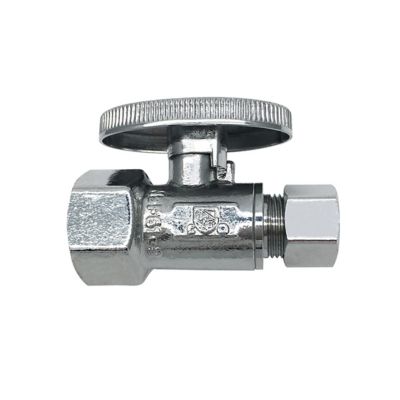
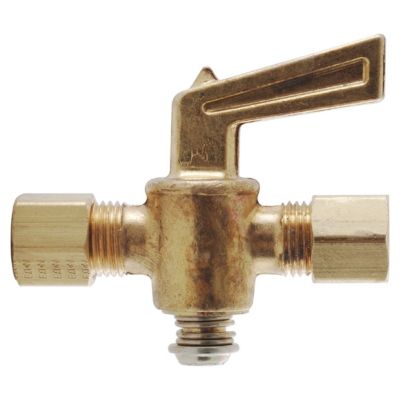
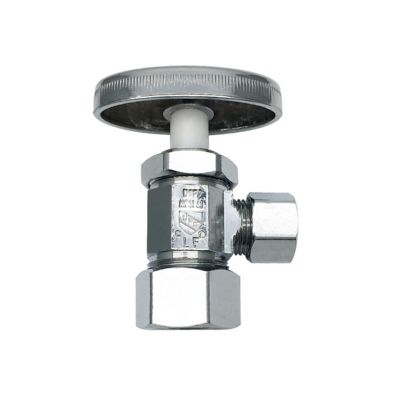
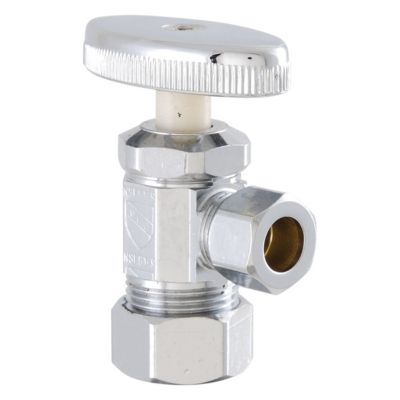
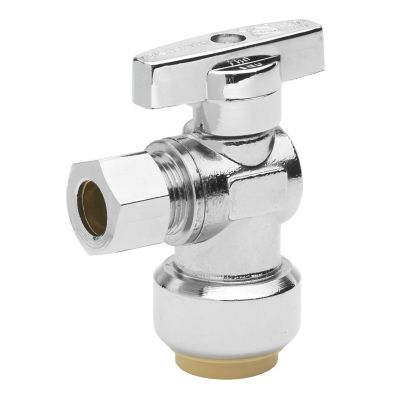
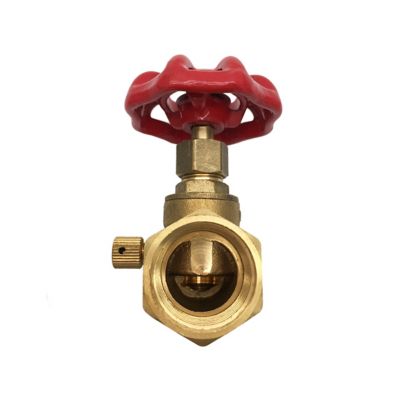
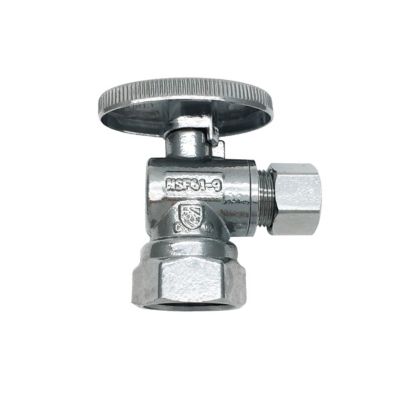
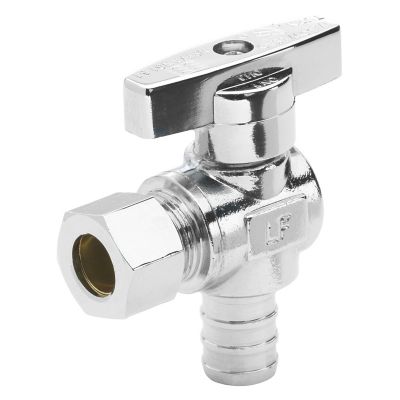
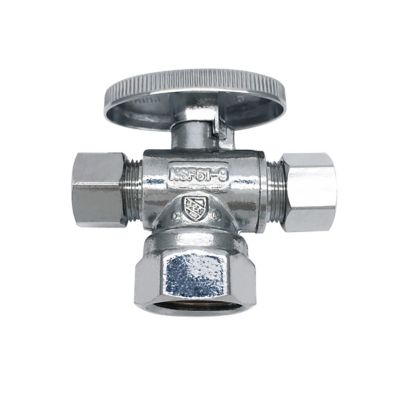
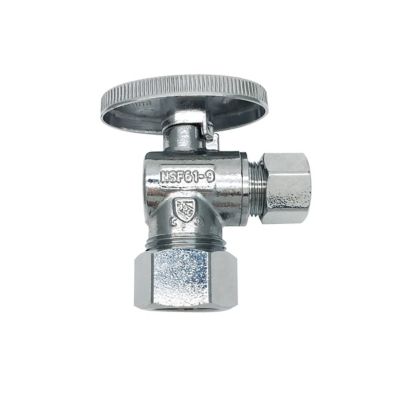
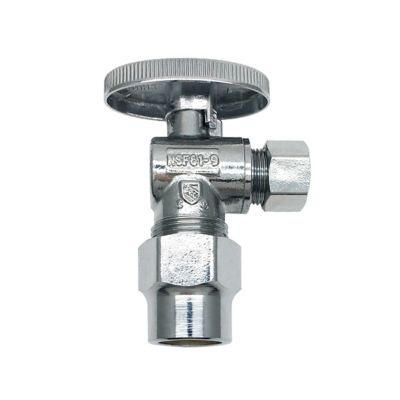
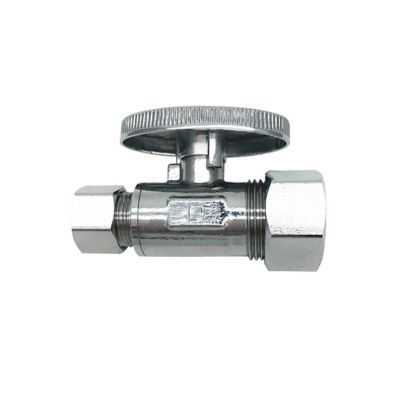
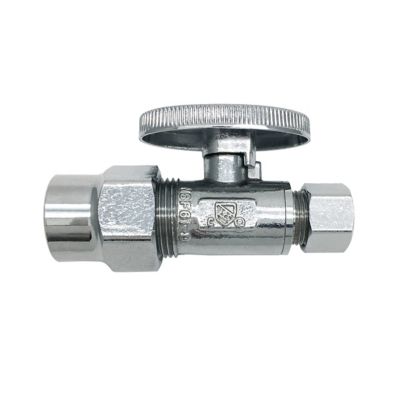
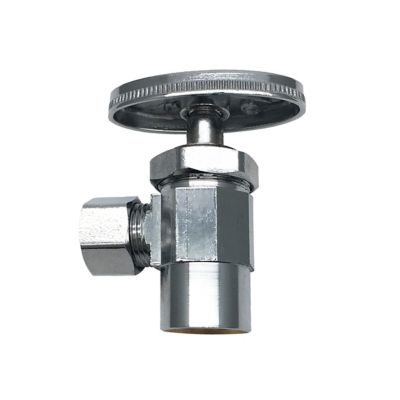
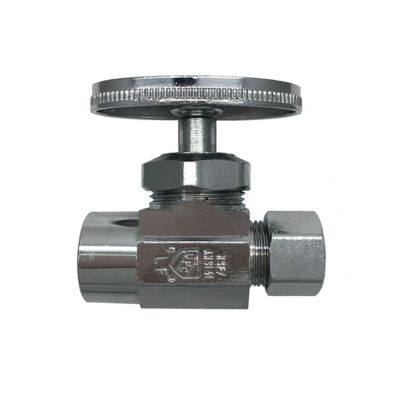
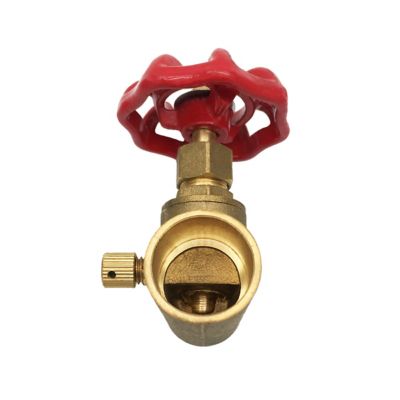
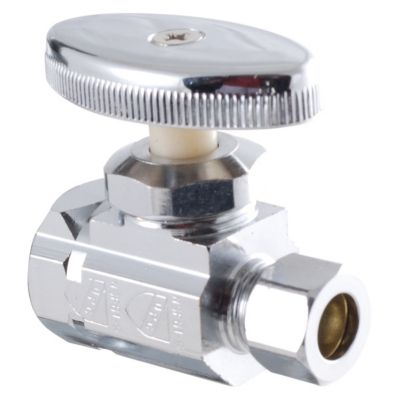
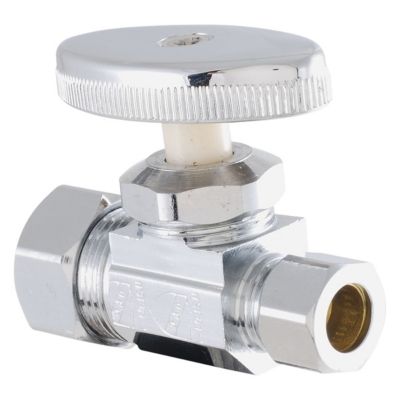
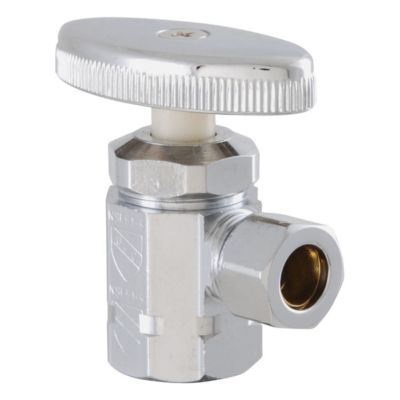
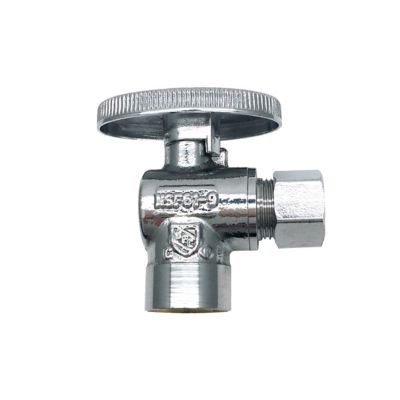
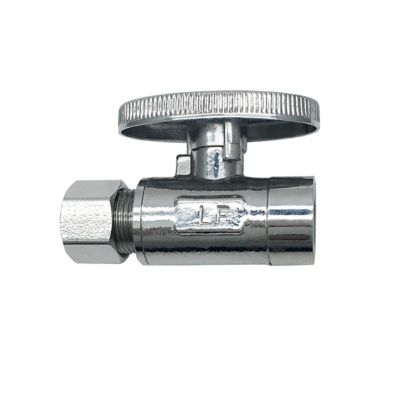
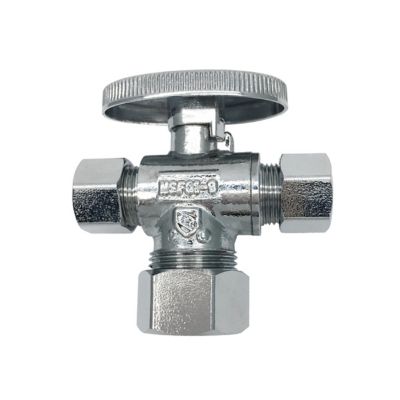
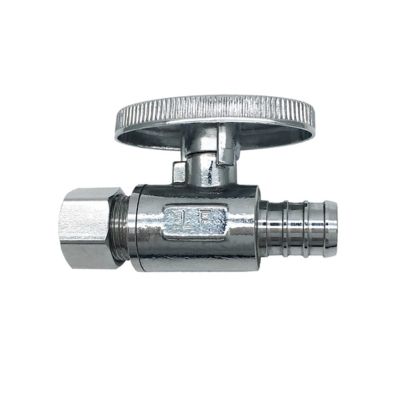
Compression fitting shut off valves are handy plumbing parts for controlling water to one fixture or section of a line without turning off the water supply to the whole house, barn, shop, or outbuilding. They are commonly used at sinks, toilets, utility tubs, water heaters, ice makers, dishwashers, livestock watering areas, and other points where a local shutoff makes maintenance easier. When a faucet needs replacing or a supply line starts leaking, a nearby valve lets you stop the flow at that fixture instead of walking outside to the main shutoff or leaving the rest of the building without water. These valves are often called angle stops or straight stops, depending on the direction the water line needs to take. An angle valve turns the line 90 degrees, which works well when the pipe comes through a wall and the fixture connection runs upward or sideways. A straight valve keeps the inlet and outlet in line and can be a better fit when the supply pipe and fixture connection run in the same direction. Checking the space behind the fixture before ordering can save a trip back to the hardware aisle, especially in a cramped vanity cabinet, utility room, or older farmhouse where pipes may not be laid out exactly as expected.
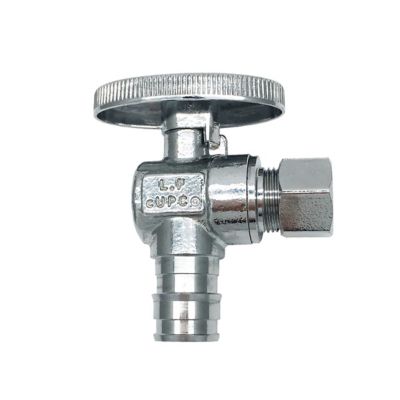
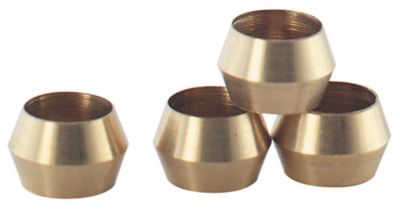
A compression fitting shut off valve uses a compression nut and ferrule, sometimes called a compression ring, to grip the outside of a compatible pipe and form a watertight seal. Because the connection is tightened mechanically, installation generally does not require soldering, threading, or a torch, making these valves useful for many routine repair jobs. Always match the valve to the pipe material, outside diameter, and connection size rather than relying only on the appearance of the old part. Copper and PEX systems use different connection methods and may require different components, so it is important to confirm what is already installed before choosing a replacement. For copper pipe projects, take a look at
Compression Fittings for Copper Pipes to help match related fittings to the job. A quarter-turn ball-style valve opens or closes with a simple 90-degree handle movement and is convenient when a quick shutoff matters. Multi-turn valves use a threaded stem and require several turns, which can be familiar in older plumbing setups but may become stiff after sitting unused. Whichever style fits the system, look for sturdy construction, a cleanly machined connection, and a handle that can be reached without straining. It is also wise to compare inlet and outlet ends carefully, since one side may be made for the supply pipe while the other accepts a flexible fixture line.
These valves are useful to homeowners, renters who handle approved minor maintenance, landlords, maintenance crews, plumbers, and folks who keep a well-stocked repair bin in the barn or garage. They make a practical addition to a rural property where a small plumbing problem can show up far from the main house, whether at a wash sink in the workshop, a bathroom in a cabin, or a water line serving a mudroom during the cooler months. A few properly matched shutoff valves can also make a thoughtful housewarming gift for someone moving into an older home, setting up a hunting cabin, or building out a shop, especially when paired with basic hand tools and common plumbing supplies. Before beginning work, shut off the water, relieve pressure by opening the fixture, and keep a bucket and towels nearby. Inspect the pipe for corrosion, bends, scratches, or damage, since a compression fitting needs a sound, reasonably smooth surface to seal properly. Slide the nut and ferrule onto the pipe in the correct order, seat the valve squarely, and tighten according to the fitting manufacturer’s instructions; overtightening can damage the connection, while undertightening can allow a slow leak. Turn the water back on gradually and check every connection with a dry cloth. If the pipe is badly corroded, the valve is difficult to remove, or the plumbing supplies a critical system, getting help from a qualified professional is the safer choice. Choosing the right configuration, pipe compatibility, connection size, and handle style helps a compression fitting shut off valve do its simple but important job: keeping water where it belongs and making everyday repairs less of a hassle.