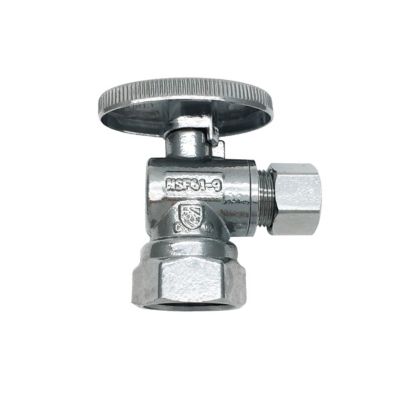
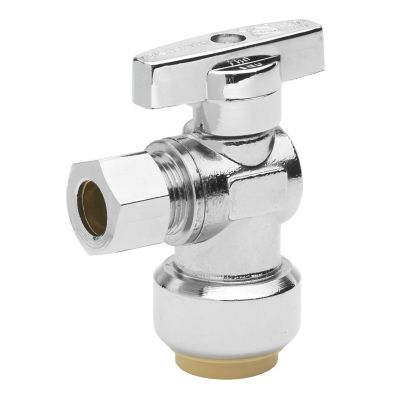
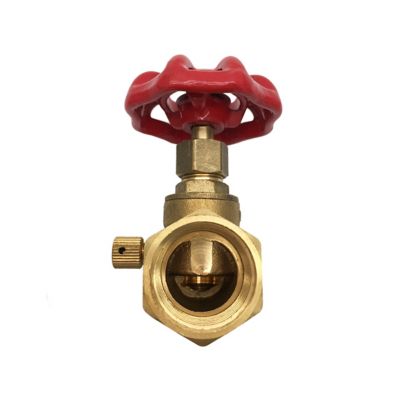
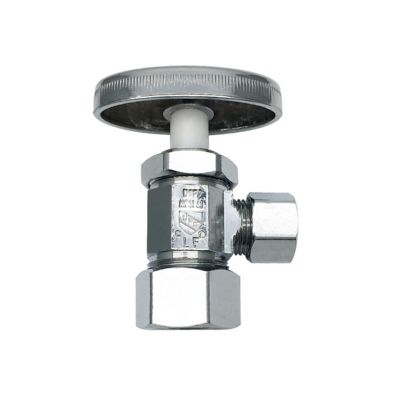
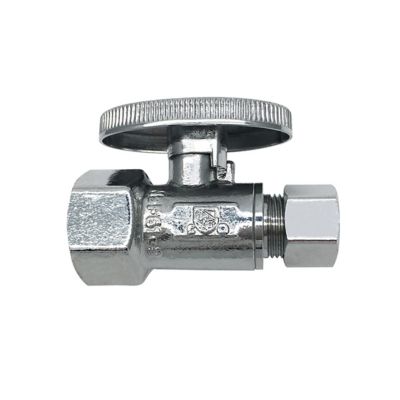
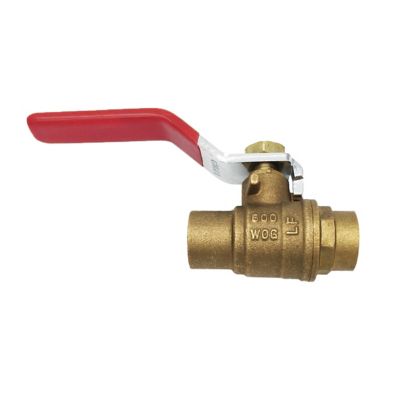
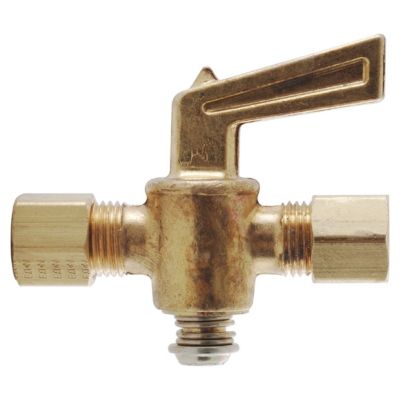
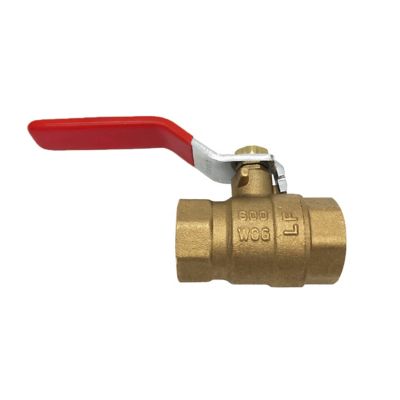
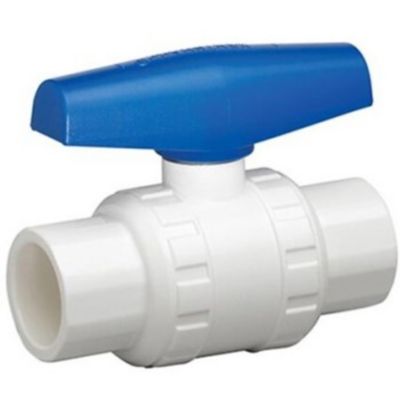
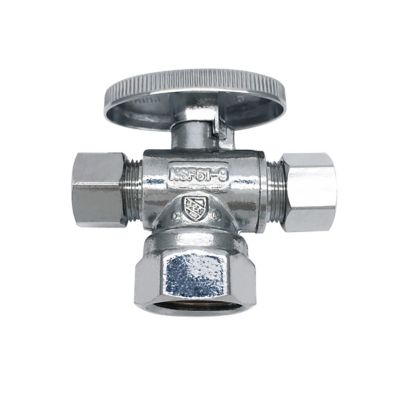
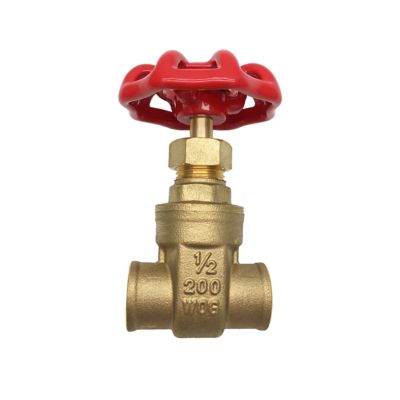
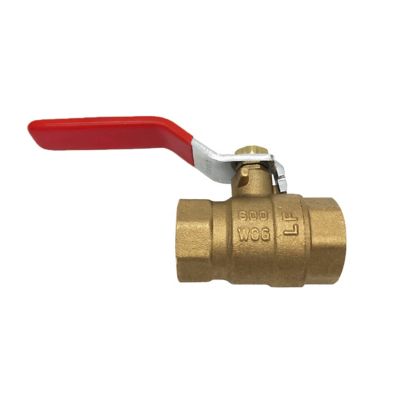
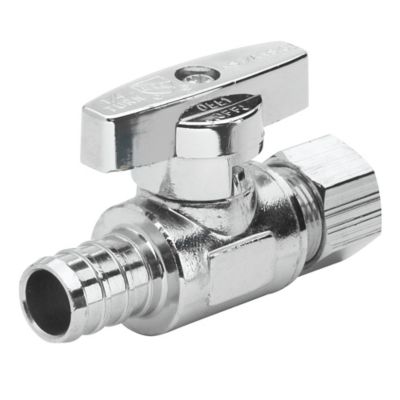
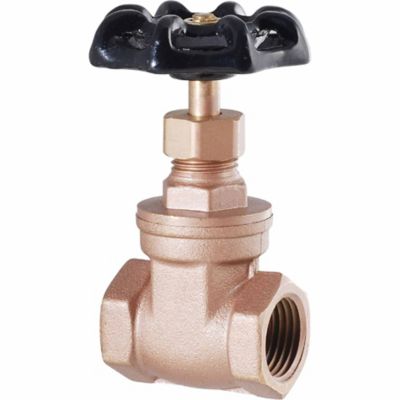
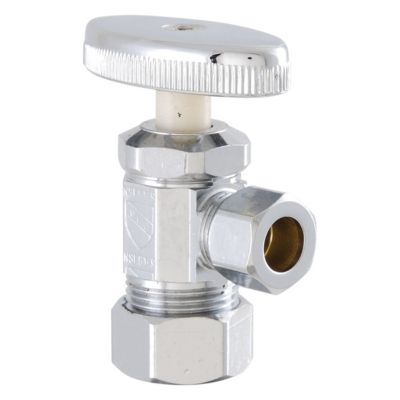
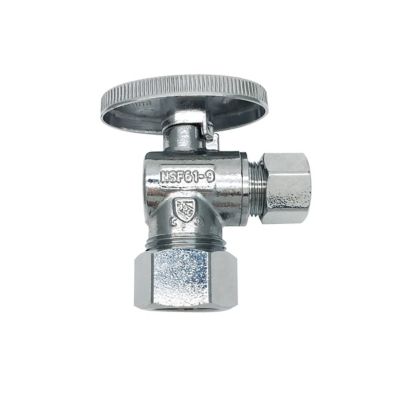
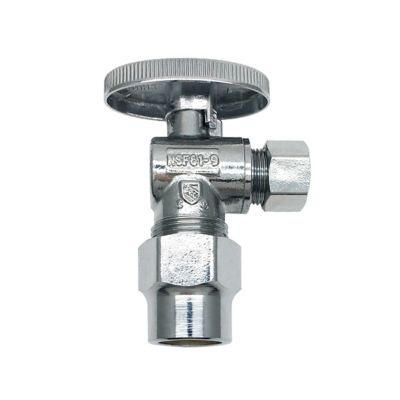
Bathroom water shut-off valves are small parts that make a big difference when a sink supply line starts dripping, a toilet fill valve needs attention, or a bathroom fixture needs to be replaced. Often called angle stops or stop valves, these controls are usually found beneath the sink or near the floor or wall behind the toilet. A bathroom sink commonly has two valves—one for hot water and one for cold—connected to the supply pipes coming through the wall or floor. A toilet generally uses one valve on the water line leading to the tank. Turning the valve clockwise closes the water flow, while turning it counterclockwise opens the line again, although the exact operation depends on the valve style. Having an easy-to-reach shut-off valve lets you stop water at the fixture instead of shutting down the supply to the whole house, which can be especially helpful when a family is getting ready for the day, guests are visiting, or muddy boots and wet weather already have everyone tracking through the home. It is also a handy part to keep in a farm shop, maintenance cabinet, rental property, or household plumbing kit for those small repairs that seem to show up at the least convenient time.
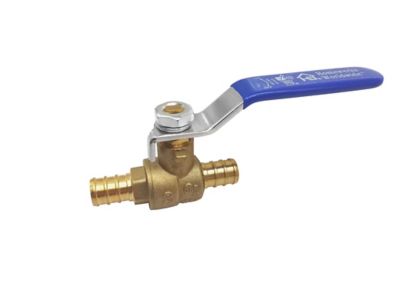
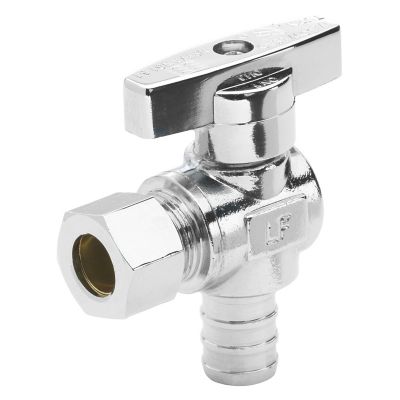
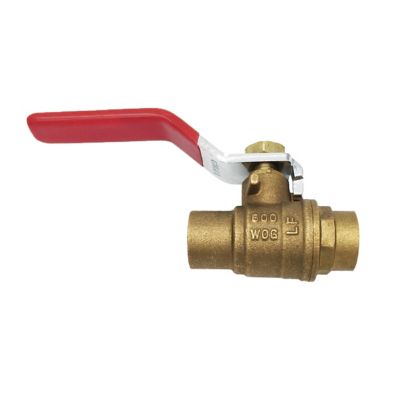
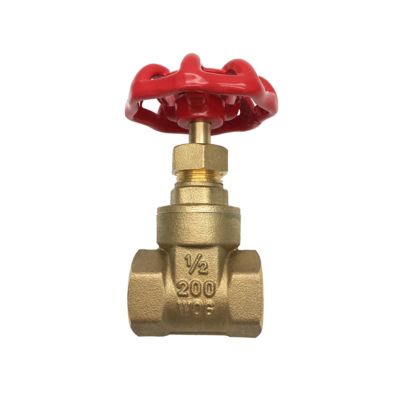
When choosing a bathroom water shut-off valve, start by matching the valve to the plumbing connection and the fixture it will serve. Check whether the existing pipe is copper, PEX, CPVC, or threaded, and pay attention to the pipe size, outlet size, inlet style, and connection type. Some valves connect with compression fittings, while others are designed for threaded connections or specific plumbing systems. The valve outlet must also match the supply line that runs to the faucet or toilet. Taking a clear photo of the old valve and measuring the pipe before shopping can help prevent an extra trip to the hardware aisle. Quarter-turn valves use a short lever that rotates 90 degrees to open or close the water, making them quick to operate when a hose breaks or a connection begins to seep. Multi-turn valves use a round handle that turns several times and are still found in many older bathrooms, though an old handle may be stiff from years of sitting untouched. For plumbing that uses flexible cross-linked polyethylene, also known as PEX, shoppers can compare options such as
PEX Water Shut Off Valves while confirming the valve is made for the correct tubing and fitting method. Look for durable construction, a solid handle, and a design that leaves enough room for your hand or a wrench if needed. Finish and appearance may matter beneath an open vanity, but dependable fit and easy operation matter most. In cold weather, an insulated or properly protected bathroom supply line is important in unheated areas, cabins, outbuildings, and additions, since a frozen pipe can put stress on fittings and valves. Always follow local plumbing requirements, shut off the main water supply before removing an existing valve, and open a nearby faucet to relieve pressure. If the valve is corroded, the pipe is damaged, or the connection is hard to reach, a licensed plumber can help get the job done safely.
Bathroom shut-off valves are useful for homeowners, landlords, property managers, maintenance workers, and anyone caring for an older house where plumbing parts have seen plenty of hard use. They can also make a practical housewarming gift for someone moving into a first home, fixing up a farmhouse, or building a small cabin, especially when paired with other basic repair supplies. A spare valve tucked into a toolbox can save time when a toilet valve no longer closes fully or a sink connection needs to be disconnected for a new faucet. Before installation, turn off the water, place a bucket or shallow pan beneath the connection, and keep a towel nearby for the water left in the line. After the valve is installed, open it slowly and inspect every connection for leaks. Do not force a stuck handle; excessive pressure can damage the valve or the pipe behind the wall. It is good practice to check bathroom shut-off valves a few times each year by turning them gently and making sure they close and reopen without trouble. During the cooler months, that simple check can reveal a handle that has seized before an emergency happens, while regular inspections through changing seasons can catch a slow drip before it stains a cabinet floor or damages trim. Whether the bathroom is in a busy family home, a weekend place out in the country, or a rental that needs reliable upkeep between occupants, the right shut-off valve provides a straightforward way to control fixture water and keep routine plumbing work more manageable.