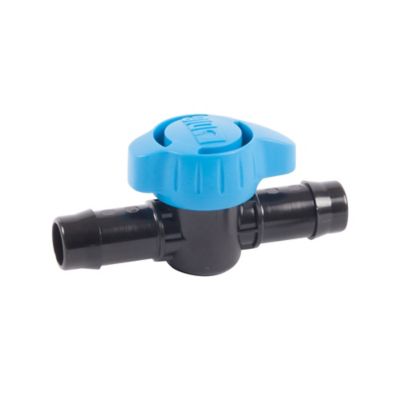
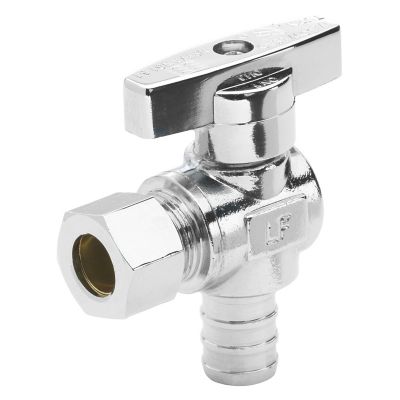
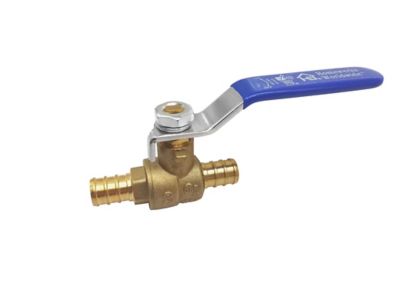
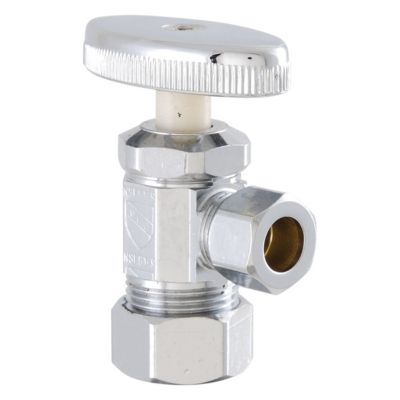
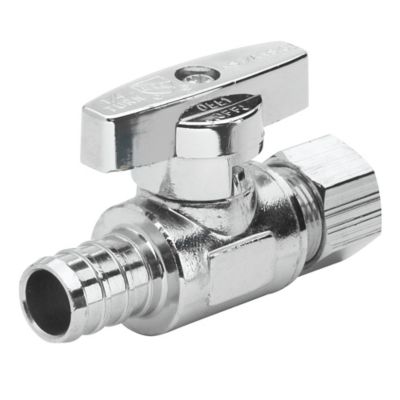
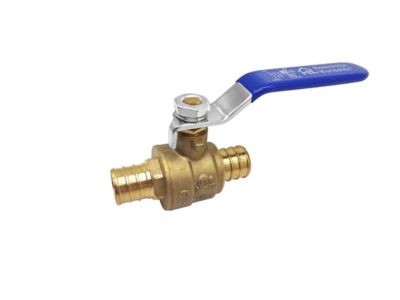
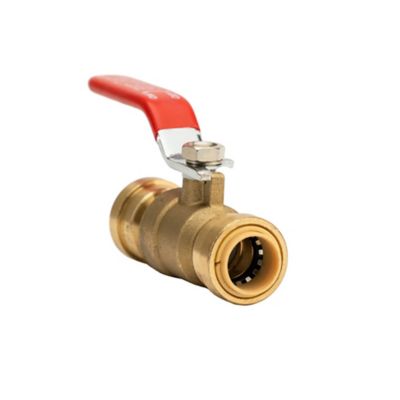
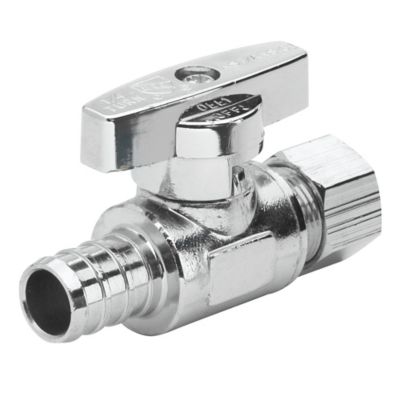
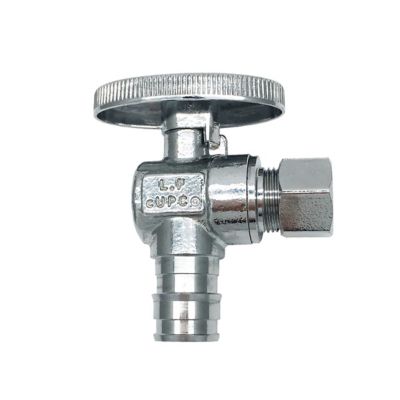
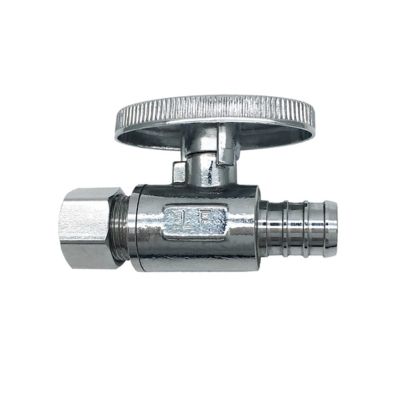
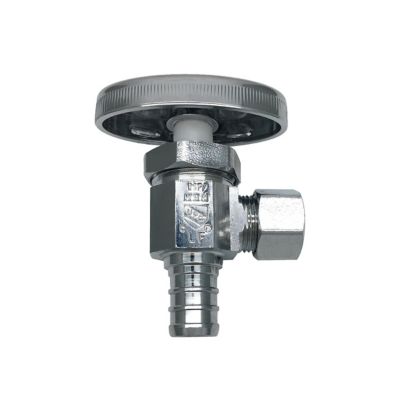
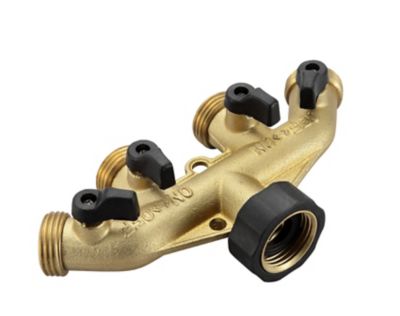
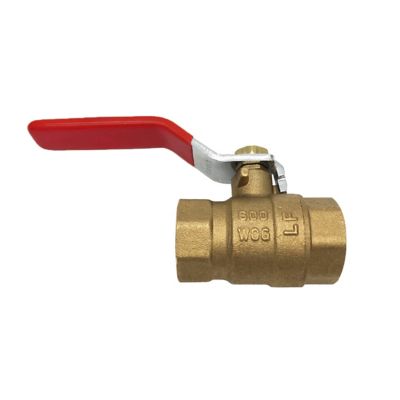
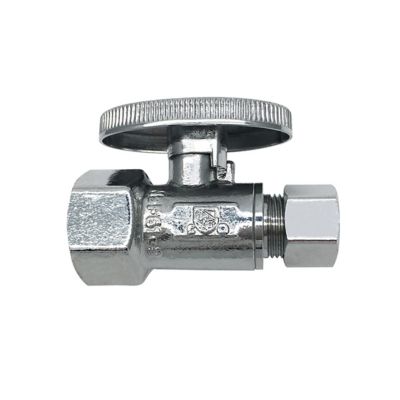
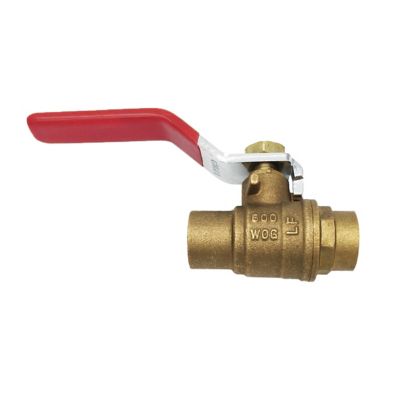
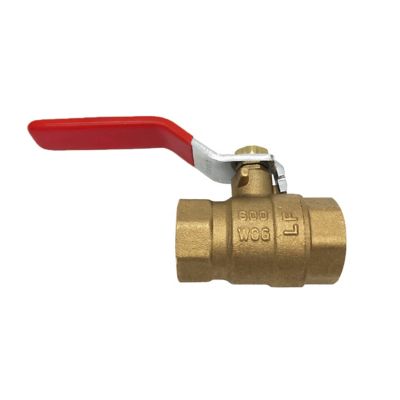
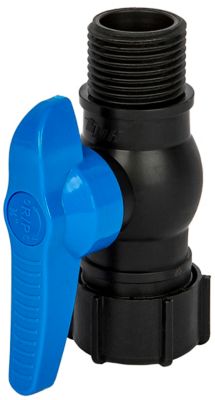
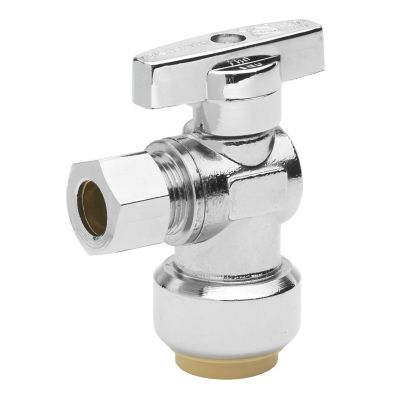
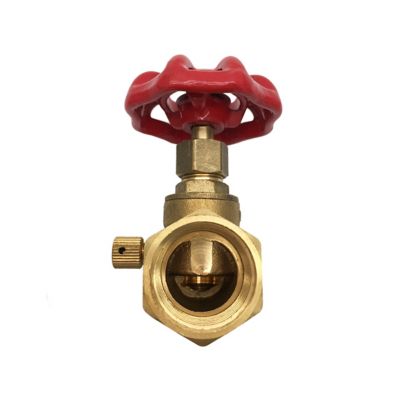
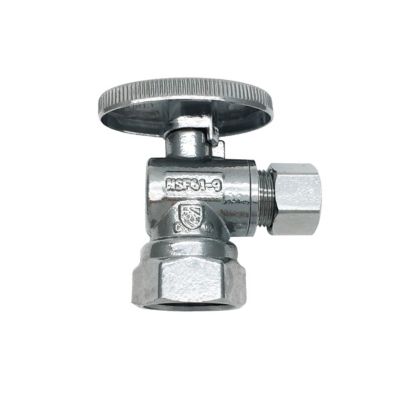
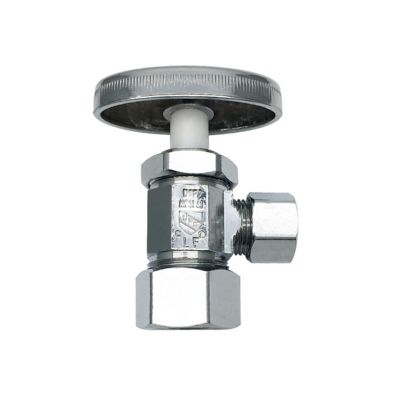
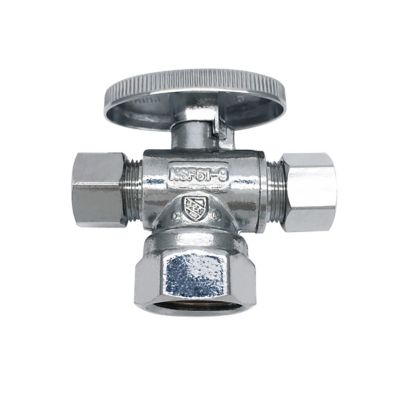
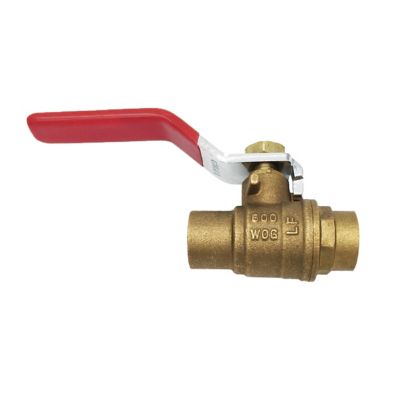
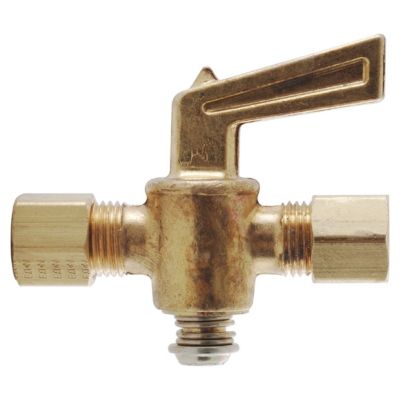
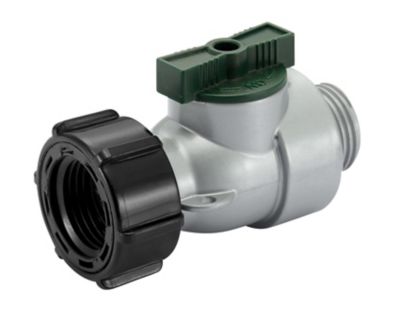
When it comes to keeping your water lines running smooth and trouble-free, PEX pipe shut off valves are one of those small but mighty pieces that make a world of difference in the barn, home, or shop. Folks who work on their own plumbing know just how handy it is to have quick, reliable control over water flow—especially when you’re making repairs, swapping out fixtures, or just doing a bit of seasonal maintenance as the weather shifts from warm to cool. Whether you’re a seasoned DIYer fixing up an old farmhouse or just looking to add a little extra peace of mind to your property, these valves are a go-to solution for both new builds and upgrades. They’re simple to install, tough enough to stand up to daily use, and come in a range of types, like angle stops for wall connections, straight stops for lines coming up through the floor, and ball valves for main shutoff points. Each style serves a purpose, and picking the right one can save you a heap of hassle down the line.
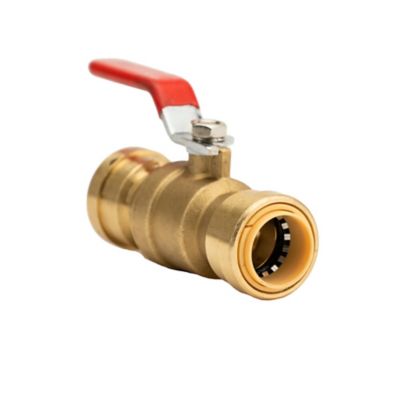
One thing to keep in mind when choosing a PEX shut off valve is the type of PEX tubing you’re working with—PEX-A, PEX-B, or PEX-C—as well as the connection method that best fits your project. Crimp and barb connections are a tried-and-true favorite for many, needing just a crimp tool and a steady hand, while expansion fittings work well with PEX-A and give a snug, reliable fit using an expansion tool. For those looking for something even quicker, push-to-connect shut off valves are a real time-saver since they don’t require any special tools—just a clean cut and a firm push, and you’re set. These valves are especially useful when you’re making changes in tight spots, like under sinks or behind toilets, where fiddling with extra tools can be a real headache. And with the cost of these valves staying pretty reasonable, it’s easy to keep a few on hand for emergencies or when you’re helping a neighbor out with a surprise leak. They’re also a thoughtful gift for anyone setting up a new homestead, outfitting a workshop, or tackling their first big plumbing project—practical, useful, and sure to come in handy sooner or later.
As you’re prepping for the changing seasons—maybe getting ready for that first cold snap or just making sure everything’s ready for fall chores—it’s a good time to check your shut off valves and update any that are showing their age. Whether you’re replacing old hardware, adding new lines, or just want the convenience of shutting off water to a specific fixture without turning off the whole house, PEX shut off valves are a smart addition to any setup. And if you find yourself needing a different connection style, like for copper or CPVC lines, you might want to take a look at
Compression Fitting Shut Off Valves for even more options. No matter how you slice it, having the right shut off valves in place makes plumbing projects go smoother and helps protect your home, barn, or outbuilding from unexpected water troubles. With a little planning and the right supplies, you can tackle just about any plumbing job that comes your way, season after season.