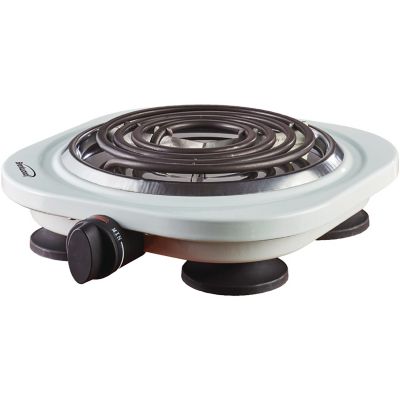
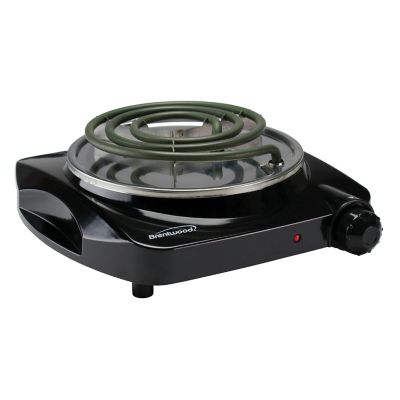
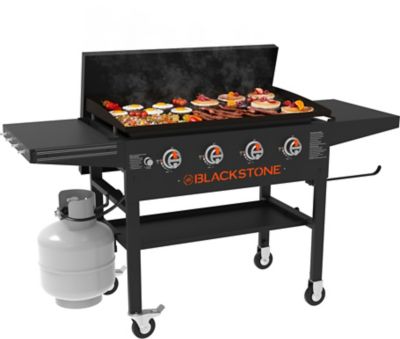
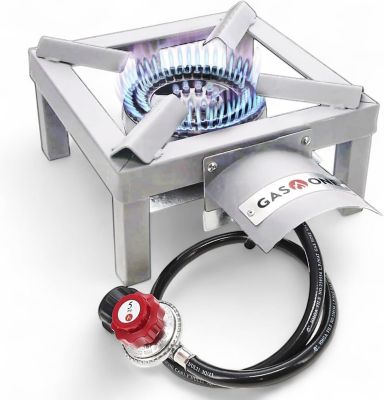
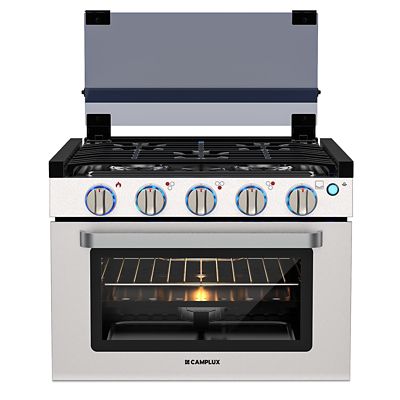
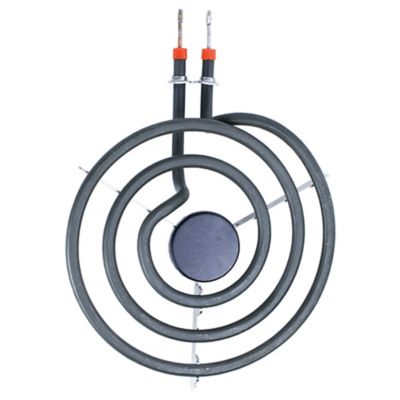
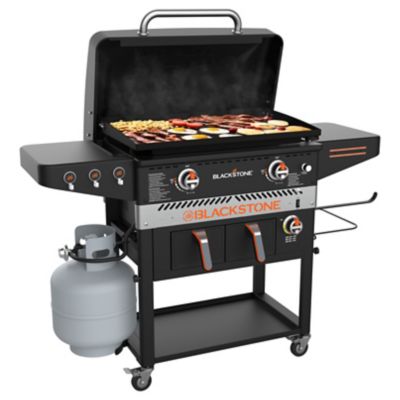
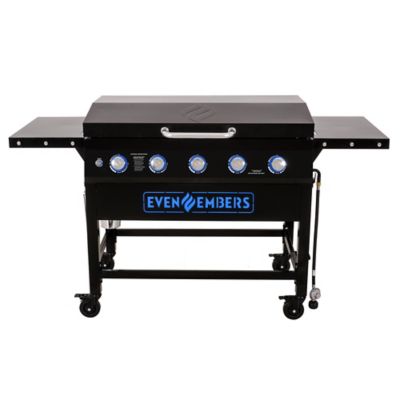
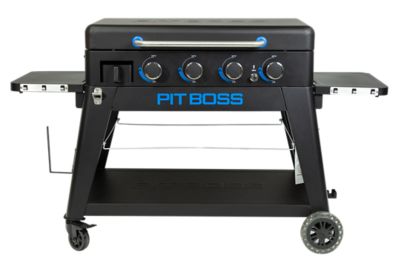
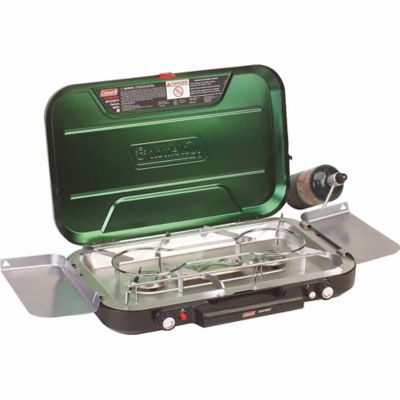
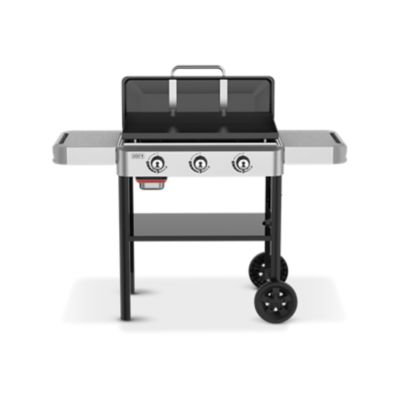
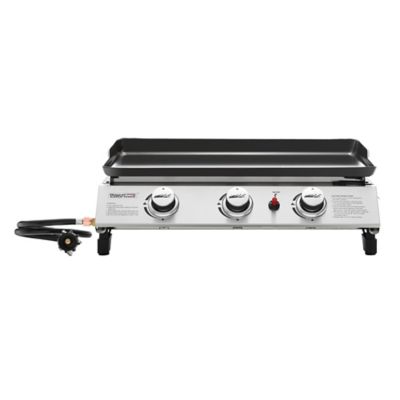
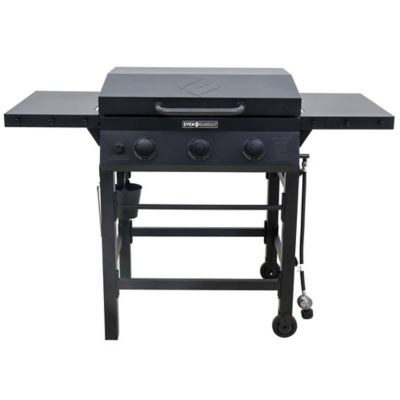
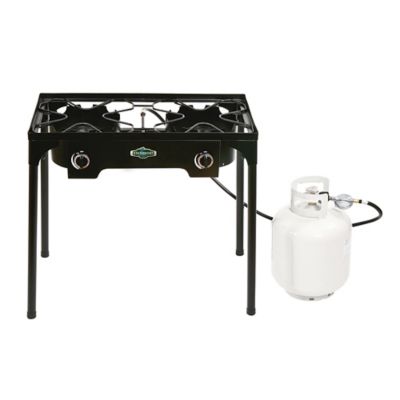
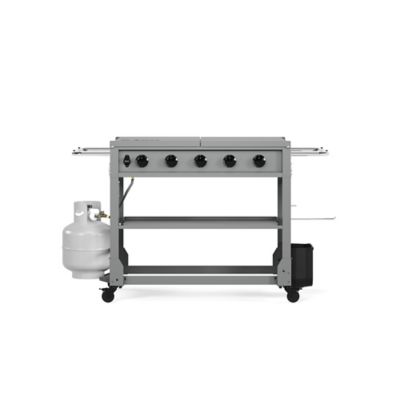
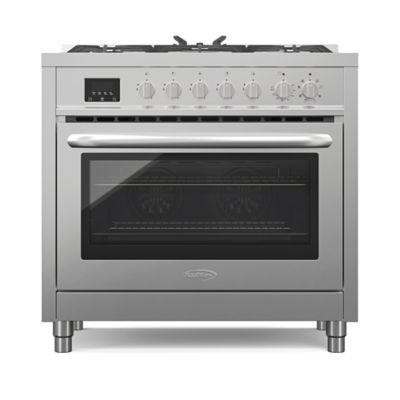
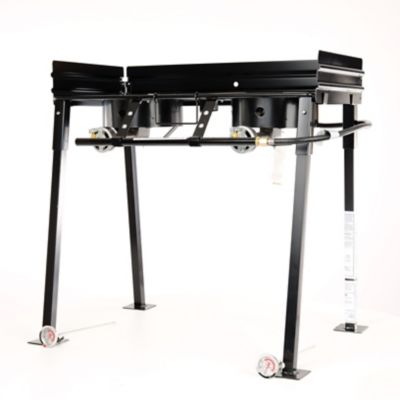
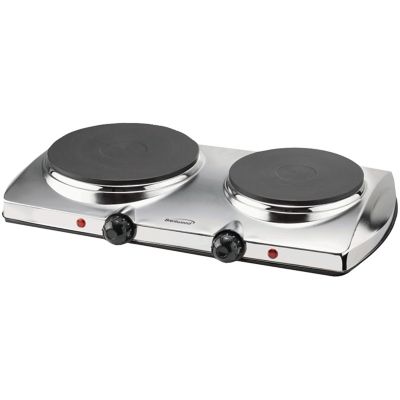
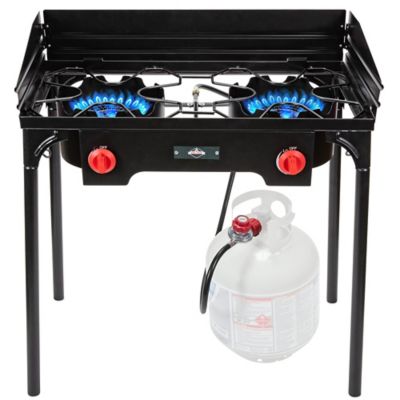
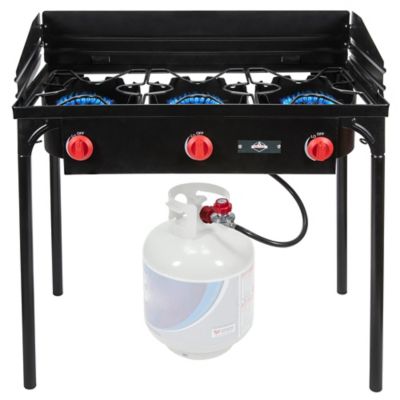
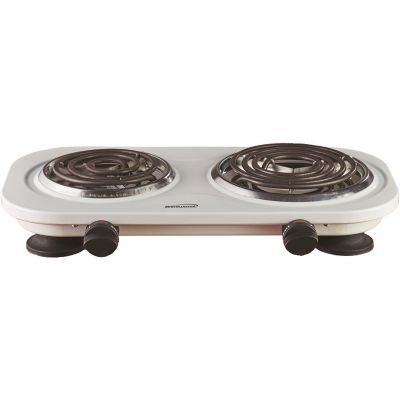
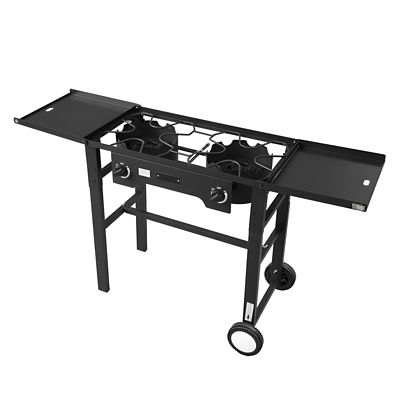
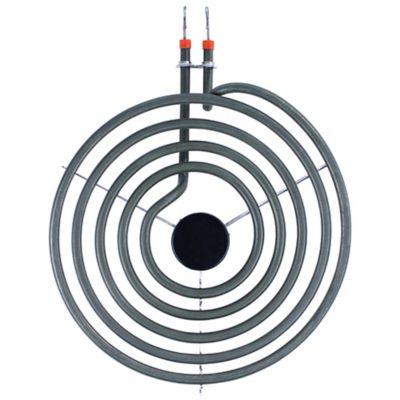
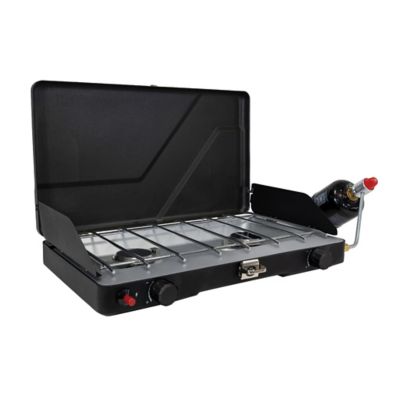
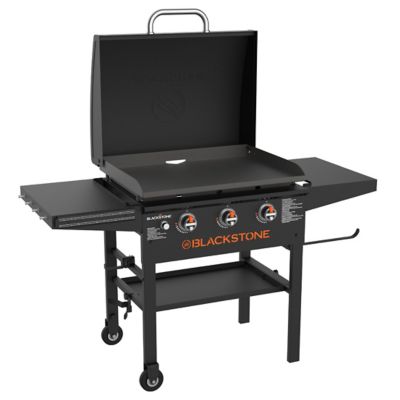
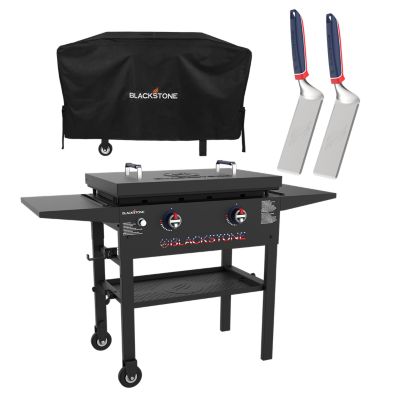
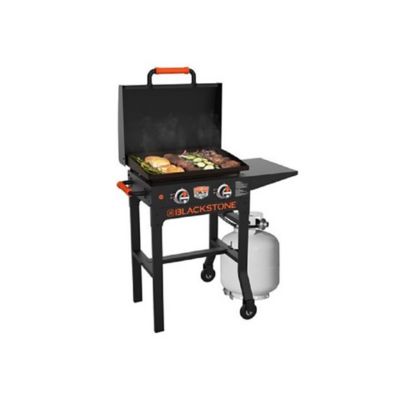
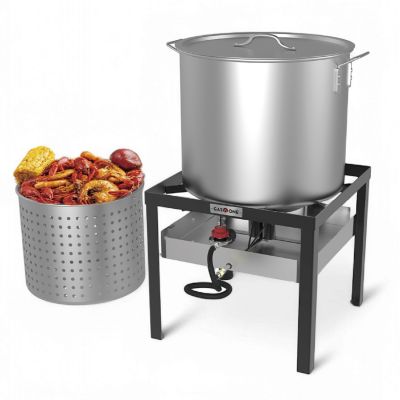
Kitchen burners supply the heat for everything from a skillet of eggs before chores to a pot of soup after a long day outside. The main types include gas burners, electric coil burners, smooth glass-ceramic radiant elements, and induction cooking surfaces. Each brings a different kind of heat control to the kitchen, and the best fit depends on the cookware, cooking space, and power or fuel connection at hand. Gas burners run on natural gas or propane, with a visible flame that responds promptly when the control turns. The appliance must match its fuel supply, and any conversion requires manufacturer approval and the specified parts. Electric coil burners heat metal elements beneath the pan, while radiant burners send heat through a smooth cooking surface. Both hold heat after the setting changes, something worth keeping in mind when gravy needs to settle from a bubble to a gentle simmer. Induction burners create a magnetic field that heats compatible cookware directly, offering quick response without an open flame. Their surfaces can still get hot from contact with the pan and should never be assumed safe to touch after cooking. Portable single and double burners provide another cooking spot without taking up the room of a full range. They can suit a small kitchen, an approved breakroom cooking area, or a household that needs a separate place for side dishes during family meals. Built-in burners and cooktops serve a more permanent role, with installation dimensions, ventilation, and utility connections shaping the fit. During the cooler months, an extra cooking surface can keep beans simmering while the main stove handles cornbread, vegetables, and the rest of supper. Indoor kitchen burners and outdoor cooking burners are not interchangeable, though. An outdoor-only propane burner belongs outside, never in a house, garage, or other enclosed space, even with a door or window open.
Cooking performance has as much to do with the pan and the task as it does with the burner itself. A smaller heating area suits a saucepan of butter or a modest pot of oatmeal, while a larger burner better supports a broad skillet or a pot of water. Matching the pan base to the heating area helps deliver steady heat without sending flames up the sides or leaving a wide pan with a hot center and cooler edges. Gas burner output is commonly listed in British thermal units per hour, often shortened to BTU, while electric and induction input is generally listed in watts. Those figures describe energy output or input, but they do not tell the whole story about cooking speed or temperature control across different technologies. A steady low setting matters for sauces and slow simmering just as much as strong heat matters for bringing water to a boil. With a double burner, pan spacing also matters: two cooking zones do little good if a skillet handle crowds the neighboring pot or both pans cannot sit flat at once. Cast iron and many stainless steel pans work with induction, but aluminum, copper, and glass cookware generally need a compatible magnetic base. A magnet that sticks firmly to the bottom is a useful starting check, followed by the appliance’s cookware requirements. Flat bottoms help pans make proper contact with electric coils and smooth surfaces, and lifting a heavy cast iron skillet rather than sliding it helps protect glass-ceramic tops from scratches. Materials affect everyday handling, too. Cast iron grates provide substantial pan support, stainless steel housings can be straightforward to wipe down, and smooth tops offer fewer places for crumbs to collect. Overall footprint, clearance around the appliance, control placement, cord reach, and rated weight capacity all deserve attention before a burner becomes part of the kitchen routine. Large stockpots and canners need special consideration because some portable burners cannot support their weight, base size, or long heating cycles. Canning calls for equipment that meets both the canner and burner manufacturers’ requirements, along with a tested food-preservation method.
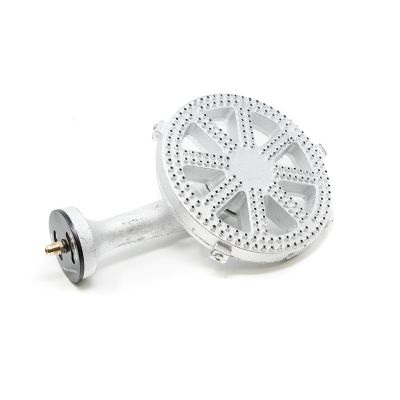
Kitchen burners earn their place through repeated meals, so construction and care matter beyond the first pot of coffee water. Stable feet, well-supported grates, firmly seated elements, and controls that are easy to read can make everyday cooking feel less fussy. A countertop burner needs a level, heat-resistant surface with the clearances specified by its manufacturer, away from dish towels, curtains, and splashing water. Electric models also need an outlet and circuit suited to their electrical demand; a crowded circuit shared with other high-draw appliances can trip a breaker. Direct connection to an appropriate wall outlet is generally the preferred setup, with the appliance instructions governing electrical connections. For gas cooking, proper installation and ventilation remain important whether the kitchen serves two people or a table full of farmhands. Regular cleanup helps keep cooking surfaces ready for the next meal. Once the appliance is off and fully cool, spills can be cleared before they bake on again. Gas burner ports need to stay free of food residue, and removable caps must sit correctly for an even flame. Replacement
Burner Heads must match the appliance’s specified design and fuel requirements rather than simply look close in size. Electric drip pans collect crumbs and boilovers, while glass-ceramic surfaces call for cleaning tools and cleaners approved for that surface. Electrical housings should never be submerged, and harsh scraping can damage finishes or cooking tops. For households feeding a busy family, a burner with manageable cleanup and a useful range of heat settings can be a practical addition to the daily routine. A portable indoor burner may also make a thoughtful housewarming gift for someone setting up a smaller kitchen, provided their space, cookware, and electrical setup suit it. Whether the job is warming cider, frying potatoes, or keeping a second pot going while supper comes together, a well-matched kitchen burner adds cooking room where it counts without asking the rest of the kitchen to work around it.