Infrared Saunas for Home

After a long day of chores, a little downtime goes a long way. Shop home infrared saunas at Tractor Supply, with one- and two-person Westinghouse models for solo breaks or shared relaxation. Compare seating capacity, heating panels and controls, then check each model’s dimensions and setup requirements to find the right fit for your home.

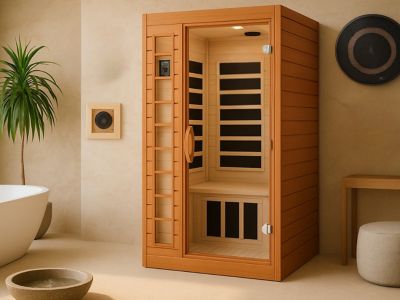
Westinghouse Infared Sauna for 1
Westinghouse Westinghouse Infared Sauna for 1
A hemlock wood infrared sauna with LED color therapy lights, digital controls, and built-in Bluetooth audio.
(0)
$2498.99 $2498.99
SALE
$2498.99 $2498.99
SALE
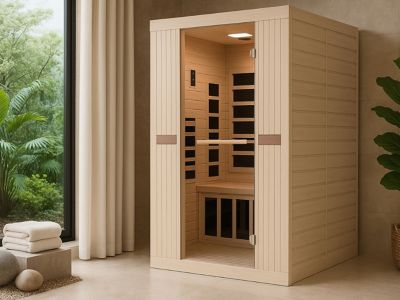
Westinghouse Infared Sauna for 2, Natural
Westinghouse Westinghouse Infared Sauna for 2, Natural
A natural Hemlock wood infrared sauna featuring LED controls, color therapy lights, and Bluetooth audio capability.
(0)
$3298.99 $3298.99
SALE
$3298.99 $3298.99
SALE
Home infrared saunas offer a quiet spot to sit down and unwind after a day of feeding animals, hauling supplies or working on your feet. An infrared sauna uses radiant heating panels to warm the body directly, rather than relying mainly on heated air the way a traditional sauna does. The air inside still warms up, but many home infrared saunas operate at around 120°F to 140°F, with settings and operating ranges that vary by design. That gentler air temperature can appeal to people who find a traditional sauna’s hotter environment uncomfortable, though personal heat tolerance still matters. Sweating varies from person to person and is not a measure of how well a sauna works. Cabin-style saunas provide an enclosed seating area, typically with a wood bench, interior lighting and a glass door or window. Portable infrared enclosures and sauna blankets offer different ways to enjoy a heat session, with their own requirements for positioning, storage and cleanup. For a permanent cabin, seating capacity is only part of the fit. A one-person enclosure may suit someone who wants an uninterrupted break, while a two-person or larger cabin gives another household member room to join in. Interior bench width, seat depth, headroom and legroom tell more about comfort than a capacity label alone. A tall person may need extra space between the bench and ceiling, while someone who prefers to stretch out needs enough usable bench length to do so. Door placement also affects everyday convenience, especially in a spare room or home gym where exercise equipment already takes up floor space. Exterior measurements, the door’s swing and the manufacturer’s clearance requirements all contribute to the space a sauna actually needs. The route into that room matters, too: packaged panels must make it through doorways, around corners and up any stairs before assembly can begin.

Wood choice helps shape the feel of a home infrared sauna as well as its upkeep. Hemlock and cedar are common cabin materials, with differences in grain, color and natural scent. Cedar often has a noticeable aroma, while hemlock generally has a lighter scent; anyone sensitive to wood fragrances may want to consider that distinction. Smooth bench surfaces, neatly fitted joints and a door that closes properly all contribute to a comfortable enclosure. Glass panels can make a compact cabin feel less closed in, while more enclosed wood walls offer greater privacy. Inside, heater placement influences where radiant warmth reaches the seated body. Back, side, leg and floor heating zones vary, so the layout deserves attention alongside the number of heaters. Carbon panels and ceramic heating elements are common technologies, but the element type alone does not describe the whole sauna experience. Panel coverage, controls, insulation and the distance between the seat and heaters also matter. Far-infrared, mid-infrared and near-infrared refer to different wavelength bands; full-spectrum generally describes a combination of bands. Those labels do not, by themselves, establish a health benefit. Lighting features likewise serve a different role from the heating system and should not be mistaken for medical treatment. Straightforward controls, an easy-to-read display and an automatic session timer can make regular operation simpler. Electrical requirements are another important distinction between cabins. Some smaller infrared saunas connect to a properly grounded 120-volt household outlet, while others require a dedicated circuit or a different electrical supply. Voltage alone does not determine whether an existing outlet and circuit are suitable. The manufacturer’s instructions govern installation, including circuit capacity and any restrictions on extension cords or power strips. A qualified electrician can assess the connection when needed. Indoor cabins belong in a dry location with suitable flooring, ventilation and structural support for both the enclosure and its occupants. A garage or outbuilding is suitable only when its conditions meet the sauna manufacturer’s installation requirements.

Regular care helps keep an infrared sauna pleasant to step into and protects its wood surfaces and electrical components. A clean towel on the bench catches perspiration, and a separate towel beneath the feet can help keep the floor tidy. Towels should stay clear of heaters and ventilation openings. After the cabin is switched off and allowed to cool, exposed seating surfaces can generally be wiped with a soft cloth lightly dampened with water, followed by drying and ventilation as directed by the manufacturer. Cleaning instructions vary, especially for glass, finished trim and portable fabrics. Soaking the wood, spraying liquid near controls or applying household finishes without approval can damage parts of the enclosure. Infrared heaters are not sauna stones, and water should not be poured onto them to create steam. Hinges, latches, cords and connections also deserve occasional attention according to the care instructions, with damaged electrical parts left out of service until properly addressed. Comfortable sessions depend on sensible habits as much as cabin features. Drinking water, beginning with shorter sessions within the manufacturer’s limits and leaving promptly if dizziness, nausea or discomfort develops are important precautions. Alcohol and sleeping inside a sauna do not mix with safe operation. Pregnancy, heart conditions, medications that affect sweating or blood pressure, and other health concerns call for guidance from a healthcare professional before sauna use. A timer does not replace supervision or personal judgment. As a substantial gift for a partner or another household member, a home sauna is best chosen together so the seating, access, electrical needs and care routine fit the recipient’s home. For a broader relaxation space, Infrared Electric Fireplaces offer room warmth and flame effects, serving a different purpose from an enclosed sauna. Each appliance has its own placement and clearance requirements, leaving room for a comfortable space without crowding doors, walkways or ventilation openings.

FAQ

Back to top