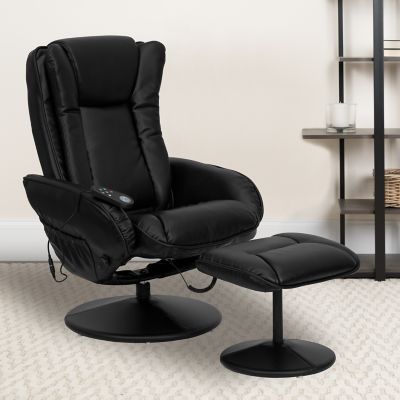
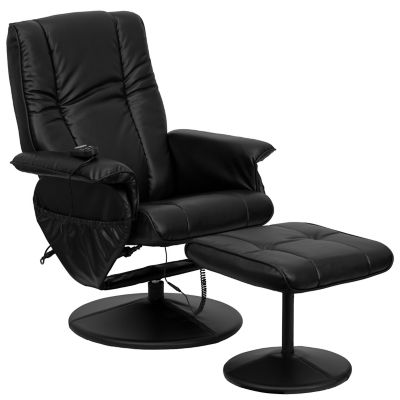
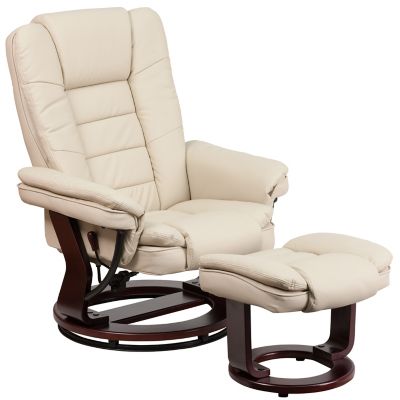
Home massage chairs bring a place to sit back and unwind into the living room, den, or another comfortable corner of the house. After hours on your feet, a long drive, or an afternoon tending to chores, a chair with adjustable massage settings can make a short break feel more restful. These powered recliners vary in how much of the body they reach and how their massage mechanisms move. Compact massage recliners generally take up less floor space, while larger full-body designs may include separate areas for the arms, calves, and feet. Back rollers create kneading, rolling, or tapping sensations, and inflatable air chambers provide rhythmic compression around supported areas. The roller track helps determine where that movement travels. An S-track follows the natural curves of the back; an L-track extends from the back beneath the seat; and an SL-track combines a curved back path with extended coverage under the seat. The exact reach depends on the chair’s design, so track labels tell only part of the story. Roller descriptions matter, too: 2D systems generally move vertically and side to side, while 3D systems add depth adjustment for a stronger or gentler feel. Systems described as 4D typically add changes in speed and rhythm, although those labels can mean different things across manufacturers. Adjustable intensity and separate zone controls can matter more than the number of programs, especially in a household where one person likes light pressure and another prefers a firmer session. Preset programs offer a straightforward starting point, while manual controls let someone focus on a particular area or skip a sensation they do not enjoy. Built-in heat, when included, adds warmth at designated locations rather than necessarily throughout the chair. Clear controls, an easy-to-reach pause button, and settings that can be changed without sitting forward help keep the experience comfortable from start to finish.
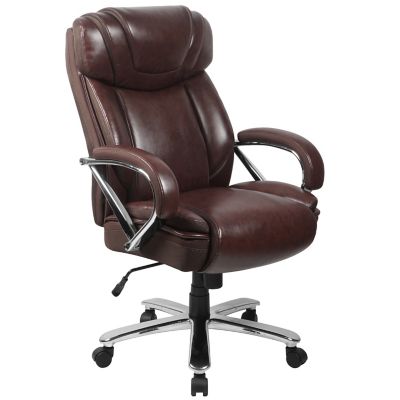
The best fit for a home massage chair depends on both the person sitting in it and the room around it. Seat width, shoulder spacing, backrest height, and footrest length all affect where the massage mechanisms meet the body. A tall adult may need an extending footrest, while someone with a shorter frame may find that deep seating puts the shoulder rollers too high. Listed height and weight limits deserve close attention, particularly when several family members will share the chair. Body-scanning features can adjust roller positioning on some designs, but they do not replace checking the stated fit range. Recline also changes the experience. A zero-gravity position raises the legs and reclines the back to distribute body weight across the chair; it describes a seating position, not the absence of gravity or a guaranteed health benefit. Some chairs offer multiple recline positions, and others move forward as they lean back to reduce the clearance needed behind them. Even with that space-saving movement, the fully extended footprint can be much larger than the upright footprint. Measuring the room with the footrest extended helps keep walkways, doors, and nearby tables clear. Delivery access matters just as much: door openings, hallway turns, stairways, and the chair’s assembled dimensions can determine whether it reaches its intended spot. A level floor, a suitable nearby outlet, and enough room to step in and out without squeezing past furniture make everyday use easier. Follow the electrical requirements in the manual, and keep power cords out of walking paths. For a separate work area,
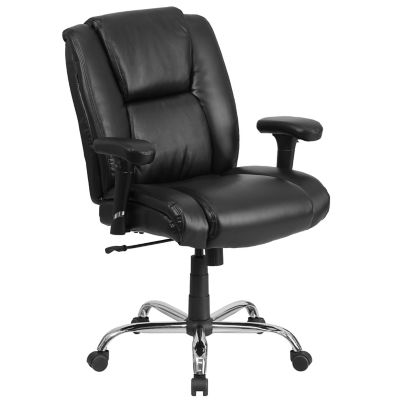
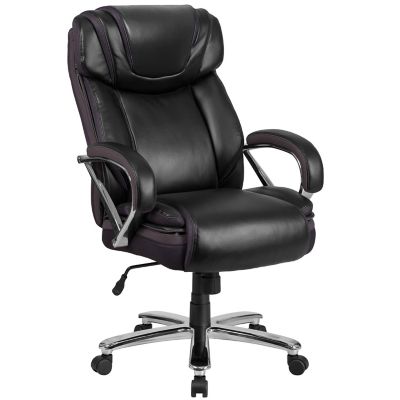
Ergonomic Executive Desk Chairs are designed around desk tasks rather than reclining massage sessions. Keeping those roles separate helps match each chair to the time spent in it. A massage chair belongs where someone can settle in, reach the controls, and get back up comfortably without rearranging the room each time.
Materials and care affect how a home massage chair feels day after day, especially in a busy household. Upholstery may include synthetic leather, genuine leather, fabric, or a combination of surfaces, with different cleaning needs for each. Smooth coverings can make routine wiping straightforward, while fabric texture may appeal to someone who prefers a softer seating surface. Neither appearance nor thickness alone tells the whole story about how a covering will hold up. Seams, high-contact areas around the arms, and the surfaces where heels rest are worth considering alongside the manufacturer’s care directions. Dust and grit brought in on work clothes can collect in creases, so a quick brush-off before sitting down helps protect the upholstery. Remove sharp tools from pockets, keep belt attachments away from the seat, and avoid stepping into foot compartments with muddy boots. For cleaning, turn off and unplug the chair as directed, keep moisture away from controls and electrical parts, and follow the instructions for approved cleaners. Leather treatments, strong household cleaners, and oily sprays are not suitable for every material. Check accessible cords and moving sections periodically, and stop operation if a cord becomes damaged or the chair develops an unusual mechanical sound. Children and pets should stay clear of moving footrests and reclining mechanisms, including the spaces beneath them. Short sessions at a gentle setting provide a sensible introduction, with session length guided by the chair’s instructions and personal comfort. Massage should not hurt, and stronger pressure is not automatically better. Anyone who is pregnant, has an implanted medical device, or has a health condition that may make massage unsuitable should check with a healthcare professional before use. As a gift for a parent, partner, or someone settling into retirement, a massage chair calls for a little planning around body fit, floor space, and personal preference. The right match is a chair that fits the household’s routines and makes a comfortable break easy to enjoy.