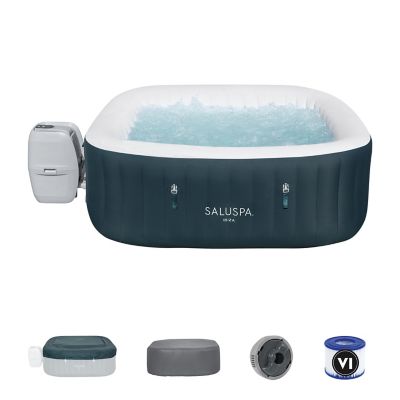
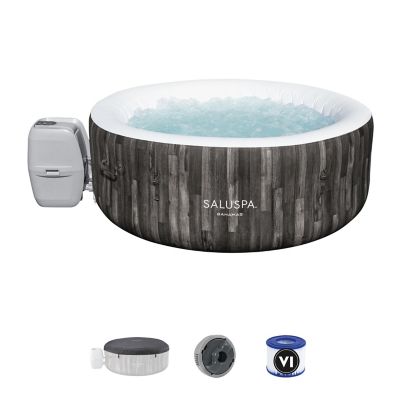
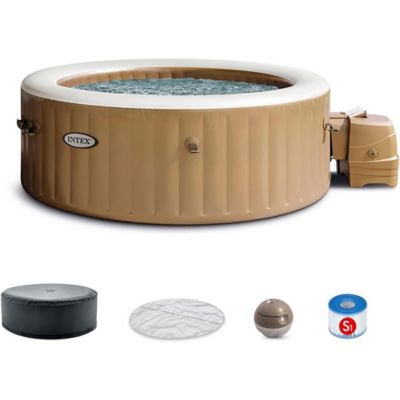
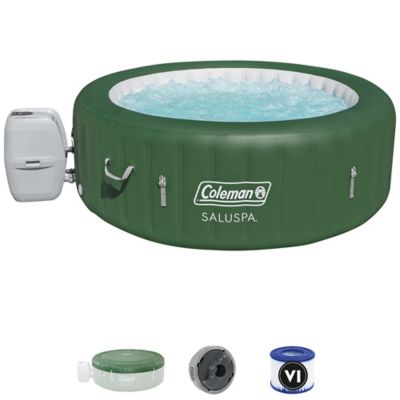
Inflatable hot tubs bring a comfortable place to unwind to a backyard, patio, or another suitable space without the permanent shell and installation work of a built-in spa. After a day tending livestock, working in the garden, or spending hours on your feet, a warm soak offers a welcome change of pace. These portable spas generally pair an air-filled tub with a pump, heater, and filtration system, though construction and features vary by model. Reinforced PVC and layered materials help the walls hold their shape, while welded seams and protective ground coverings help protect areas that take regular contact. Material thickness, seam construction, and the manufacturer’s care requirements all matter when comparing tubs for everyday household use. Round shapes make it easy to sit facing each other, while square designs may suit the layout of a patio or leave more defined spots for seating. Stated person capacity is a starting point rather than a promise of elbow room: a tub rated for several adults may feel more comfortable with fewer bathers, especially when everyone wants to stretch their legs. Interior dimensions tell more about soaking space than the outside measurements alone. Wall height, water depth, and the height of the entry also affect how easily someone can get in, settle down, and climb back out. Many inflatable spas have a cushioned floor rather than raised seats, so the seating position can feel different from a hard-shell hot tub. Air-bubble systems send streams of bubbles through the water, while models with water jets offer a different kind of massage action; the two systems are not interchangeable features. Pump sound, control placement, and access to the filter housing are worth considering alongside the soaking experience. For a couple sharing a quiet evening or friends catching up after chores, the best fit is a tub with enough room for the people who will actually gather there, not simply the largest capacity printed on the package.
Setup requirements are another important part of choosing an inflatable hot tub. On models with a built-in inflation function, the pump and supplied inflation hose fill the air chambers, and inflation often takes about 5 to 20 minutes, depending on the model. That estimate covers inflation only, not filling the tub with water or heating it for a soak. Some designs have a different pump arrangement, so the included instructions determine which connections and inflation method apply. A level, smooth, load-bearing surface is essential because a filled spa, its equipment, and the people inside create a substantial load. A ground-level concrete pad may be suitable when its condition and dimensions meet the spa’s requirements, but a raised deck needs a load assessment rather than a guess based on appearance. Gravel, sharp edges, and uneven ground can damage the bottom or leave the tub sitting improperly. A manufacturer-approved ground mat adds a protective layer, but it cannot correct a weak or sloping base. The footprint also needs to include room for the pump unit, safe entry, cover removal, and access for routine maintenance. Electrical requirements deserve the same attention as measurements. The spa needs the power supply and ground-fault protection specified by its manufacturer, with the cord connected as directed rather than stretched across a walkway or attached to an extension cord. Water access and a suitable drainage route matter, too, particularly when the closest hose connection is across the yard. Indoor placement brings additional concerns about floor loading, ventilation, splashes, and moisture management; an inflatable design does not make those requirements disappear. Heating takes longer than inflation, and the starting water temperature, water volume, heater output, and cover all affect how long the process takes. A properly fitted cover helps limit heat loss and keeps leaves and other debris out between soaks. Clear access to controls and enough space to handle the cover make the whole arrangement easier to live with.
Regular water care keeps an inflatable spa inviting and helps its components perform as intended. Filtration catches suspended debris, but it does not replace sanitizer or balanced water. Test strips or a suitable test kit help track sanitizer, pH, and other readings specified for the spa, while treatment chemicals need to match the manufacturer’s directions. Small water volumes can change noticeably after several people soak, making consistent checks more useful than judging the water by its appearance. Filter cartridges need cleaning and replacement at the intervals listed for the system, and lotions, dirt, and detergent residue can add to the cleaning load. A quick rinse before getting in and a clean path from the house to the tub help keep grass clippings and soil out of the water. Covers need care as well: keeping them clean, checking fasteners, and preventing standing water from collecting on top help preserve their function. A cover is not a substitute for barriers or close supervision, and children should never have unsupervised access to a filled spa. Bathers should follow the manufacturer’s water-temperature and session-length limits, and anyone with health concerns should ask a healthcare professional about hot-tub use. For households that plan to pack the tub away between stretches of use, drainage, cleaning, and thorough drying are part of ownership. Folding a damp liner into storage can lead to unpleasant odors and mildew, while dragging it across rough ground can harm the material. Repairs also require a patch method approved for the liner rather than a general-purpose adhesive chosen on a whim. Accessories need to match the spa’s model and connections, a useful detail to keep in mind when browsing
MSPA Hot Tub Accessories. For a household considering an inflatable hot tub as a shared gift, confirming space, electrical access, and willingness to handle water care makes the gesture more thoughtful. With those practical details settled, a portable spa can become a comfortable gathering spot that fits naturally into life at home.