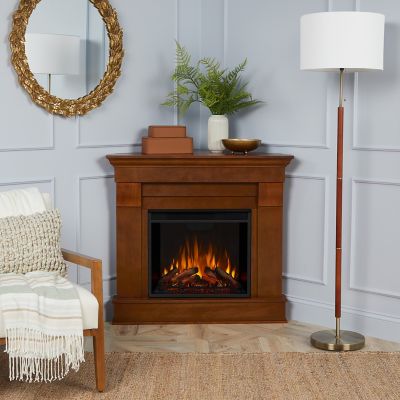
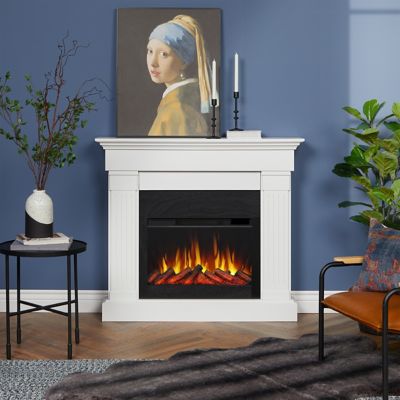
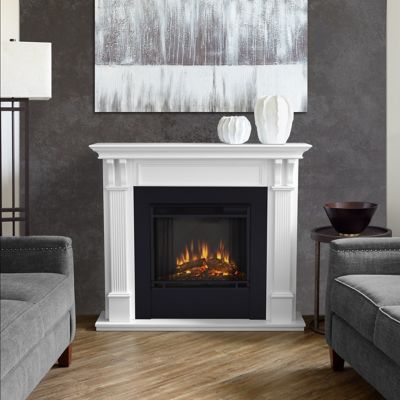
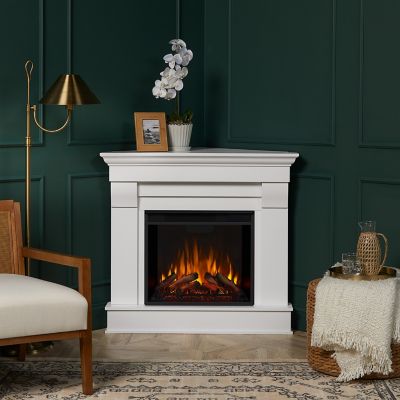
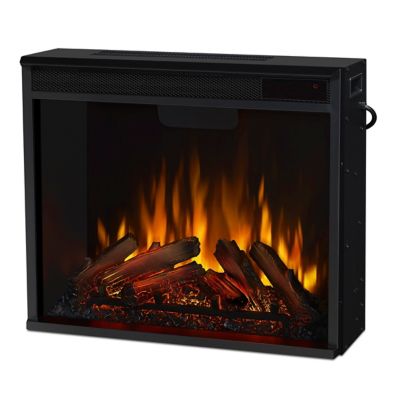
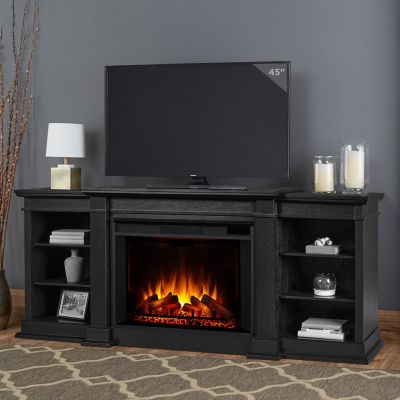
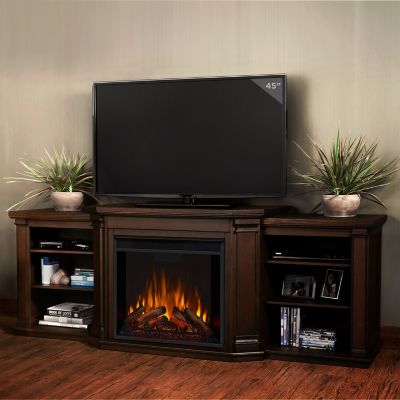
An infrared electric fireplace pairs the look of a fire with supplemental heat, without burning wood or gas. Inside, an electric heating element, often housed in quartz tubes, gives off infrared energy that warms people and surfaces it reaches. That’s why the warmth can be easier to feel in an armchair facing the fireplace than in a spot behind the sofa. Some designs also have a fan to move warmed air, so infrared doesn’t always mean fan-free. The flame effect comes from lighting rather than combustion, with flickering flames over a log set or ember bed and no smoke, ash or chimney to tend. On fireplaces with separate flame and heat controls, the glow can stay on with the heater off, handy when the room already feels comfortable. With the heater on, an infrared fireplace is best suited to adding warmth where people spend time rather than replacing the main heating system. A heater drawing 1,500 watts delivers about 5,100 BTUs per hour at full output, but that number alone won’t tell you how much of an open living area it can warm. Ceiling height, insulation and the way the room opens into the rest of the house all make a difference. A fireplace facing the seating area in a snug den may take the chill off that spot more readily than one set at the far end of a room with a vaulted ceiling. And while an electric fireplace doesn’t remove moisture from the air, relative humidity can still drop as the room warms. The main difference is where the warmth goes first: Radiant heat can reach the chair where someone sits to sort seed packets or watch a ballgame without waiting for the whole room to warm up. In a room where people tend to gather in the same few seats, that can matter more than the total square footage.
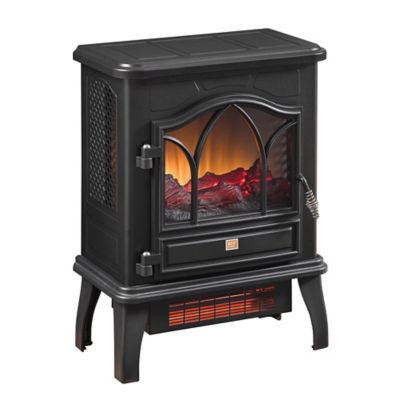
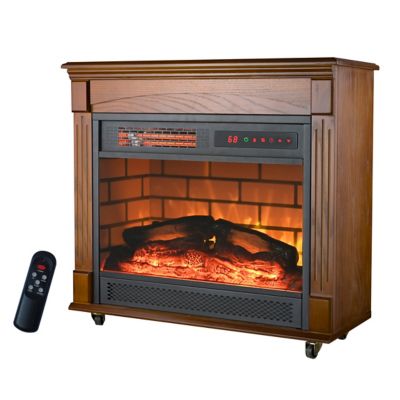
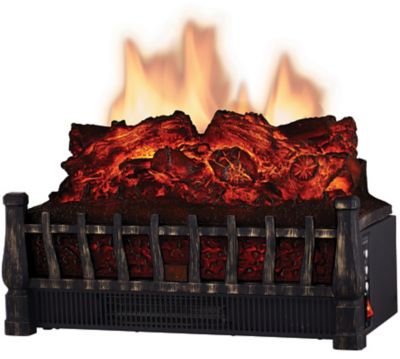
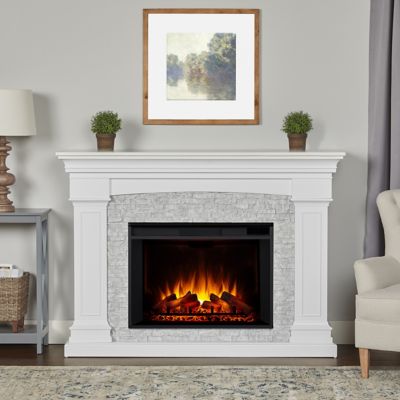
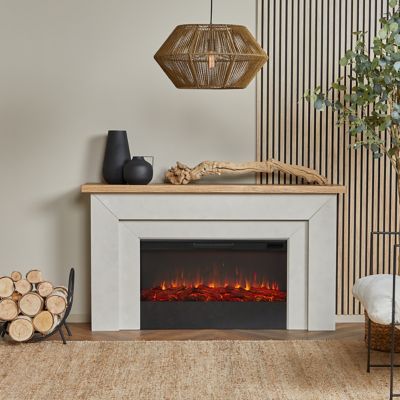
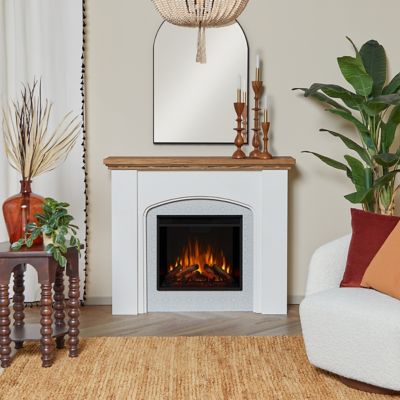
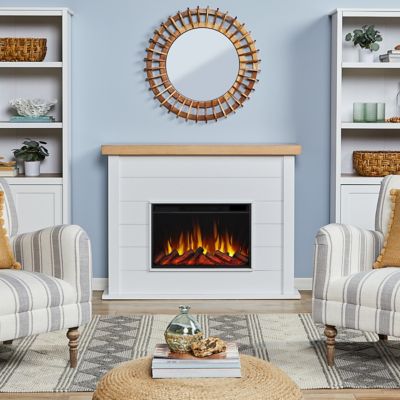
Freestanding infrared electric fireplaces, inserts and wall-mounted styles fit different spaces. A freestanding stove-style fireplace can bring a hearth look to a room that doesn’t have one, as long as there’s enough open floor space and a suitable outlet within reach of the cord. An insert can fit an existing fireplace opening or a compatible surround, but the opening has to suit the firebox in depth as well as width and height. A wide hearth doesn’t guarantee enough room farther back, especially if the opening tapers. Wall-mounted and recessed designs can leave more floor space open in a narrow family room. Whether a fireplace hangs on the wall or fits flush inside it depends on how it’s designed to mount and where it vents. The depth of the cabinet matters in a busy walkway, too, especially where folks pass between the kitchen and the back door. Stove-style housings often come in steel, while mantel cabinets may pair a metal firebox with wood or engineered wood. A glass front gives a clear view of the flame display, and the finish on the surrounding cabinet is worth a look in a room that sees its share of muddy boots and dust. Snug-fitting panels, a steady base and trim that’s easy to wipe down all make sense for a fireplace that’ll see regular use. Even without a flue, electric fireplaces need the clearances specified by the manufacturer, including room around air openings and space between the heater and curtains, furniture or electronics above the mantel. Plug-in fireplaces call for a suitable wall outlet, not an extension cord or power strip. Hardwired fireplaces have their own electrical requirements, and a wall-mounted design belongs in a recess only if it’s made for that kind of installation.
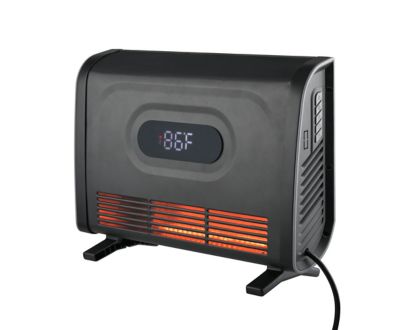
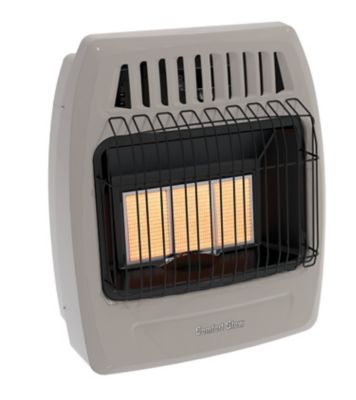
Day-to-day controls can make an infrared fireplace more comfortable to live with. A thermostat can cycle the heater off when the set temperature is reached, while separate flame brightness and heat settings let the fireplace supply a little glow without adding warmth. A low flame setting may be plenty in a den with the TV on, and a remote can come in handy when the fireplace is across the room from the couch. Timers can be useful, but they don’t change the need to keep blankets, baskets and pet beds clear of the heater and its air openings. The glass and the area around the heat outlet may get hot, so a spot out of the path where kids play or the dog likes to stretch out is a better fit than a busy corner. For everyday care, the fireplace should be off, disconnected from power as directed and cool before the exterior gets a wipe with a soft cloth. Dust can collect on grilles, especially near the floor, and the owner’s manual spells out how to clean the vents, what’s safe on the glass and whether there’s a filter that needs attention. There’s no ash pan to empty or chimney to sweep, but keeping air openings clear and checking a plug-in unit’s cord for wear still matter. A freestanding fireplace can make a thoughtful housewarming gift for someone setting up a sitting room or turning a spare room into a place to unwind, provided there’s space for it and a suitable outlet. An insert is a closer fit to the house itself, so it makes more sense when the opening and installation needs are already known. And for a home office or another spot where the warmth matters more than the flame display,
Infrared Heaters offer the same kind of radiant heat without the hearth look.