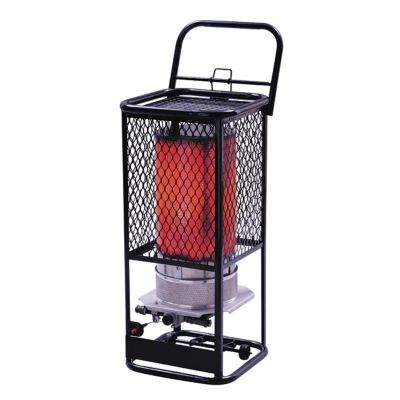
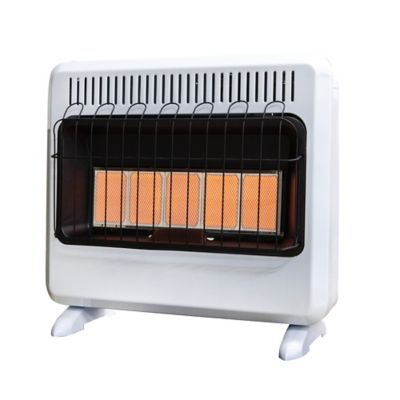
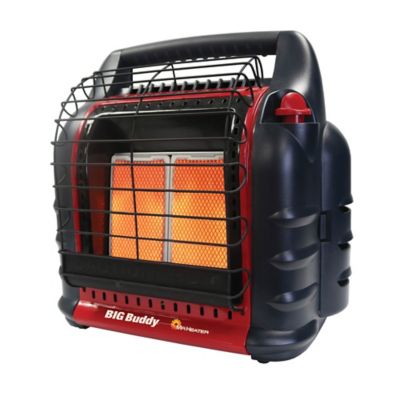
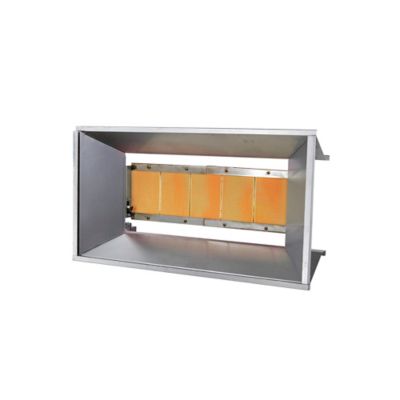
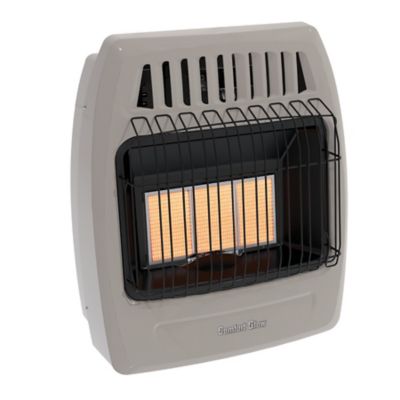
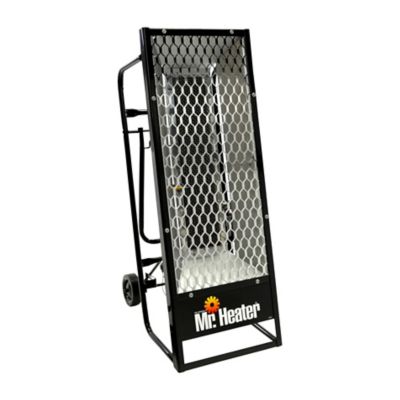
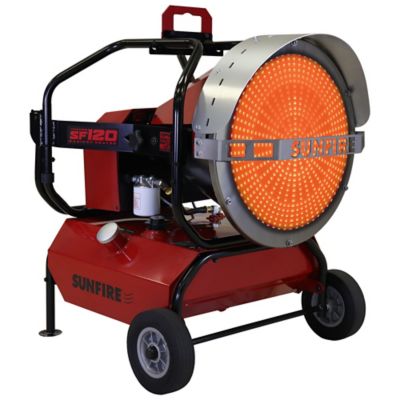
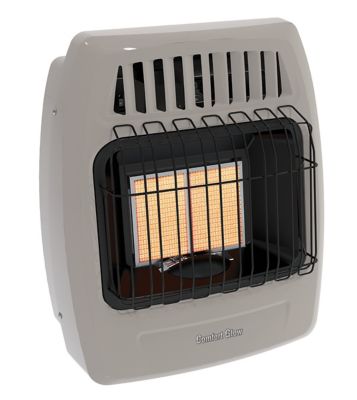
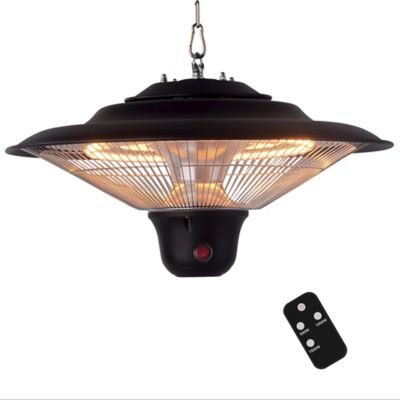
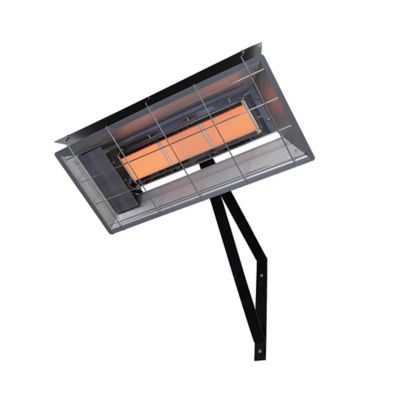
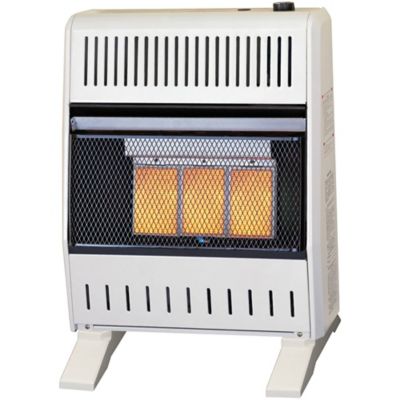
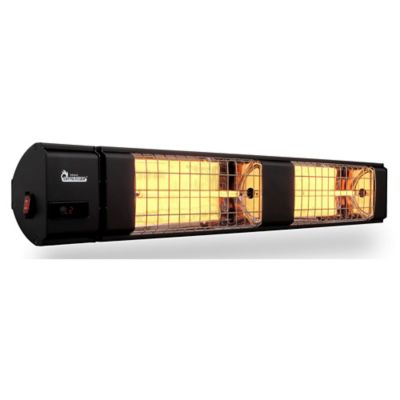
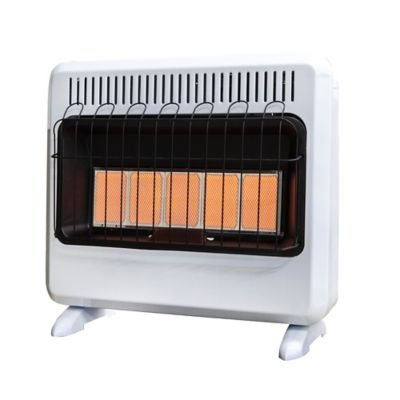
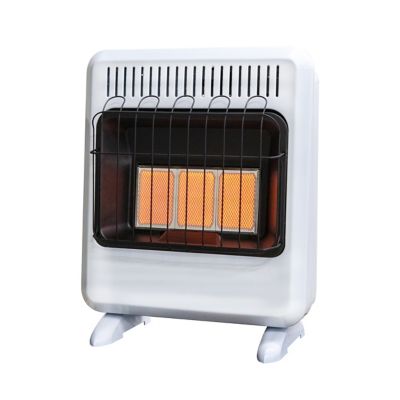
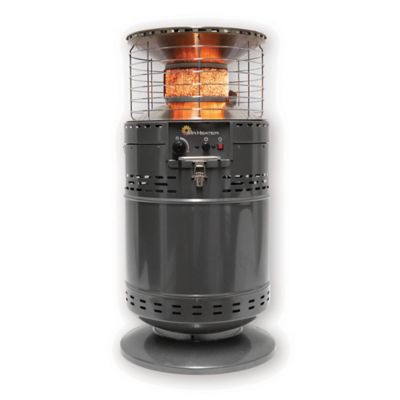
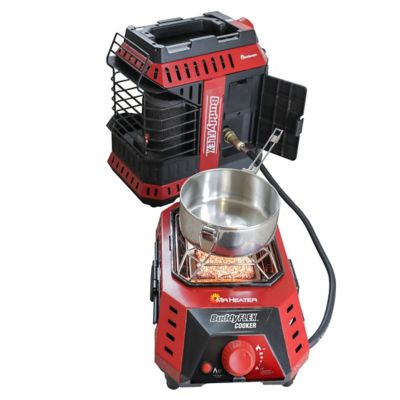
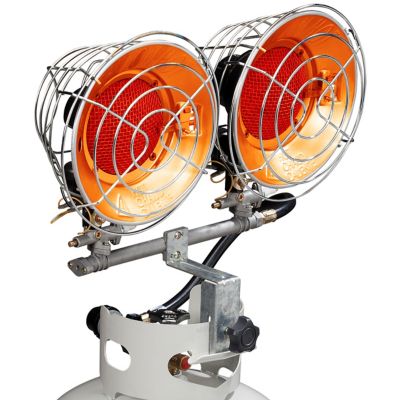
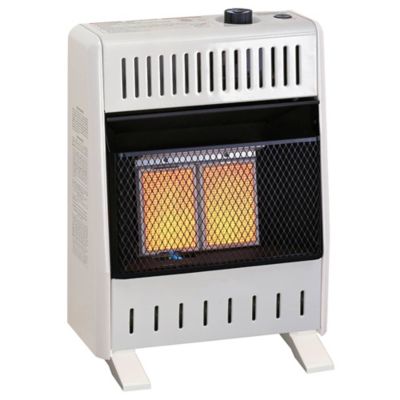
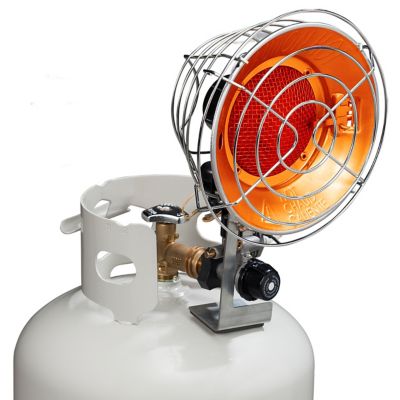
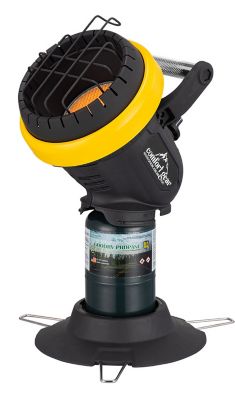
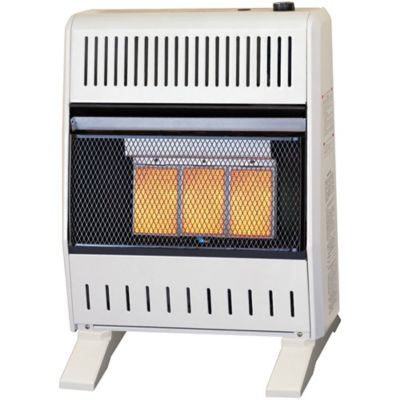
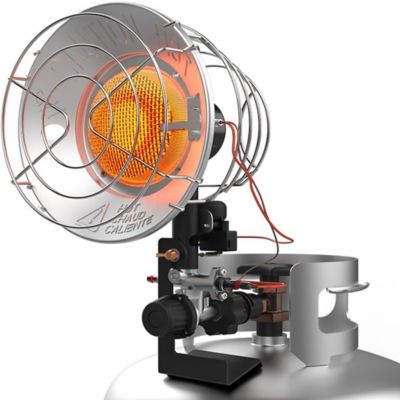
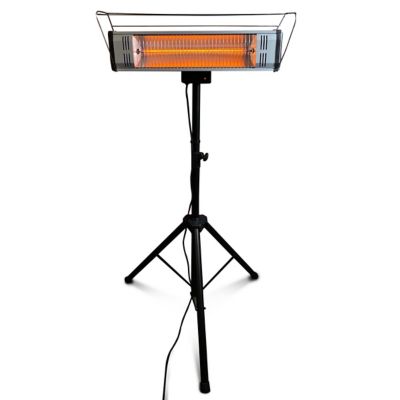
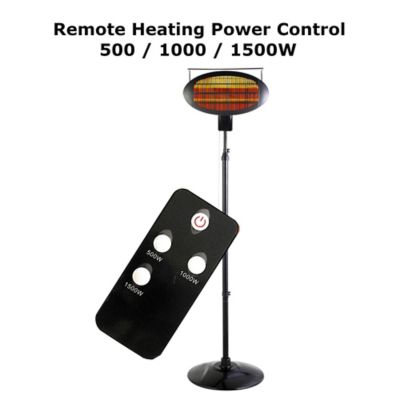
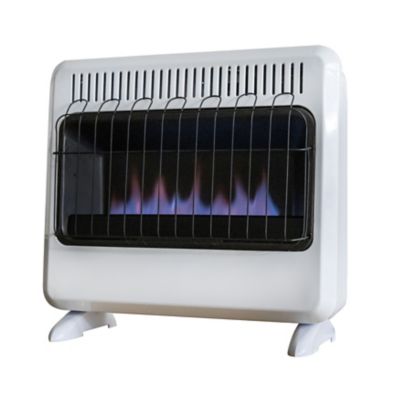
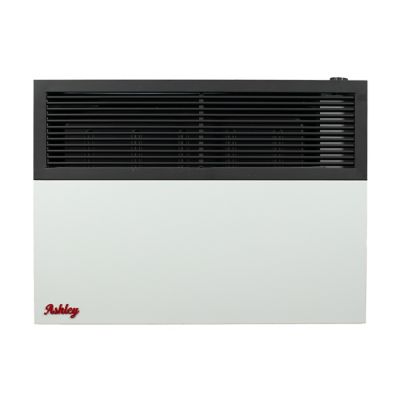
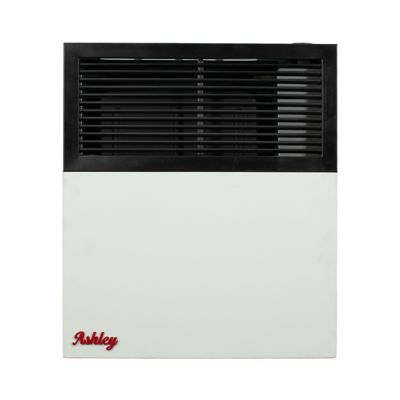
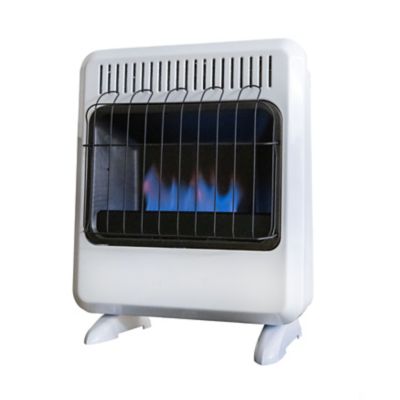
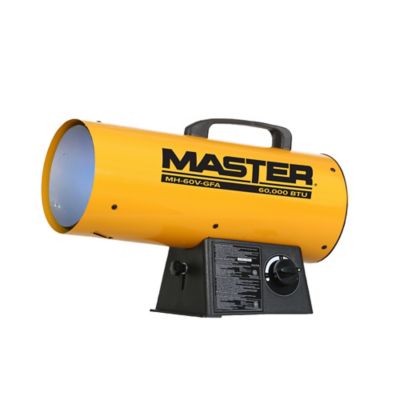
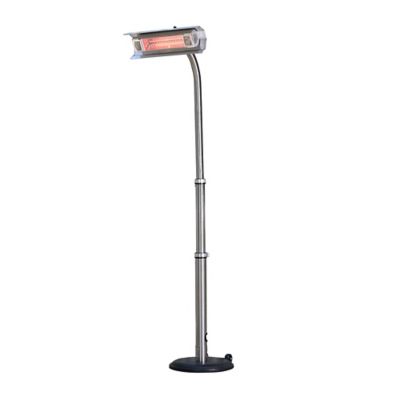
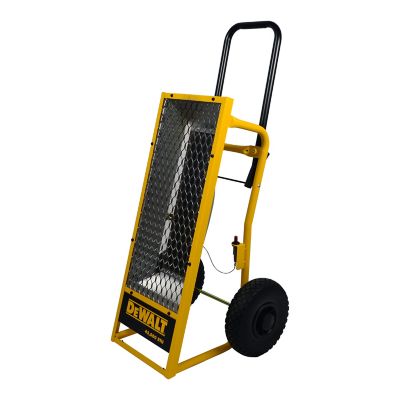
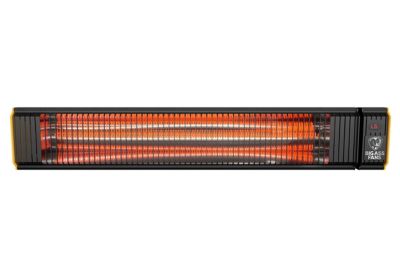
Infrared propane heaters are a practical way to take the chill off a garage, workshop, barn, jobsite, hunting blind, covered porch or other space where a little extra warmth makes a big difference. Instead of heating the air first and waiting for it to circulate, an infrared heater uses propane to create radiant heat that warms people and nearby surfaces directly. That can feel especially handy when you are standing at a workbench, tending animals, loading firewood or getting equipment ready on a cold morning. You may notice the warmth on your hands and coat soon after the heater is running, even when the surrounding air still feels brisk. Because these heaters warm objects and people in their path, they can be a good fit for large or drafty areas where heat from a conventional forced-air system may escape quickly. They are also useful for spot heating, allowing you to warm the part of a building where work is taking place instead of trying to heat every corner. When comparing options, start with the space you want to warm and the type of use you have in mind. A compact heater may suit a small work area or a sheltered outdoor gathering, while a higher-output unit may be better for a roomy shop, barn or warehouse. Propane heaters are commonly rated in British Thermal Units, or BTUs, which describe their heating capacity. A higher BTU rating generally means more heat, but bigger is not always better. An oversized heater can make a smaller space uncomfortably hot and may use more fuel than needed, while an undersized heater can run hard without keeping up. Check the manufacturer’s recommended coverage area, fuel requirements and installation instructions before choosing. You can also browse related options in our
Infrared Heaters selection if you are still comparing radiant heating styles.
The right heater depends just as much on placement and fuel access as it does on heat output. Propane tank-top heaters and other portable designs can be convenient when you need warmth in different spots, such as beside a tractor during a repair, near a chopping block or under a covered outdoor shelter. Mounted and larger shop heaters may provide a more permanent heating solution for a dedicated workspace. Look for controls that are easy to reach, a stable base or secure mounting hardware and a hose or regulator arrangement that matches the recommended propane cylinder. Some heaters are made for small portable cylinders, while others connect to larger refillable tanks; never assume that fittings or fuel sources are interchangeable. It is also worth considering how much room the heater takes up, whether it can be moved safely when cool and how much clearance is required around the sides, top and front. Keep clothing, cardboard, sawdust, bedding, hay, wood shavings and other combustible materials well away from the heat source. A heater that works well in an open-sided shelter may not be suitable for a closed room, tent, camper or barn. Outdoor-only models must stay outdoors, and indoor-rated models still need the ventilation and installation called for in their instructions. Combustion appliances can produce carbon monoxide, an odorless and dangerous gas, so proper ventilation and a working carbon monoxide detector are important wherever propane is burned. Never use a portable outdoor heater inside a home, garage, shed or enclosed building unless the unit is specifically approved for that setting and installed according to the manufacturer’s directions. Do not leave a running heater unattended, and keep children, pets and livestock from bumping into it or getting close to hot surfaces. Before each use, inspect the hose, connections and cylinder for wear, damage or leaks, and shut off the propane supply when the heater is not in use. Store propane cylinders upright in an approved location away from heat, ignition sources and living areas. These simple habits help make a propane heater a dependable part of a cooler-weather setup.
Infrared propane heaters can be useful for all kinds of folks, from a rural homeowner who wants a more comfortable place to work on projects to a farmer who needs a little warmth near a machine shed or covered livestock area. They can also make a thoughtful gift for someone who spends long hours outdoors, including a hunter, angler, mechanic, carpenter, contractor or weekend tinkerer. For a gift, consider the recipient’s usual workspace, the size of the area and whether they already have the correct propane cylinders and accessories. A heater may be especially appreciated by someone whose hands go numb while repairing equipment or who likes to host neighbors around an outdoor table during the cooler months. Still, heat output should never be the only deciding factor. Check whether the intended space is open, partially enclosed or indoors, and match the heater to that setting. Features such as automatic shutoff protection, tip-over protection, flame-failure protection and a sturdy guard can add peace of mind, but they do not replace careful setup or supervision. Read the owner’s manual from beginning to end, follow required clearances and use only the fuel and connections specified for the unit. Place the heater on a level, noncombustible surface, aim radiant heat where people will actually be sitting or working and avoid positioning it where a door, livestock, vehicle or gust of wind could knock it over. On a chilly afternoon, a properly selected heater can turn a cold steel shop into a workable space, make a covered porch more inviting and help outdoor chores feel less punishing. With the right size, safe placement and dependable propane supply, infrared heat offers a straightforward way to stay more comfortable while the weather remains cool.