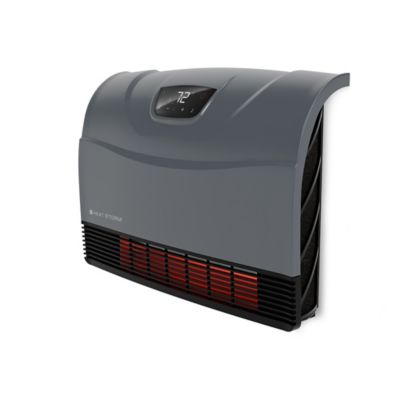
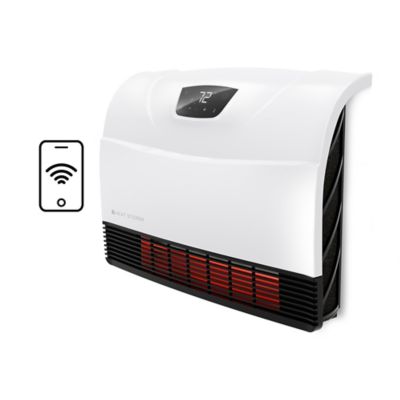
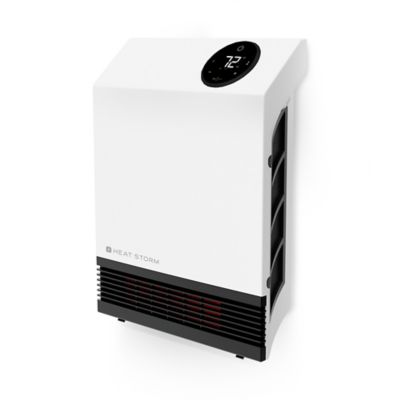
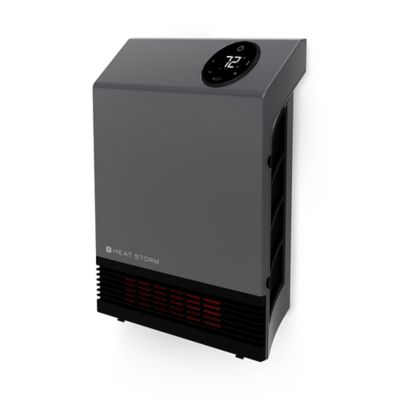
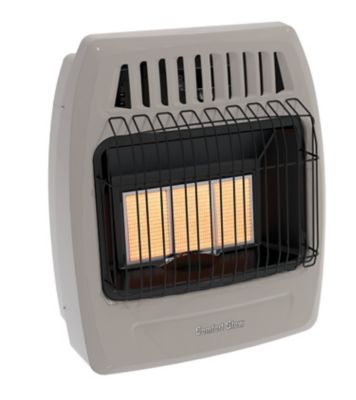
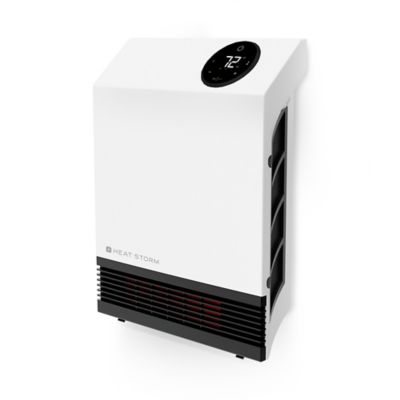
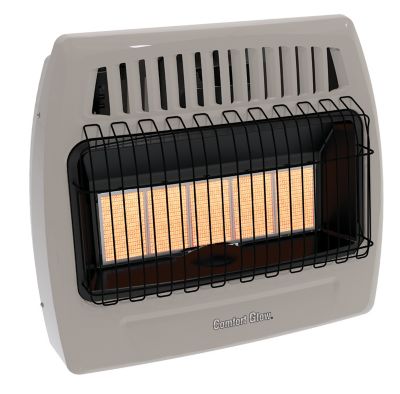
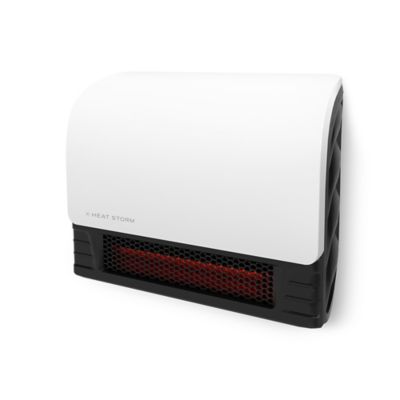
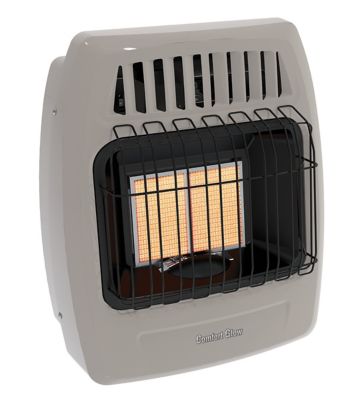
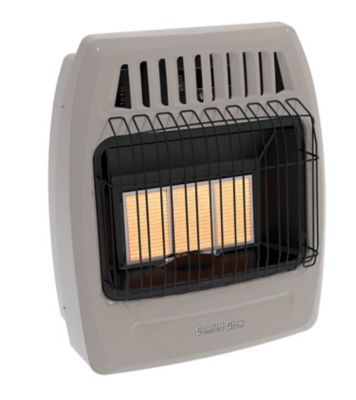
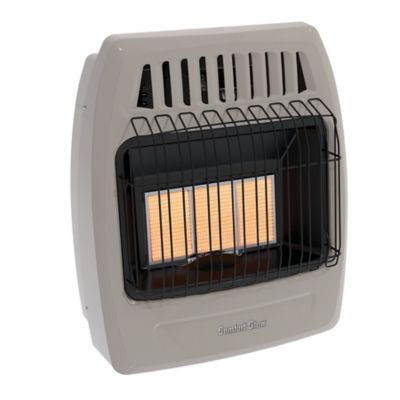
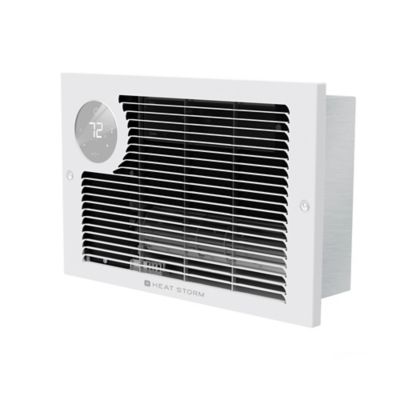
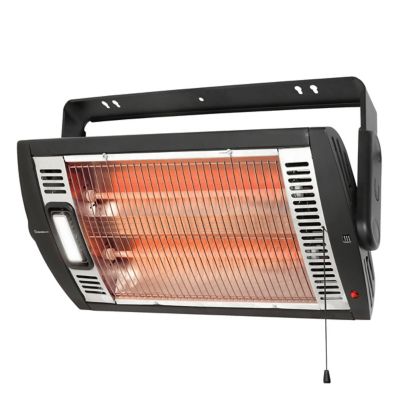
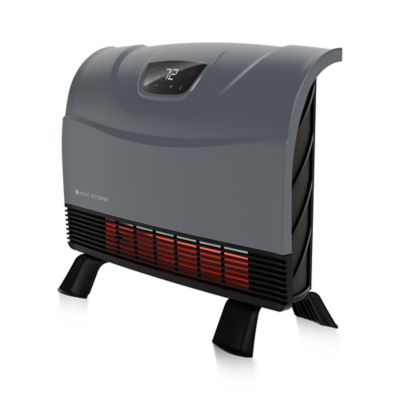
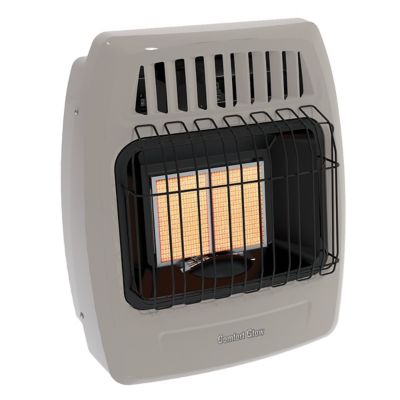
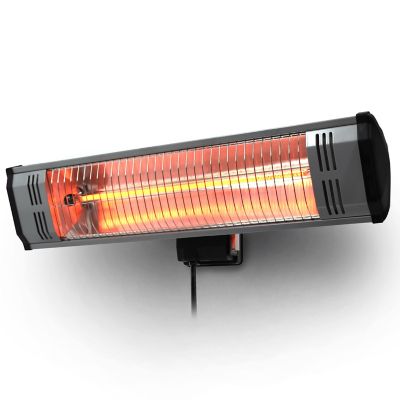
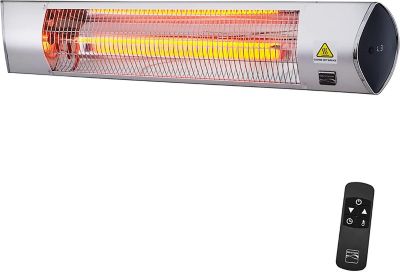
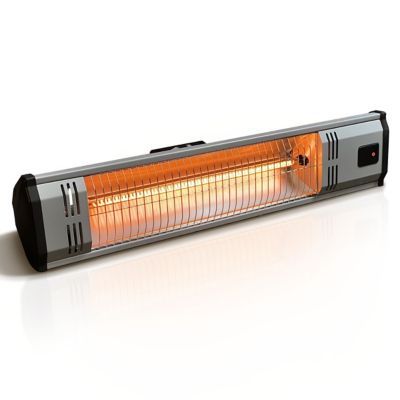
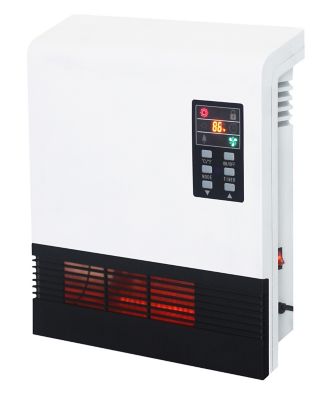
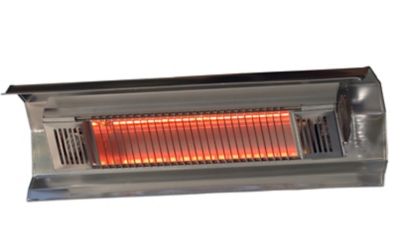
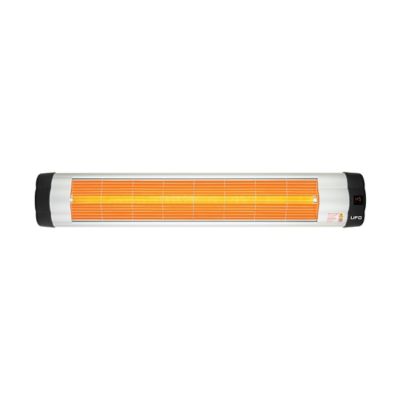
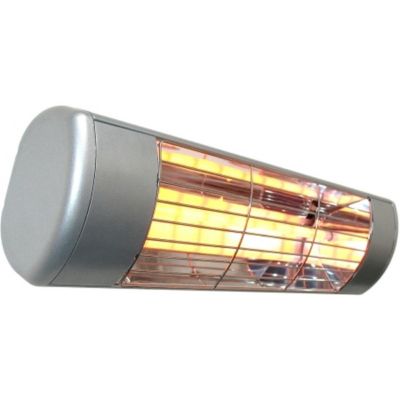
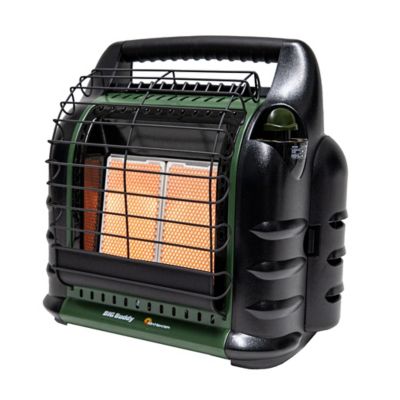
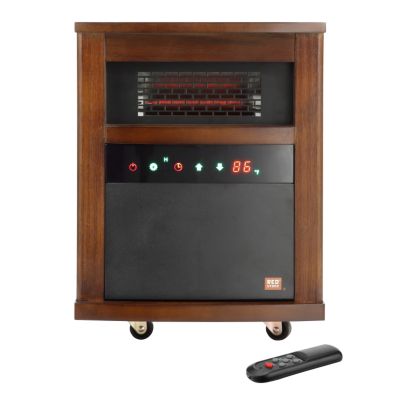
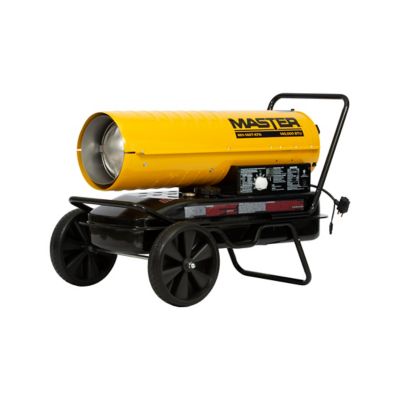
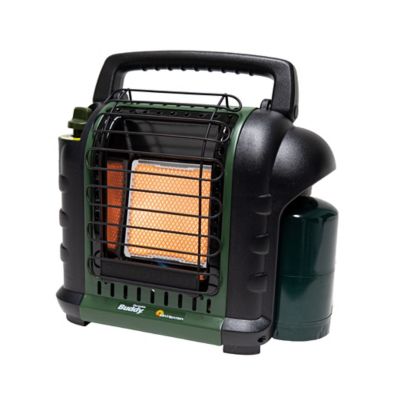
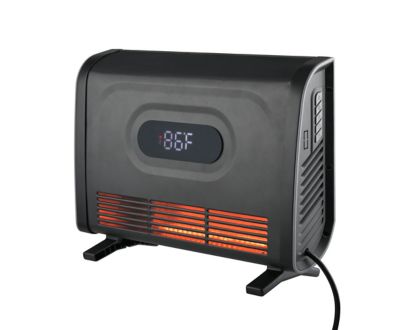
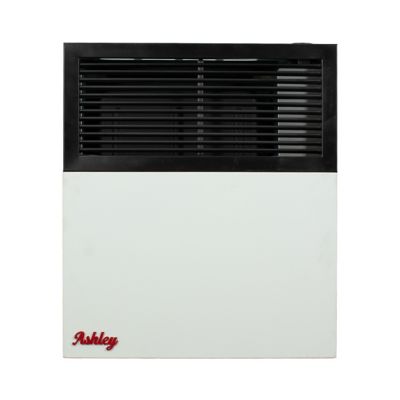
Infrared wall heaters bring focused warmth to rooms where floor space matters, from a home office overlooking the pasture to a workroom off the garage. These heaters transfer energy as radiant heat, warming people and surfaces within reach rather than depending entirely on moving warm air around the room. Some designs also include a fan to help circulate heat, so sound levels and airflow can differ from one style to another. Wall mounting keeps the heater out of the walking path and leaves more room for everyday traffic, though the area around its heating surface still needs to stay clear. Infrared heating can feel especially comfortable near a desk, chair or workbench, provided the installation allows heat to reach that spot without furniture blocking it. Output matters just as much as placement. Electric infrared wall heaters commonly list wattage, while gas models generally show heating capacity in BTUs per hour. For reference, 1,500 watts of electric heat equals approximately 5,100 BTUs per hour; that number describes heat output, not a guaranteed room size. Coverage depends on insulation, ceiling height, windows, drafts and the difference between the starting temperature and the desired setting. A small, insulated office and an unfinished garage can call for very different heating capacity even when their floor measurements match. Room-size claims make more sense when considered alongside those conditions. Many infrared wall heaters serve as supplemental heat, taking the chill off an occupied area without replacing a whole-house heating system. A model intended for primary heating needs sufficient capacity for the space and an installation that meets its listing and local requirements. Panel-style heaters may deliver gentle, broad radiant warmth, while other designs provide a more concentrated heating zone. Warm-up time also varies with the heating element and construction. Matching the heater’s output and heat pattern to the room helps keep expectations grounded, whether the goal is a comfortable reading corner or a warmer place to sit down and sort farm records.
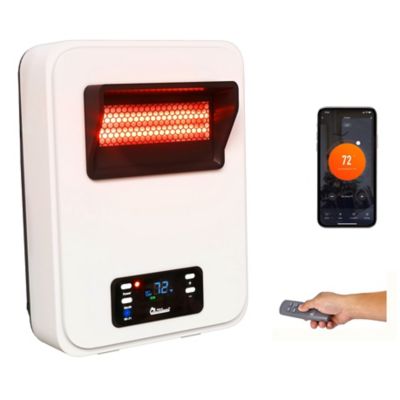
The right fit includes the wall itself, the electrical supply and the way the room gets daily use. Heater dimensions tell only part of the story: required clearance above, below and beside the unit determines how much open wall it actually needs. Curtains, upholstered furniture, shelves and stored supplies cannot crowd that space, and mounting height should follow the manufacturer’s directions rather than the location of a convenient outlet. Mounting brackets also need secure attachment to a supporting surface suited to the heater’s weight. Plug-in electric models require an outlet and circuit that meet their electrical specifications; high-wattage heaters should connect directly to an appropriate wall outlet, not an extension cord or power strip. Hardwired models and units requiring a different voltage call for proper wiring and installation by a qualified electrician. Those details matter in older farmhouses and outbuildings, where an outlet’s location alone does not establish that the circuit can handle another heating load. Controls can make a noticeable difference in everyday comfort, too. An adjustable thermostat helps maintain a chosen room temperature, while selectable heat settings allow different output levels where that feature is included. Timers, remote controls and app-connected operation offer different ways to manage heating, but their functions vary by model. A timer might count down to shutoff rather than follow a repeating daily schedule, and connected controls may require a compatible home network. Clear displays and reachable controls can be handy in a room shared by several family members. Some heaters include a control lock to limit unintended setting changes, although that feature does not make a hot surface safe to touch. For a broader look at wall-mounted heating styles, browse
Indoor Wall Heaters and consider how the heating method, installation requirements and controls fit the space. A slim profile can look tidy along a wall, but safe clearance and proper electrical connections take priority over squeezing a heater into a tight corner.
Construction and intended use help narrow the choice further. Metal housings, glass faces and flat radiant panels each have a different appearance and cleaning needs, and the heating surface may become hot even when the outer design looks simple and unobtrusive. A smooth face can be easy to wipe down according to the care instructions, while grilles and fan openings need attention so dust does not build up and restrict airflow. Routine care generally means switching the heater off, disconnecting power where applicable and allowing it to cool completely before cleaning. The manufacturer’s directions determine whether a soft cloth, brush attachment or another method is appropriate; spraying liquid into openings or taking apart the housing is not routine upkeep. In a country home, location deserves a close look before appearance does. A finished hobby room presents different conditions from a shop with airborne sawdust, and an enclosed porch is not necessarily equivalent to a dry indoor living space. Ordinary indoor heaters are not a substitute for equipment specifically approved for damp areas, outdoor exposure or locations with combustible dust. Hay, bedding, fuel cans, solvents and other flammable materials need separation from heating equipment, and a barn or workshop may require a different type of installation altogether. Fuel-burning infrared wall heaters bring additional requirements, including the correct fuel supply, approved location, combustion-air provisions and venting where specified. An outdoor gas heater does not belong inside an enclosed room, and an oxygen-depletion shutoff is not a replacement for a carbon monoxide alarm. Professional installation is appropriate for gas connections and any work required by local code. In everyday living spaces, practical habits matter as well: gloves and jackets belong on a rack away from the heater, not draped across its face, and children and pets need protection from hot surfaces. With the right rating, room fit and clearances, an infrared wall heater can provide welcome warmth without taking over the floor—a sensible option for the places where chores pause, paperwork piles up and folks settle in for a while.